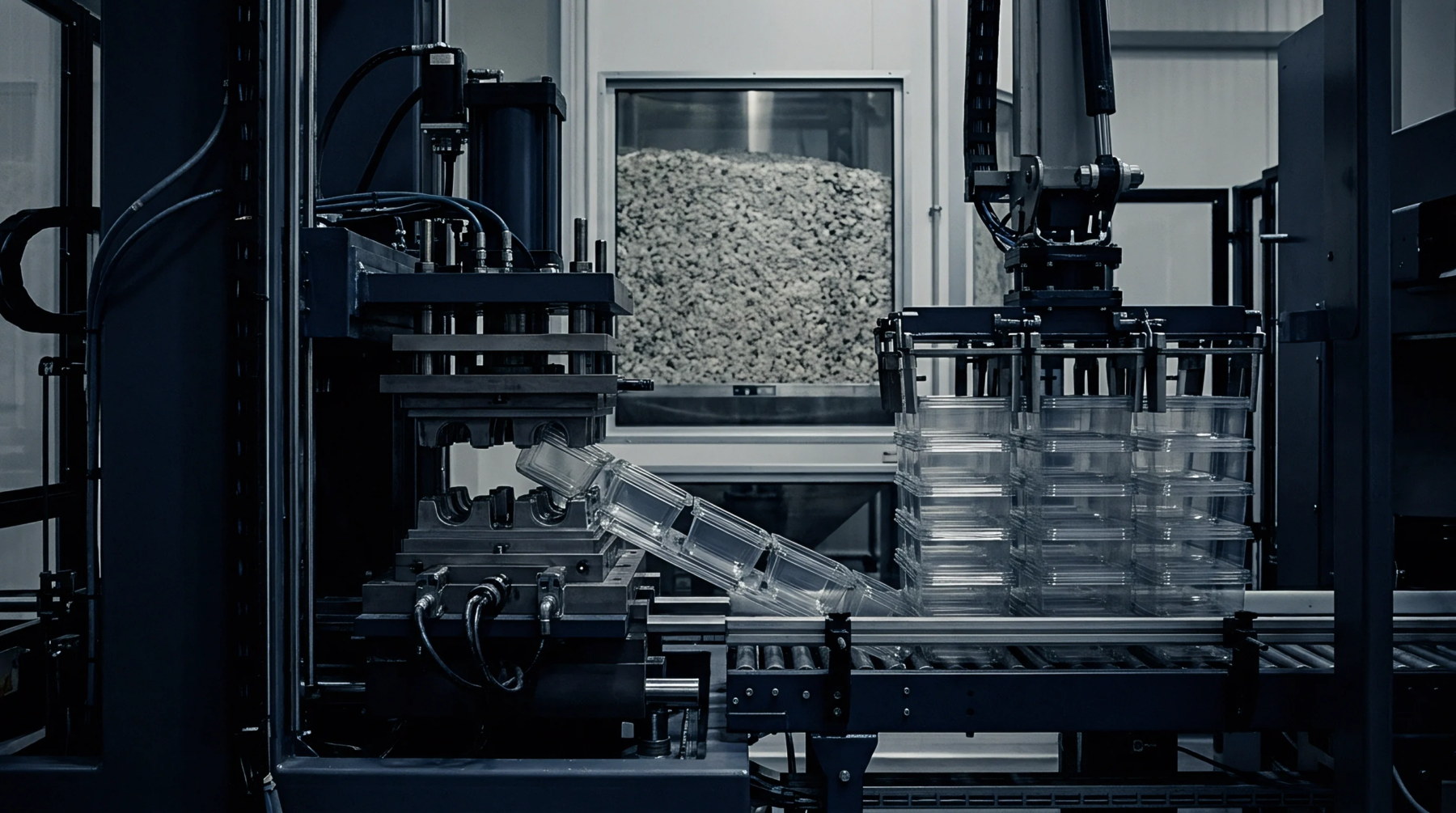
Thermoforming against Injection for Volumes below Fifty Thousand Units
Thermoforming delivers lower total landed cost below fifteen thousand units by saving upfront tooling capital, beyond which injection piece price efficiency dominates.
Thermoforming delivers lower total landed cost below fifteen thousand units by saving upfront tooling capital, beyond which injection piece price efficiency dominates.

Pricing secondary tooling during initial contract negotiation locks steel costs and machining rates before primary tool wear destroys commercial leverage.
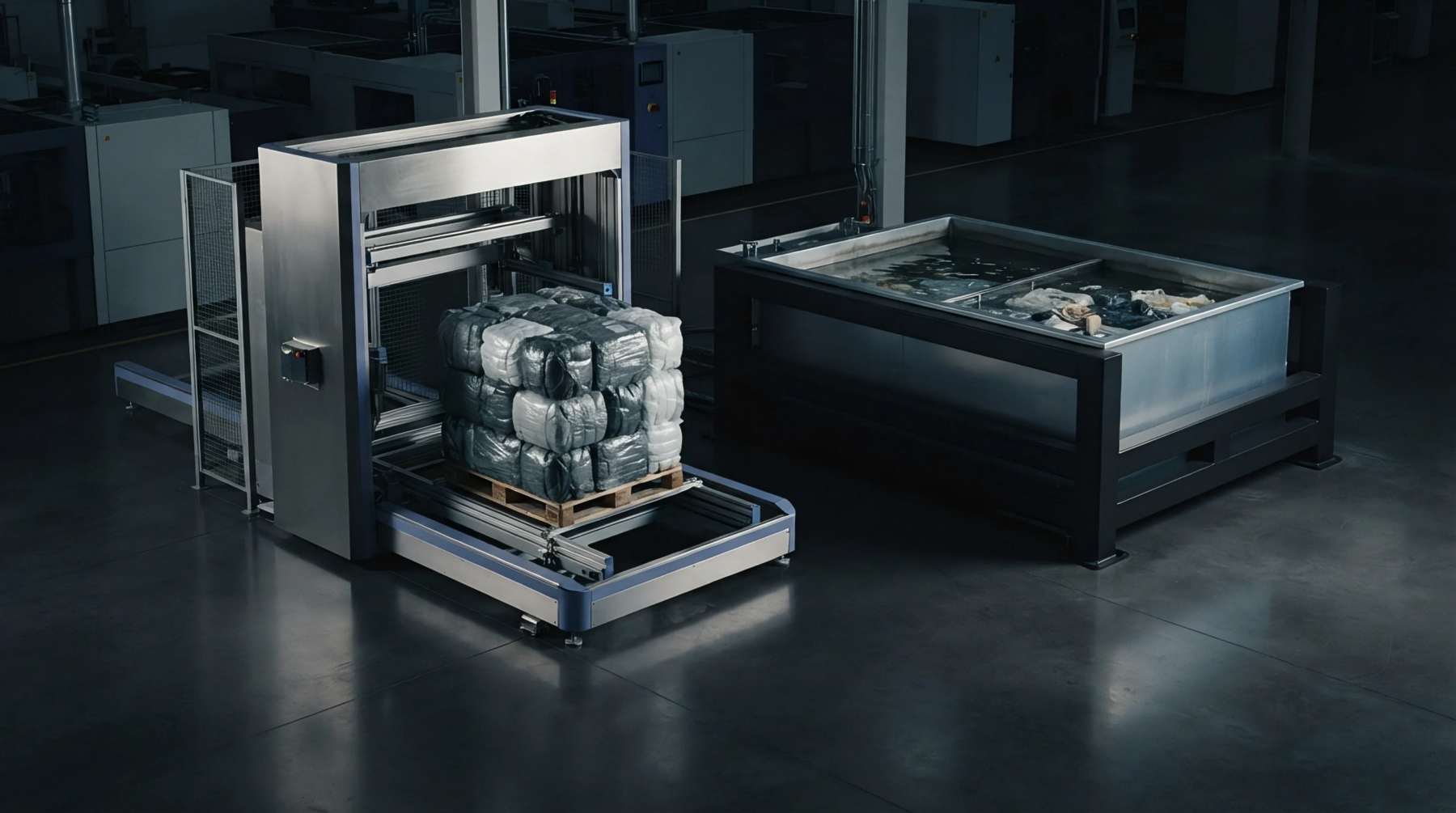
Amorphous sheet stretch dynamics depend on strain hardening and thermal saturation to prevent localized necking and corner blowout during deep thermoforming.

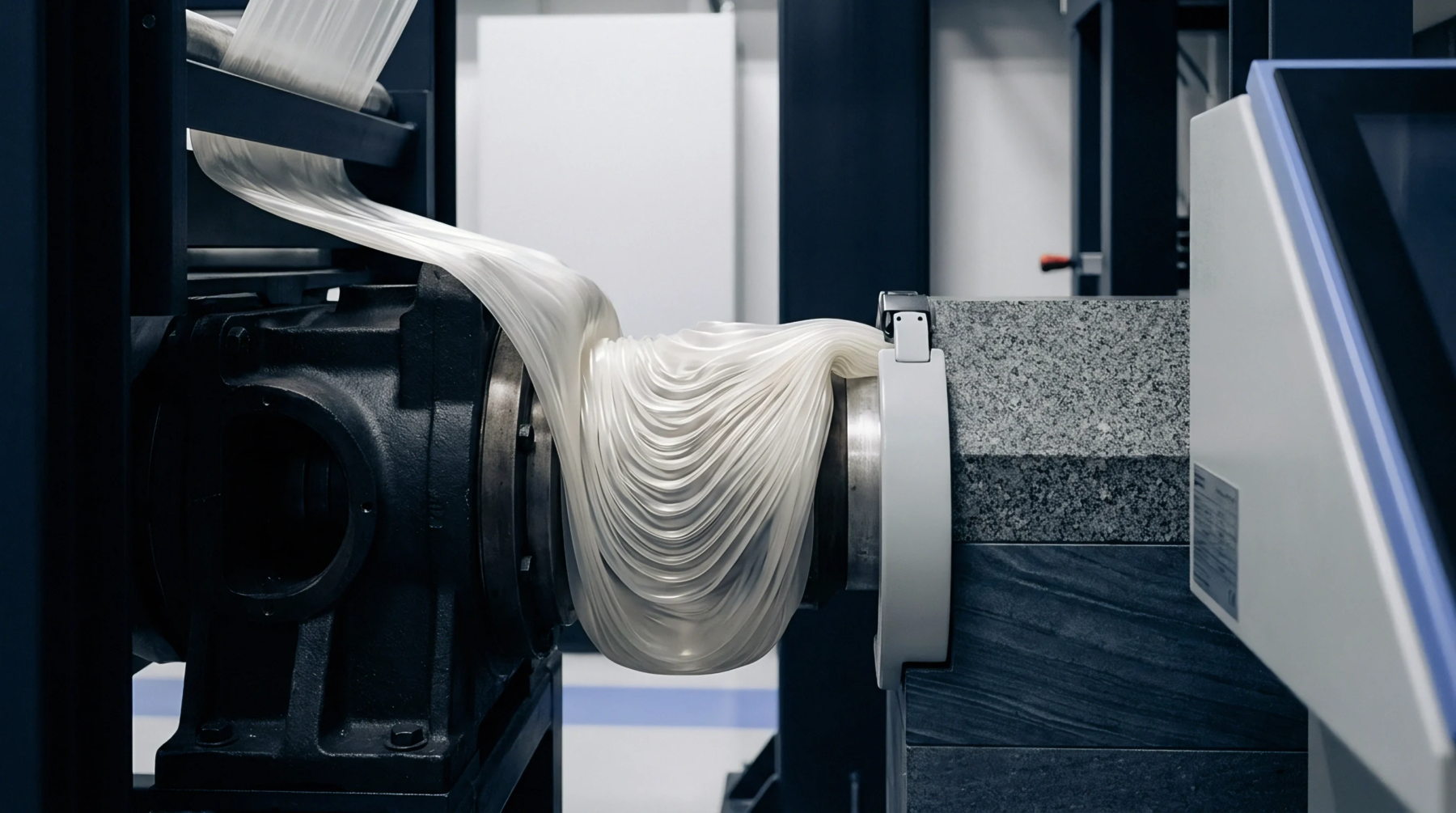
Amorphous extrusate swell dynamics depend on first normal stress differences; controlling land L/H ratio and calender drawdown balances web gauge and shrinkage.
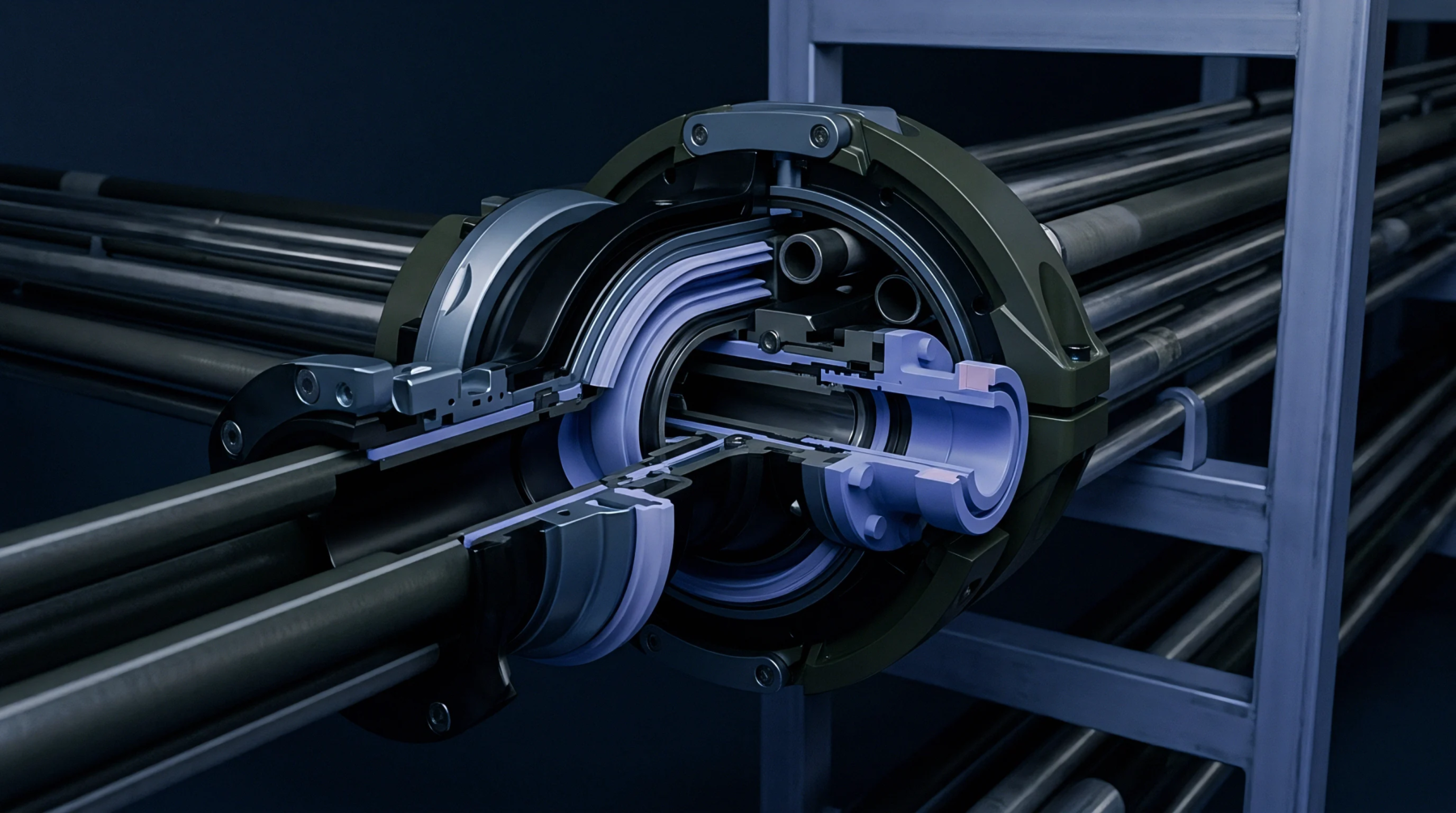
Post-cut wall section increases require steel removal that permanently alters cooling dynamics, cycle time, and dimensional stack-ups.

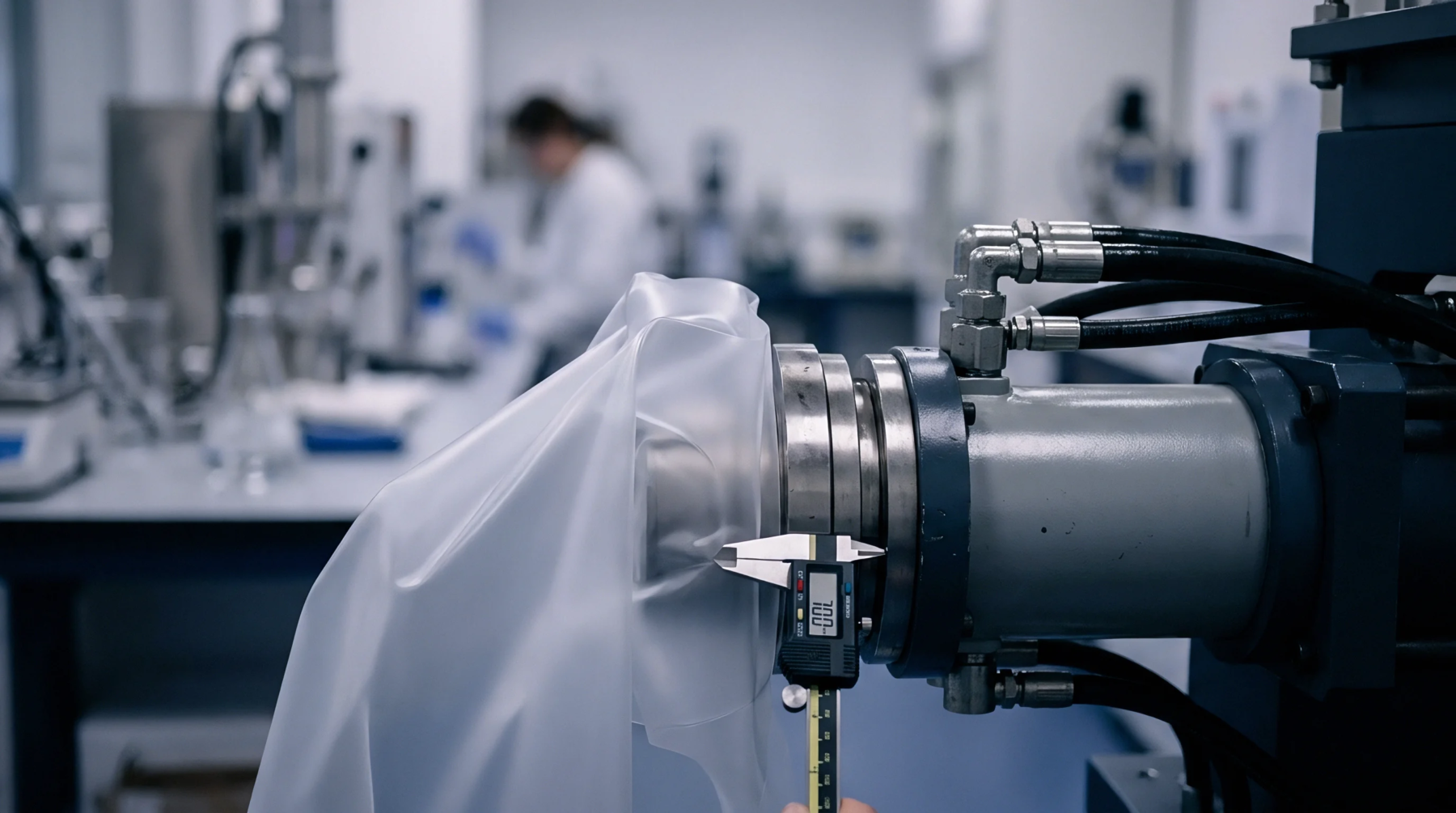
Flexible plastic part boundary metrology requires ISO 10579 restrained datum targets and controlled clamping forces to yield repeatable CMM dimensional data.

Statistical process control tracking of parting line wear prevents mold shutoff hobbing and reduces plastic part flash scrap.
Matching part geometry to the correct plastic manufacturing process early prevents costly tooling modifications and ensures dimensional stability under production.

Modifying nominal wall sections during tooling qualification requires balancing flow pressure drops against cooling cycle delays and steel-safe machining routes.
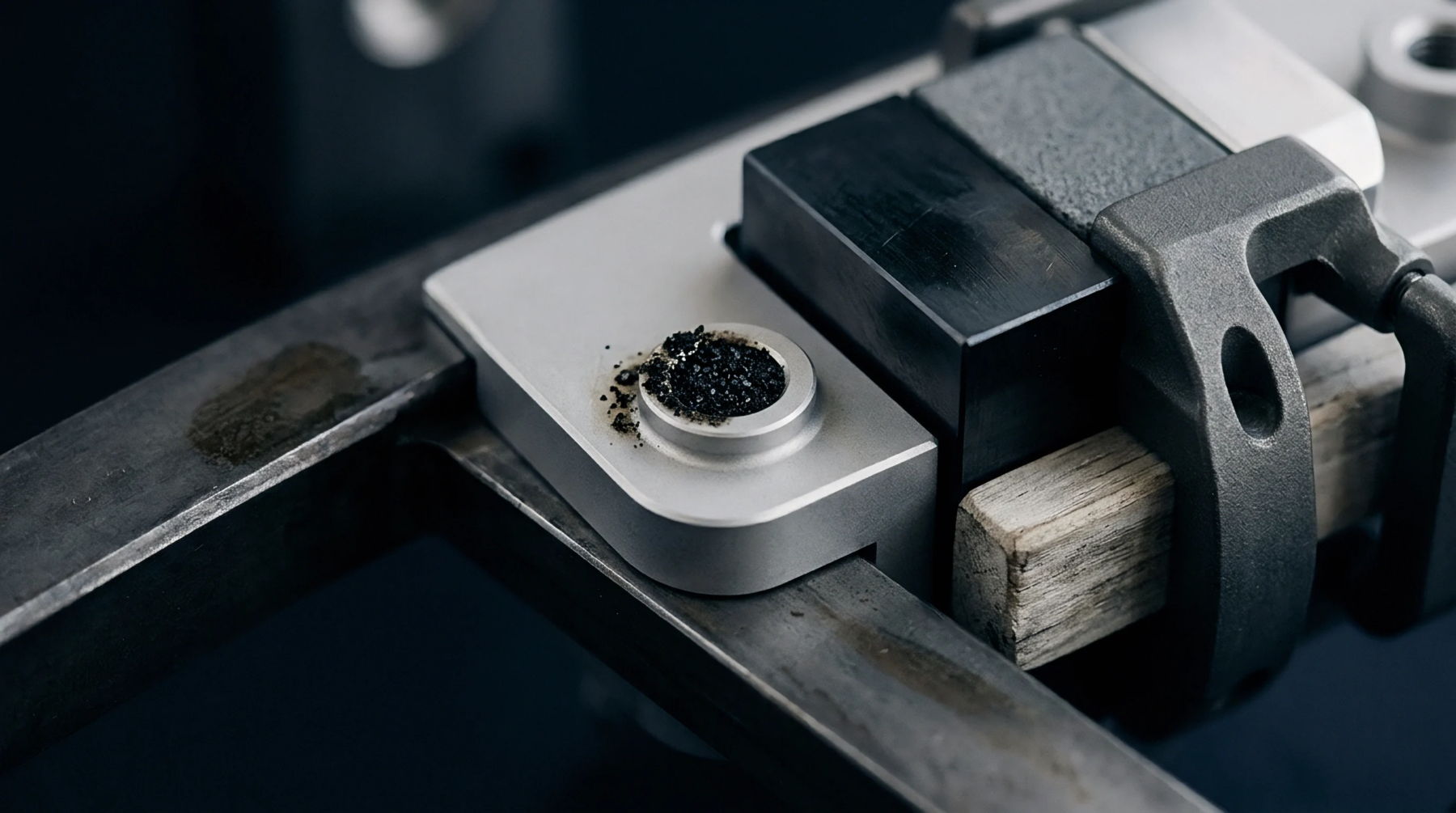
Inspect parting line wear using optical blueing and depth micrometer checks to catch shutoff hobbing before flash exceeds 0.03 mm.
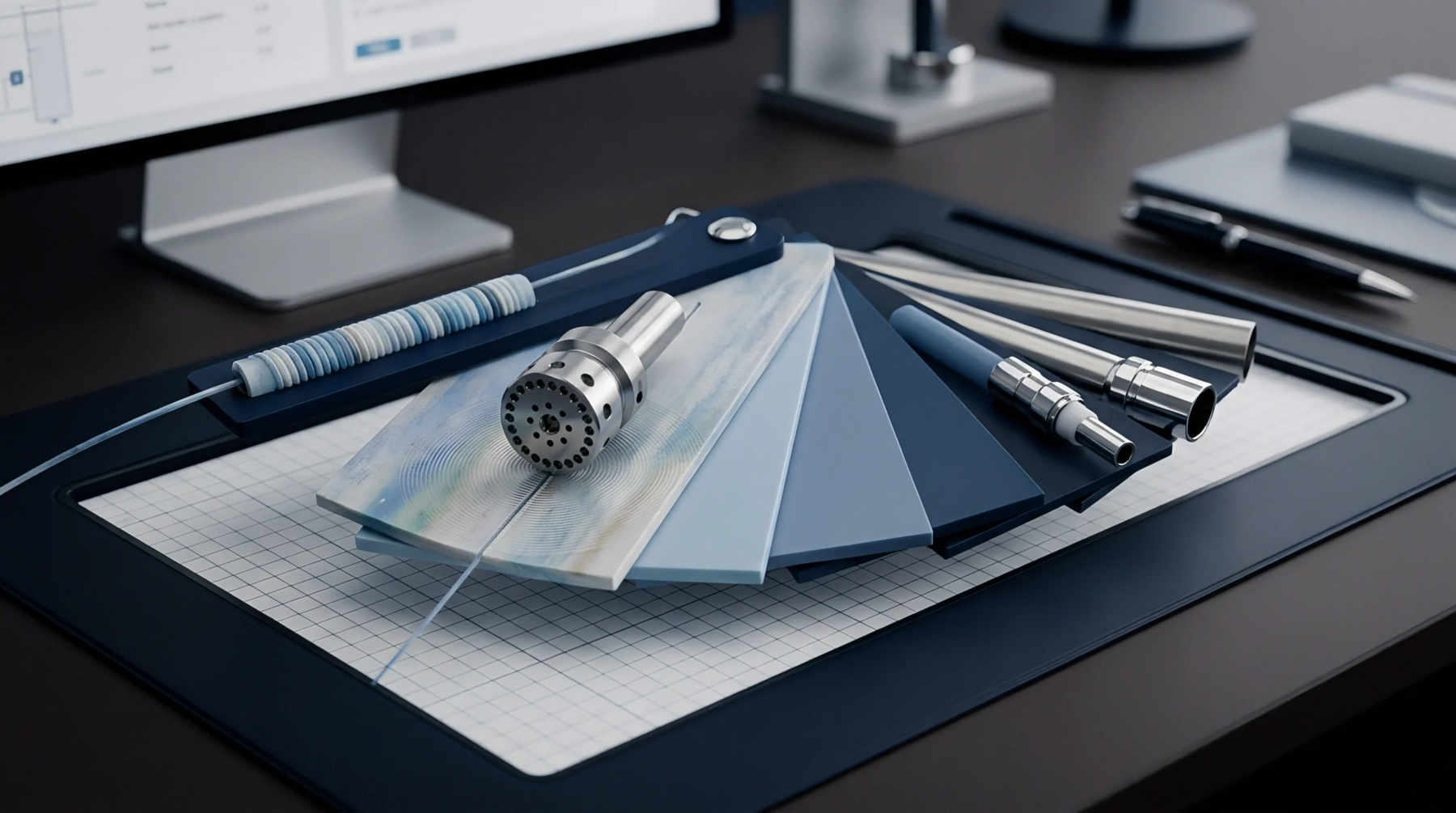
Non-isothermal Moldflow viscoelastic stress mapping converts frozen-in injection shear and thermal gradients into Abaqus structural FEA to prevent boss root yield.
Wireless cavity pressure telemetry enables real time closed loop screw stroke compensation to hold part weight and dimensions against melt viscosity drift.
Toolroom blueing shut-off verification proves metal contact under compression to eliminate plastic flash, protect tool steel, and validate parting line pre-load.
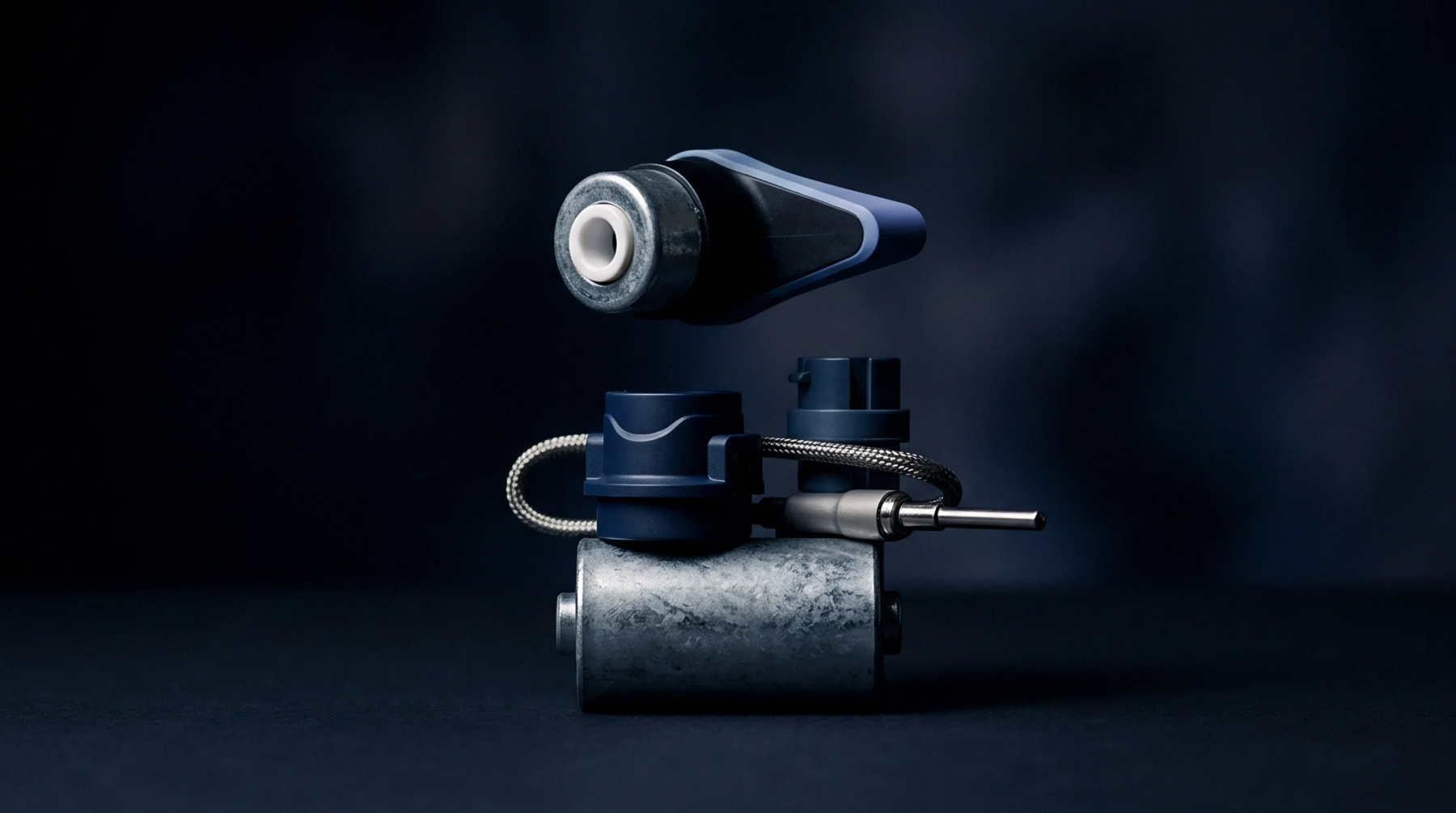
Cavity pressure telemetry decouples polymer melt behavior from machine hydraulics, locking peak pressure to eliminate scrap and stabilize part dimensions.

Synchronized micro-cavity sensor arrays eliminate undetected fill imbalances and reduce scrap in micro-moulding tools by replacing complex wire harnesses with RF slot waveguides.
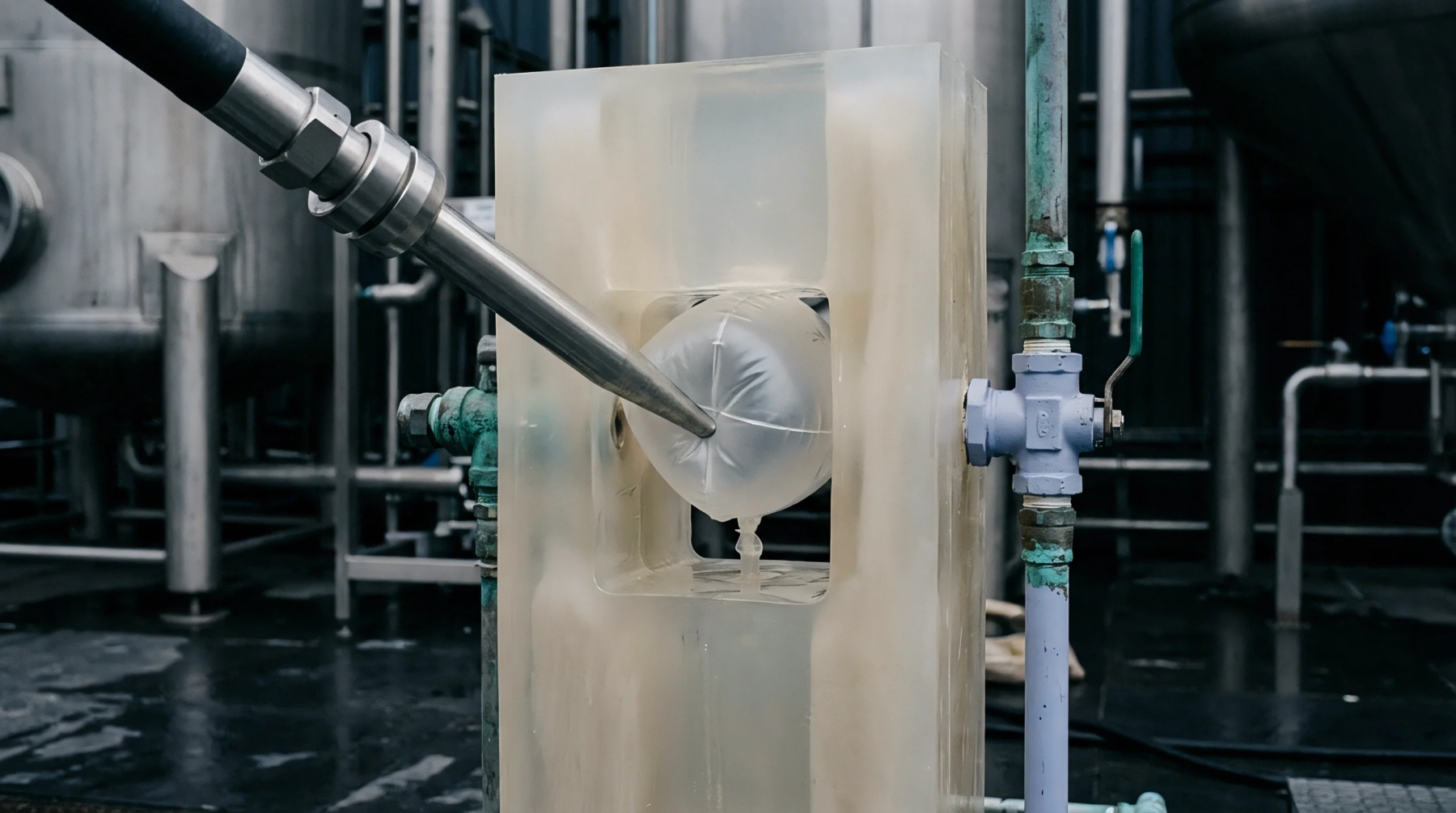
Sub-millimetre cavity pressure sensor placement requires sub-two-micron pin clearances and end-of-fill installation to decouple micro-melt viscosity from V/P switchover.
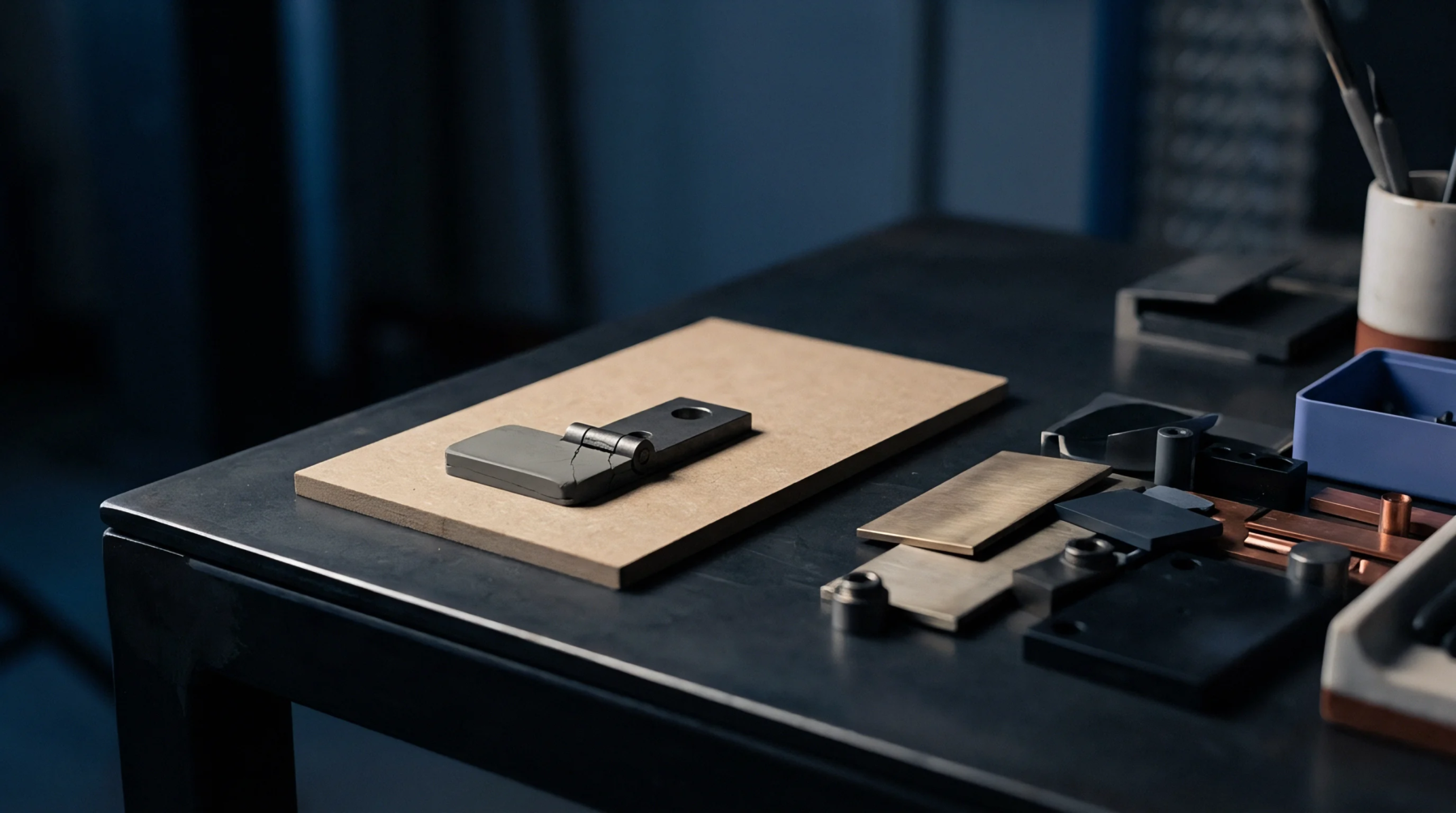
Cavity pressure directly controls polyamide crystallization and volumetric shrink, requiring precise transducer monitoring to hold DIN 16742 tolerances.

Offshore tooling recovery succeeds when physical asset marking and title documentation override local possessory press liens during factory insolvency.
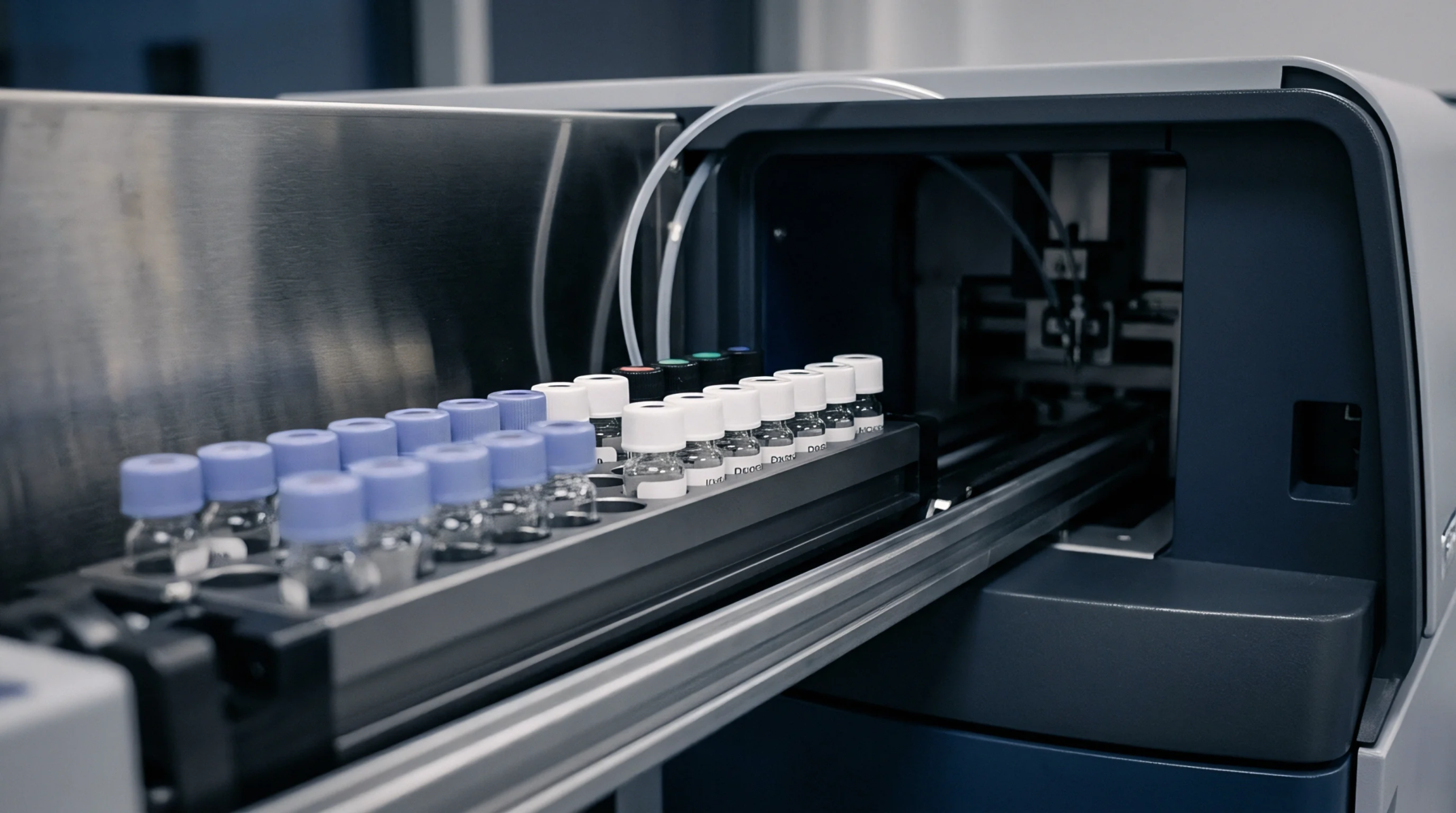
Managing tool steel modifications during qualification requires steel-safe initial tolerances, controlled additive or subtractive machining, and CAD-matched logging.

Real-time mold cavity pressure telemetry triggers automated mechanical part rejection, ensuring sub-gram defective melt profiles never enter production inventory.

Calculate multi cavity parting line preload by balancing machine clamp force against internal hydraulic separation force to maintain positive shut-off land sealing stress.
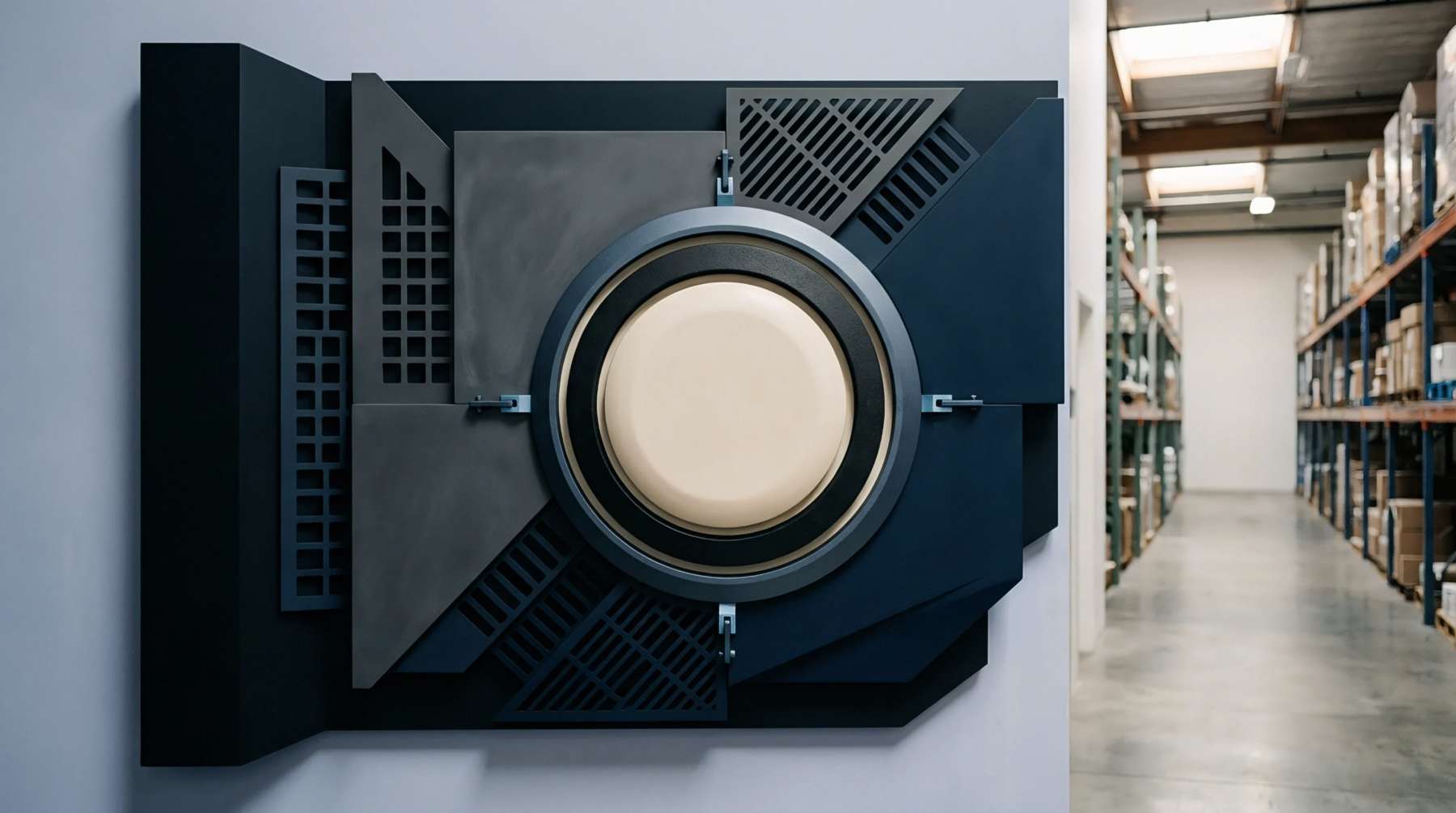
Real-time digital thermal drift compensation combined with diamond-like carbon coated pins eliminates signal hysteresis in sub-millimetre cavity sensors.
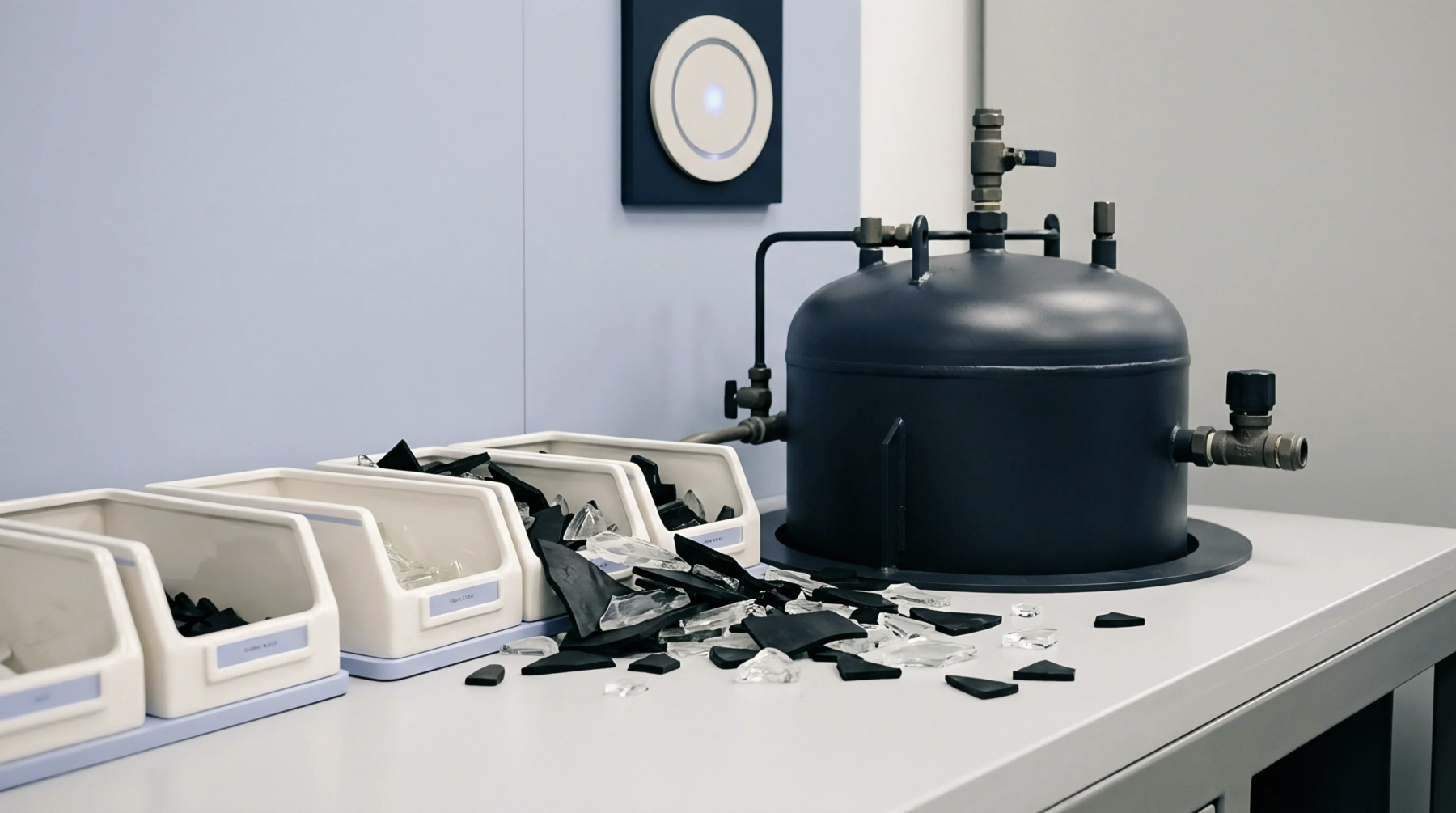
Elevating cavity packing pressure suppresses spherulite growth radius and reduces transverse matrix contraction in polyamides, holding DIN 16742 TG4 tolerances.
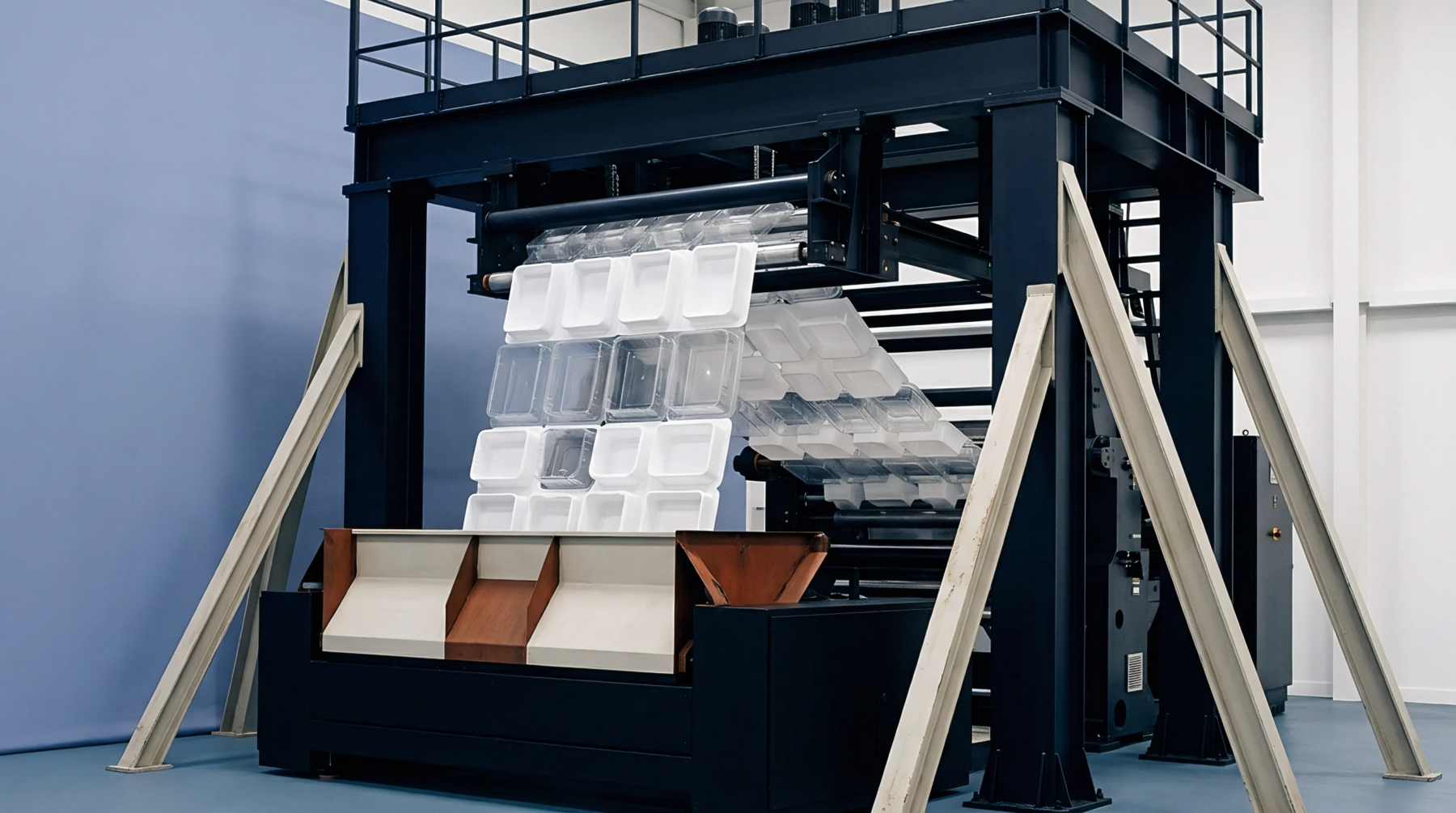
Extracting offshore tooling during plant insolvency requires perfected bailment paperwork, deep steel serialization markings, and immediate bankruptcy court bond filings.
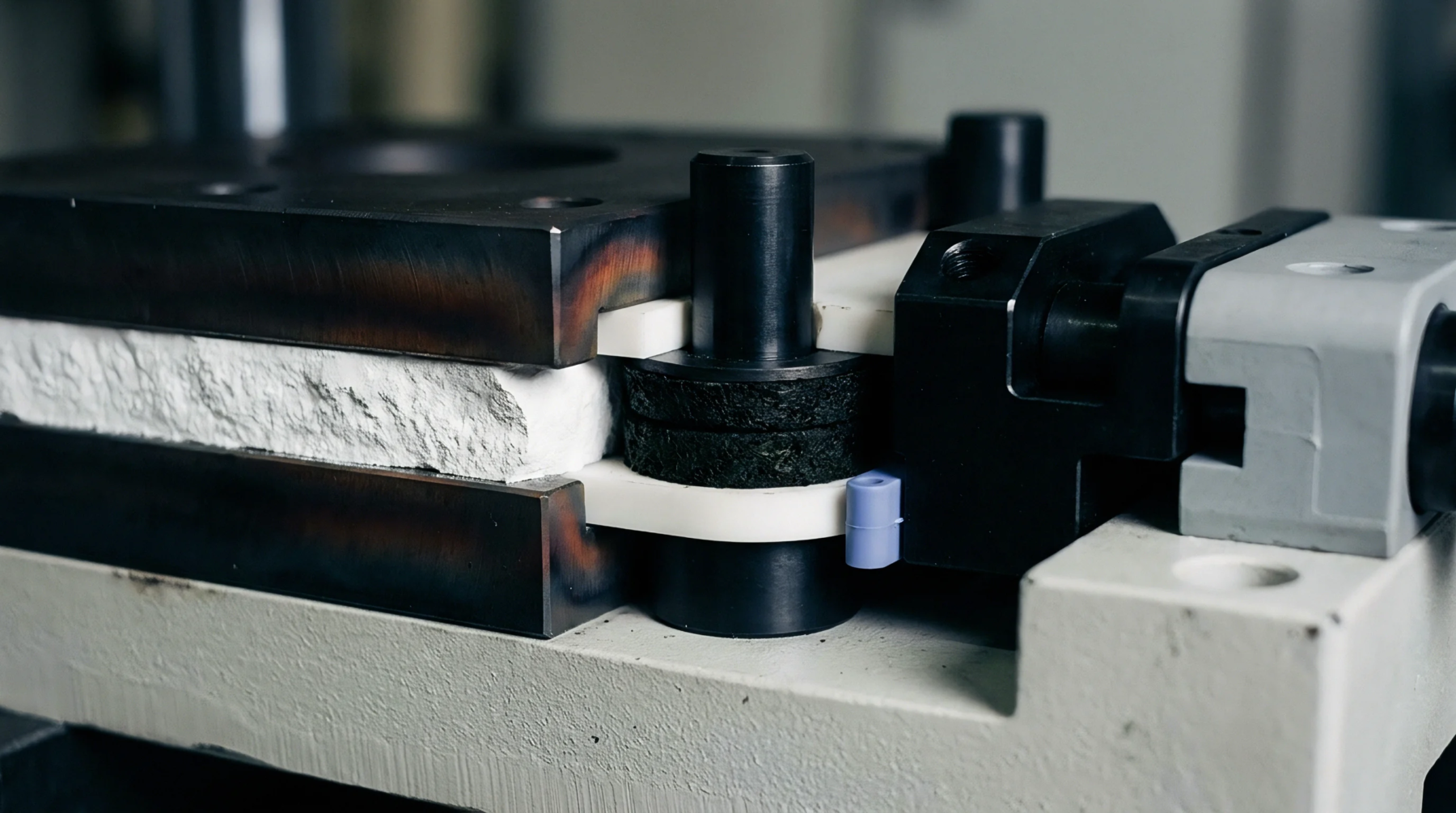
Cavity telemetry degrades in PEEK moulds as 200°C heat collapses sensor insulation resistance, demanding gallium phosphate crystals and cooled preamplifiers.

Verify cross-border tooling ownership using deep steel engraving and bailment filings, amortizing secondary CNC capital via contractually guaranteed unit schedules.
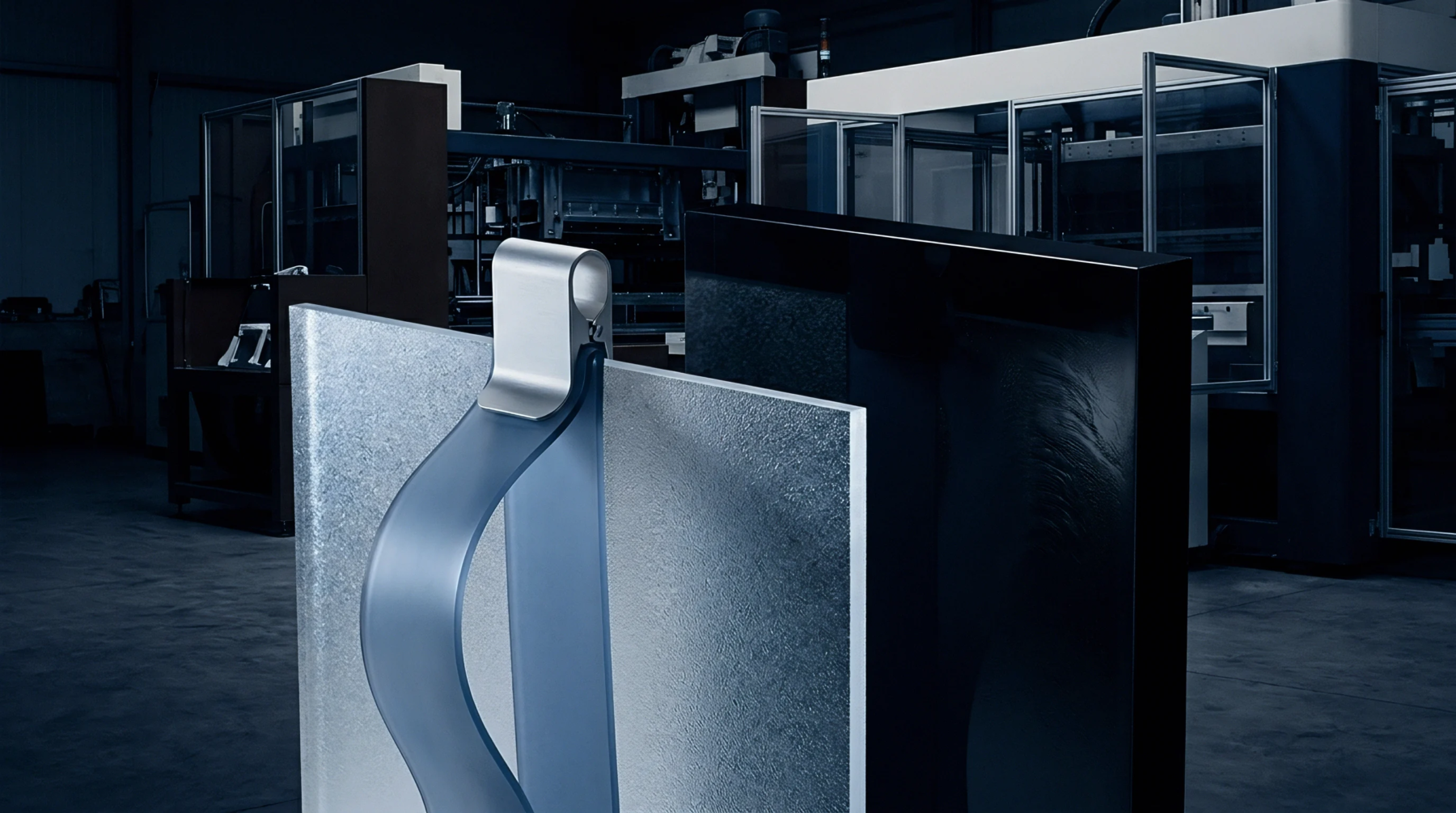
Position reference targets on flexible plastic parts at high-stiffness rib intersections using explicit 3-2-1 restraint forces to eliminate gravity sag and inspection disputes.
Press-side verification requires dynamic fill balance testing, telemetry pressure mapping, and individual cavity Cpk qualification before tool release.
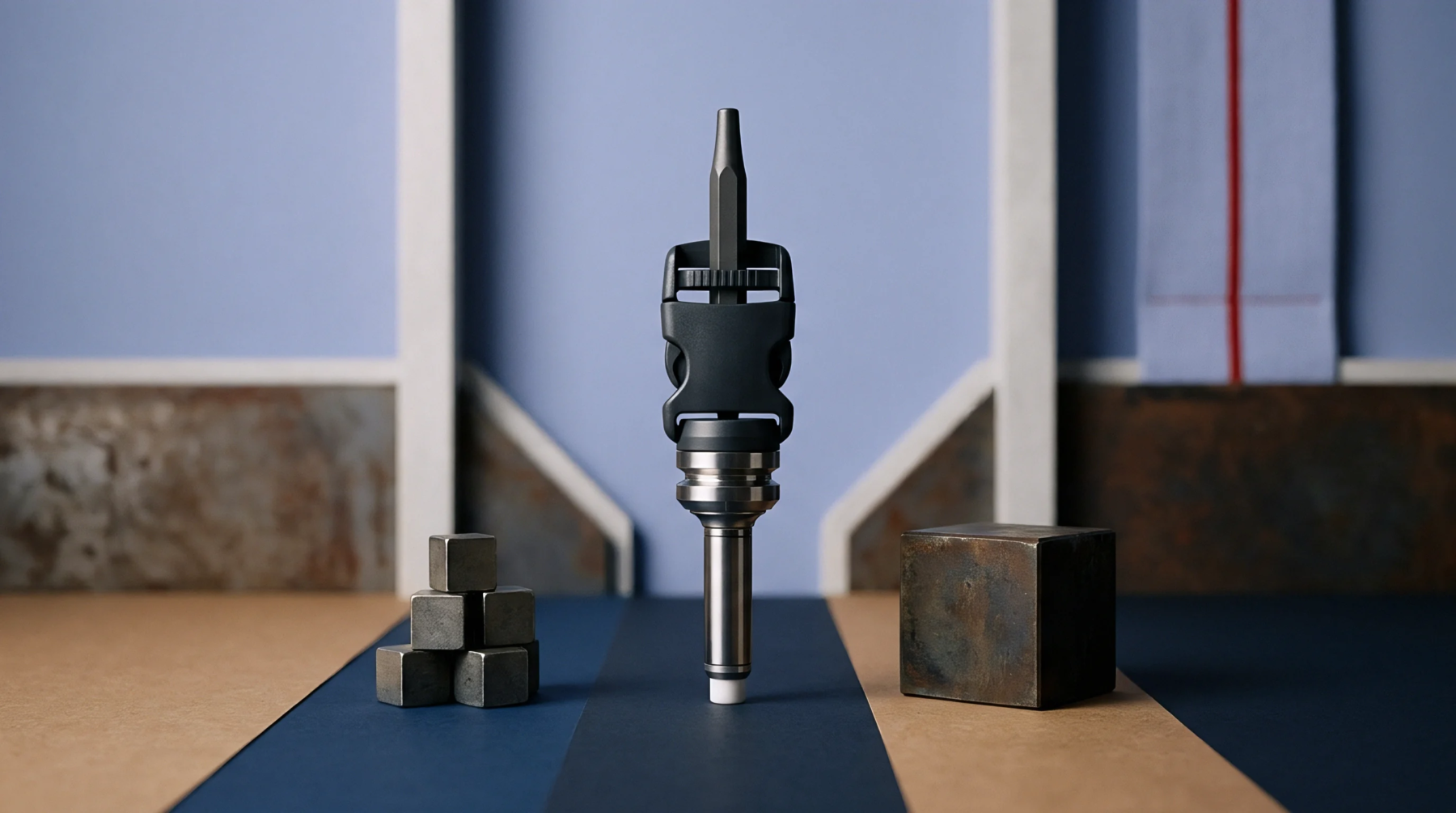
Non-uniform tool steel thermal expansion creates spatial cavity temperature deltas that drive measurable dimensional drift across multi-cavity molds.
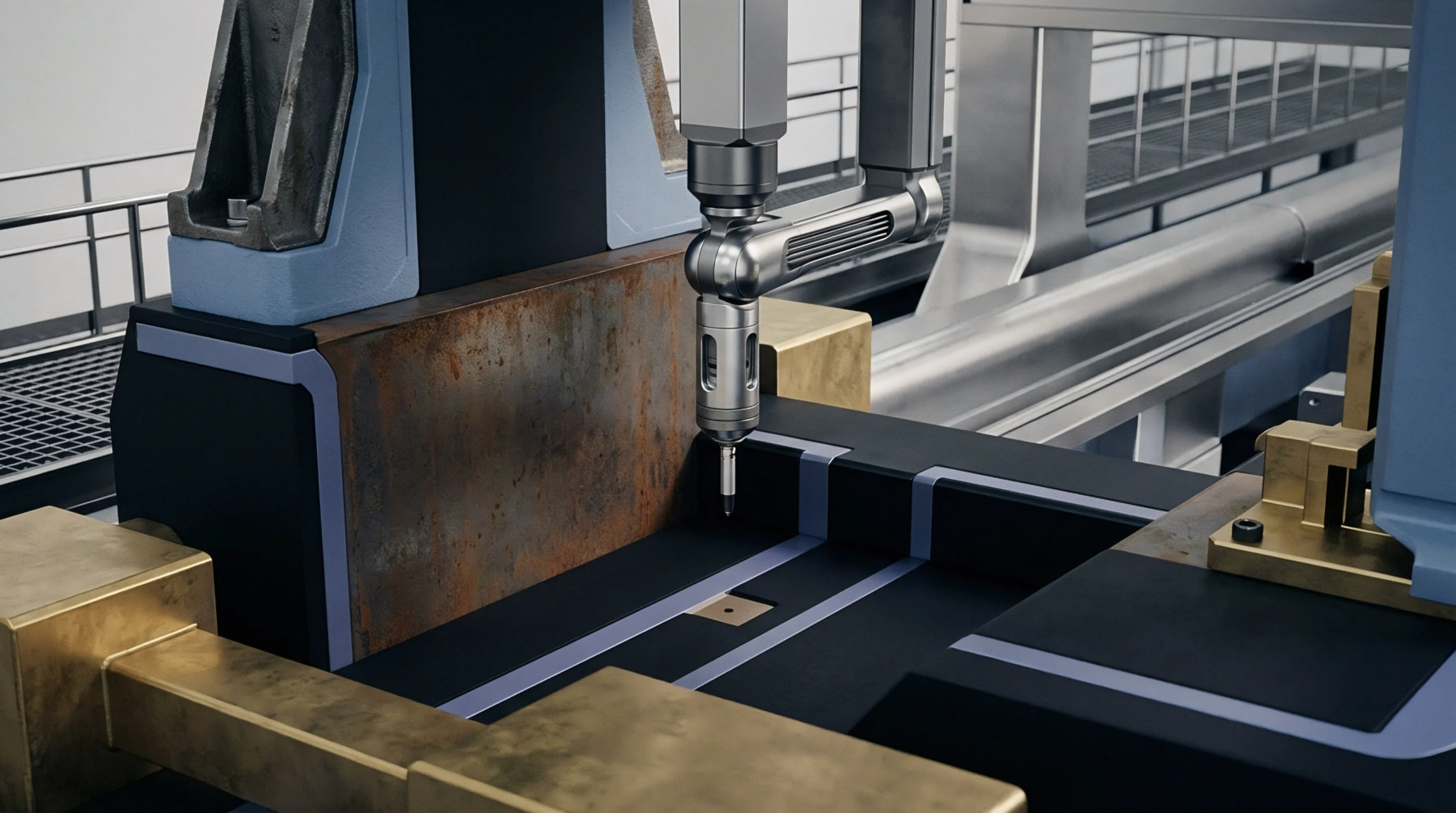
Mitigating RF loss in tool steel waveguides requires multi-layer copper plating exceeding three skin depths over sub-micron ground or electroformed split-block cavity inserts.
Expertise is a utility, not a secret. sentiention™ publishes its working knowledge as open reference: intelligence layer covering the materials it sources, the markets it enters, and the reference that serves both.