
Calculating Thermal Expansion Offsets in Hot Runner Manifolds
Hot runner manifold expansion calculations require reducing cold nozzle pitch dimensions relative to a fixed locating center based on steel thermal growth.
Hot runner manifold expansion calculations require reducing cold nozzle pitch dimensions relative to a fixed locating center based on steel thermal growth.
Tool surface roughness alters part dimensions by creating profile offsets, changing ejection drag forces, and increasing interfacial thermal contact resistance.

Calculate secondary crystallization volumetric change by subtracting amorphous-crystalline density shifts via Avrami rate equations across storage temperatures.
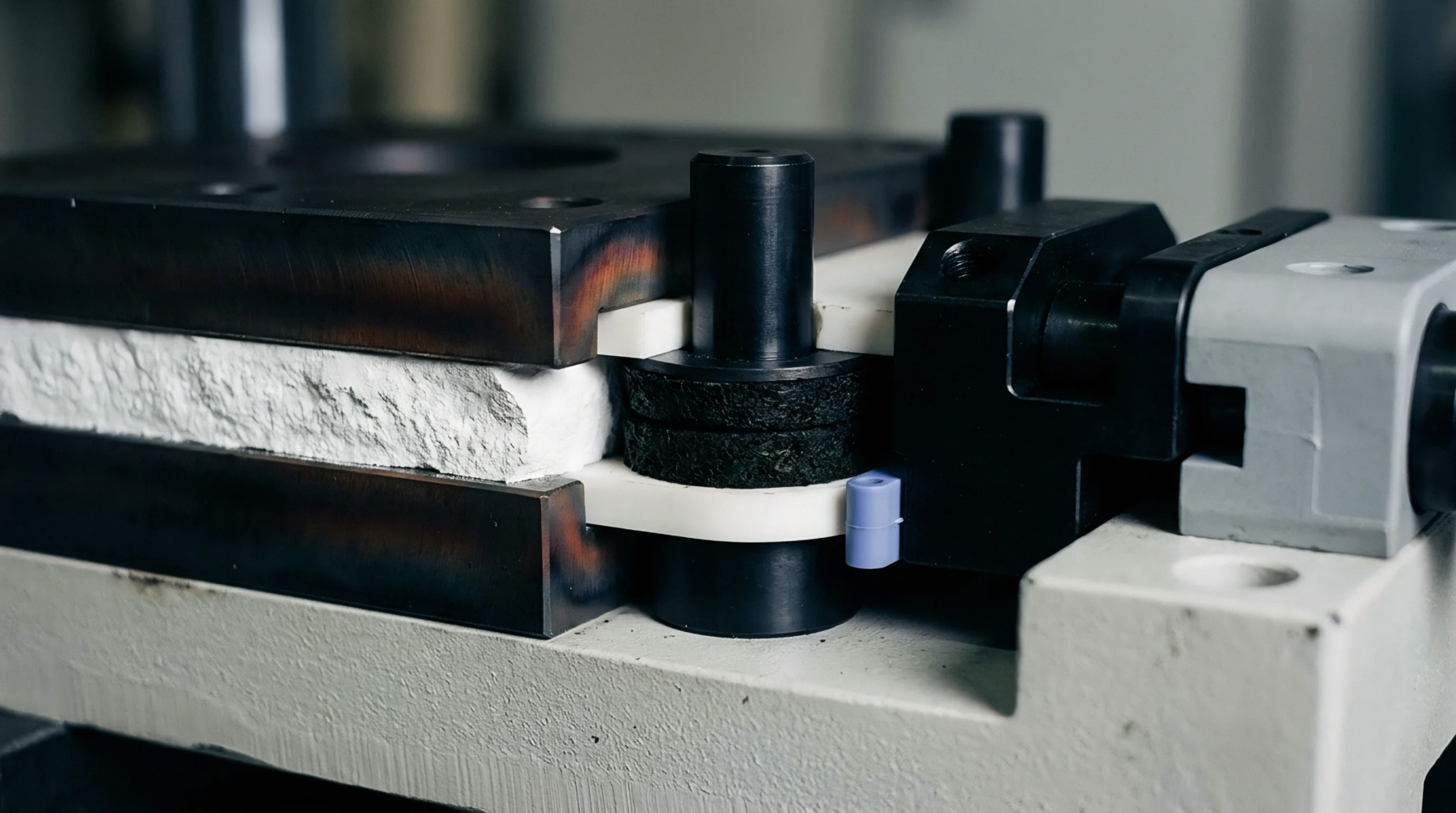
Restraint fixture calibration certifies datum pad coordinates, pin locations, and clamp forces to isolate true part warpage from tooling fixture deflection.

Anisotropic fiber alignment dictates local part compliance, requiring cavity-matched machining nests with controlled clamp forces to prevent post-release distortion.
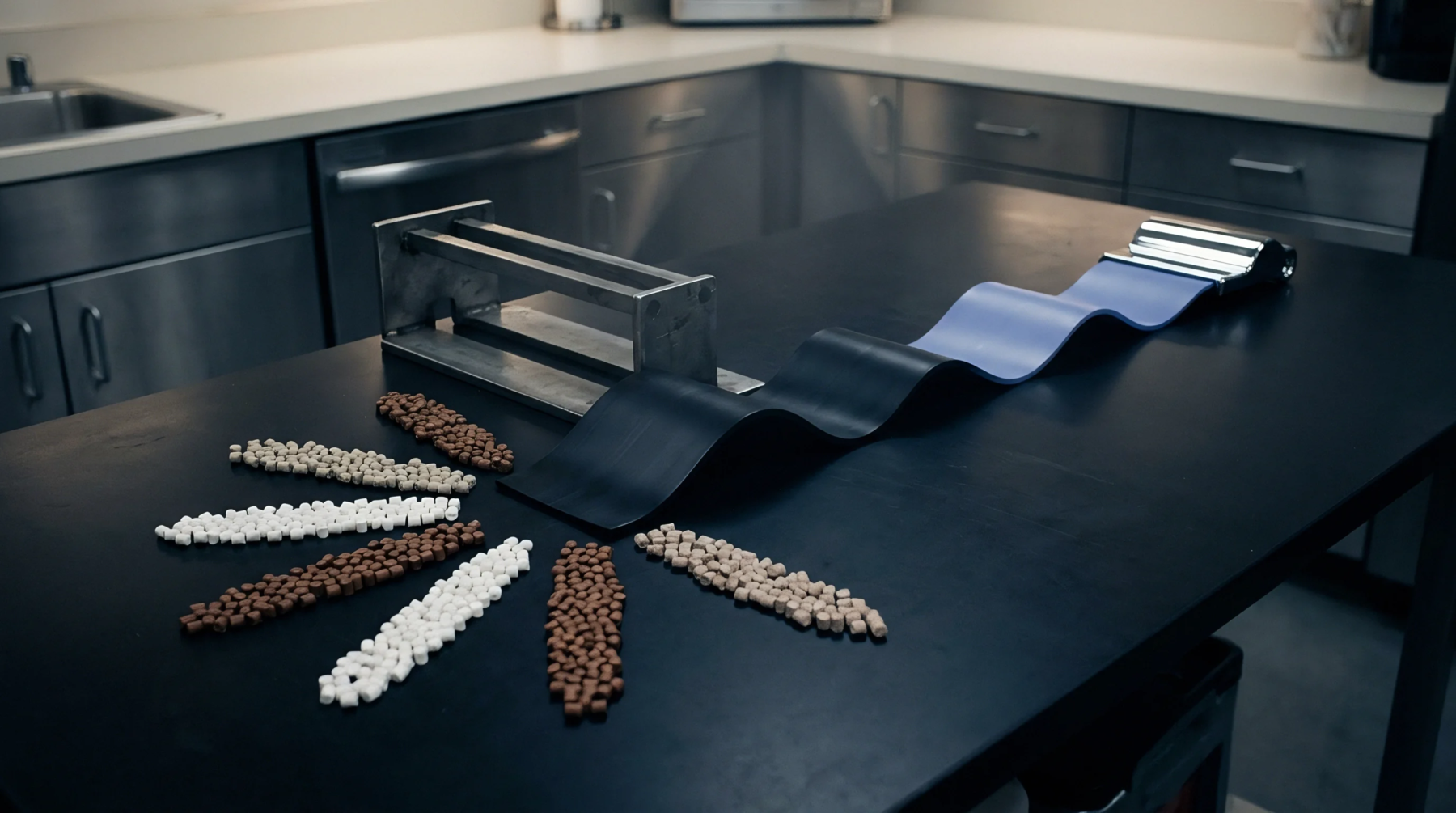
Free state coordinate metrology requires gravity-compensated optical scanning after forty-eight hours of conditioned rest to isolate true viscoelastic warpage.
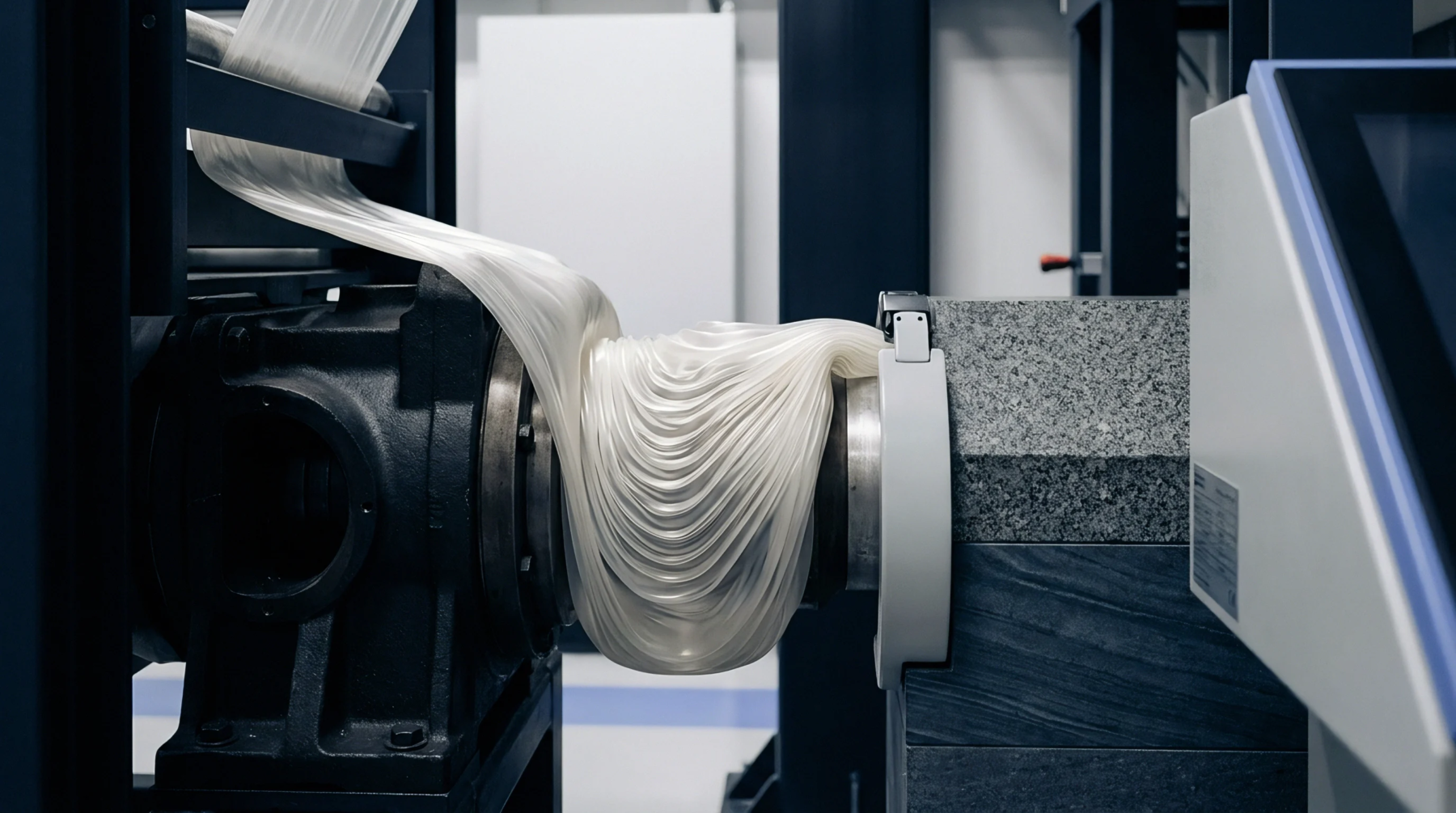
Optimizing melt channel bifurcations with melt rotation geometry and stepped hydraulic diameters eliminates shear-induced viscosity gradients across cavities.

Cross-site gauge reproducibility requires kinematic 3-2-1 nests with matched thermal expansion to keep measurement variation under ten percent of tolerance.

Stepped packing pressure profiles decay holding force to match gate solidification, preventing secondary shear flow and mitigating glass fiber alignment warpage.

Calculate multi-cavity dimension drift by subtracting thermal steel plate expansion profiles from localized polymer shrinkage values across operating temperature zones.

Balancing restraint forces under ISO 5459 ensures accurate datum seating without distorting non-rigid polymer part features during coordinate metrology.
Cross-border escrow releases for multi-cavity hot runner transfers must bind fund payouts to press-side scientific molding verification and DIN 16742 compliance.

Calibrate CMM restraint fixtures by matching datum locators to nominal CAD and regulating clamping forces to eliminate non-rigid part deflection.

Flexible plastic part boundary metrology requires ISO 10579 restrained datum targets and controlled clamping forces to yield repeatable CMM dimensional data.
Expertise is a utility, not a secret. sentiention™ publishes its working knowledge as open reference: intelligence layer covering the materials it sources, the markets it enters, and the reference that serves both.