Meaning
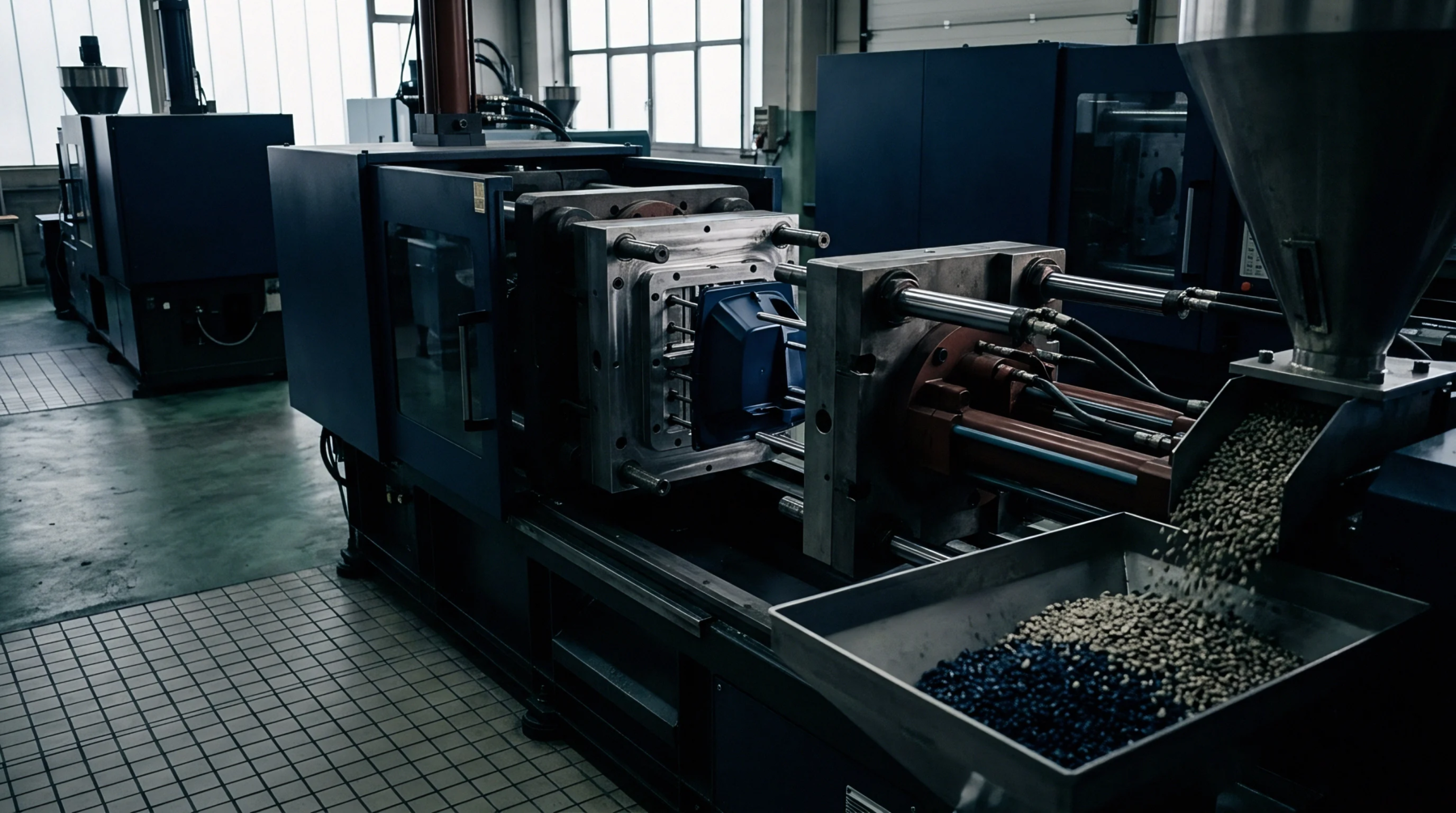
Systematic injection of progressively larger, incomplete volumes of polymer into a mould during initial trials or troubleshooting allows engineers to visualize the flow path and filling pattern of the melt. This short shot study helps identify issues like unbalanced filling, air traps, and weld line locations before the tool enters full production.
Diagnostic Process
Machine operators perform this analysis by disabling the holding pressure stage and gradually increasing the injection stroke in steps. By collecting the partially filled parts from each stage, the team can map the path of the polymer as it travels through the gates and runners into the furthest recesses of the mould cavity. This short shot study provides a physical record of the melt behaviour that can be compared directly to theoretical simulation models.
Flow Analysis
Unbalanced fill patterns in multi-cavity moulds are easily spotted when some cavities are nearly full while others remain empty. This imbalance can lead to part weight variations and dimensional instability in the finished components. Correcting the gate sizes or runner layouts based on the filling pattern restores balance to the flow and ensures uniform part properties.
Tooling Correction
Identifying the location of the final fill point allows toolmakers to place precision vents in the mould steel where trapped air would otherwise cause burn marks or incomplete fill defects. A datasheet value for material flow cannot predict these localized venting needs because the mould geometry dictates the fill pattern.