
Thermal Stability and Melt Processing Rules for Polyhydroxyalkanoate Resins
Polyhydroxyalkanoate processing demands strict moisture control below 200 ppm and residence times under three minutes to prevent cis-elimination chain scission.
Polyhydroxyalkanoate processing demands strict moisture control below 200 ppm and residence times under three minutes to prevent cis-elimination chain scission.

Multi-tier polyolefin silo homogenization induces viscoelastic drift via thermal compaction and micro-shear, altering melt elasticity and wall thickness.

Isolating metal-mediated degradation in recycled polyolefins requires microwave acid digestion with ICP-MS and chelation stabilization to stop chain scission.
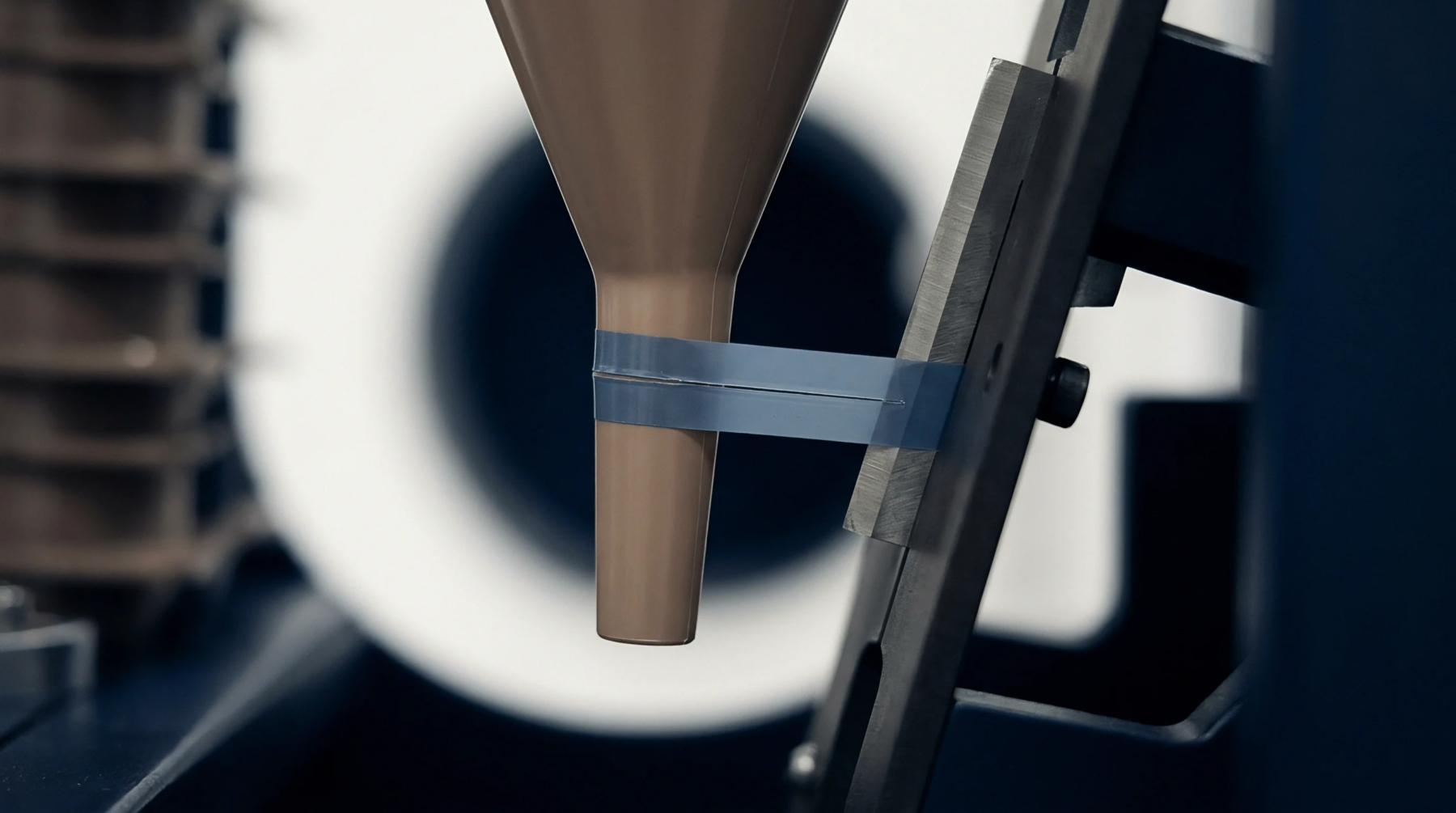
Polyolefin melt flow shifts reveal chain scission or crosslinking under repeated shear, requiring strict multi-point viscosity and antioxidant monitoring.
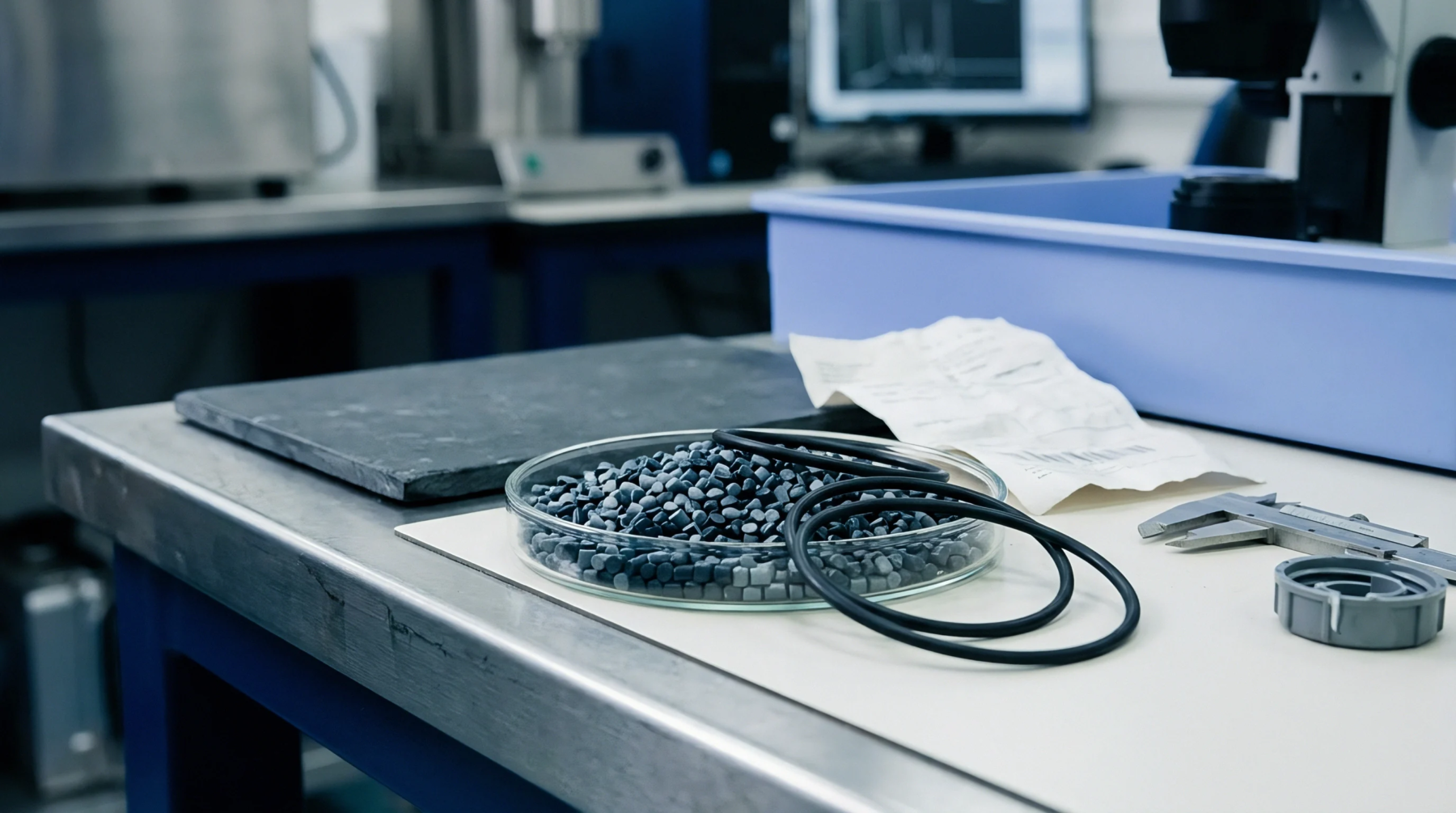
Phase inversion boundaries in recycled olefin fractions shift with shear rate, necessitating combined dynamic rheology and thermal analysis for domain sizing.
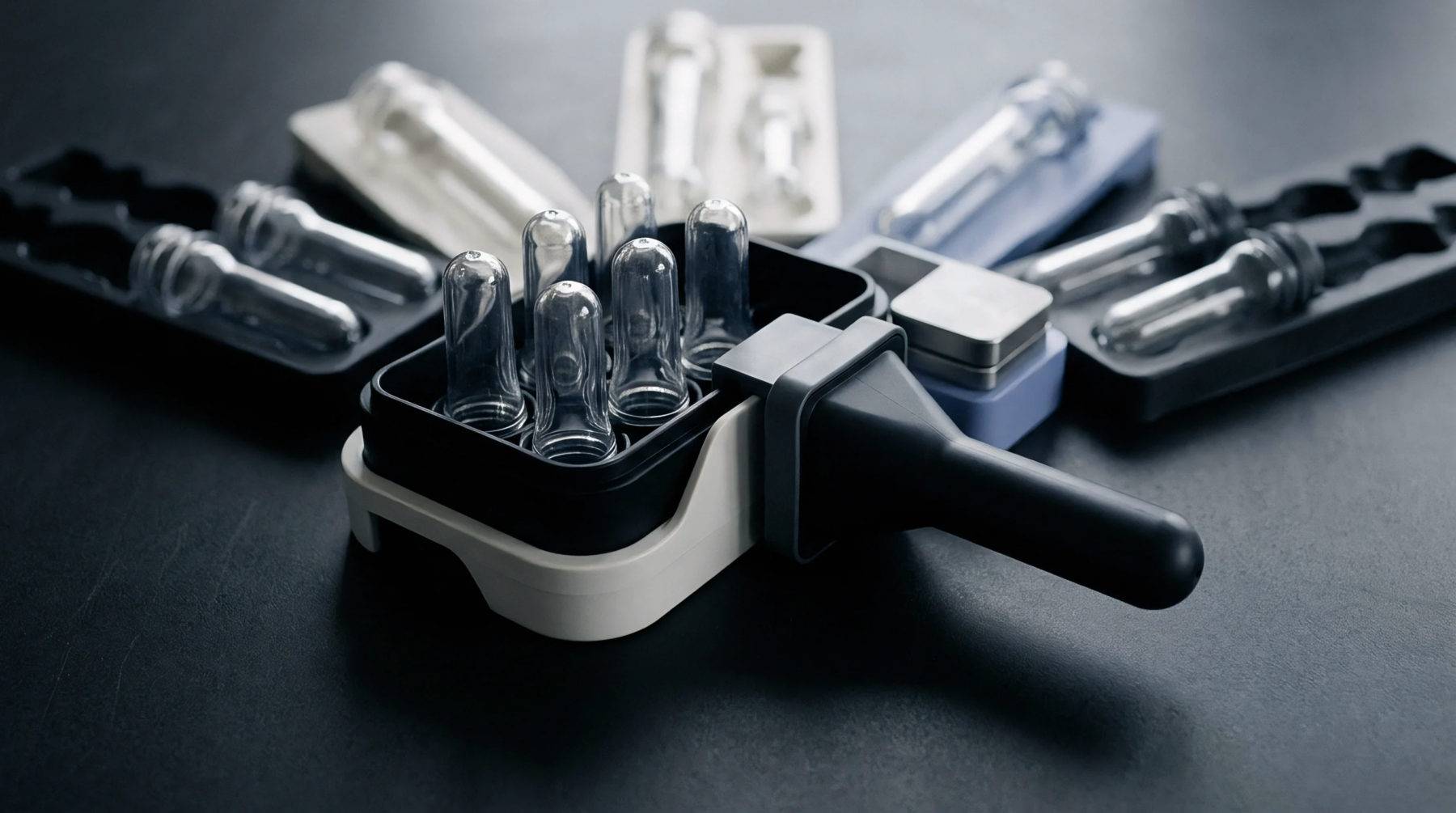
Deconvolution of DSC melt crystallization peaks isolates PE and PP fractions in recyclates to verify composition before compounding.

ATR-FTIR verifies polyolefin grades by measuring specific infrared absorbance ratios to quantify comonomer content, branching density, and copolymer structure.

Residual moisture above 50 ppm hydrolyzes rPET melt within seconds, dropping intrinsic viscosity and causing brittle part failure that exceeds drying power costs.

Dew point drift above minus forty degrees Celsius triggers rapid hydrolytic polymer degradation, demanding structured bed adsorption and crush testing.

Hopper airflow rates of 0.8 to 1.2 m3/hr per kg/hr combined with a dew point below -40 C prevent hydrolytic degradation and guarantee uniform drying.

Decouple scission from thermal degradation by tracking high-frequency acoustic attenuation drop against broadband sound velocity dispersion across the melt stream.
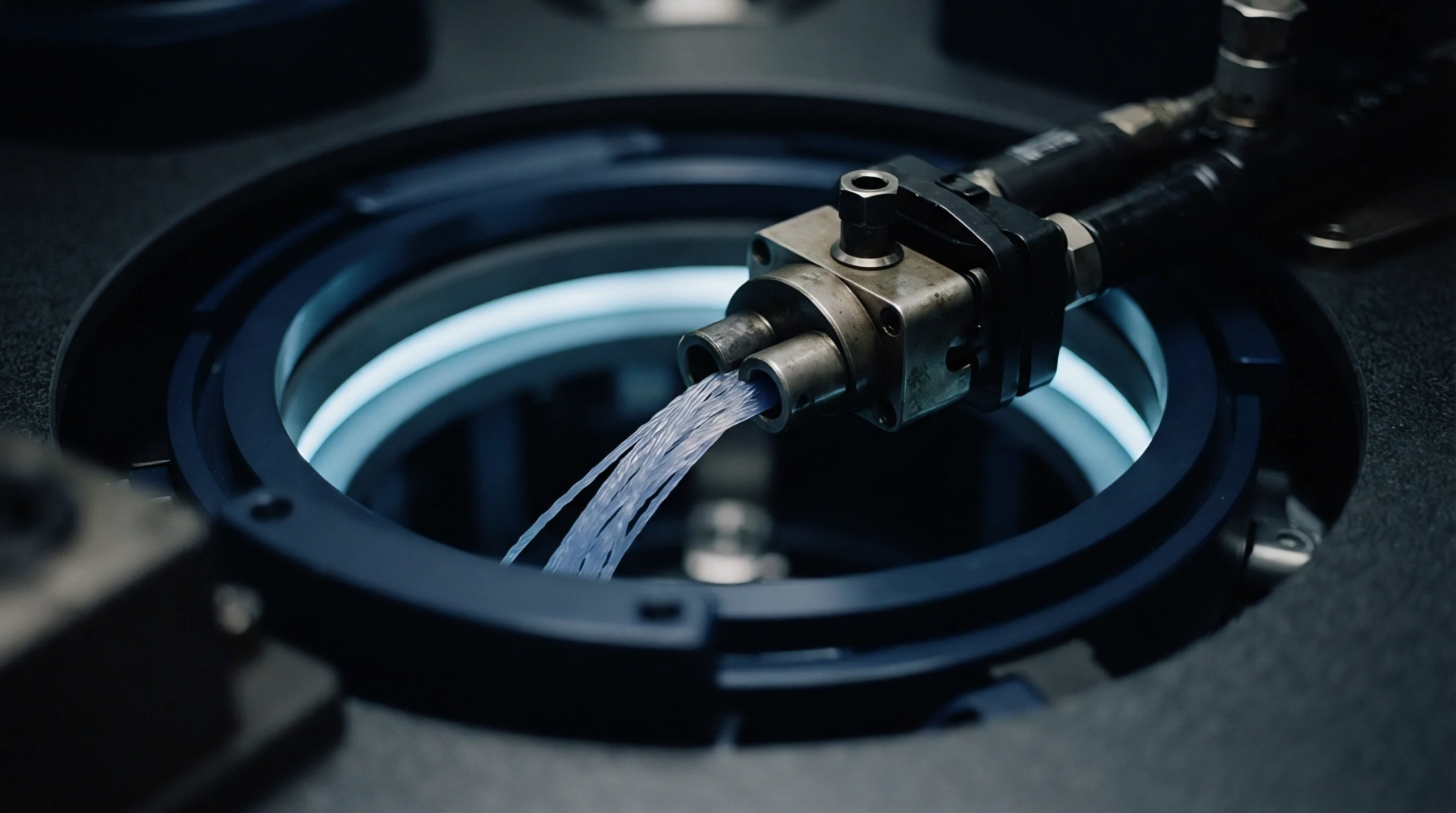
Twin-bore capillary testing at 1,000 to 10,000 s⁻¹ qualifies high-strain regrind by isolating entrance losses, true wall slip, and elastic die swell shifts.
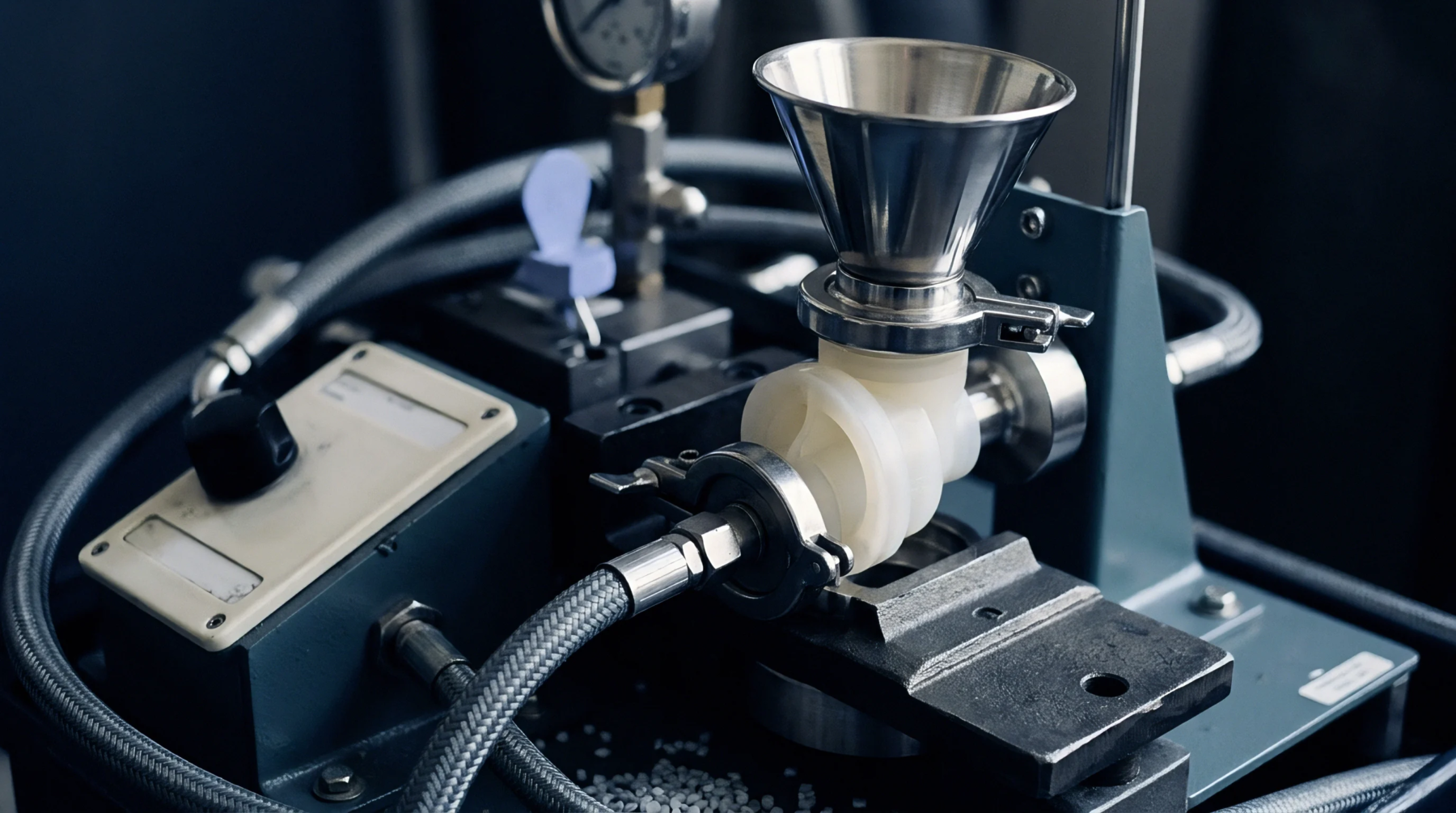
Melt flow rate thresholds for recycled polyolefin blends must be set using multi-load shear testing to bound contamination and prevent processing scrap.

Oxidation induction time testing at 200 °C establishes true additive depletion in recycled polypropylene before melt processing causes chain scission.
Expertise is a utility, not a secret. sentiention™ publishes its working knowledge as open reference: intelligence layer covering the materials it sources, the markets it enters, and the reference that serves both.