Infrared and Thermal Fingerprinting Protocols for Polyolefin Blends
Infrared and thermal fingerprinting verifies polyolefin blend composition, oxidation levels, and phase contamination to enforce supplier compliance and landed part cost.
Infrared and thermal fingerprinting verifies polyolefin blend composition, oxidation levels, and phase contamination to enforce supplier compliance and landed part cost.
Maintaining desiccant dryers at -40°C dew point prevents hydrolytic degradation, preserving melt viscosity and mechanical performance in hygroscopic polymers.

Establishing Trouton ratio floors via capillary extensional rheology prevents catastrophic web tear and parison sag in regrind polyolefin blends.
Zero-shear viscosity drops exponentially before MFR shifts, providing an early indicator of antioxidant depletion in recycled polypropylene.

Polyolefin degradation evaluation requires coupling multi-load melt flow testing and OIT analysis to quantify chain scission and restabilize flake lots.

Verify masterbatch ash content via ISO 3451 calcination at 600°C to protect duty lines, catch mineral substitution, and prevent process failures.

Masterbatch tariff classification depends on active payload function, carrier resin mass fractions, and legal chapter notes override rules.
Characterizing polymer chain scission in rPET lots requires pairing solution viscometry with end-group titration to quantify backbone loss and dryer failure.

Verifying recycled HDPE in multicavity tools requires capillary rheometry beyond standard melt index to map shear thinning and prevent cavity filling imbalance.
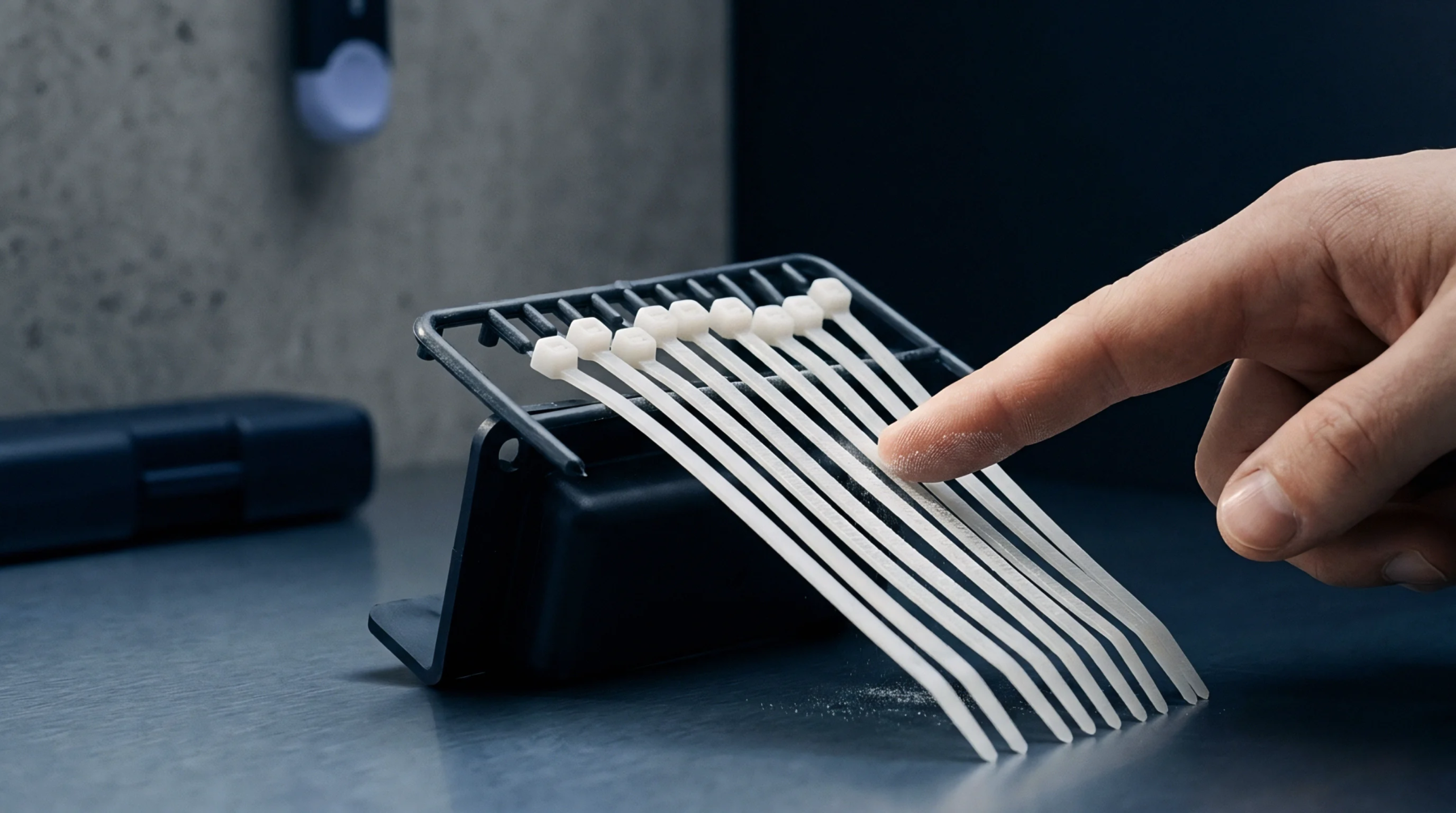
Sourcing thin-wall PP homopolymer demands qualifying melt flow rates above 60 g/10 min while auditing peroxide residues to protect mechanical impact.

High sealing pressure forces secondary amides into ordered interfacial crystal networks, preventing weak boundary layer formation and maintaining hot tack.
Low-frequency storage modulus and creep recovery accurately quantify ultra-high molecular weight tails in bimodal resins, ensuring stress crack resistance.
Zero-shear viscosity limitations prevent physical separation of hydrolyzed polymer fractions when short-chain plasticization and viscous fingering collapse flow differentials.

Polyethylene tariff entry requires density testing per ISO 1183-1 Method A on annealed plaques, where crossing 0.940 g/cm³ shifts classification from 3901.10 to 3901.20.

Heterophasic polypropylene copolymers with controlled rubber dispersion prevent brittle container shattering during sub-zero cold chain transport and drop impact.

Impact copolymers deliver superior notched and subzero impact resistance over homopolymers by incorporating a dispersed ethylene-propylene rubber phase.

Adaptive baseline subtraction routines isolate volatile contaminant peaks from matrix background noise, preventing costly false positive resin lot rejections.

Coulometric Karl Fischer titration paired with thermal desorption measures water down to 10 ppm while preventing matrix degradation in recycled polymers.

Coulometric Karl Fischer testing with oven desorption at 170 °C isolates true water content in rPET below 50 ppm, preventing costly IV degradation during melt processing.
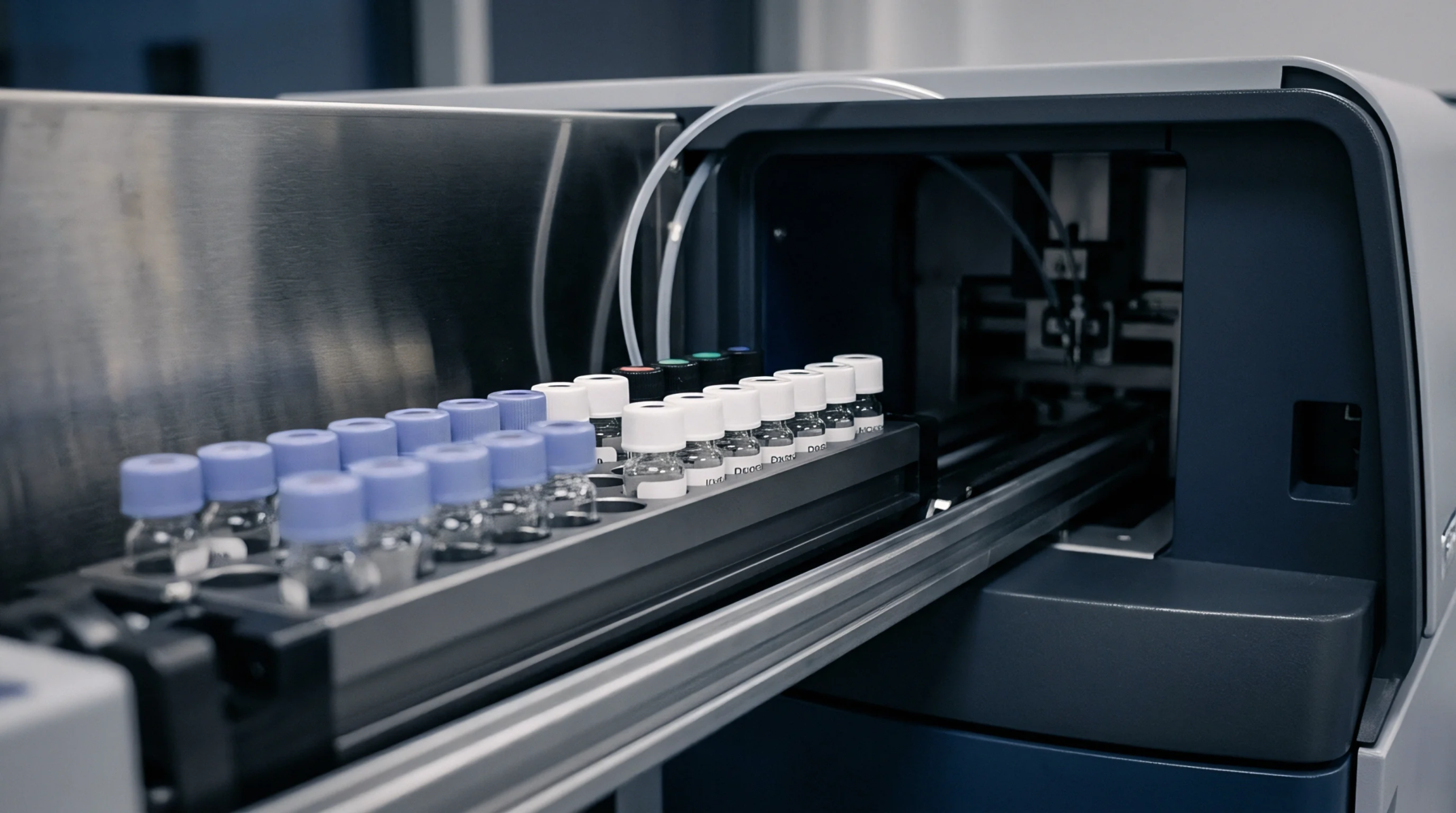
Solid-phase transesterification releases stoichiometric reaction water during vaporization coulometry, creating analytical bias that requires linear baseline deconvolution.

Dynamic rheological frequency sweeps detect ultra-high molecular weight tails in bimodal polyolefins where standard melt flow rates fail.
Capillary rheometry fails below 10% third-pass regrind because high shear rates mask molecular weight drop beneath equipment noise floors.
Detecting post-industrial additions relies on combining differential scanning calorimetry, high-shear viscosity sweeps, and oxidative induction testing on arrival.
ISO 1183 density testing determines customs tariff lines under Chapter 39; accurate classification demands exact fluid temperature control and plaque molding.
Polyethylene terephthalate ester bonds hydrolyze rapidly in melt above 270 °C, requiring drying below 30 ppm moisture to prevent intrinsic viscosity collapse.

Matching resin melt stability and wall thickness to regional waste facility residence times prevents unexpected landed part cost escalation.

Polypropylene impact copolymers containing disperse ethylene propylene rubber phases maintain cold drop impact strength down to minus 40 degrees Celsius where homopolymers shatter.

High-temperature non-aqueous volatile extraction and titration quantifies acidic degradation products in recycled polymers to prevent processing corrosion.
Non-aqueous volatile desorption kinetics in post-consumer polyester depend on flake thickness, Arrhenius diffusion limits, and sweep gas partial pressures.

Thermal desorption titration quantifies non-aqueous volatiles in rPET down to 2.5 ppm when cryogenic milling eliminates diffusion limits and baseline drift is corrected.
Expertise is a utility, not a secret. sentiention™ publishes its working knowledge as open reference: intelligence layer covering the materials it sources, the markets it enters, and the reference that serves both.