
Evaluating Melt Flow Rate Limitations in Recycled Polypropylene Testing
Single point melt flow index testing fails to predict recycled polypropylene processing behavior due to shear thinning and contaminant induced melt instability.
Single point melt flow index testing fails to predict recycled polypropylene processing behavior due to shear thinning and contaminant induced melt instability.

Thermal and oxidative degradation alters polyolefin flake viscosity and residual stability, demanding MFR, OIT, and Carbonyl Index verification before processing.

Maintain manifold shear rates below 300 s⁻¹ and specify 25-minute minimum OIT to prevent catastrophic molecular weight loss in recycled polyethylene extrusion.

High shear molding relies on pseudoplastic shear thinning, requiring capillary rheometry over melt flow index to control viscous heating and pressure losses.

Select high flow polypropylene homopolymers by balancing melt flow rate against impact loss, verifying narrow molecular weight distribution and peroxide residues.

Quantifying shear sensitivity in degraded polyamide reclaim via capillary rheometry prevents processing flash and eliminates hidden costs from MFR misreadings.

Intrinsic viscosity loss in PET processing is determined by measuring dilute solution flow time or capillary melt viscosity to quantify polymer chain cleavage.

Melt viscosity loss in bio-polyesters stems from moisture hydrolysis and shear; maintaining under 200 ppm moisture and tight processing thermal windows prevents severe scrap penalties.

Cross-border escrow releases for multi-cavity hot runner transfers must bind fund payouts to press-side scientific molding verification and DIN 16742 compliance.
Verify post-consumer resin lot conformity by combining core lance sampling, melt flow shear sweeps, and DSC purity screens before unloading silos.

Correcting capillary rheometry data via Bagley and Rabinowitsch protocols is mandatory to prevent up to 50 percent viscosity errors in bimodal HDPE die design.
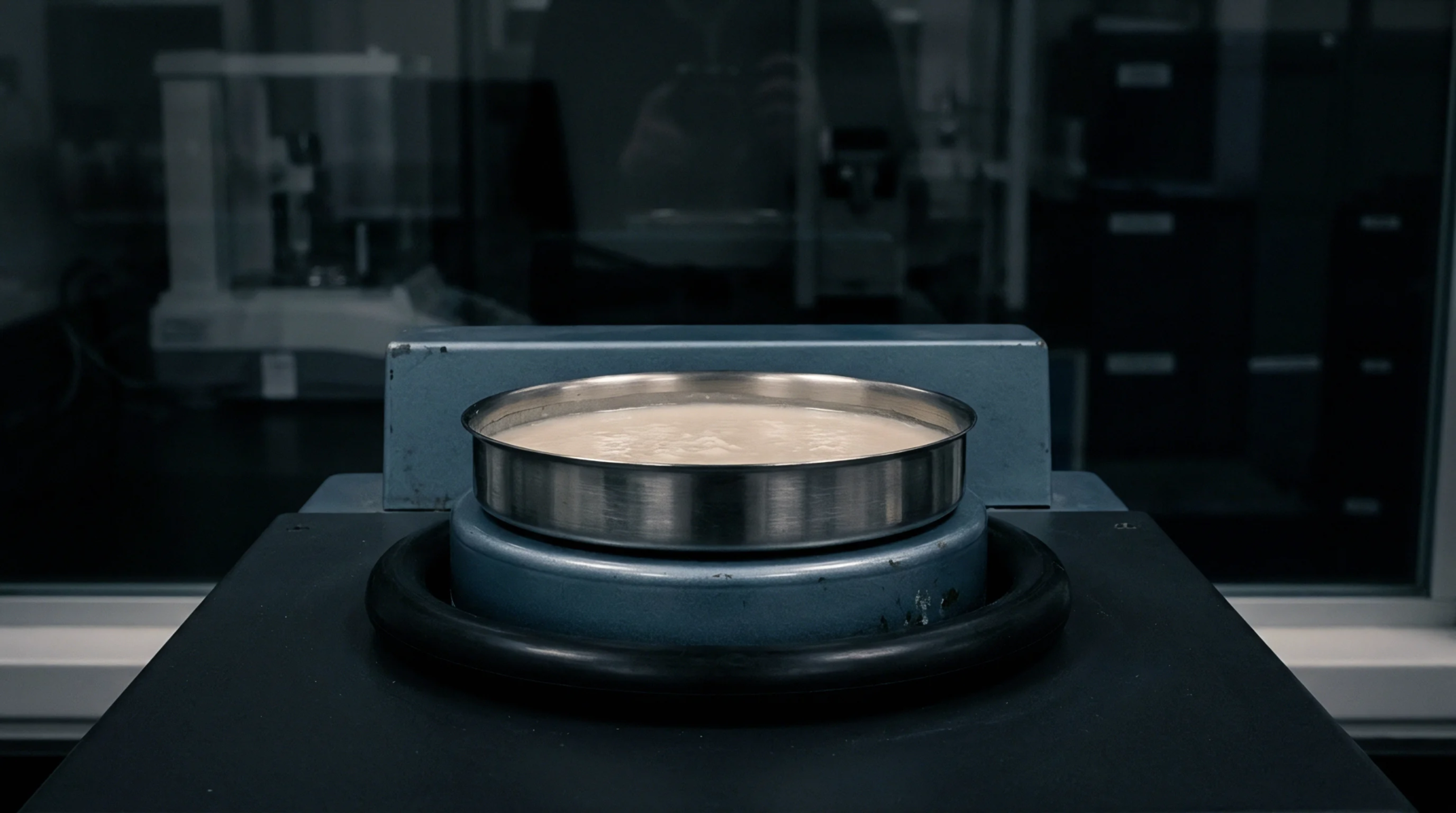
Dynamic low-frequency rheometry identifies thermal degradation in recycled polyolefins that single-point melt flow tests miss entirely.

House blending recycled resins causes melt viscosity drift and crosslinked gel contamination that disrupts mold filling and degrades part mechanical strength.

Incoming resin qualification mandates physical sampling, melt rheology auditing, and CoA validation to prevent off-spec polymer from entering production.

Melt flow rate fails to catch high-shear viscosity drift in dynamic feedstocks, requiring capillary rheology and inline pressure monitoring to control scrap.

Dynamic shear lowers thermal degradation thresholds in recycled polyolefins, demanding intake screening of residual stabilizer levels and dynamic viscosity.
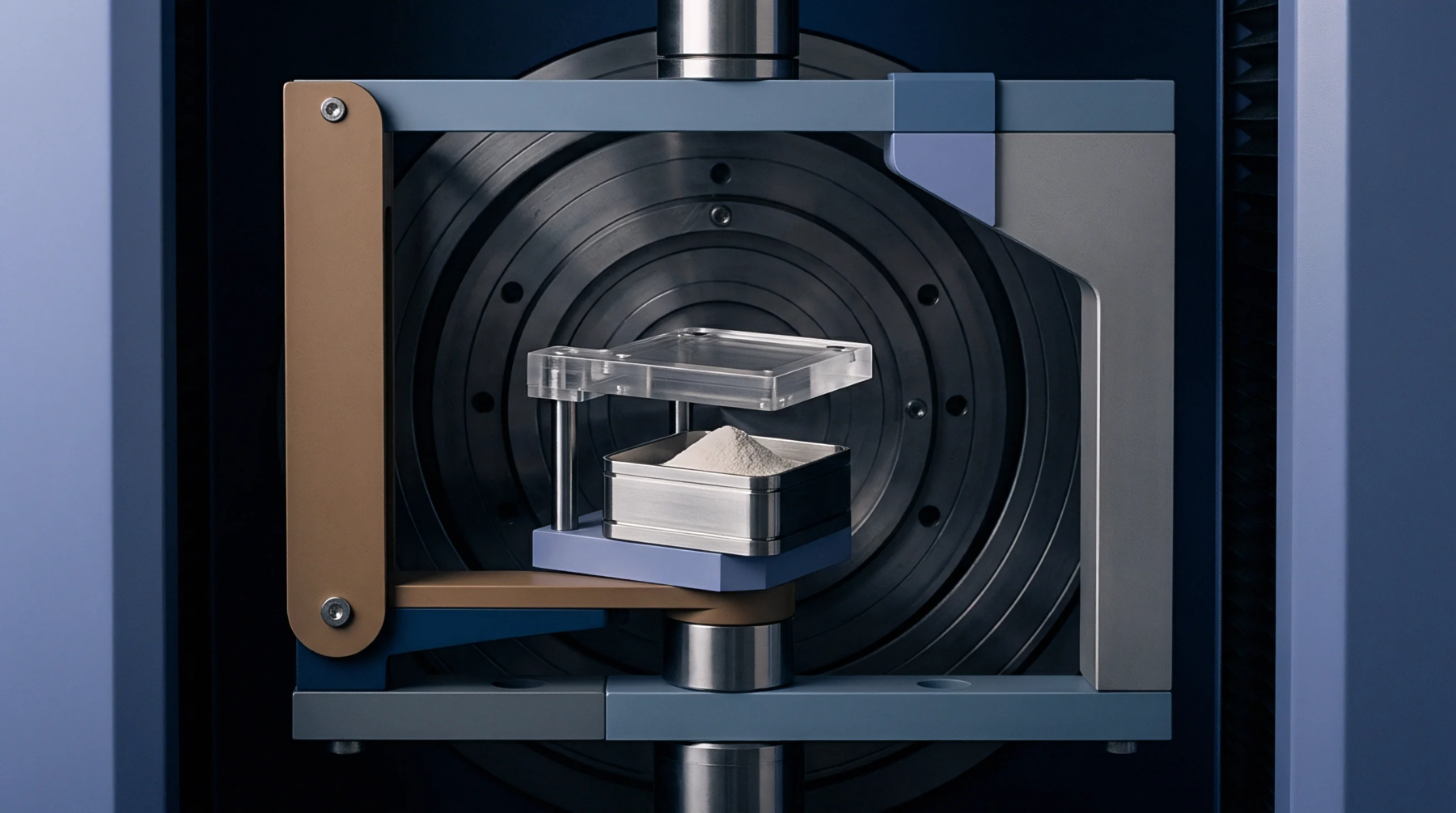
Calibrating high-shear capillary rheology via Bagley and Weissenberg-Rabinowitsch corrections prevents off-spec polyolefin lot processing failures.
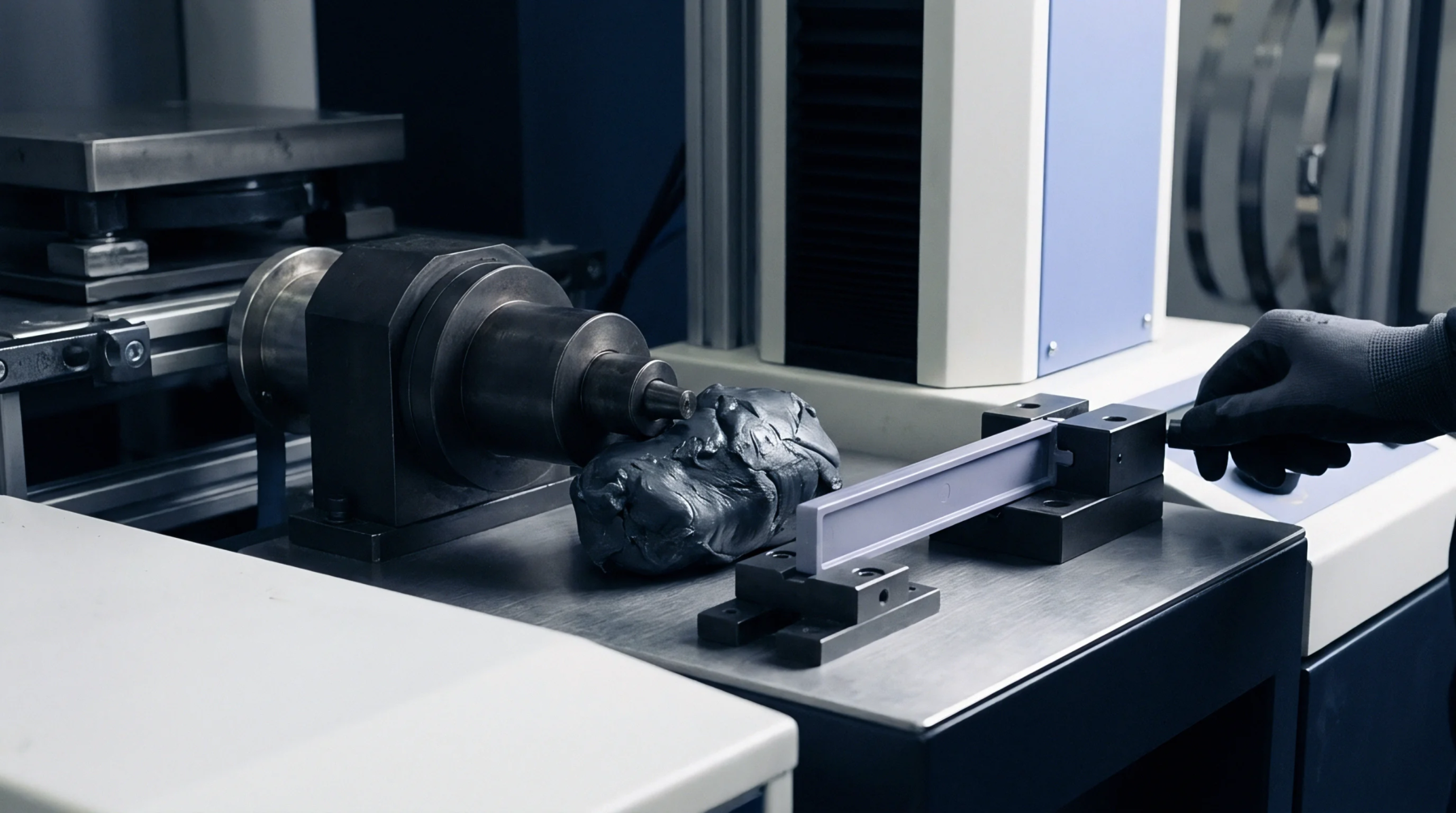
Bimodal HDPE shear thinning variations alter die swelling and sag resistance, forcing wall thickness adjustments and increasing landed pipe cost.

Verifying recycled HDPE in multicavity tools requires capillary rheometry beyond standard melt index to map shear thinning and prevent cavity filling imbalance.

Resolving rheological imbalance in high cavitation manifolds demands shear-decoupled runner geometry, active zone heating, and cavity pressure monitoring.

Low-frequency storage modulus and creep recovery accurately quantify ultra-high molecular weight tails in bimodal resins, ensuring stress crack resistance.
Zero-shear viscosity limitations prevent physical separation of hydrolyzed polymer fractions when short-chain plasticization and viscous fingering collapse flow differentials.

Dynamic rheological frequency sweeps detect ultra-high molecular weight tails in bimodal polyolefins where standard melt flow rates fail.

Capillary rheometry fails below 10% third-pass regrind because high shear rates mask molecular weight drop beneath equipment noise floors.

Melt flow index and density metrics must be verified together under exact standard loads to control polyolefin processability and field crack resistance.

Undeclared regrind degrades melt stability and impact strength; verify batch history using melt flow rate delta and oxidative induction time limits.

Determining commodity resin grades requires multi-point shear viscosity validation and strict Certificate of Analysis contract limits to secure part performance.

House blends sold under branded grade names alter molecular weight distribution and melt rheology, requiring lot-level shear, thermal, and impact testing.
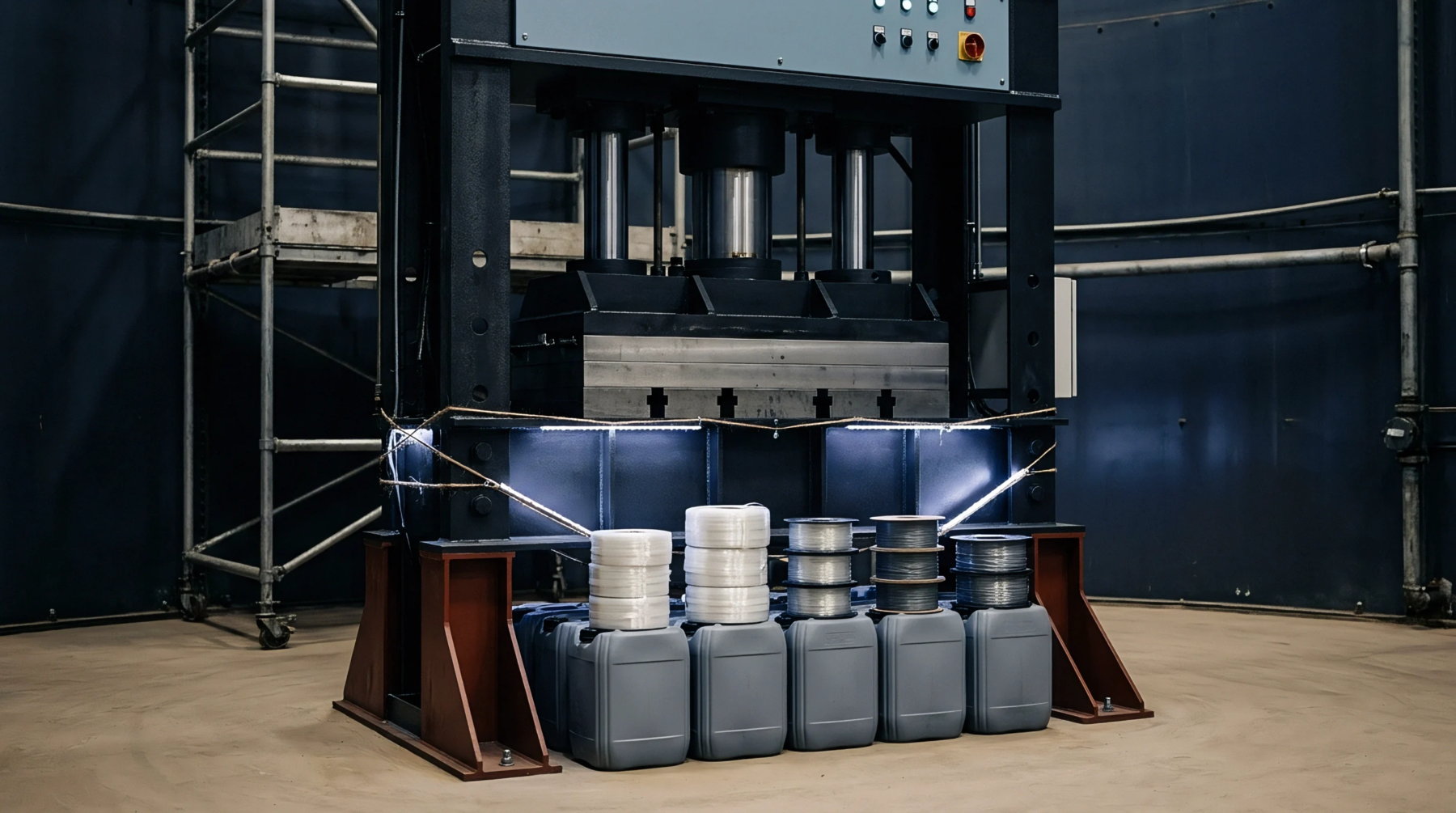
Polymer grade selection fixes mechanical properties, tool shrinkage, cycle time, compliance limits, and final landed part cost across production runs.

Amorphous sheet stretch dynamics depend on strain hardening and thermal saturation to prevent localized necking and corner blowout during deep thermoforming.
Expertise is a utility, not a secret. sentiention™ publishes its working knowledge as open reference: intelligence layer covering the materials it sources, the markets it enters, and the reference that serves both.