
Analytical Metrology and Restabilization Procedures for Post-Consumer Flake
Stabilizing post-consumer flake requires baseline infrared oxidation metrology paired with balanced phenolic-phosphite packages to prevent melt chain scission.
Stabilizing post-consumer flake requires baseline infrared oxidation metrology paired with balanced phenolic-phosphite packages to prevent melt chain scission.

Thermal and oxidative degradation alters polyolefin flake viscosity and residual stability, demanding MFR, OIT, and Carbonyl Index verification before processing.

Oxidative induction testing at 200 °C verifies post-consumer polyethylene stabilizer retention to prevent field embrittlement and control restabilization costs.

Polyolefin recyclate quality verification relies on multi-temperature melt flow testing, oxidation induction time, and continuous screen filtration tracking.
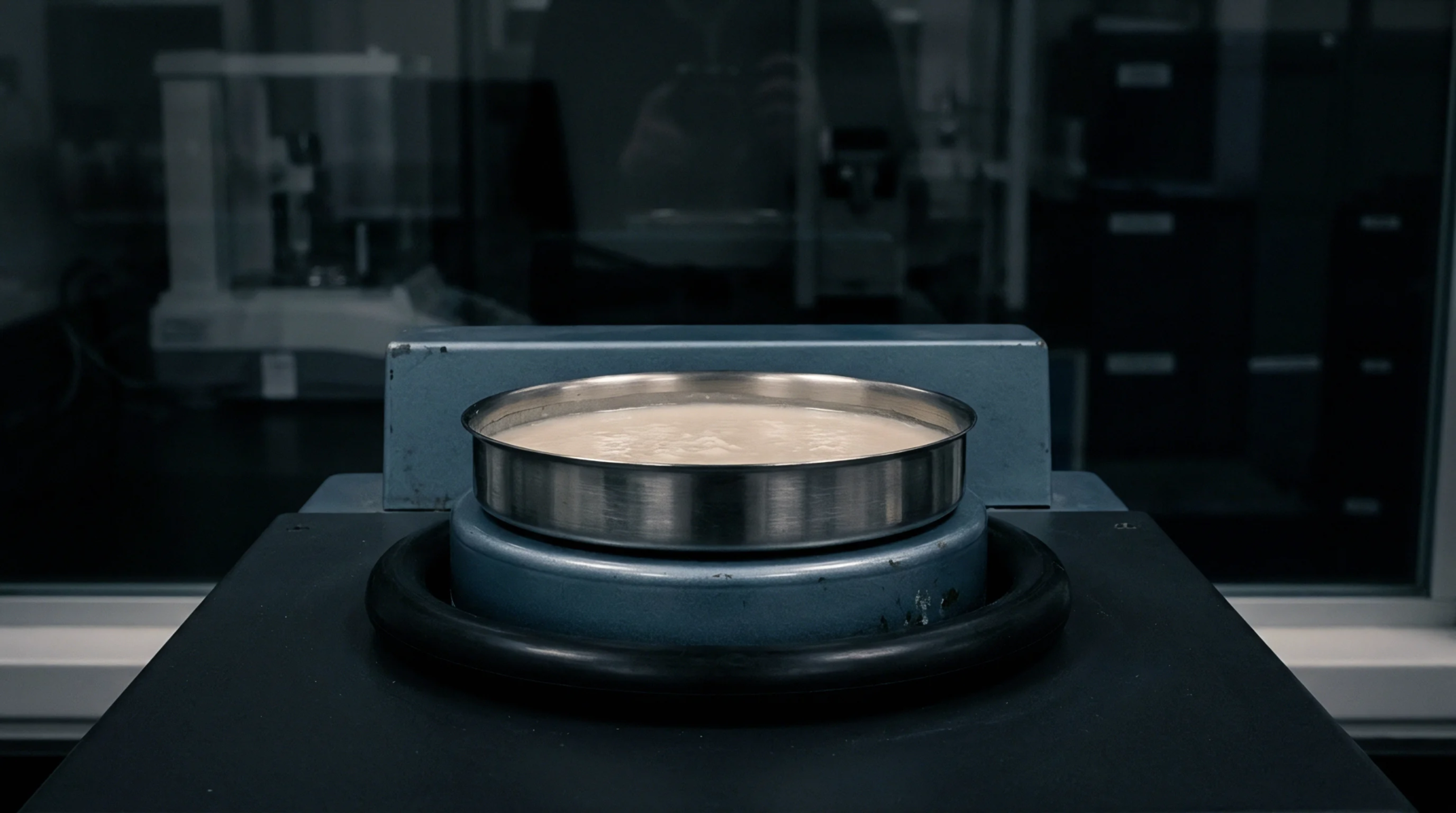
Dynamic low-frequency rheometry identifies thermal degradation in recycled polyolefins that single-point melt flow tests miss entirely.

Multi-party moisture disputes depend on ISO 15512 Method C baseline sampling at loading and container dew point tracking before silo transfer.

Dynamic shear lowers thermal degradation thresholds in recycled polyolefins, demanding intake screening of residual stabilizer levels and dynamic viscosity.

Deactivate metal catalysts and neutralize acid traces with targeted additives to stabilize viscosity drift and optimize landed cost per good recycled part.

Polyolefin degradation evaluation requires coupling multi-load melt flow testing and OIT analysis to quantify chain scission and restabilize flake lots.

Verifying recycled HDPE in multicavity tools requires capillary rheometry beyond standard melt index to map shear thinning and prevent cavity filling imbalance.

End of waste validation for secondary polyolefin compounding requires batch migration testing and accredited technical dossiers to convert scrap into compliant resin.
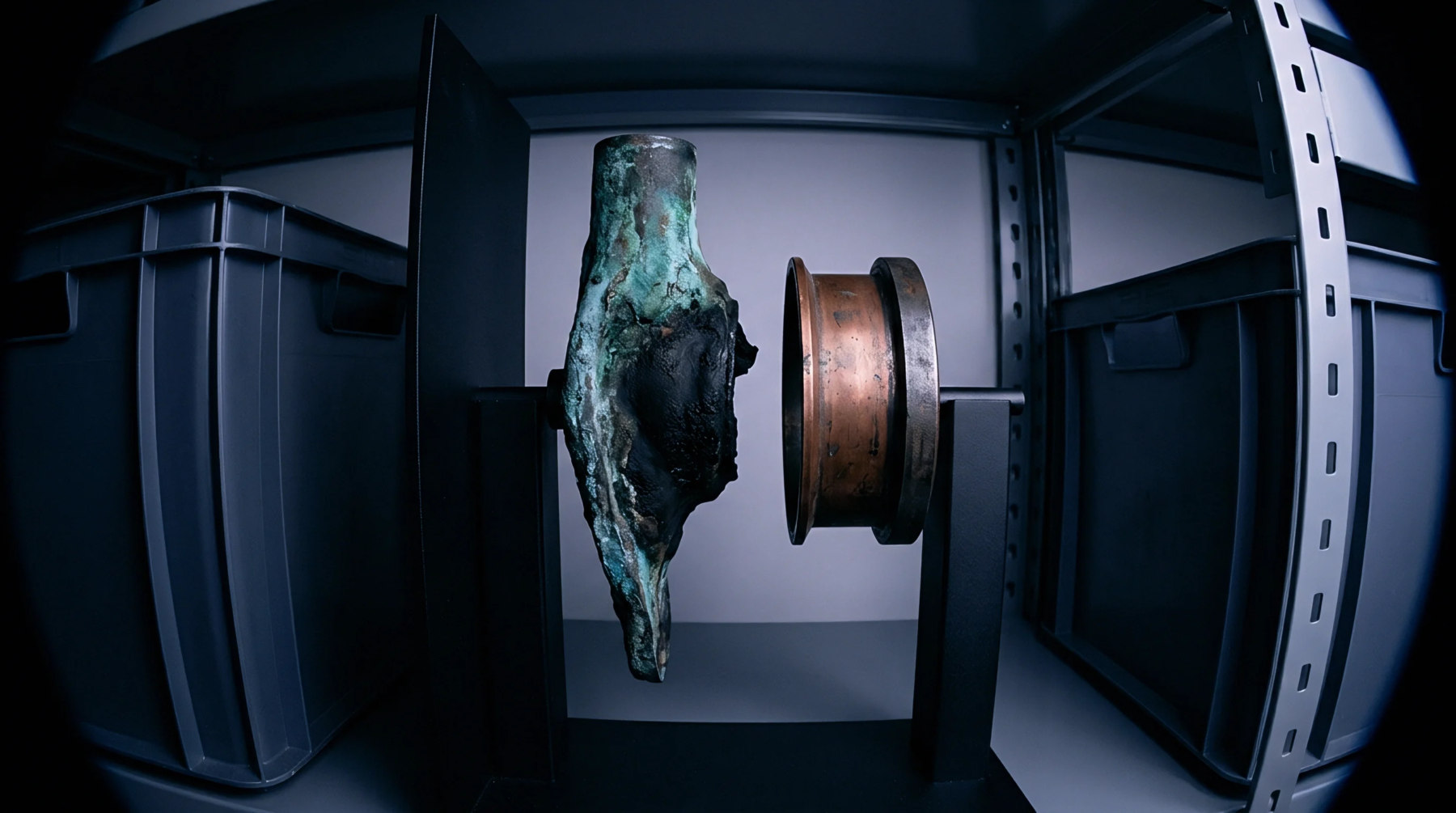
Optimal thermal oxidation stabilizer letdown ratios for post-consumer polyethylene balance melt shear degradation with active antioxidant dosing to minimize landed part cost.

Undeclared regrind degrades melt stability and impact strength; verify batch history using melt flow rate delta and oxidative induction time limits.

Tracking melt flow changes and oxidation time prevents part failure from degraded recycled polyolefin resins.
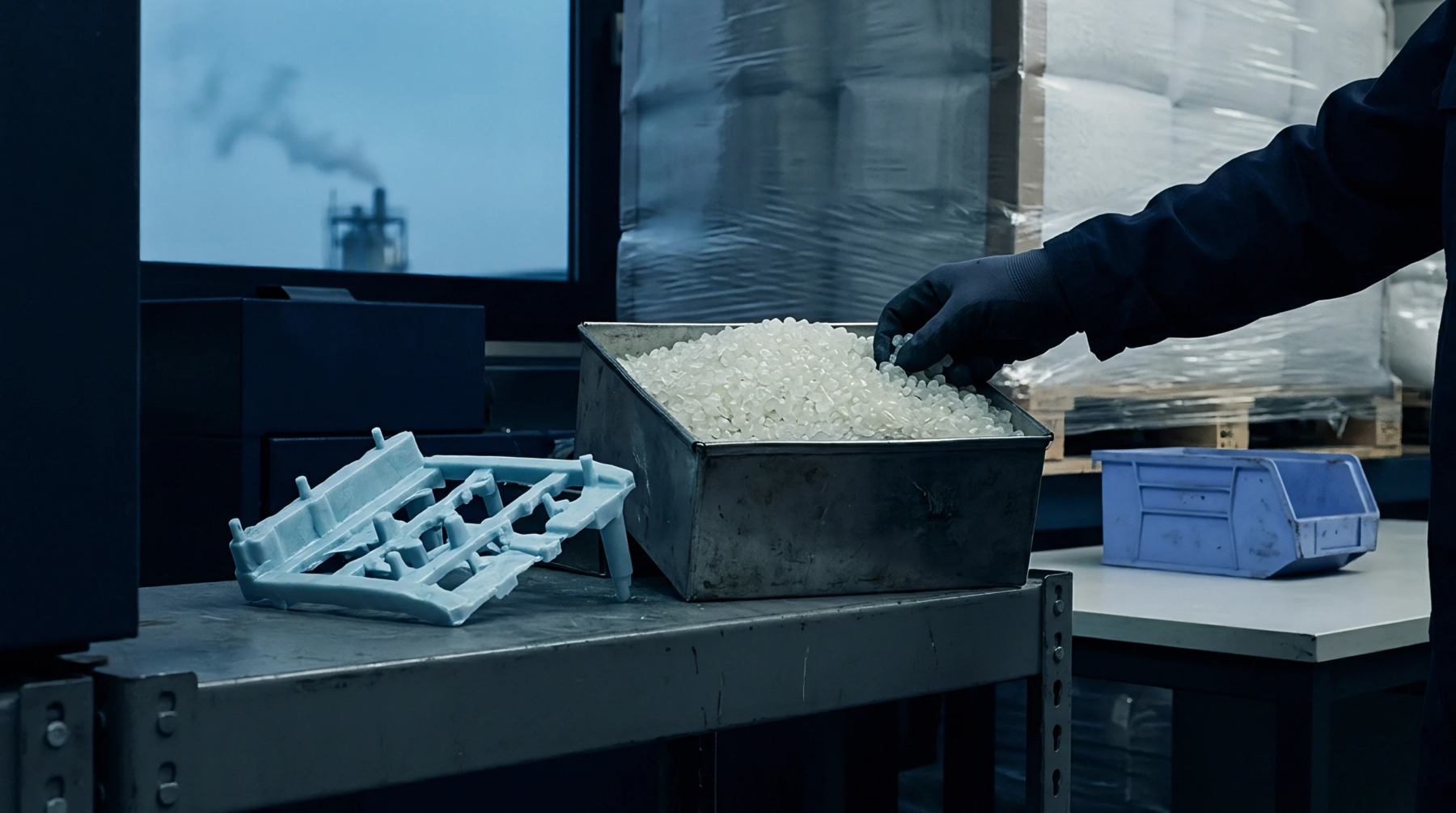
House blends sold under branded grade names alter molecular weight distribution and melt rheology, requiring lot-level shear, thermal, and impact testing.

Contract and spot naphtha spreads undermine fixed thirty-day resin quotes, requiring indexation formulas and dock MFR testing to prevent margin erosion.
Expertise is a utility, not a secret. sentiention™ publishes its working knowledge as open reference: intelligence layer covering the materials it sources, the markets it enters, and the reference that serves both.