Verifying Chemical Conversion Yield Deductions under ISO 22095 Standards
Chemical conversion yield deductions under ISO 22095 mandate subtracting process gas, char, and hydrotreating losses from input mass before awarding credits.

Stoichiometry
Thermodynamic Conversion Limits in Chemical Recycling
Mass balance accounting under ISO 22095 establishes operational rules for tracking material attributes through physical and chemical transformation steps. Chemical recycling pathways alter polymer backbones through thermal, catalytic, or solvolytic cleavage, generating distinct yield fractions that depart from mechanical recycling mass conservation models. A batch of post-consumer polyolefins entering a thermal pyrolysis reactor undergoes radical scission, yielding a complex distribution of gaseous light hydrocarbons, liquid pyrolysis oil, heavy waxes, and solid carbonaceous char.
Claiming mass balance credits across this system without isolating chemical yield factors creates inflated credit balances that collapse during third-party audit.
Quantifying chemical yield begins with defining reactor conversion boundaries. Thermal cracking of mixed polyethylene and polypropylene at 450 to 500 degrees Celsius produces an unrefined liquid fraction that contains alkanes, alkenes, and aromatics alongside non-condensable synthesis gas. Gaseous fractions consumed as process fuel inside the recycling plant do not qualify as chemical feedstocks for new polymer synthesis.
ISO 22095 Clause 6.2 restricts credit generation strictly to output streams destined for chemical conversion back into chemical products or materials.
When depolymerization processes like methanolysis or glycolysis act on polyethylene terephthalate, stoichiometric yields define the upper theoretical limit of monomer recovery. Glycolysis breaks ester links using ethylene glycol, yielding bis(2-hydroxyethyl) terephthalate. Stoichiometric calculations must incorporate the molar weight of the added glycol reagent when assessing input-to-output conversion ratios.
Adding reagent mass increases raw reactor discharge weight, but adding reagent weight does not translate into post-consumer recycled content credit. The mass balance model isolates the post-consumer fraction by multiplying gross yield by the exact mass fraction derived from verified waste polymer inputs.
ISO 22095 Clause 6.4 mandates that physical loss factors must be subtracted from input mass prior to credit allocation into rolling balances.

Yield Factors across Primary Technology Pathways
Reclaiming virgin-equivalent monomer purity demands substantial mass purification penalties. Heavy metals, brominated flame retardants, organic contaminants, and entrained moisture present in mixed plastic waste lower the true mass balance conversion yield. A primary chemical recycling plant must measure raw feedstock mass at dock receipt, subtract preliminary moisture and non-polymeric sorting rejects, and calculate mass balance credits using net chemical yield determinations derived from operating chemical mass balances.
- Thermal Pyrolysis Pathways convert mixed polyolefin feeds into liquid naphtha substitutes, where conversion yields range from 60 to 75 percent liquid hydrocarbons, 15 to 25 percent process gas, and 5 to 10 percent solid char depending on operating temperature and residence time.
- Solvolytic Dissolution Processes utilize selective solvent systems to dissolve target polymers such as polypropylene without breaking chemical bonds, achieving mass recovery rates between 85 and 92 percent while generating liquid waste streams loaded with dissolved additives and pigments.
- Enzymatic PET Depolymerization operates under mild aqueous conditions at 65 to 70 degrees Celsius, producing terephthalic acid and ethylene glycol with monomer yields exceeding 88 percent after filter-cake separation and solvent extraction steps.
- Gasification Systems crack mixed municipal plastic waste with steam and oxygen at temperatures above 1000 degrees Celsius to produce synthesis gas, yielding carbon monoxide and hydrogen building blocks where mass attribution requires tracking single-carbon chemical synthesis steps.
Refining raw pyrolysis oil into steam cracker feedstock imposes additional operational losses. Hydrotreating raw pyrolysis oil removes olefins, dienes, chlorine, and oxygenates that otherwise poison steam cracker catalysts. Catalytic hydrodeoxygenation and dechlorination generate water, hydrogen chloride gas, and light saturated hydrocarbons, reducing usable naphtha yield by 8 to 14 percent relative to raw oil input.
The final mass balance credit allocated to downstream resin production reflects the net usable naphtha yield delivered to the cracker inlet, rather than the raw liquid volume exiting the pyrolysis condenser.
Purchase contracts specifying mass-balanced chemical recycled resin specify exact yield adjustment factors directly in the quality specification annex.

Losses
Quantifying Process Gas, Flare, and Char Deductions
Industrial scale chemical conversion processes generate unrecoverable mass sinks that must be systematically deducted from chemical credit ledgers. Steam cracking crude pyrolysis oil generates a light gas fraction comprising methane, ethane, and ethylene, alongside heavier pyrolysis fuel oil. Thermal energy generation within the conversion facility frequently relies on combusting these light off-gases.
Under ISO 22095, any material fraction diverted to thermal energy generation or flared as waste loses its eligibility for material credit attribution.
Evaluating mass loss mechanics requires analyzing process mass balance flows across the boundary of the conversion unit. Solid carbonaceous residue, commonly designated as pyrolysis char, collects in reactor bottoms and filtration units. Char formation consumes between 4 and 12 percent of incoming polymer mass when processing contaminated agricultural films or post-consumer rigid packaging.
This solid residue contains inorganic fillers like calcium carbonate and titanium dioxide alongside fixed carbon. Because char leaves the industrial cycle as hazardous or solid waste destined for landfill or incineration, auditors mandate an immediate deduction of char mass from total inventory ledger credit balances.
Process energy drawn directly from chemical feedstock fractions forfeits downstream mass balance attribution rights.
Water generation represents a overlooked mass deduction in solvolysis and catalytic cracking operations. Poly condensation polymers containing moisture undergo hydrolysis at elevated processing temperatures, releasing water vapor into system vent condensers. PET depolymerization and polyurethanes solvolysis continuously produce liquid effluent streams contaminated with low-boiling organic species.
System balance calculations must isolate chemical water generation from incoming feedstock moisture to correctly deduct mass without double-counting physical dry-weight losses.
The table below outlines physical mass distribution and credit eligibility across standard industrial chemical conversion pathways operating under continuous mass balance verification.
| Conversion Process | Feedstock Input Type | Primary Chemical Yield (%) | Energy Gas / Flare Loss (%) | Solid Char / Residue (%) | Mass Balance Credit Status |
|---|---|---|---|---|---|

Purification Dewatering and Sludge Reductions
Raw feedstock washing and pre-treatment generate high-volume aqueous waste streams that carry dissolved organic carbon and suspended polymer microparticles. Mechanical dewatering of washing sludge removes moisture, but leaves a cake containing high concentrations of degraded polyolefins and adhesive residue. Facilities that fail to weigh and analyze wash sludge discharge inadvertently retain unrecoverable plastic mass on their internal balance sheets, inflating downstream material claims.
Chemical processing units operating distillation columns for monomer purification encounter distillation bottoms, often termed heavy ends or tars. These high-boiling residues contain oligomers, degraded additives, and heavy condensation products. In a methyl methacrylate depolymerization plant, distillation bottoms represent 3 to 7 percent of gross crude monomer discharge.
These tars are systematically incinerated for heat recovery or hazardous waste disposal. Verification procedures under ISO 22095 demand that mass balance balance sheets deduct distillation bottom mass before applying credit transfer ratios to target product outputs.
Failure to deduct process gas flare volumes and solid tar residues results in immediate revocation of mass balance certification during annual surveillance audits.

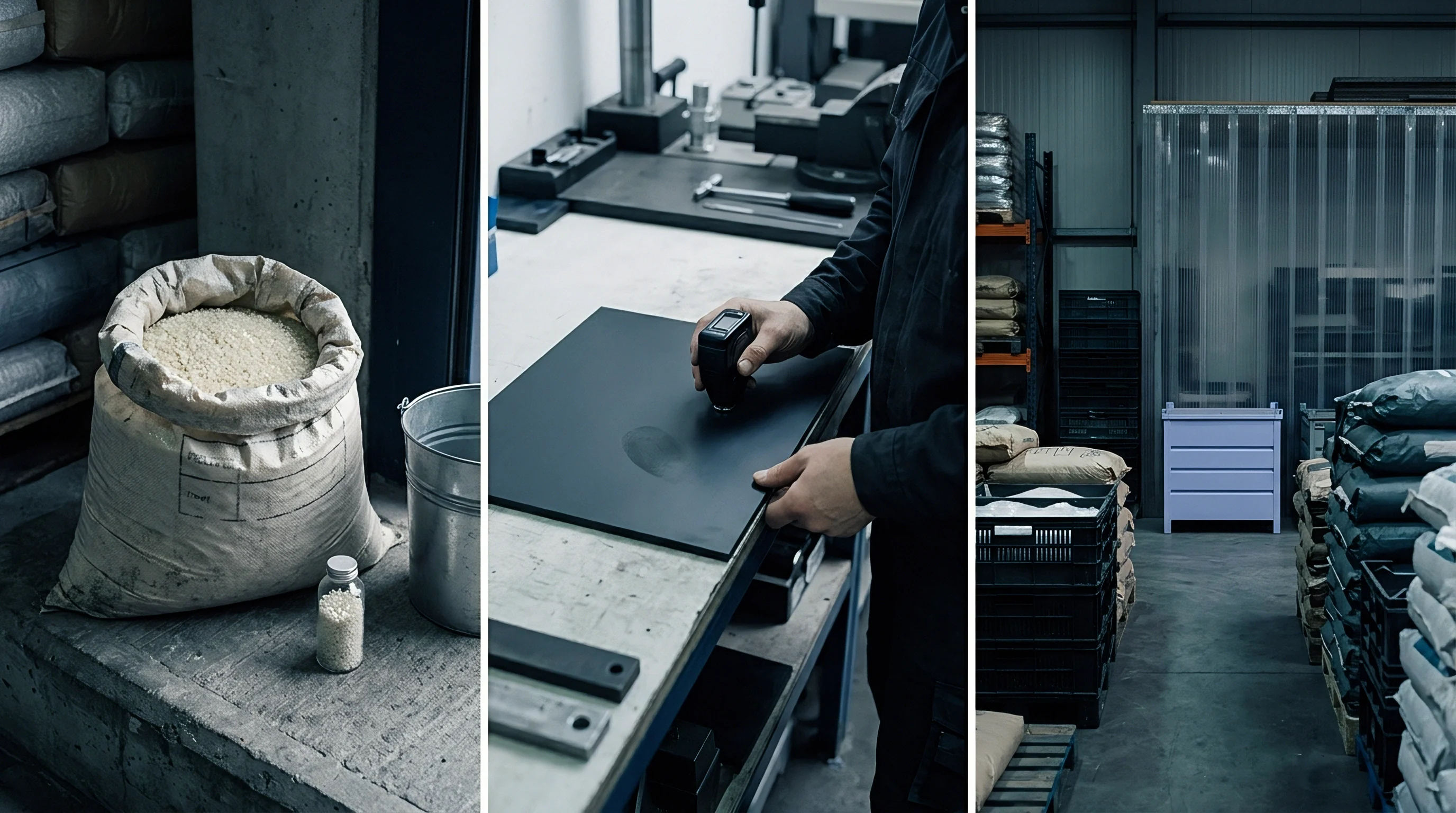
Credit

Mass Attribution Allocation Models under ISO 22095
ISO 22095 defines four distinct chain of custody models: physical segregation, controlled blending, mass balance, and book-and-claim. Within chemical recycling, mass balance is the primary mechanism applied when recycled chemical feedstocks co-mingle with fossil-derived feedstocks in continuous production assets like steam crackers or aromatic extraction units. Allocating physical attributes across co-processed output streams requires explicit mathematical attribution rules established prior to credit ledger accounting.
Proportional attribution assigns recycled credits strictly in proportion to the physical mass yield of each output product stream. If cracking pyrolysis oil yields 30 percent ethylene, 20 percent propylene, 15 percent benzene, and 35 percent fuel oil and heavy residues, proportional attribution permits allocating recycled credits across ethylene, propylene, and benzene according to their exact stoichiometric yield fractions. Fuel oil fractions receiving allocated credit forfeit that credit the moment the fuel is burned for process heat.
Free attribution, where permitted by specific regulatory jurisdictions, allows site managers to concentrate chemical credits onto a single output product stream regardless of actual chemical yield fractions. A site cracking pyrolysis oil could concentrate all mass credits onto ethylene to sell a batch of 100 percent mass-balanced polyethylene resin, leaving zero credit for propylene and aromatics streams. ISO 22095 Clause 6.5 requires complete documentation of allocation logic, preventing double counting of single input credits across multiple commercial product lines.
Pyrolysis of mixed polyolefins yields between 60 and 70 percent naphtha-cut oil when process temperatures are maintained at 450 degrees Celsius.
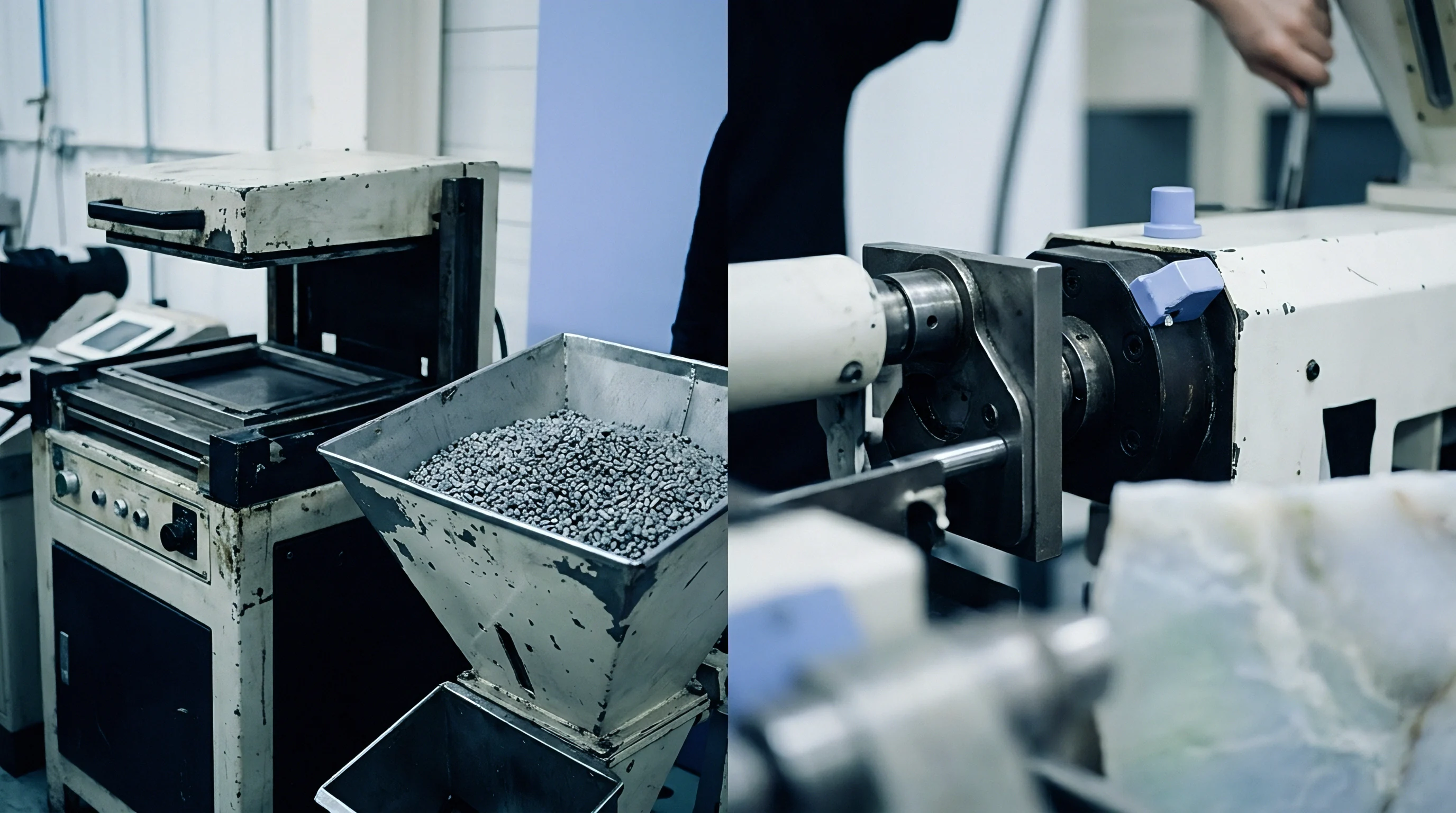
How Do Operational Losses Alter Mass Balance Credit Calculation?
Converting input waste mass into tradeable chemical credits requires executing a deterministic, multi-step calculation sequence. The procedure accounts for physical inventory movements, conversion yield factors, and energy loss deductions across defined operating periods.
- Determine total gross mass of post-consumer plastic waste received at the facility dock during the 30-day accounting window.
- Measure and deduct total non-polymeric contamination mass, including entrained moisture, dirt, metals, and rejected sorting fractions.
- Multiply net dry polymer feedstock mass by the laboratory-verified chemical yield factor for the specific processing technology.
- Subtract all non-material conversion mass losses, including process fuel off-gases, flared light hydrocarbons, distillation tars, and solid char.
- Apply the selected allocation model to distribute net available chemical credits across eligible output monomer or polymer product lines.
- Record the final credited mass in the facility balance ledger, deducting credits immediately upon commercial shipment under a certified declaration of conformity.
Rolling balance rules under ISO 22095 govern credit validity timelines. Credits generated during a production cycle must be matched against outgoing product sales within a defined inventory rolling window, typically capped at twelve months. Expired credits must be written off the ledger and cannot be retroactively applied to future manufacturing lots.
Suppliers claiming that process gas flare losses are automatically absorbed into plant overhead efficiency figures are attempting to conceal structural conversion yield deficits.


Discrepancy

Auditing Conversion Yield Deviations
Verifying conversion claims demands establishing baseline mass balance balances anchored by physical measurement rather than theoretical process simulation. Verification auditors compare empirical mass measurements from weigh scales, inline Coriolis flow meters, and gas chromatographs against supplier balance ledgers. Discrepancies between declared mass balance credits and actual physical yields routinely arise when suppliers rely on static historical design yields rather than dynamic batch yields.
Feedstock quality fluctuations induce severe yield variance in continuous chemical conversion reactors. A shift in mixed plastic waste composition from 80 percent polyethylene down to 55 percent polyethylene, accompanied by an increase in polyvinyl chloride contamination, drastically depresses liquid oil conversion yields while elevating char and corrosive acid gas generation. Operating a pyrolysis plant under varying feedstock quality alters real-time liquid yield by up to 18 percent.
If the facility continues generating mass balance credits using historical design yield values, the credit ledger becomes unbacked by physical reality, generating unverified credit balances.
The table below provides a diagnostic evaluation matrix for identifying and correcting common yield allocation discrepancies during verification audits.
| Discrepancy Indicator | Root Chemical/Physical Cause | Observed Variance Range | Mandatory Audit Adjustment |
|---|---|---|---|

Failure Modes in Co-Processing Steam Crackers
Co-processing pyrolysis oil alongside conventional fossil naphtha inside industrial steam crackers presents profound verification challenges. Hydrocarbon feeds merge prior to radiant coil furnace inlet headers, making physical tracking of individual carbon atoms impossible. Compliance auditors must verify that the steam cracker mass balance model applies precise cracking severity yields corresponding to the specific chemical composition of the bio-based or recycled oil fraction.
Cracking highly paraffinic pyrolysis oil yields a different olefin product distribution than cracking conventional petroleum naphtha rich in naphthenes and aromatics. Applying generic fossil naphtha cracking yield factors to pyrolysis oil inputs yields inaccurate monomer credit allocations. Verification protocols require operating companies to perform periodic pilot-scale cracking trials or validated kinetic modeling to prove the specific conversion yield profiles of alternative feedstocks under actual furnace operating conditions.
Auditors encountering discrepancies exceeding 2 percent between total plant mass intake and total product output must freeze credit issuing until physical mass balance equilibrium is re-established.
What specific laboratory analytical methods validate the post-consumer carbon fraction in mixed output streams?


Attestation
Building the Verification File
Placing mass-balanced chemically recycled polymers on the market requires establishing a robust chain of custody verification file that withstands regulatory scrutiny. Downstream brand owners and packaging converters purchasing recycled resin bear legal exposure under national packaging waste directives and recycled content mandate rules. A superficial declaration certificate issued by an unaccredited vendor offers zero protection during regulatory compliance audits.
A compliant verification file under ISO 22095 contains primary physical documentation linking feedstock collection to final resin delivery. The file must include dated weighbridge tickets, mass flow meter calibration logs, analytical GC-MS characterization reports of raw oil, conversion yield balance ledgers, and third-party audit certificates issued by accredited certification bodies under standards like ISCC PLUS or REDcert2.
Every commercial invoice carrying a mass balance claim must state the exact certificate identification number, the specific chain of custody model applied, and the net mass of credited recycled content transferred with that specific shipment. Disconnects between invoice credit statements and ledger balance deductions indicate systemic record-keeping failure.
When verified conversion data demonstrates that yield deductions were calculated incorrectly, the entire material credit balance issued during that operating window must be formally cancelled across the supply chain.