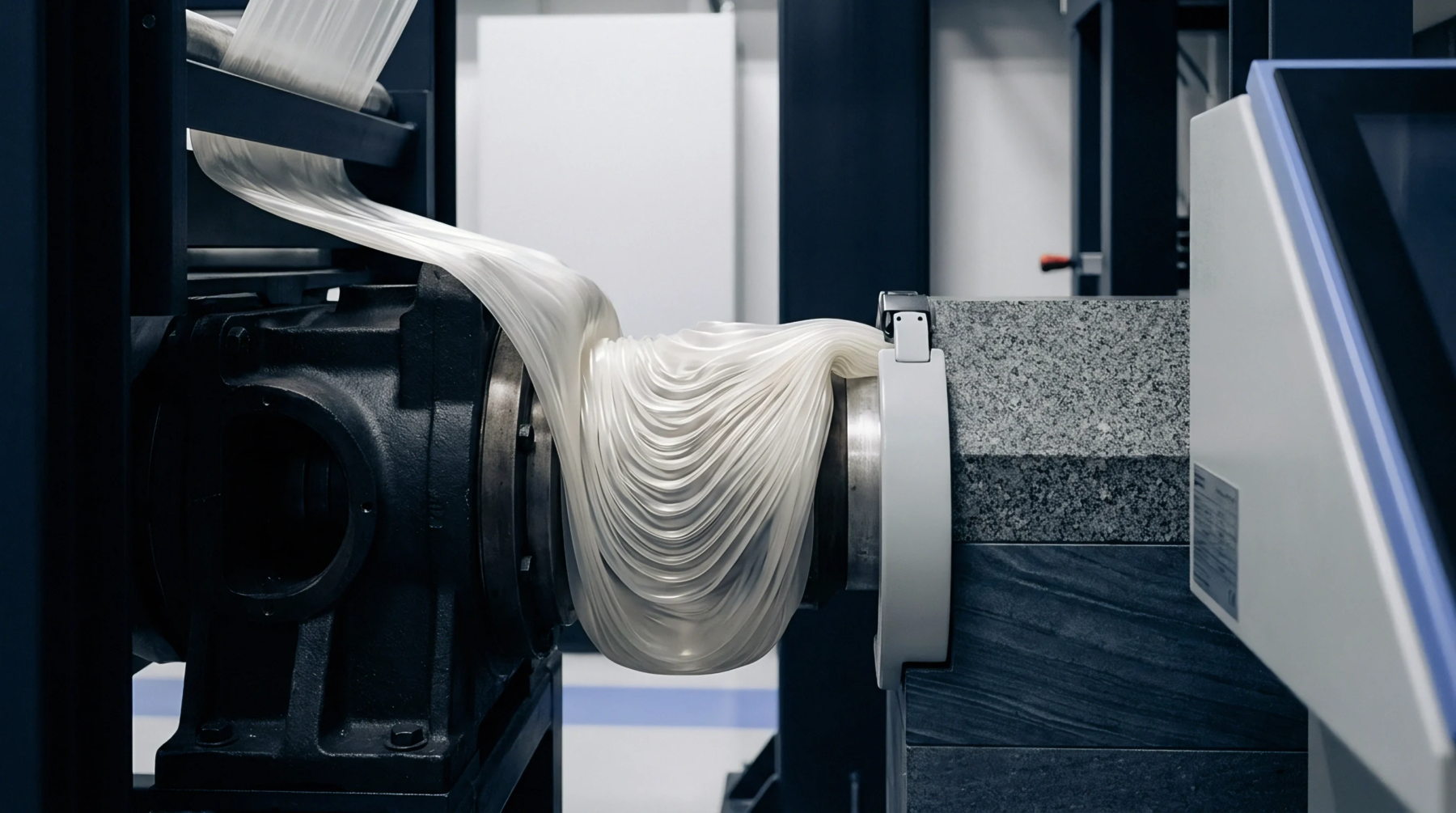
Evaluating Melt Flow Rate Limitations in Recycled Polypropylene Testing
Single point melt flow index testing fails to predict recycled polypropylene processing behavior due to shear thinning and contaminant induced melt instability.

Single point melt flow index testing fails to predict recycled polypropylene processing behavior due to shear thinning and contaminant induced melt instability.

Dynamic shear rheology and oxidative induction testing quantify gel growth and additive depletion in recycled polyolefins to prevent process failures.
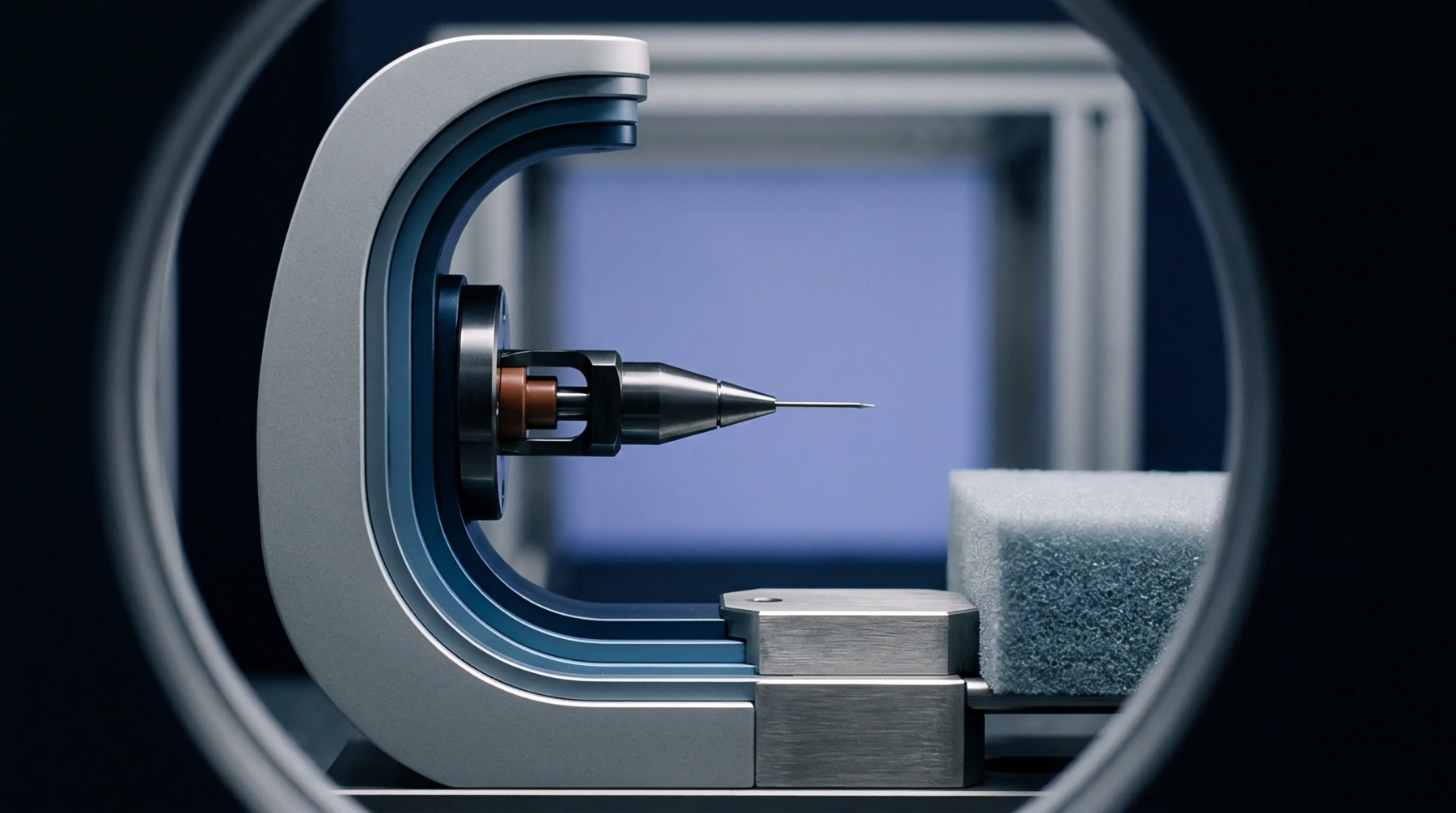
Stabilizing post-consumer flake requires baseline infrared oxidation metrology paired with balanced phenolic-phosphite packages to prevent melt chain scission.

Thermal and oxidative degradation alters polyolefin flake viscosity and residual stability, demanding MFR, OIT, and Carbonyl Index verification before processing.
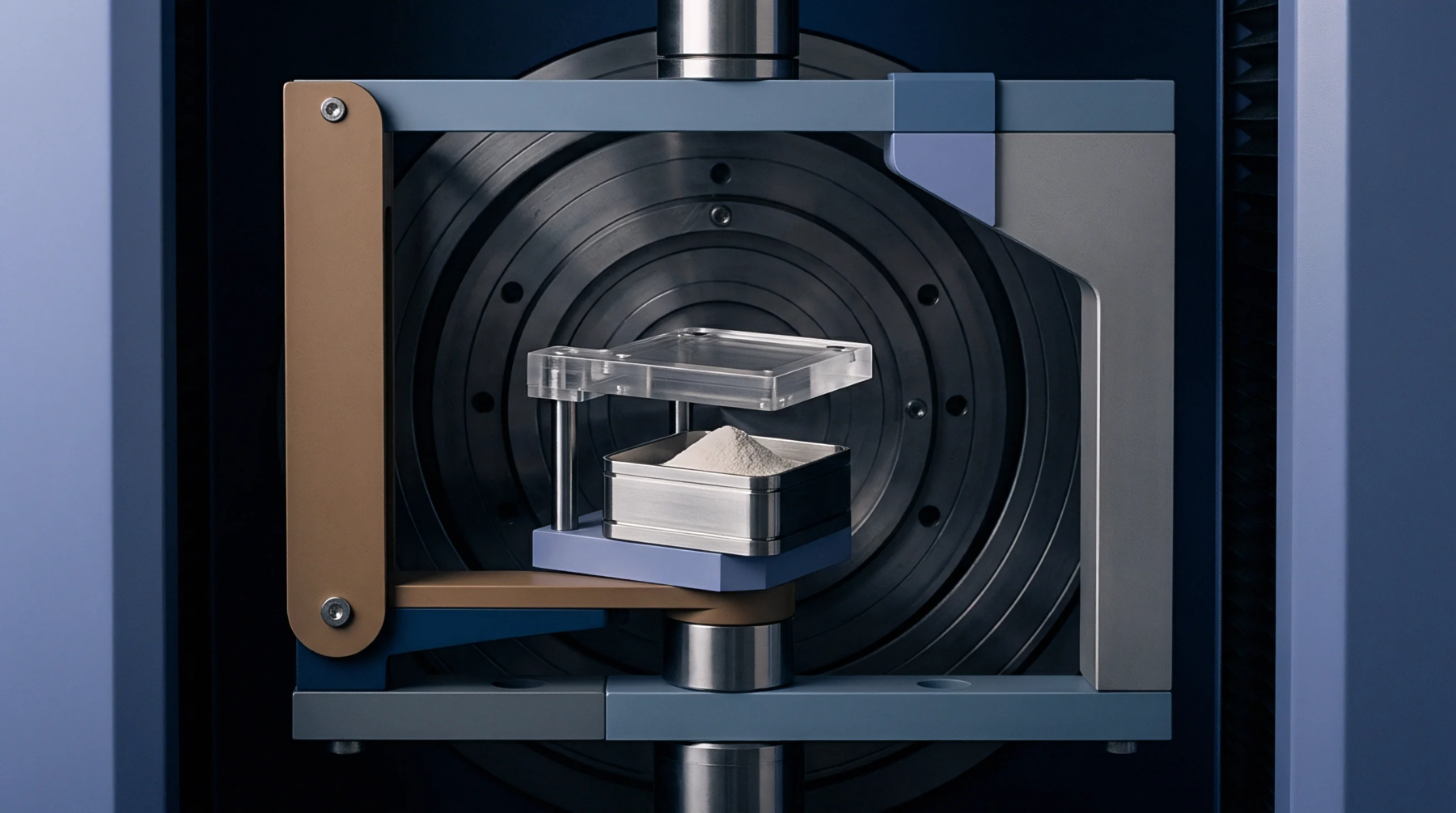
Fused bead XRF customs disputes resolve by pre-ashing polymer carriers at 550 C, normalizing for mineral volatile loss, and matching flux-to-sample dilution ratios.
Expertise is a utility, not a secret. sentiention™ publishes its working knowledge as open reference: intelligence layer covering the materials it sources, the markets it enters, and the reference that serves both.