
In Situ Optical Surface Profilometry for Narrow Injection Mold Cavities
In situ optical profilometry resolves sub-micron cavity wear in narrow tool ribs using fiber-coupled chromatic sensors sealed behind purged sapphire windows.
In situ optical profilometry resolves sub-micron cavity wear in narrow tool ribs using fiber-coupled chromatic sensors sealed behind purged sapphire windows.
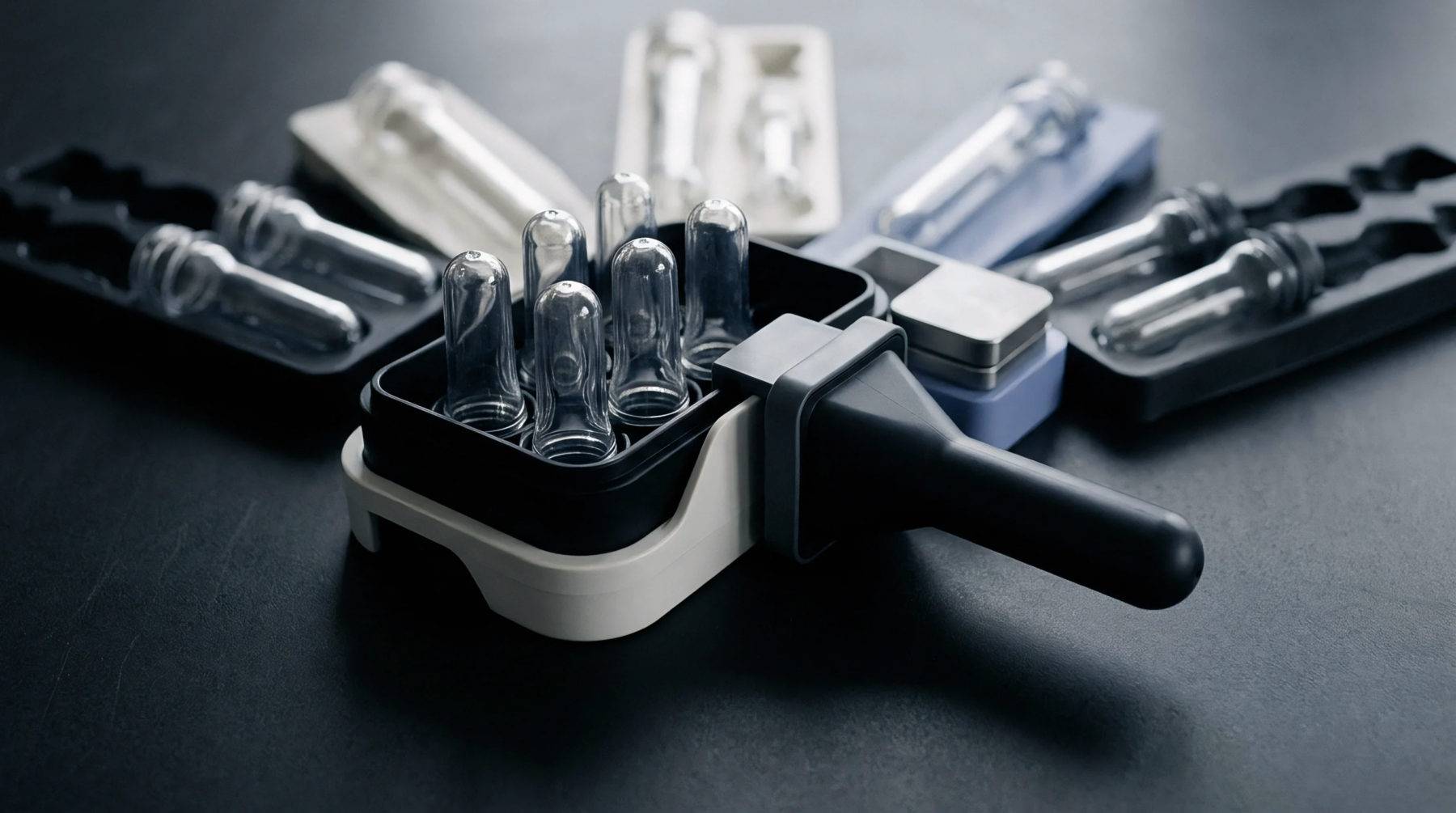
Optimal cavitation balances machine hourly rates, clamp tonnage, and shot capacity against thermal cooling limits and cross-cavity dimensional distribution.

Recutting tool steel establishes a stable process window that lowers long-term scrap costs and cycle times compared to forced parameter tuning.

Dynamic sensor drift in high-temperature tooling stems from insulation drop and thermal charge loss; manage via matched crystals, cabling, and reset timing.
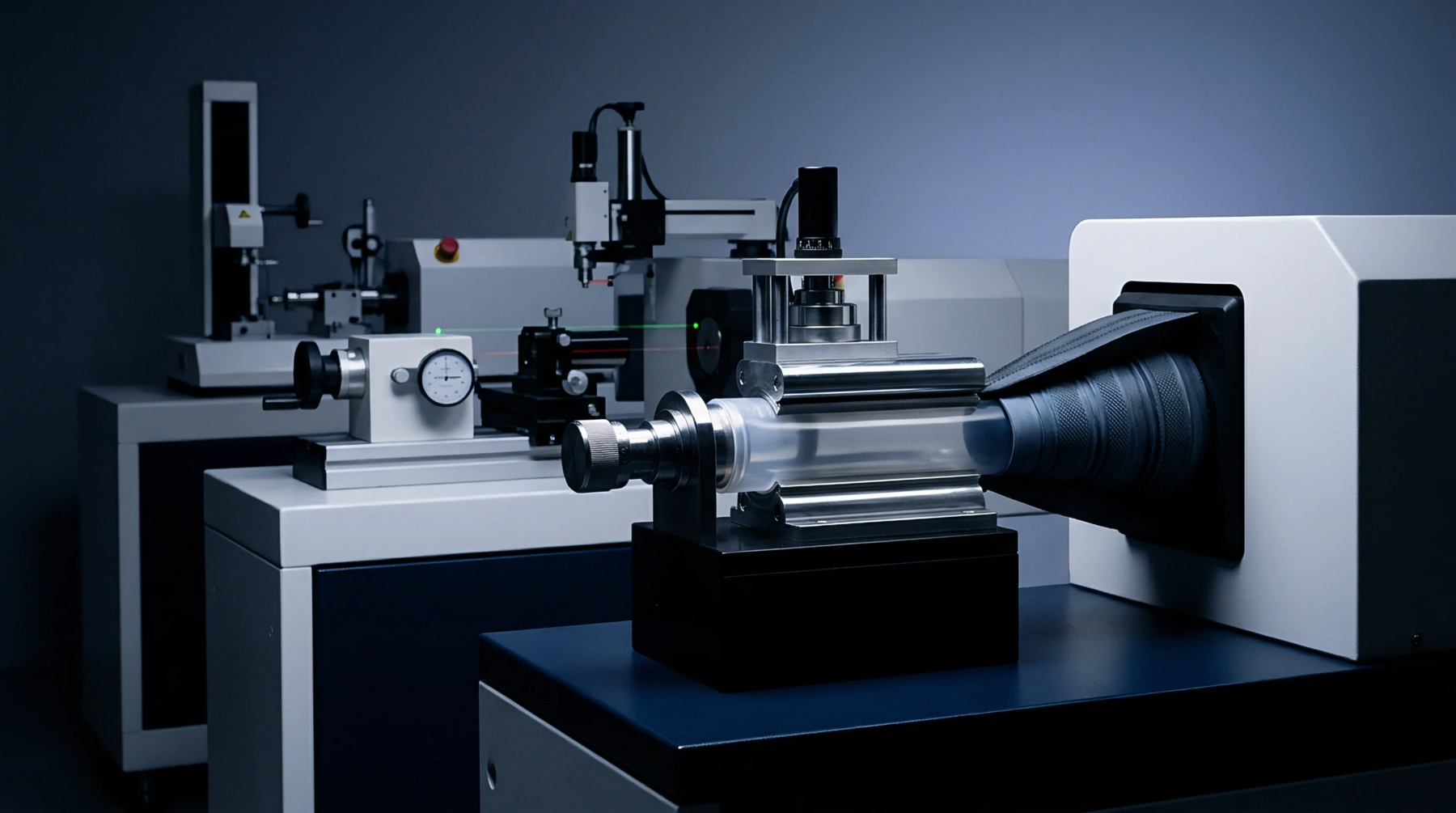
Controlled steel modifications require process window locking, metal-safe geometry audits, and metallurgical stress relief before qualified production release.
Selecting areal surface texture filter cutoffs under ISO 25178 matches transmission bandwidth to moulding replication limits, preventing false tooling rejects.
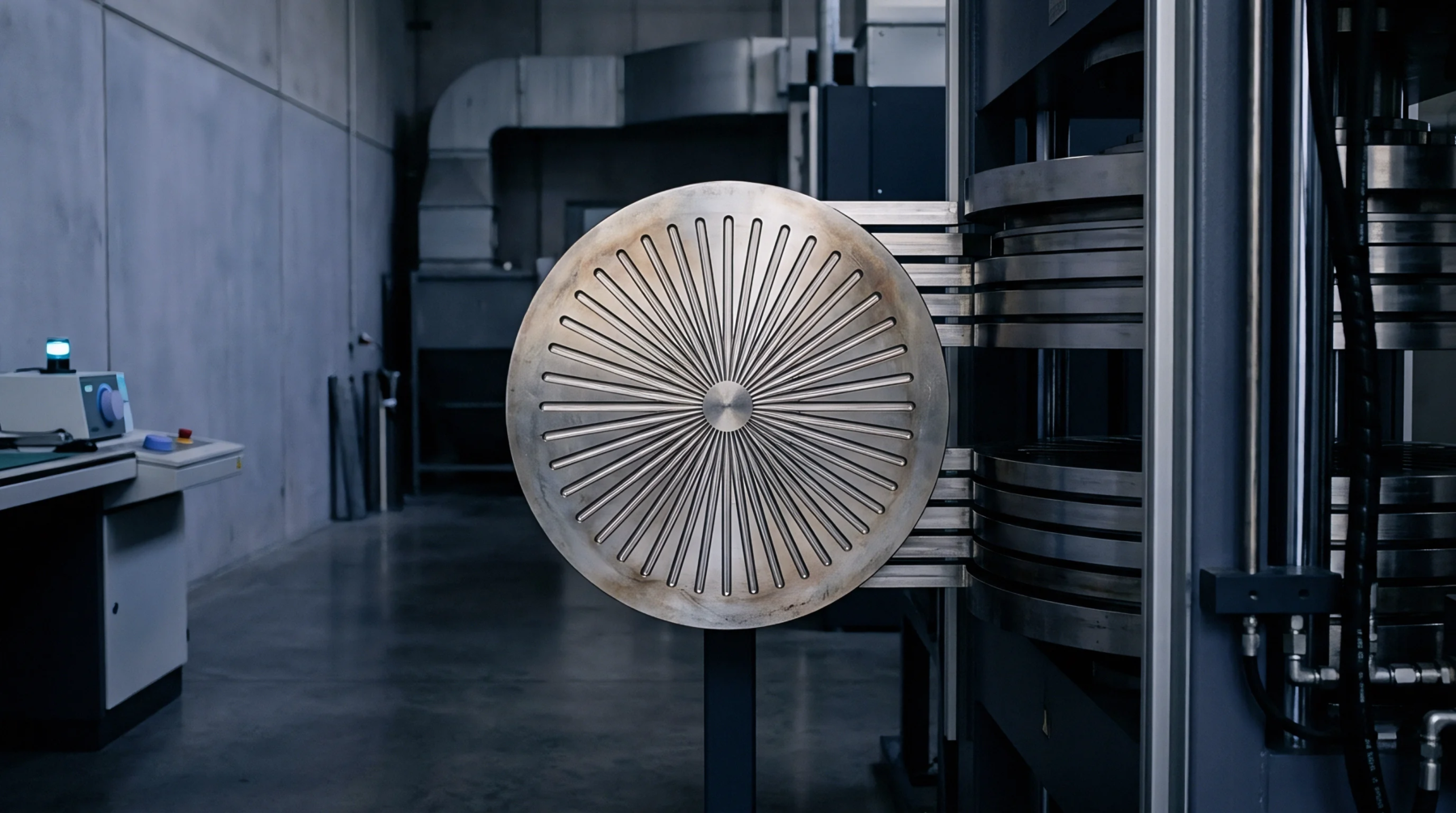
Precision cavity pressure sensor selection demands matching load path dynamics with piezoelectric drift limits and verified in-situ dynamic calibration routines.

Volumetric areal parameters predict gate wear before profile roughness detects steel loss, preventing tool failure in glass-filled polymer injection molding.

Packing pressure forces molten polymer into micro-surface roughness features, increasing thermal contact conductance up to ten-fold until solidification gap detachment occurs.

Match tool steel hardness and chemistry directly to committed shot counts and resin abrasiveness to prevent premature cavity failure and tooling cost overruns.
Wireless cavity pressure arrays quantify real-time rheological imbalance in multi-cavity molds to optimize tool steel tuning and eliminate scrap.
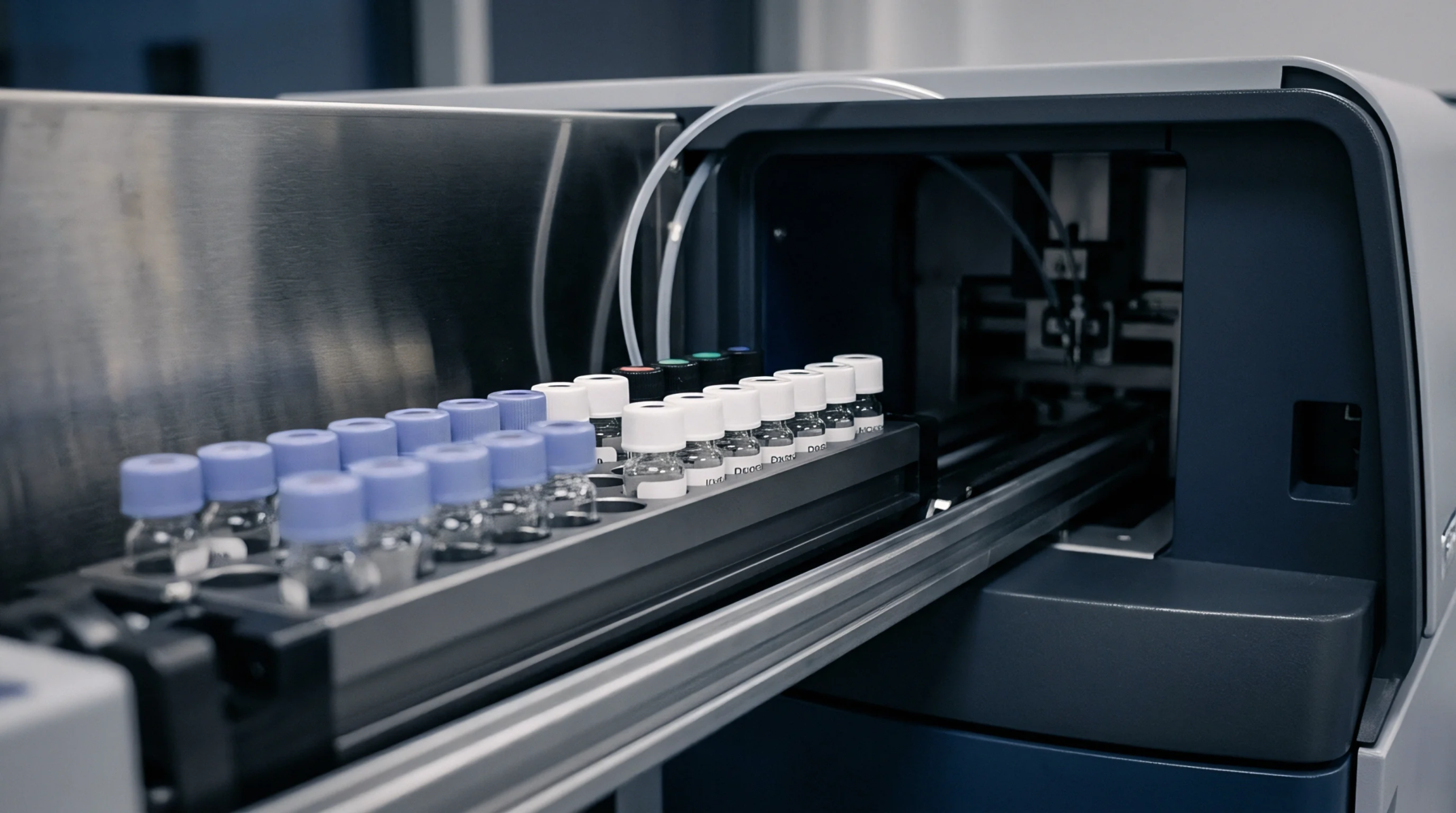
Managing tool steel modifications during qualification requires steel-safe initial tolerances, controlled additive or subtractive machining, and CAD-matched logging.

Cavity pressure directly controls polyamide crystallization and volumetric shrink, requiring precise transducer monitoring to hold DIN 16742 tolerances.

Synchronized micro-cavity sensor arrays eliminate undetected fill imbalances and reduce scrap in micro-moulding tools by replacing complex wire harnesses with RF slot waveguides.

Predictive thermal resistance modeling balances multi-cavity heat extraction across textured tool inserts to hold tight DIN 16742 tolerances.

Statistical process control tracking of parting line wear prevents mold shutoff hobbing and reduces plastic part flash scrap.
Expertise is a utility, not a secret. sentiention™ publishes its working knowledge as open reference: intelligence layer covering the materials it sources, the markets it enters, and the reference that serves both.