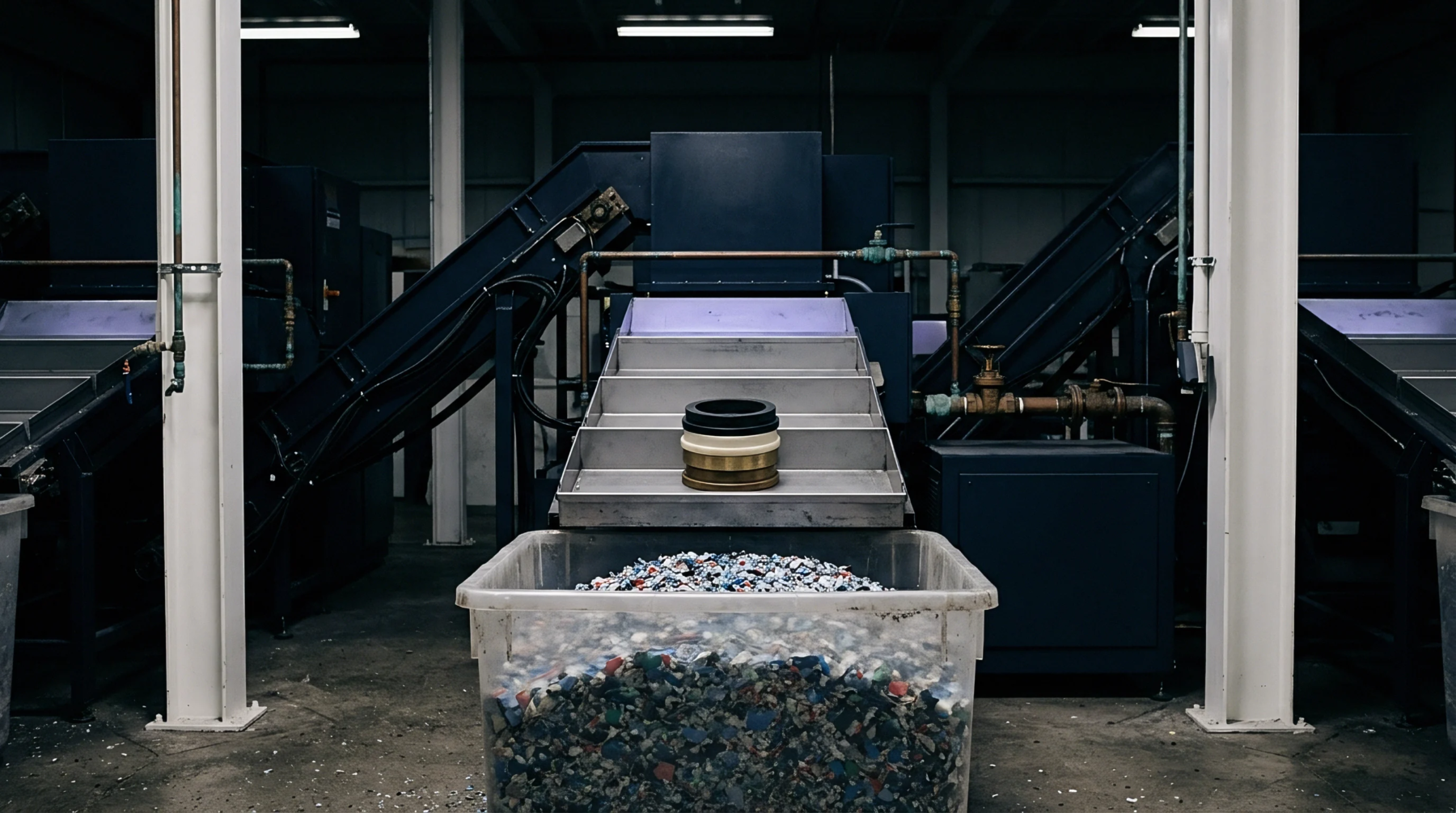
Surrogate Chemical Selection Rules for Post Consumer Polyolefin Decontamination Testing
Surrogate selection for polyolefin challenge testing requires five distinct volatility and polarity classes to validate core matrix decontamination.
Surrogate selection for polyolefin challenge testing requires five distinct volatility and polarity classes to validate core matrix decontamination.

Polypropylene impact copolymers for frozen containers balance rubber content and viscosity matching to prevent cold brittle failure at minus twenty degrees.
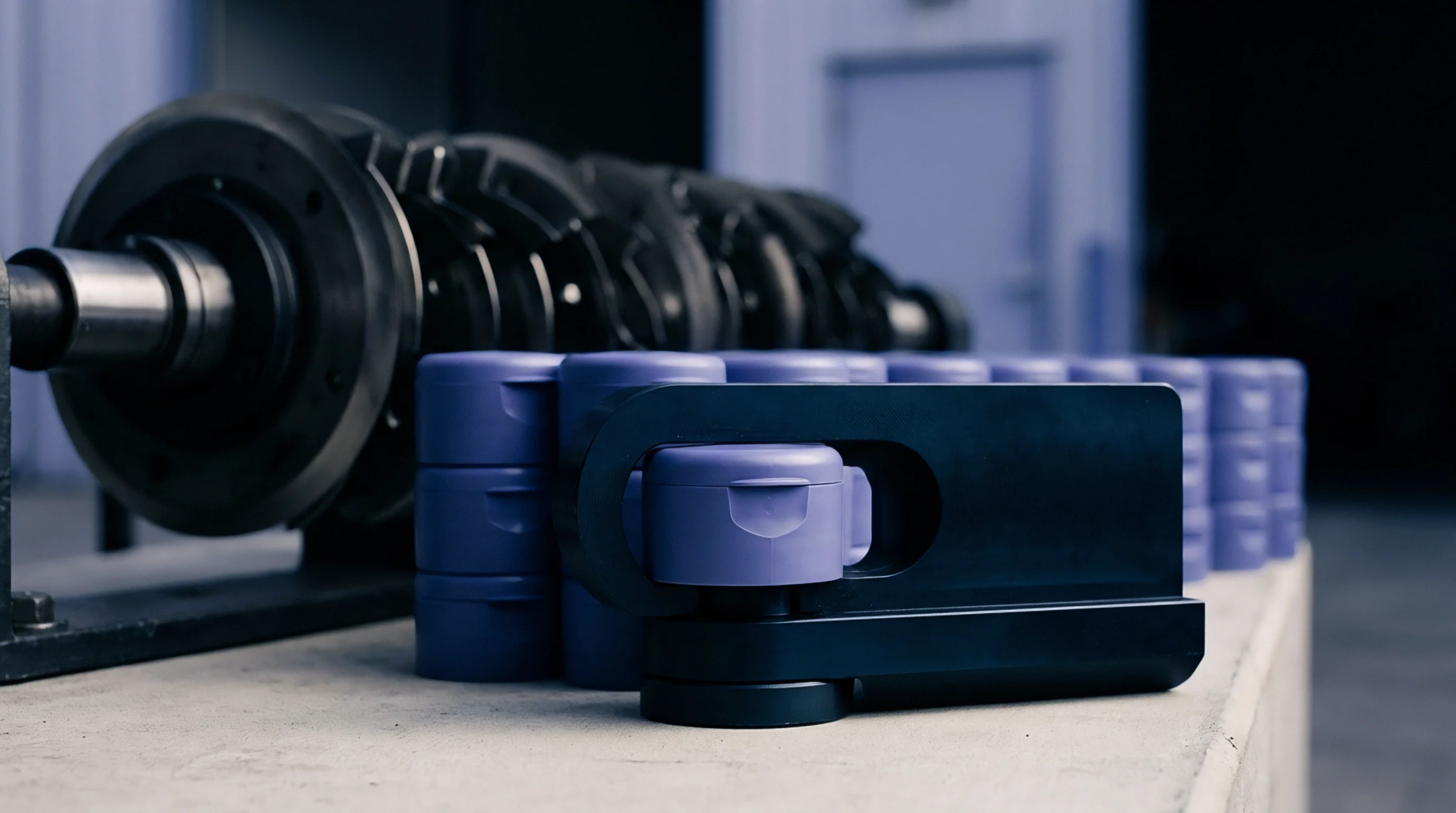
Quantifying ethylene rubber dispersion boundaries via DSC and microphase analysis prevents impact failure and controls scrap rates in heterophasic polypropylene.
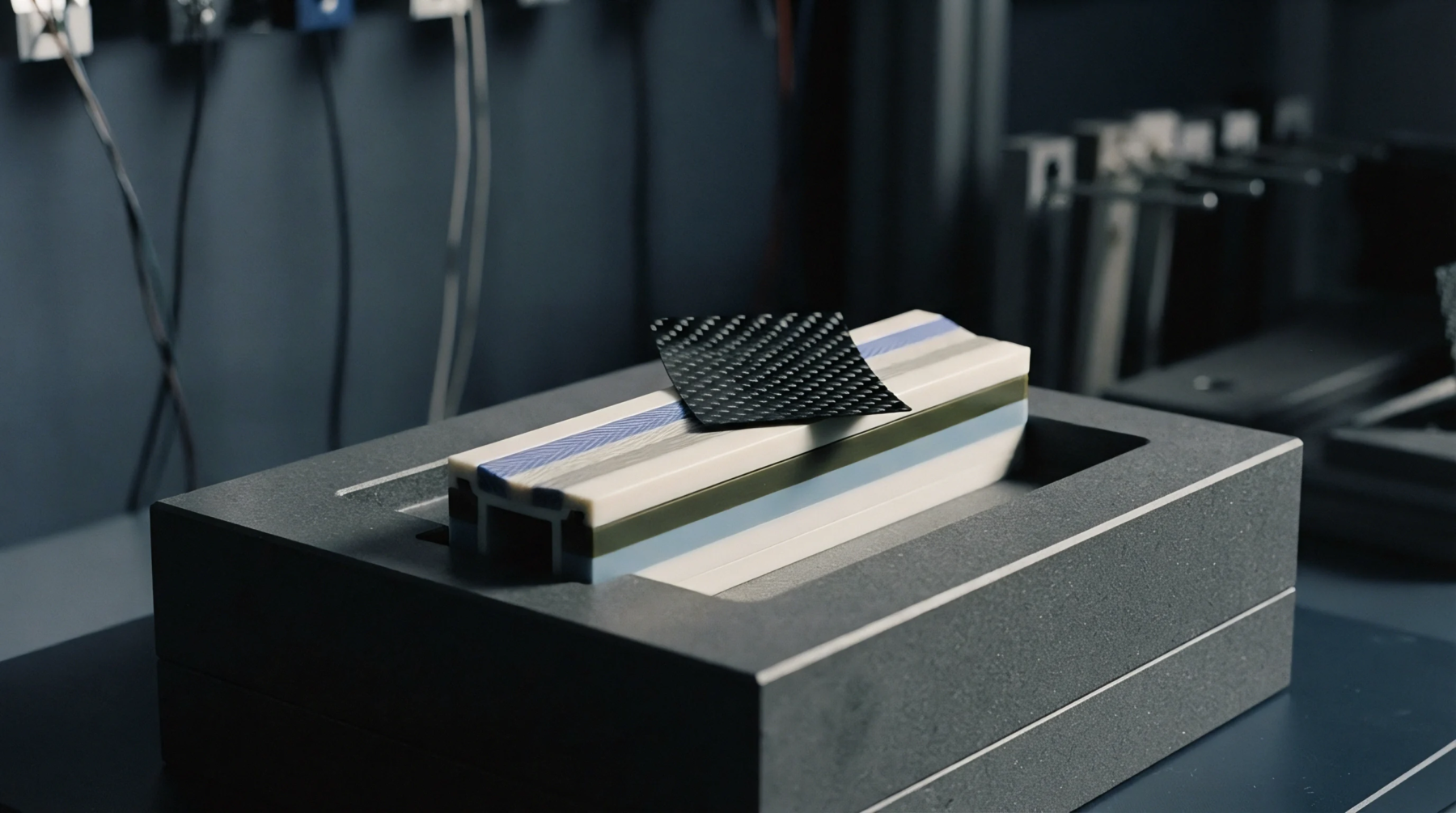
Selecting polypropylene block copolymers for cold automotive parts depends on balancing ethylene-propylene rubber phase dispersion with matrix melt flow rate.

Polypropylene impact copolymers sacrifice flexural modulus to gain sub-zero toughness through dispersed ethylene-propylene rubber domains in an isotactic matrix.
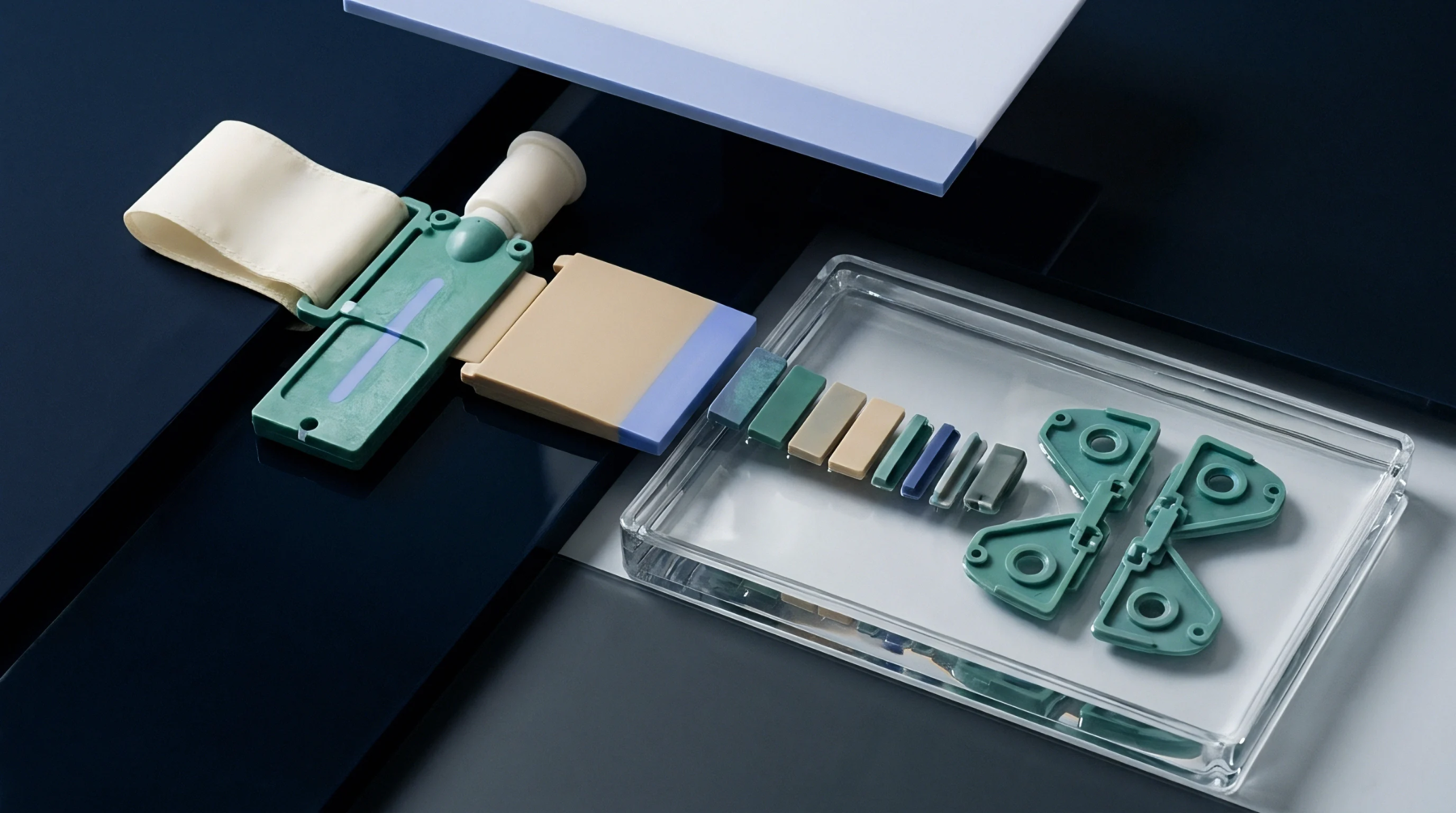
Cavity cooling rate drives polyamide skin-core spherulitic growth, setting local crystalline phase balance, volumetric shrinkage, and achievable DIN 16742 tolerances.
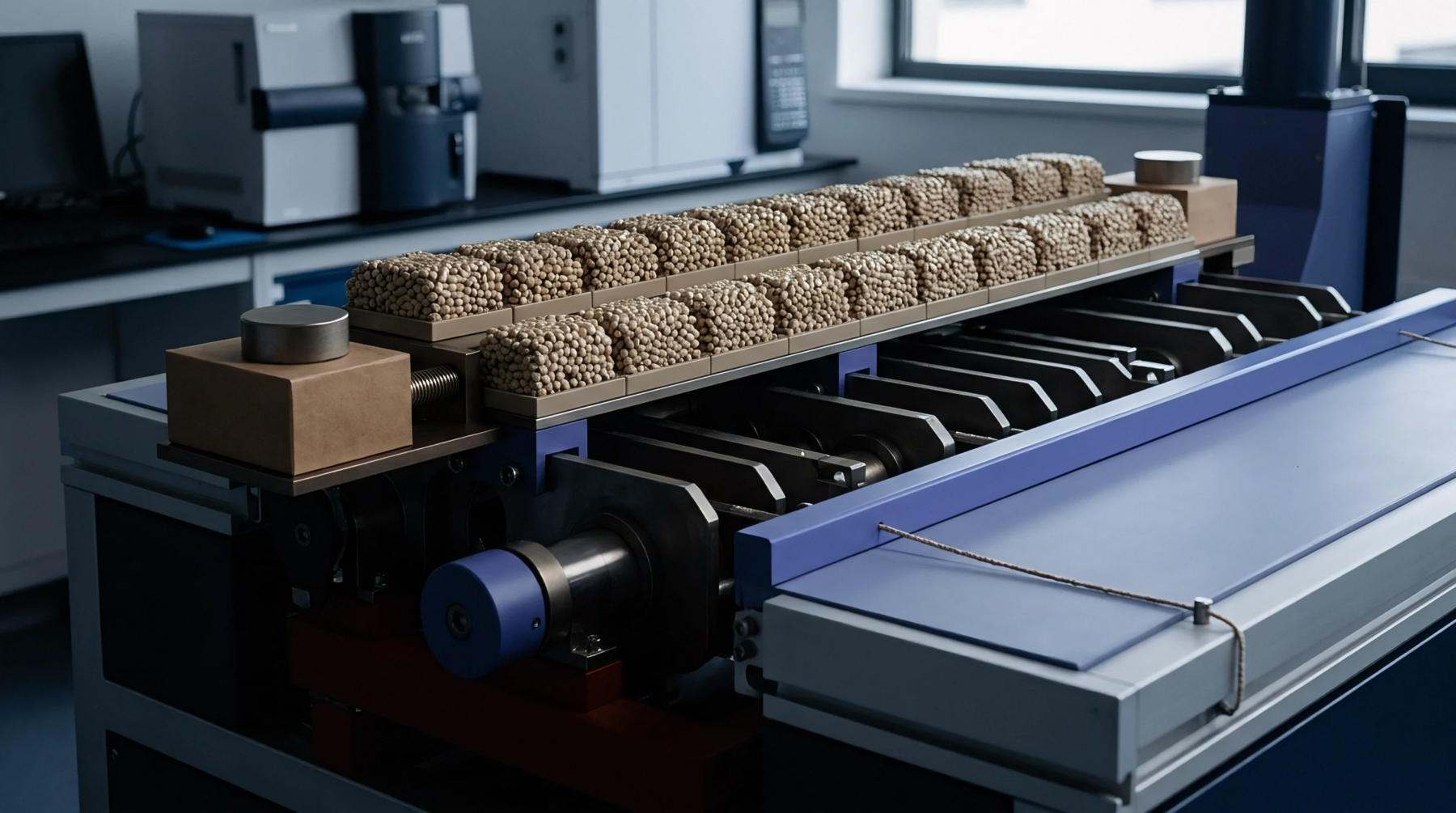
Infrared spectroscopy identifies contaminant chemistries while differential scanning calorimetry quantifies polymer blend fractions and thermal degradation state.
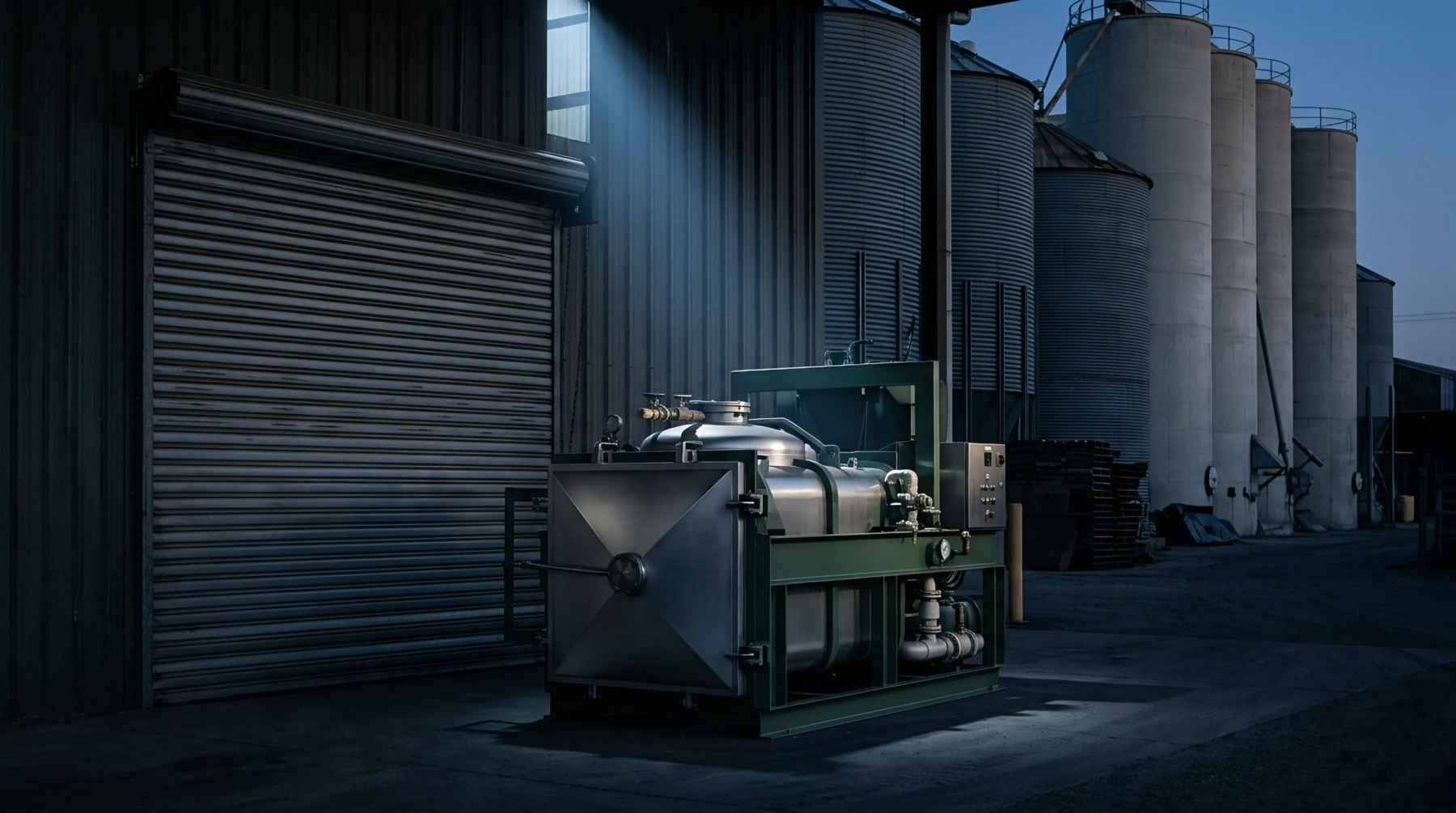
Intrinsic viscosity loss in PET processing is determined by measuring dilute solution flow time or capillary melt viscosity to quantify polymer chain cleavage.

Standard 84-day disintegration tests fail in commercial composting facilities operating on 21-day cycles, requiring resin selection tuned for rapid hydrolysis.
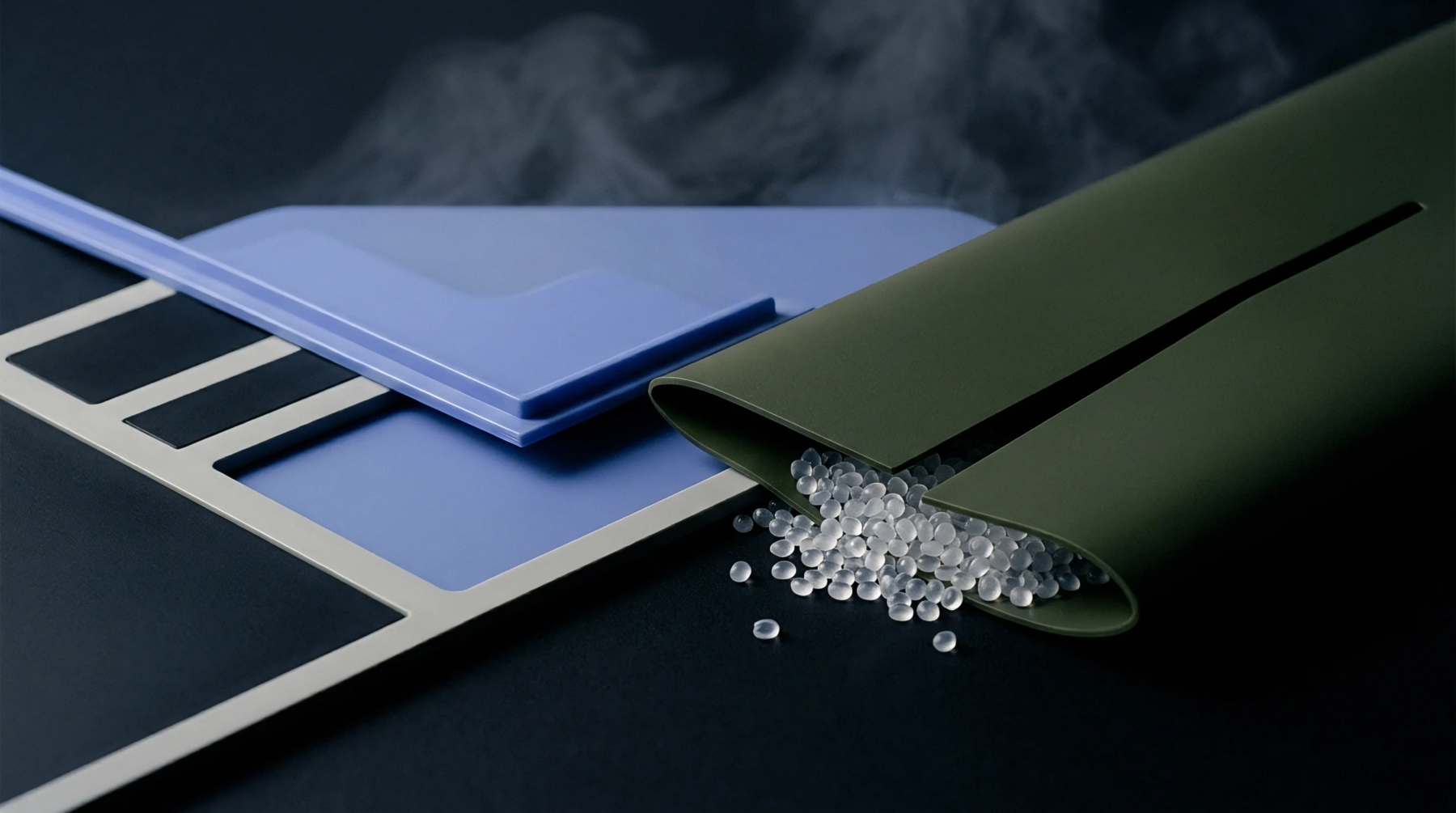
Tuning EPR domains to 0.4-0.8 microns with 45 percent ethylene content ensures sub-zero container shock survival at minus 30 degrees Celsius.

Polyester moisture extraction follows temperature-dependent Fickian diffusion, requiring dew points below minus forty degrees to prevent melt hydrolysis.

Stabilize unreinforced PP dimensional drift by maximizing in-mold crystallization via hot tooling and extended pack, then conditioning parts prior to inspection.
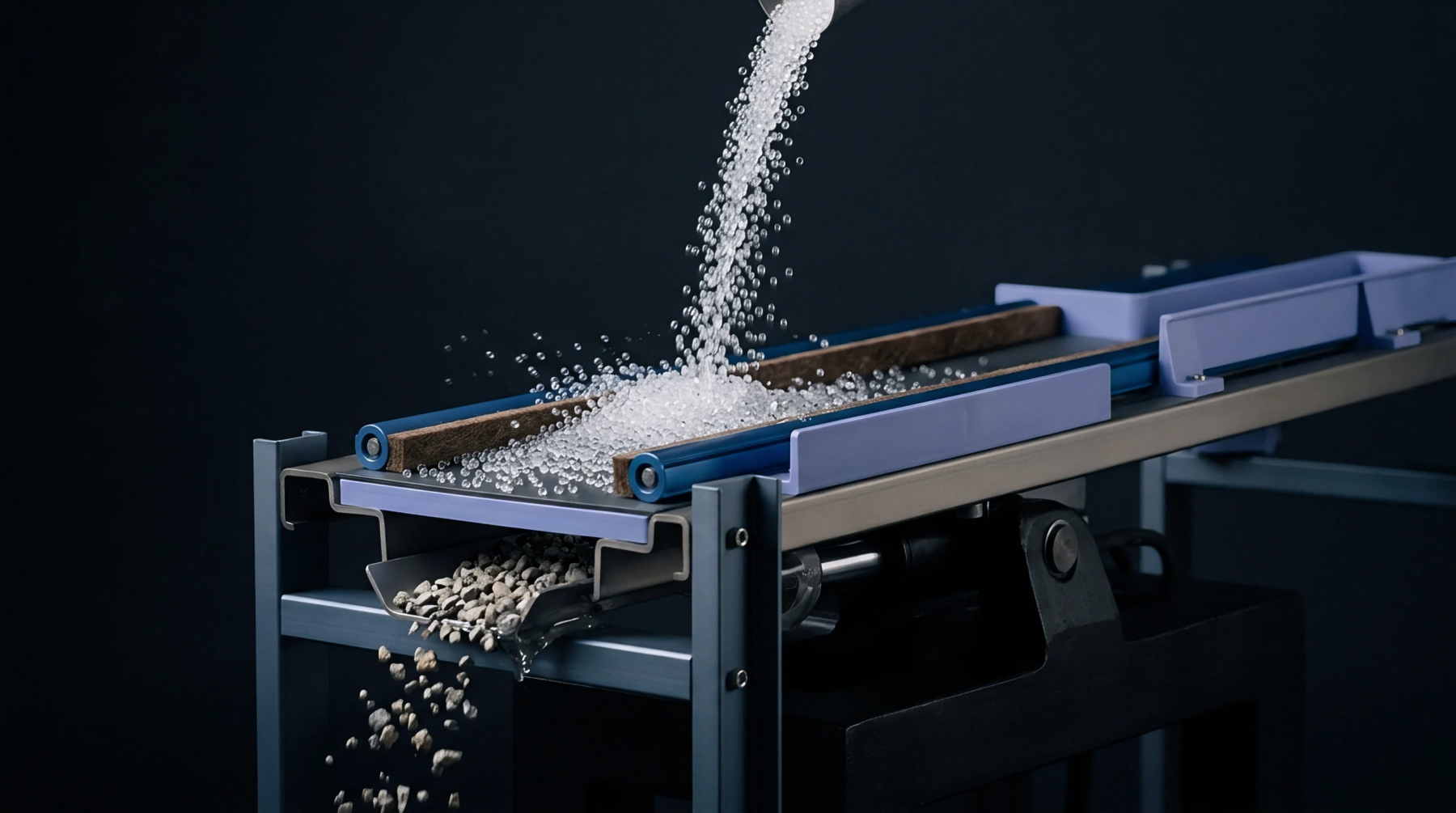
Calibrating emitter wavelength to polymer absorption bands and setting optical sag triggers prevents core temperature deltas exceeding five degrees Celsius.
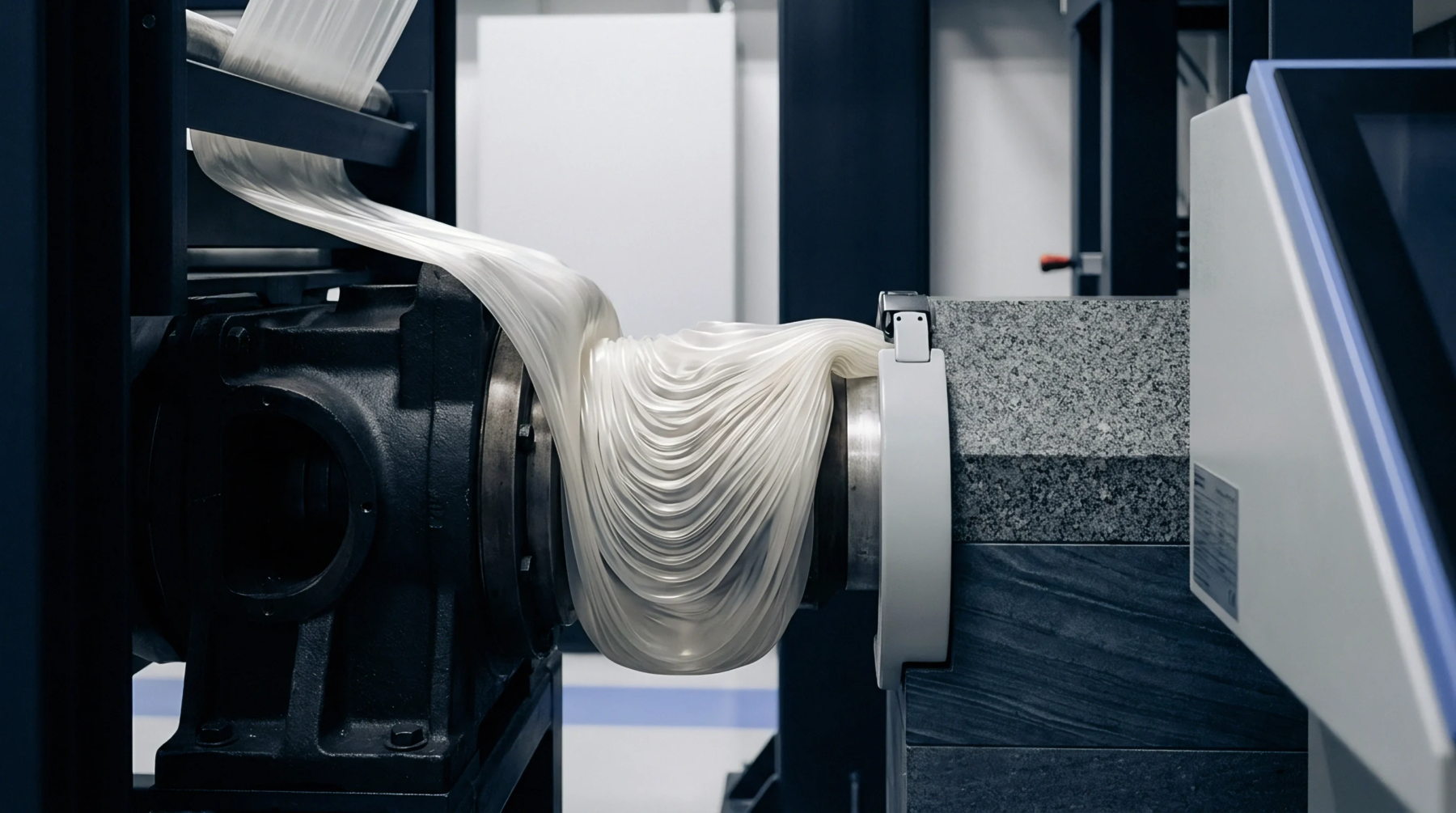
A migration number without its simulant and temperature is invalid; exposure medium and thermal regime dictate diffusion and verify regulatory compliance.

Reactor grade polypropylene copolymers absorb sub-zero impact energy through ethylene-propylene rubber domain crazing and interfacial cavitation down to minus forty.

Impact copolymers deliver superior notched and subzero impact resistance over homopolymers by incorporating a dispersed ethylene-propylene rubber phase.
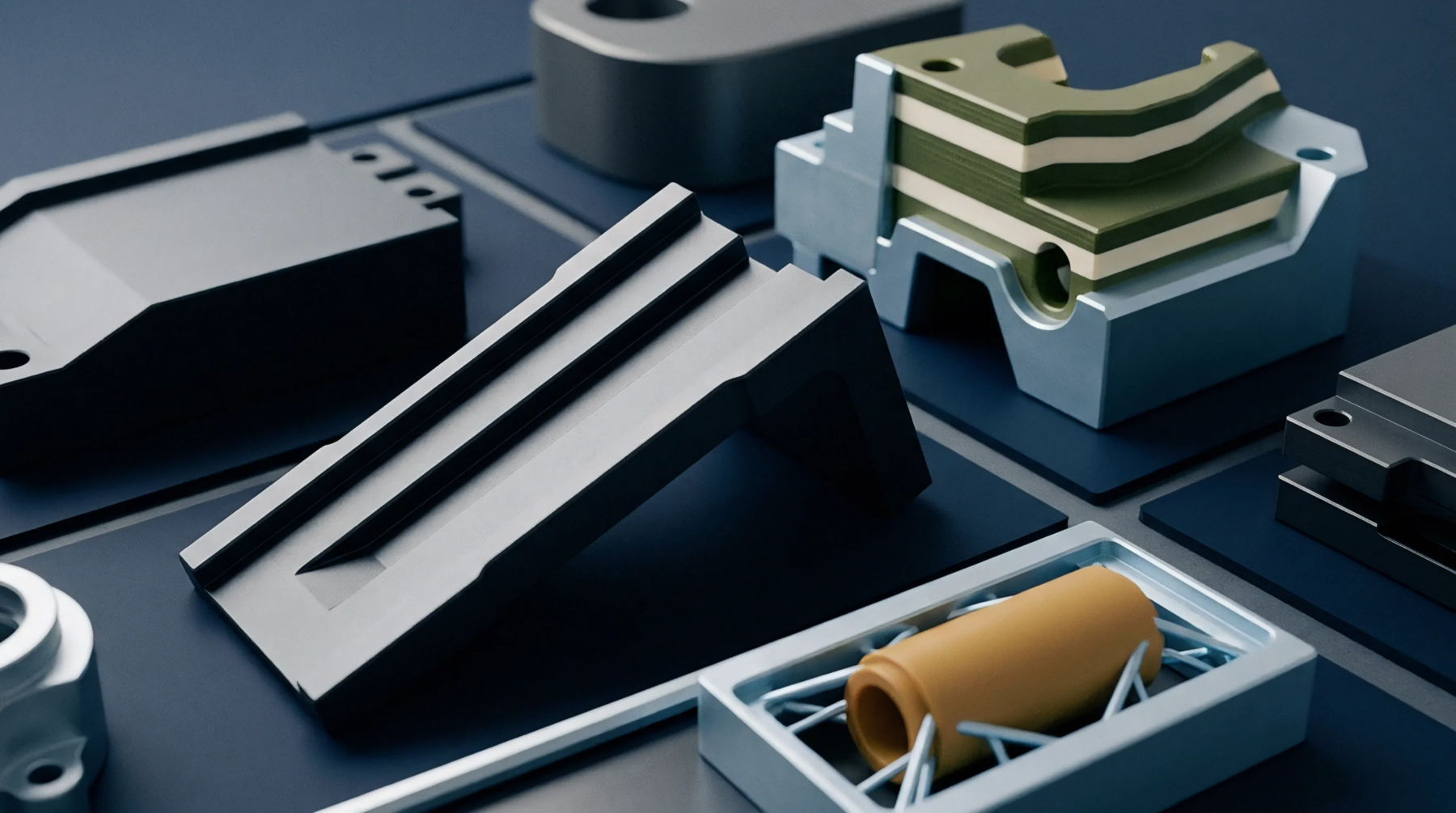
Detecting post-industrial additions relies on combining differential scanning calorimetry, high-shear viscosity sweeps, and oxidative induction testing on arrival.
Matching resin melt stability and wall thickness to regional waste facility residence times prevents unexpected landed part cost escalation.
Polypropylene impact copolymers containing disperse ethylene propylene rubber phases maintain cold drop impact strength down to minus 40 degrees Celsius where homopolymers shatter.
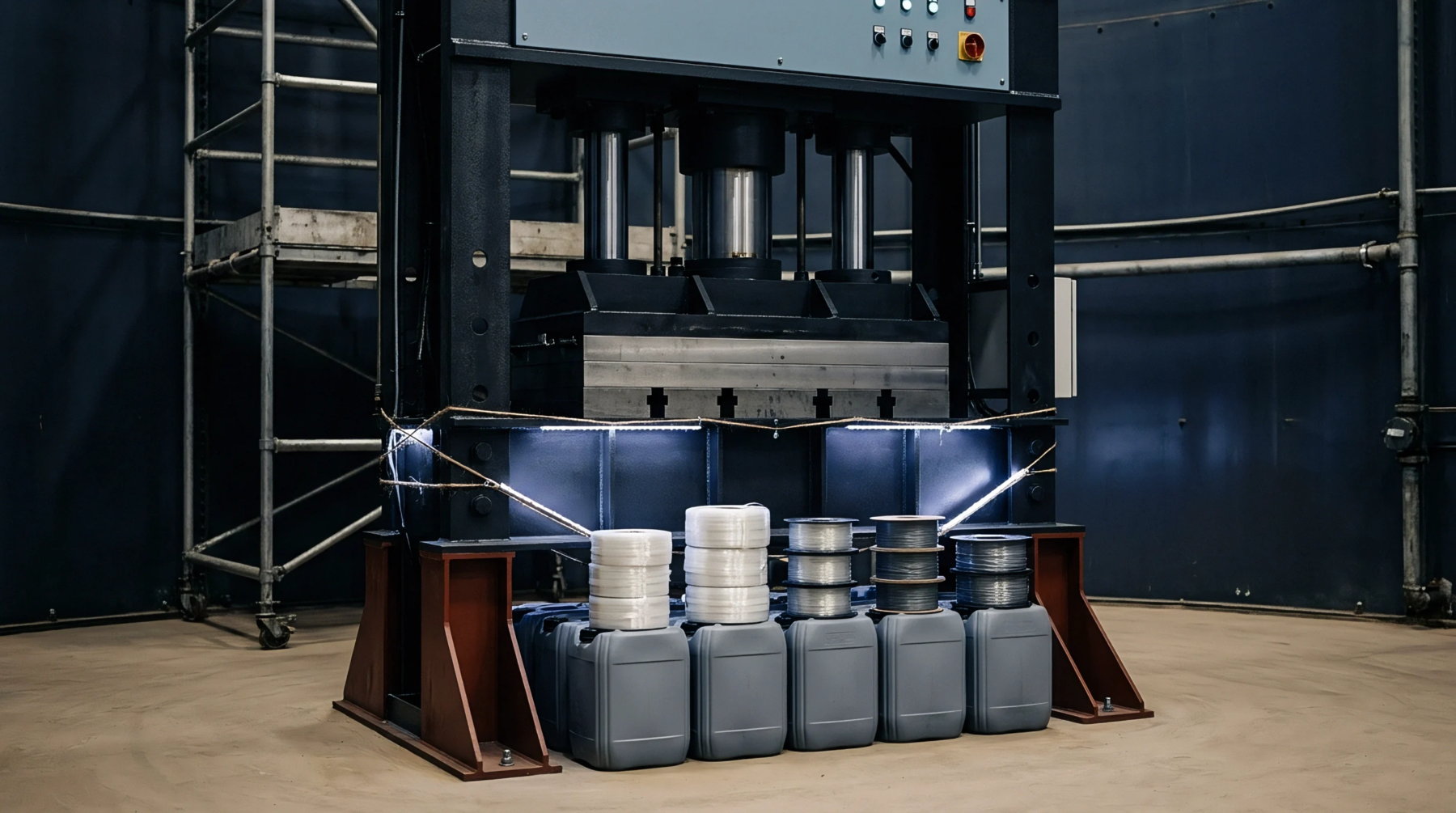
Polymer grade selection fixes mechanical properties, tool shrinkage, cycle time, compliance limits, and final landed part cost across production runs.
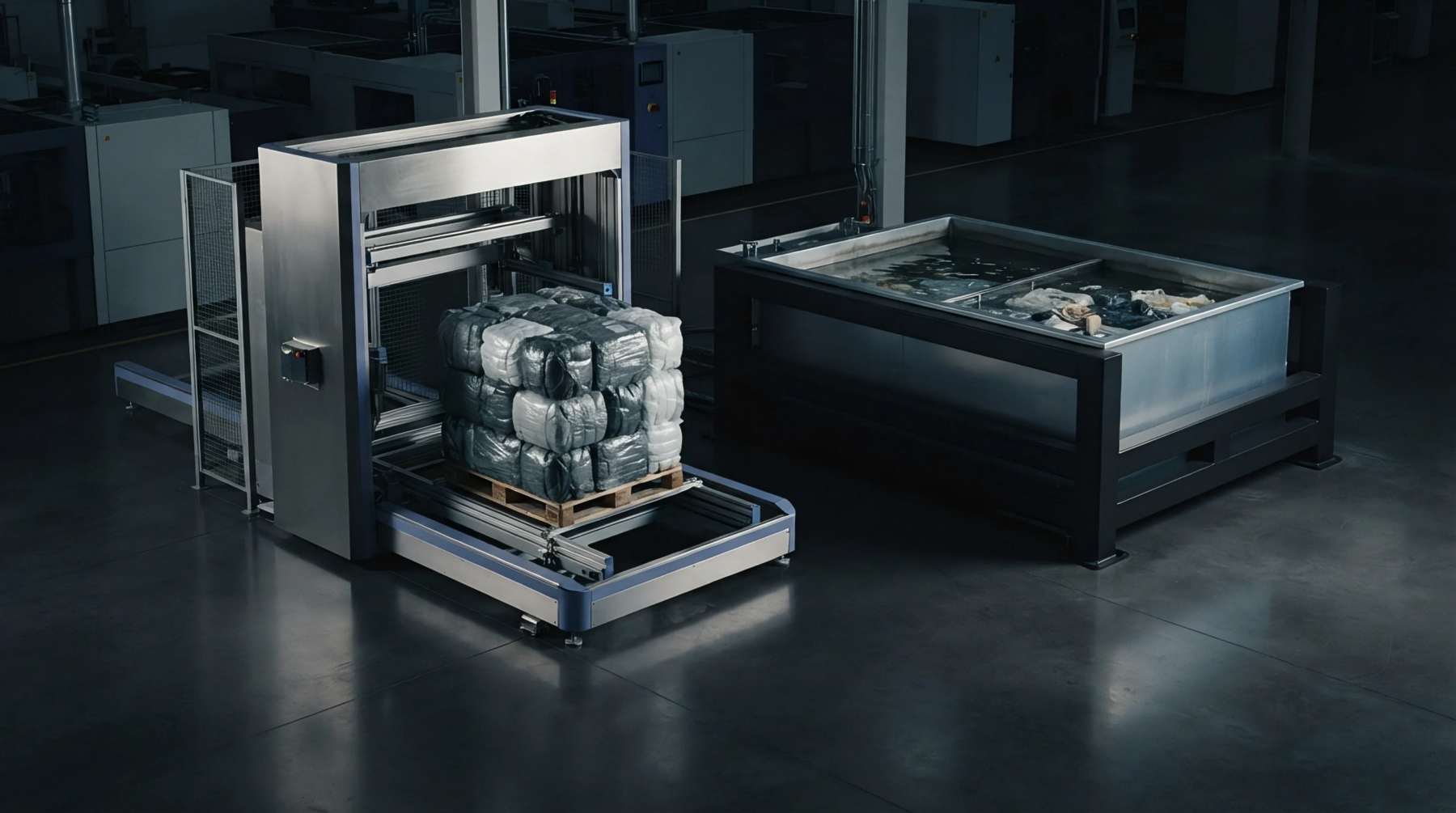
Amorphous sheet stretch dynamics depend on strain hardening and thermal saturation to prevent localized necking and corner blowout during deep thermoforming.
Expertise is a utility, not a secret. sentiention™ publishes its working knowledge as open reference: intelligence layer covering the materials it sources, the markets it enters, and the reference that serves both.