Evaluating Declarations of Conformity for High Density Bulk Polyethylene Liners
Evaluating declarations of conformity for high density polyethylene liners demands verification of resin grade, migration conditions, and batch traceability.
Evaluating declarations of conformity for high density polyethylene liners demands verification of resin grade, migration conditions, and batch traceability.

Polymer migration compliance requires verifying finished articles against food-specific simulants, surface ratios, and full non-targeted chemical dossiers.

Selective epoxidation suppresses olefin interferences to enable exact LC-GC-FID quantification of aromatic hydrocarbons in food grade recycled polyolefins.
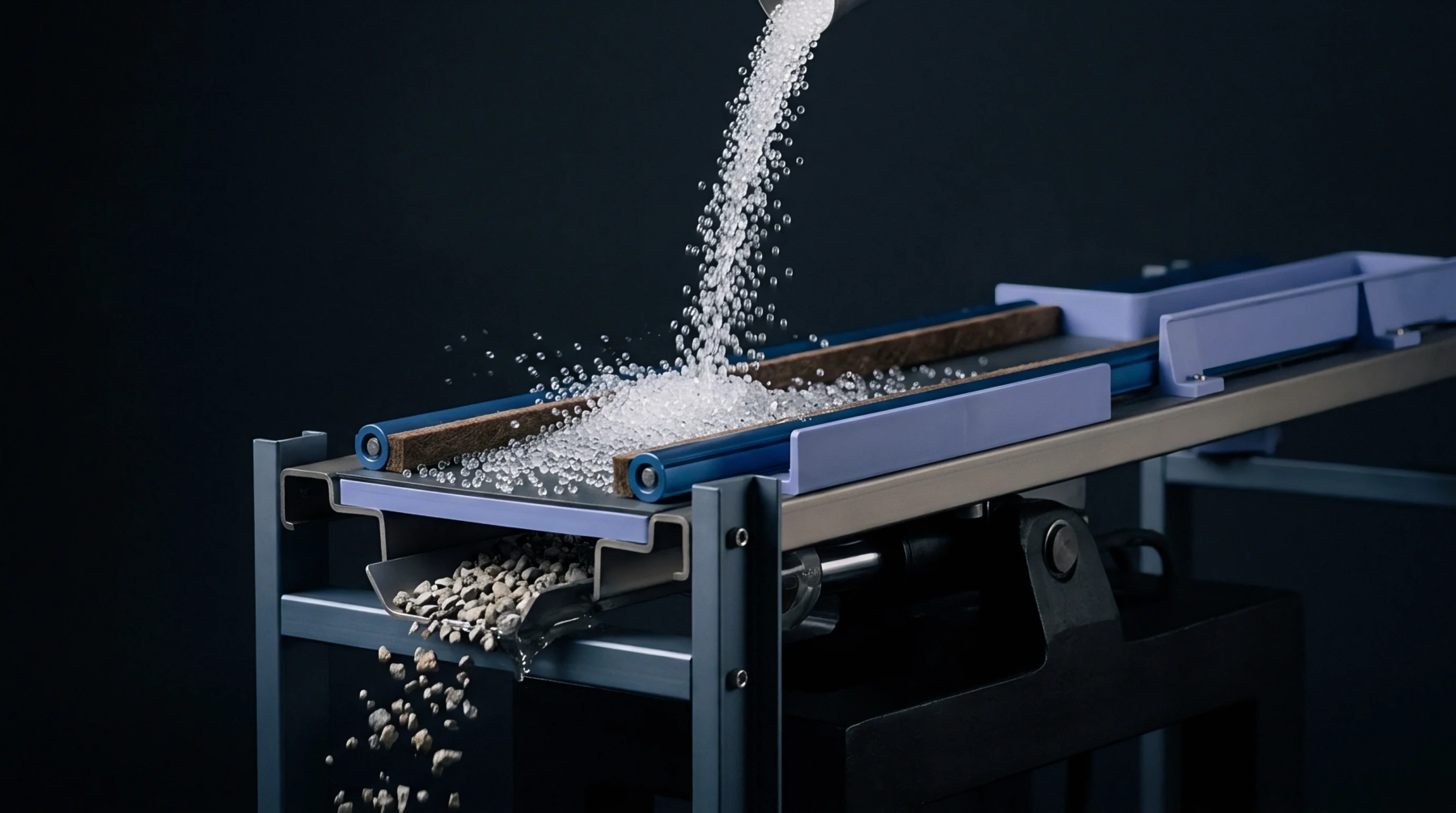
MOSH and MOAH speciation in recycled polyolefins requires online LC-GC-FID with epoxidation to remove POSH and POMH interferences before declaring food contact compliance.

Pre-chromatographic silver-silica fractionation and chemical ionization tandem MS eliminate polyolefin oligomer interferences for accurate migrant quantification.

High-resolution mass spectrometry isolates legacy flame retardants from polyolefin interferences, establishing batch compliance for recycled polypropylene.

Recycled polyolefin packaging requires non-targeted GC-MS and LC-MS screening to ensure non-intentionally added substance migration remains below 0.01 mg/kg.
Expertise is a utility, not a secret. sentiention™ publishes its working knowledge as open reference: intelligence layer covering the materials it sources, the markets it enters, and the reference that serves both.