
Resolving Saturated Polyolefin Hydrocarbon Oligomer Interference in Mineral Oil Migration Dossiers
Polyolefin oligomer co-elution requires epoxidation clean-up and GCxGC deconvolution to prevent false mineral oil failures in migration dossiers.
Polyolefin oligomer co-elution requires epoxidation clean-up and GCxGC deconvolution to prevent false mineral oil failures in migration dossiers.
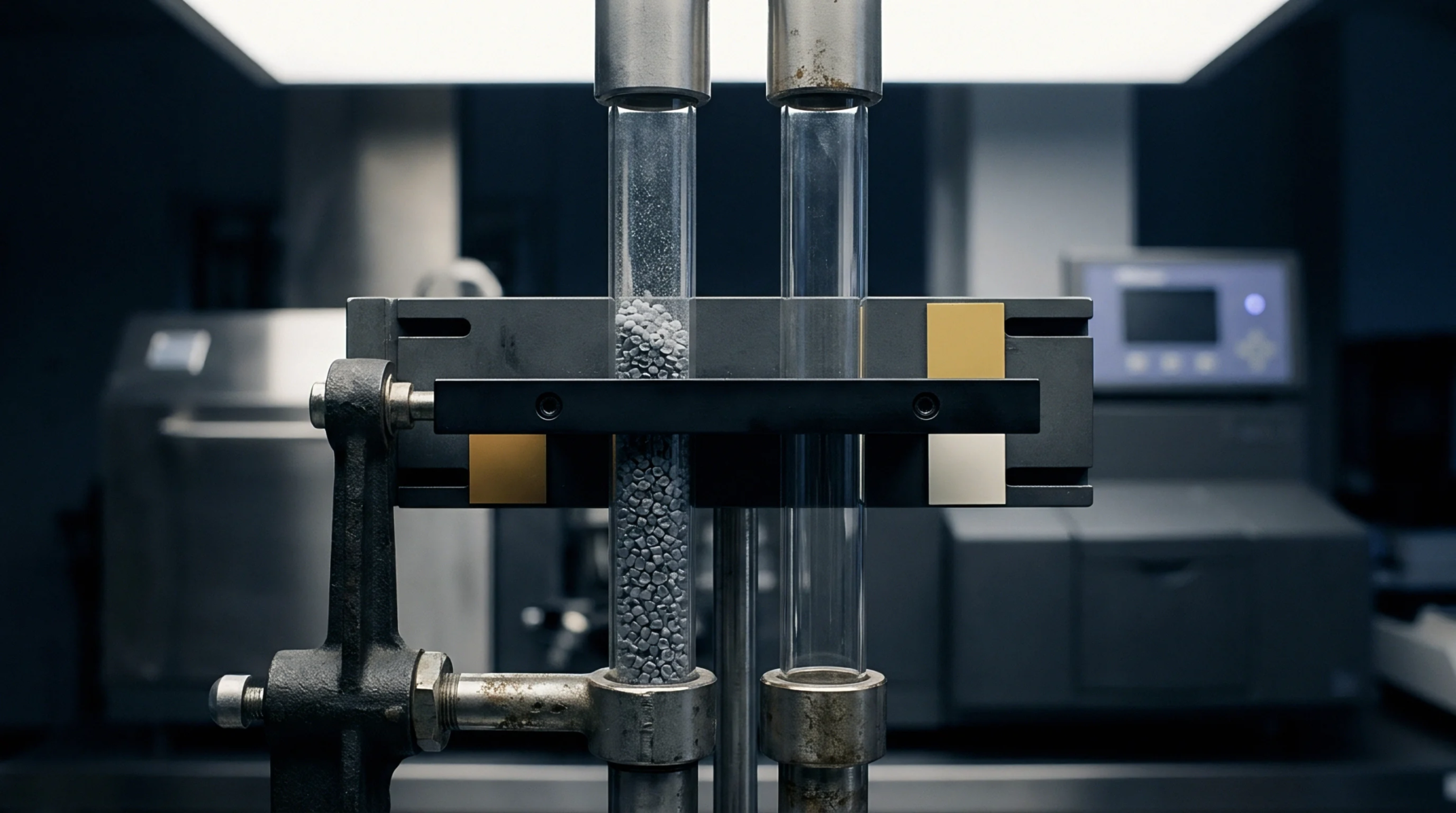
Screening recycled polyolefins via chromatography and toxicological thresholds isolates unlisted migrant degradation products below ten parts per billion.

Auditing converter food contact declarations requires cross-referencing batch test reports, simulant conditions, dual-use additives, and NIAS screening data.

Finite difference diffusion modeling provides legally accepted migration estimates for polyolefin oligomers when parameterized with conservative barrier coefficients.
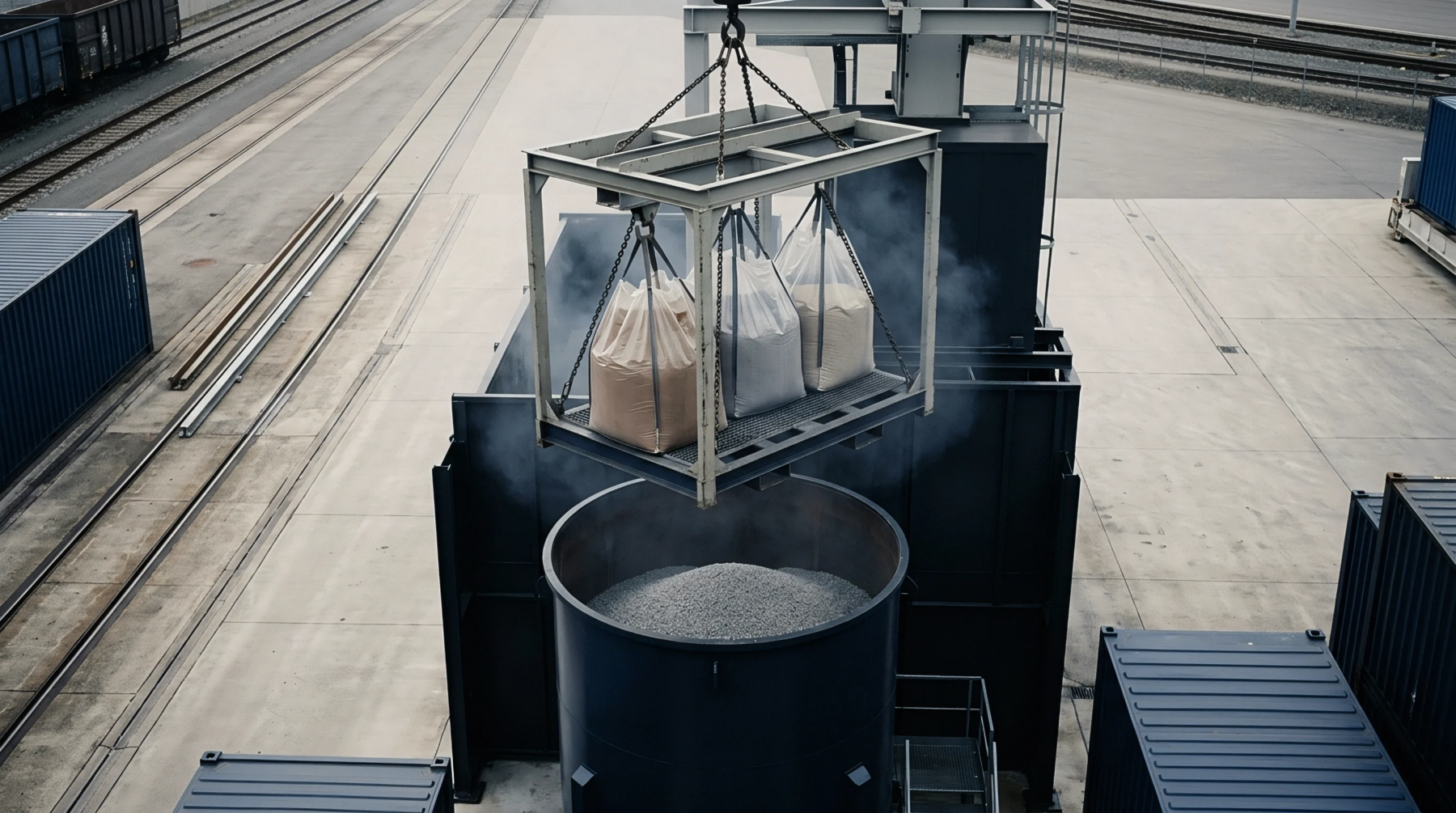
Validating food contact safety in bulk packaging relies on matching simulant test parameters to geometry and auditing chemical declarations for every additive.

Imported polyolefin virgin resin declarations require batch-matched GC-MS monomer analysis and complete Annex I chemical chain documentation prior to entry.

Recycled plastic food contact compliance requires rigorous surrogate challenge testing, non-target NIAS screening, and lot-traced migration verification.

Quantifying photoinitiator migration in polyolefin stacks requires coupled Fickian diffusion modeling and LC-MS/MS verification to control set-off and trans-barrier flux.

Polyolefin oligomer screening requires coupled LC-GC-FID quantification of POSH and POAH fractions below ten parts per billion using matched food simulants.

Analytical screening of HDPE consignments requires solvent extractions, GC-MS profiling, and diffusion modeling to verify food contact compliance before release.

Apply 0.01 mg/kg food screening thresholds to non-target polyolefin extracts using high-resolution mass spectrometry and response factor uncertainty multipliers.

Non-target unknown peaks in recycled polyolefin screening are quantified using uncertainty-adjusted relative response factors and evaluated against a 10 ppb genotoxicity threshold.

Migration values in ethanol or isooctane simulants overestimate low-density polyolefin release by up to three hundred percent while underreporting polar NIAS transfer into emulsified foods.
Cramer structural classification sets exposure thresholds for unlisted packaging migrants, turning molecular features into defensible specific migration limits.

Quantifying semi-volatile photoinitiators in recycled polyolefins requires matrix-matched standard addition to counter 40% measurement uncertainty.

Managing recycled plastic compliance under EU waste rules requires challenge-tested decontamination, accredited migration testing, and audited traceability dossiers.

Non-target mass spectrometry combined with toxicological threshold evaluation verifies that recycled plastic packaging meets mandatory food-contact safety limits.

Testing plastic food contact articles under China GB 4806 and EU Regulation 10/2011 requires harmonizing simulant choices, thresholds, and batch trace files.
Expertise is a utility, not a secret. sentiention™ publishes its working knowledge as open reference: intelligence layer covering the materials it sources, the markets it enters, and the reference that serves both.