Meaning
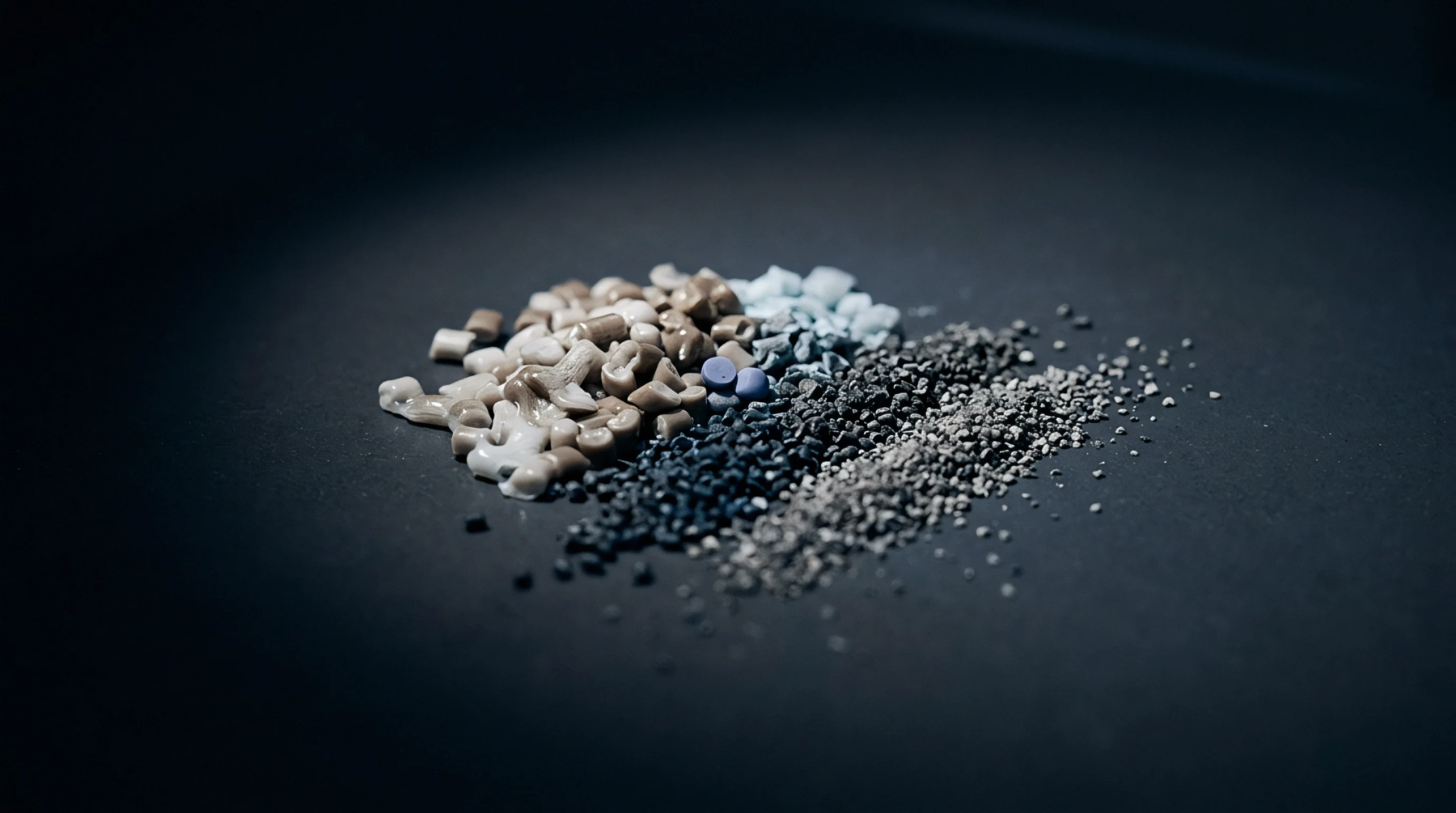
Engineering thermoplastic blends combine polyphenylene ether with polystyrene to resolve the processing difficulties inherent in pure resins. While unmodified polyphenylene oxide possesses high heat resistance, modified polyphenylene oxide adds flow characteristics that allow injection moulding into complex geometries. This material offers low moisture absorption.
Melt Flow
Adding high impact polystyrene reduces the melt viscosity to a level suitable for standard processing equipment. Because modified polyphenylene oxide flows more easily than its parent polymer, moulders can fill thin wall sections without excessive hydraulic pressure. The specific ratio of the two polymers determines the balance between heat deflection and ease of injection.
Hydrolytic Stability
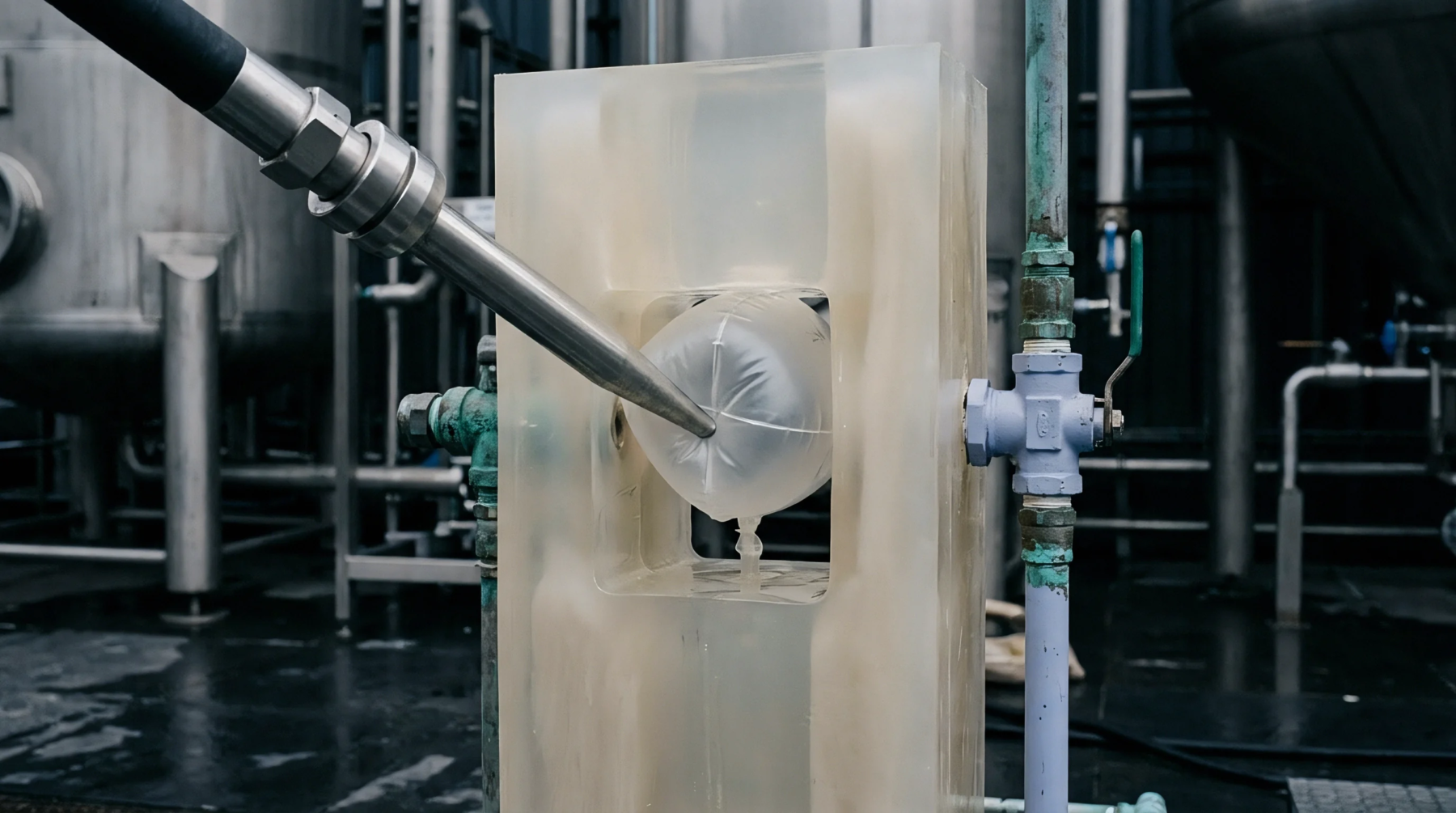
Performance in hot water applications distinguishes this blend from many polyamides or polyesters. Long term exposure to moisture does not degrade modified polyphenylene oxide, making it suitable for pump impellers or plumbing manifolds. This stability prevents the loss of mechanical properties or dimensional changes in humid environments.
Flame Retardancy
Halogen free formulations are achievable with this chemistry to meet strict environmental and fire safety codes. Because modified polyphenylene oxide is naturally char-forming, it requires fewer additives to reach high ratings for ignition resistance. The low smoke density and toxicity during combustion make it a standard choice for rail or aerospace interiors where passenger safety depends on the thermal performance of the plastic housing.