Controlled Rheology Visbreaking Degradation Risks in Food Contact Packaging Resins
Visbroken polypropylene risks organoleptic contamination and thermal degradation; verify residual peroxide, NIAS limits, and OIT before food contact use.
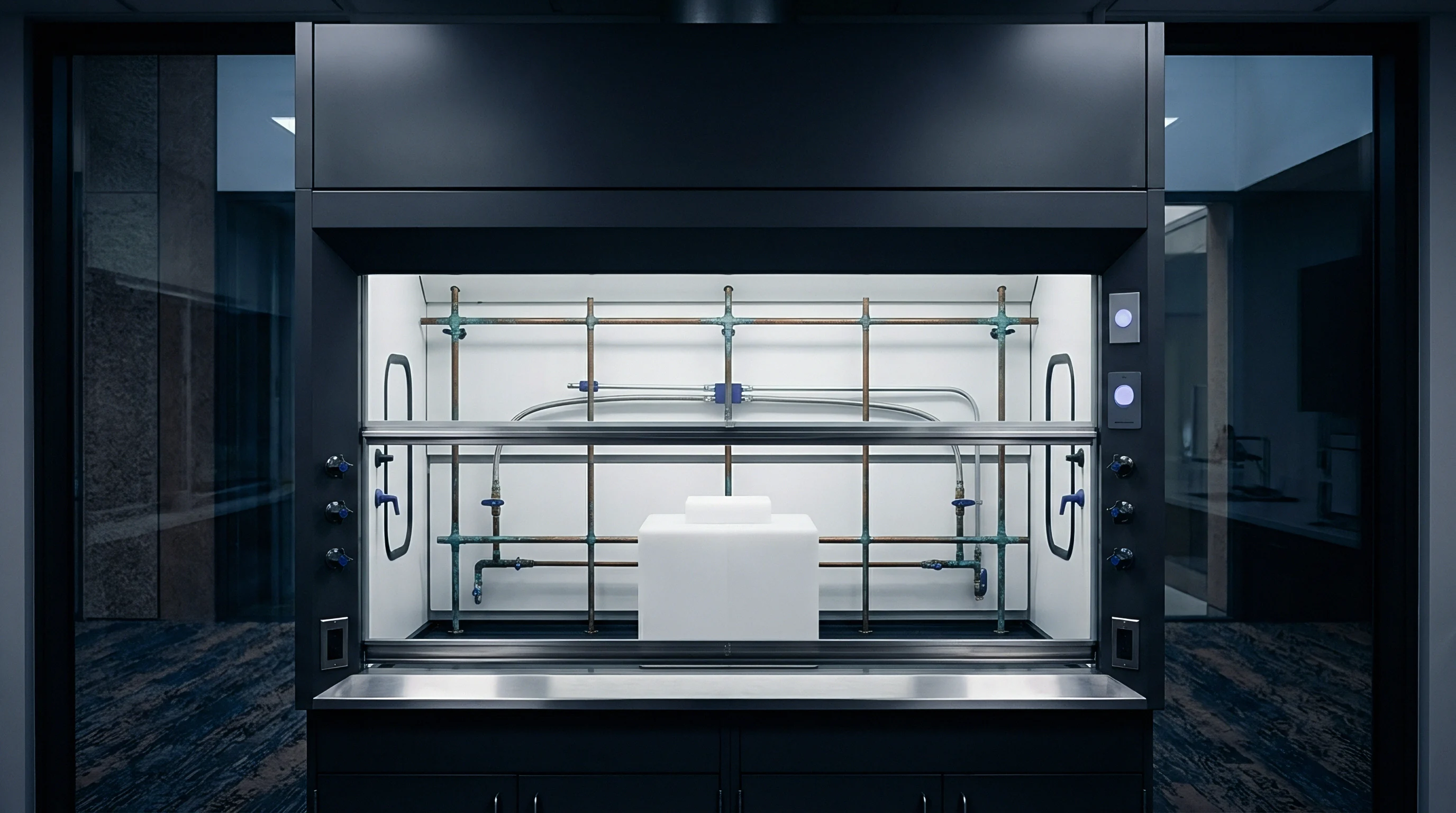

Cleavage
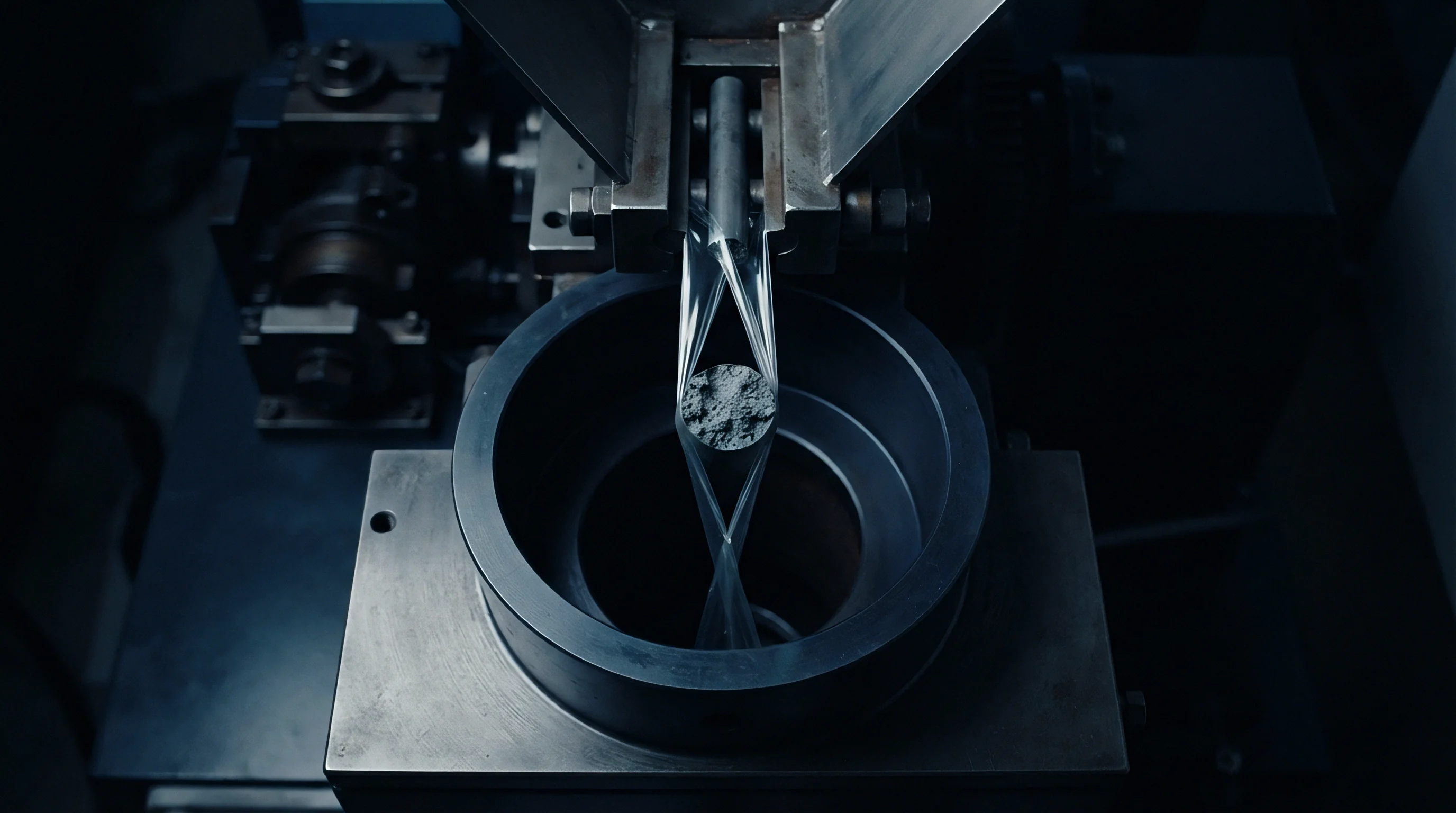
In twin-screw extruders, free-radical thermal scission breaks down high molecular weight polypropylene into high-flow injection molding grades. Dialkyl peroxides, such as 2,5-dimethyl-2,5-di(tert-butylperoxy)hexane or ditertbutyl peroxide, undergo homolytic breakdown at melt temperatures between 190 °C and 240 °C. The resulting alkoxy radicals pull hydrogen atoms from tertiary carbons on the polypropylene backbone, forming tertiary polymer radicals that undergo rapid beta-scission. This severs the main carbon chain into a terminal alkene and a secondary polymer radical, narrowing the polydispersity index from a broad reactor distribution of 6.0 to 8.0 down to between 2.8 and 3.5 through targeted reduction of weight-average molecular weight.
Controlled rheology allows processors to achieve melt flow rates between 25 g/10 min and 120 g/10 min at 230 °C under a 2.16 kg load, providing the flow needed for thin-wall food containers. Thermal decomposition of the organic initiator leaves small chemical fragments suspended in the melt. Ditertbutyl peroxide breaks down mainly into acetone, tert-butanol, and methane, whereas 2,5-dimethyl-2,5-di(tert-butylperoxy)hexane yields additional by-products like 2,5-dimethyl-2,5-hexanediol, hydroxyketones, and substituted alkanes.
Peroxide consumption depends directly on residence time and barrel temperature profile. At a melt temperature of 210 °C, 2,5-dimethyl-2,5-di(tert-butylperoxy)hexane has a half-life of roughly 1.2 seconds, but high-throughput compounding with short residence times can still leave unreacted peroxide in the finished pellets. These residual initiators continue generating radicals during secondary processes like sheet extrusion, thermoforming, or injection molding, driving uncontrolled chain scission that drops viscosity and off-gases inside closed molds.
| Initiator Compound | Active Oxygen (%) | Ten-Second Half-Life Temp (°C) | Primary Volatile Breakdown Species | FDA 21 CFR Listing |
|---|---|---|---|---|
| Ditertbutyl peroxide | 10.94 | 193 | Acetone, Tert-butanol, Methane | 177.1520 |
| 2,5-Dimethyl-2,5-di(tert-butylperoxy)hexane | 11.02 | 201 | Tert-butanol, Acetone, Tetramethylfuran | 177.1520 |
| 3,6,9-Triethyl-3,6,9-trimethyl-1,4,7-triperoxonane | 15.66 | 226 | Methyl ethyl ketone, Ethyl acetate, Propionate esters | 177.1520 |
| Dicuming peroxide | 5.92 | 171 | Acetophenone, 2-Phenyl-2-propanol, Alpha-methylstyrene | 177.1520 |
Extrusion temperatures above 250 °C speed up peroxide breakdown, but they also trigger thermal-oxidative degradation in the base polymer. Dissolved oxygen in the feed or hopper reacts with tertiary radicals to form peroxyl species, launching hydroperoxidation pathways that cleave chains independently of the peroxide additive. This secondary oxidation yields linear aldehydes, ketones, and carboxylic acids ~ such as hexanal, heptanal, and butyric acid ~ that introduce strong chemical off-odors into the packaging resin.
To mask unstable rheology while protecting antioxidant packages, some compounding plants raise peroxide dosing and drop barrel temperatures. This compromise traps unreacted initiator and volatile breakdown fragments inside the pellet micropores. Once converted into containers, these trapped volatiles migrate into the packaging headspace, spoiling organoleptically sensitive foods like drinking water, dairy products, or dry infant formula.
Peroxide decomposition products evaporate during pellet drying and post-extrusion degassing, rendering chemical transfer into packaged foods negligible.

Extract
Non-intentionally Added Substances are the main compliance vulnerability in visbroken food-grade resins. Regulation EU 10/2011 sets strict limits on overall and specific migration into food simulants. Organic peroxides themselves are authorized polymer processing aids under Annex I, but their breakdown products are not explicitly listed, requiring a thorough risk assessment under Article 19 for any non-intentionally added species in the final container.
Quantification relies on gas chromatography-mass spectrometry via static headspace or solid-phase microextraction sampling. Volatile species like acetone and tert-butanol vaporize during processing and collect in sealed package headspaces, where human olfactory detection thresholds for these by-products sit in the low parts-per-billion range. Tert-butanol gives aqueous media a bitter, camphoraceous taste above 25 ppb, while hexanal and octanal create rancid, grassy flavors in fatty foods at concentrations below 5 ppb.
Tert-butanol concentrations above 25 parts per billion in aqueous food simulants trigger organoleptic rejection under ISO 13302 sensory evaluation protocols.
Migration dynamics depend on polymer crystallinity, storage temperature, and how lipophilic the foodstuff is. Compared to reactor grades, visbroken polypropylene has a narrower molecular weight distribution and altered crystallization kinetics. Fewer high molecular weight tie-molecules slightly drop the glass transition temperature of the amorphous phase, which increases the diffusion coefficient for small organic molecules.
Fatty foods or oil-in-water emulsions swell the polymer matrix, speeding up the migration of hydrophobic breakdown fragments like tetramethylfuran and long-chain alkanes.
Specific migration testing uses simulant A for aqueous foods, simulant C for alcoholic media, and simulant D2 for fatty products, with standard conditions of 10 days at 40 °C simulating long-term room-temperature storage. Accelerated screening uses 95% ethanol or isooctane at 60 °C for 48 hours to evaluate worst-case limits. Resins with high residual tert-butanol or acetone routinely exceed the 10 ppb NIAS safety benchmark established by European guidance for unassessed chemicals.
Failing to clear volatile degradation fragments during compounding leads to rejected lots, customer recalls, and severe brand liability once off-flavors reach consumer products.
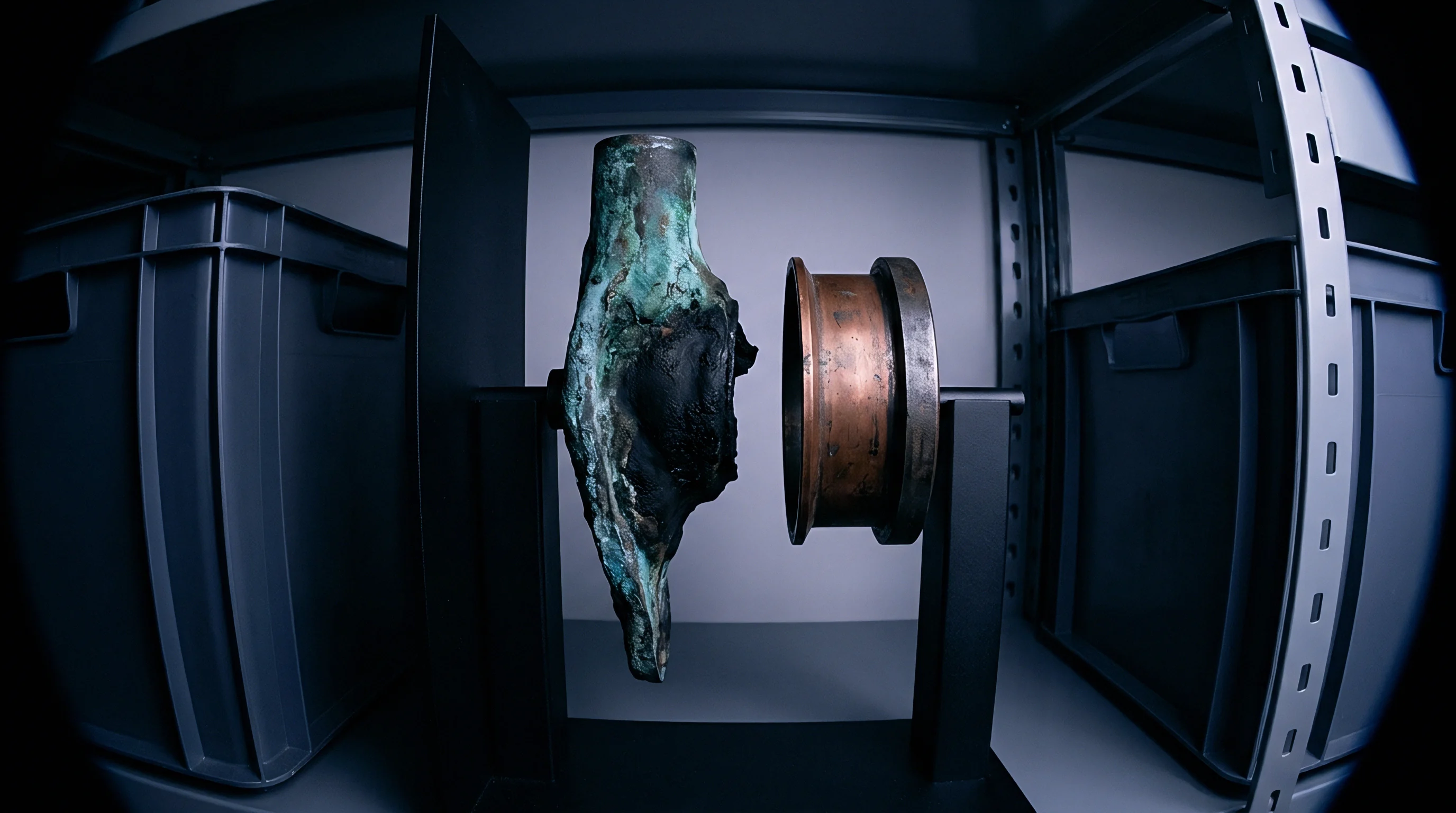
Specks
Thermal-oxidative stress during visbreaking heavily consumes the antioxidant package, laying the groundwork for defects during downstream processing. Sterically hindered phenols like tetrakis(methylene(3,5-di-tert-butyl-4-hydroxyhydrocinnamate))methane scavenge radicals formed during beta-scission, while secondary phosphites such as tris(2,4-di-tert-butylphenyl) phosphite reduce hydroperoxides to inactive alcohols. High peroxide dosing burns through these additives during reactive compounding, leaving the polymer unprotected during final molding.
Depleting phosphite antioxidants converts active phosphite into inactive phosphate, a ratio measured via gas chromatography of extracted additives to gauge thermal stress. Once antioxidant protection drops below critical levels, stagnant melt layers along barrel walls undergo localized cross-linking. These high molecular weight gels exit the nozzle as un-melted micro-inclusions, showing up as clear or discolored translucent specks in thermoformed sheet.
Phenolic antioxidant levels falling below 300 parts per million in visbroken pellets indicate severe thermal history and high susceptibility to color drift.
Color drift gives an immediate visual signal of polymer breakdown, caused by conjugated polyenes and oxidized quinoid complexes from spent phenolic antioxidants. Yellowing is measured using the Yellowness Index under ASTM E313 or ISO 17223. Pellet lots exceeding a Yellowness Index of 3.0 show substantial degradation and typically yield yellowed containers that fail visual quality checks for clear packaging.
| Degradation Marker | Standard Test Method | Measurement Parameters | Prime Quality Limit | Degraded Lot Value |
|---|---|---|---|---|
| Yellowness Index (YI) | ASTM E313 / ISO 17223 | CIE D65 illuminant, 10° observer | Less than 1.5 YI | Greater than 4.0 YI |
| Oxidation Induction Time | ISO 11357-6 / ASTM D3895 | 200 °C, oxygen flow at 50 mL/min | Greater than 30 minutes | Less than 10 minutes |
| Active Phosphite Ratio | ISO 13781 / HPLC-UV | Solvent extraction, C18 column | Greater than 80% active | Less than 45% active |
| Gel Count Density | ISO 11420 / Optical inspection | Film extrusion, light transmission | Under 50 gels per m² (>200 µm) | Over 350 gels per m² (>200 µm) |
| Melt Flow Rate Drift | ISO 1133 / ASTM D1238 | 230 °C, 2.16 kg load, post-reheat | Shift under ±5% | Shift over +25% |
Oxidation induction time testing by differential scanning calorimetry measures residual thermo-oxidative stability under ISO 11357-6. The sample is held at 200 °C under nitrogen before switching to pure oxygen, with the elapsed time to exothermic oxidation marking its stabilization capacity. Fresh reactor resin typically exhibits times over 45 minutes, whereas heavily visbroken grades with depleted additives often fall below 10 minutes, signaling that the polymer will break down during normal mold residence and generate volatiles and micro-gels.
Storing under-stabilized resin in humid environments or warm outdoor silos accelerates auto-oxidation. Hydroperoxides formed during reactive compounding break down under ambient warmth, causing melt flow rates to drift prior to processing. A resin received at 35 g/10 min can climb to 48 g/10 min after three months in a silo.
This shift leads to parting-line flash, uneven cup wall thickness, and structural failures during hot filling.
Low oxidation induction times consistently correlate with rapid loss of mechanical properties during secondary processing.

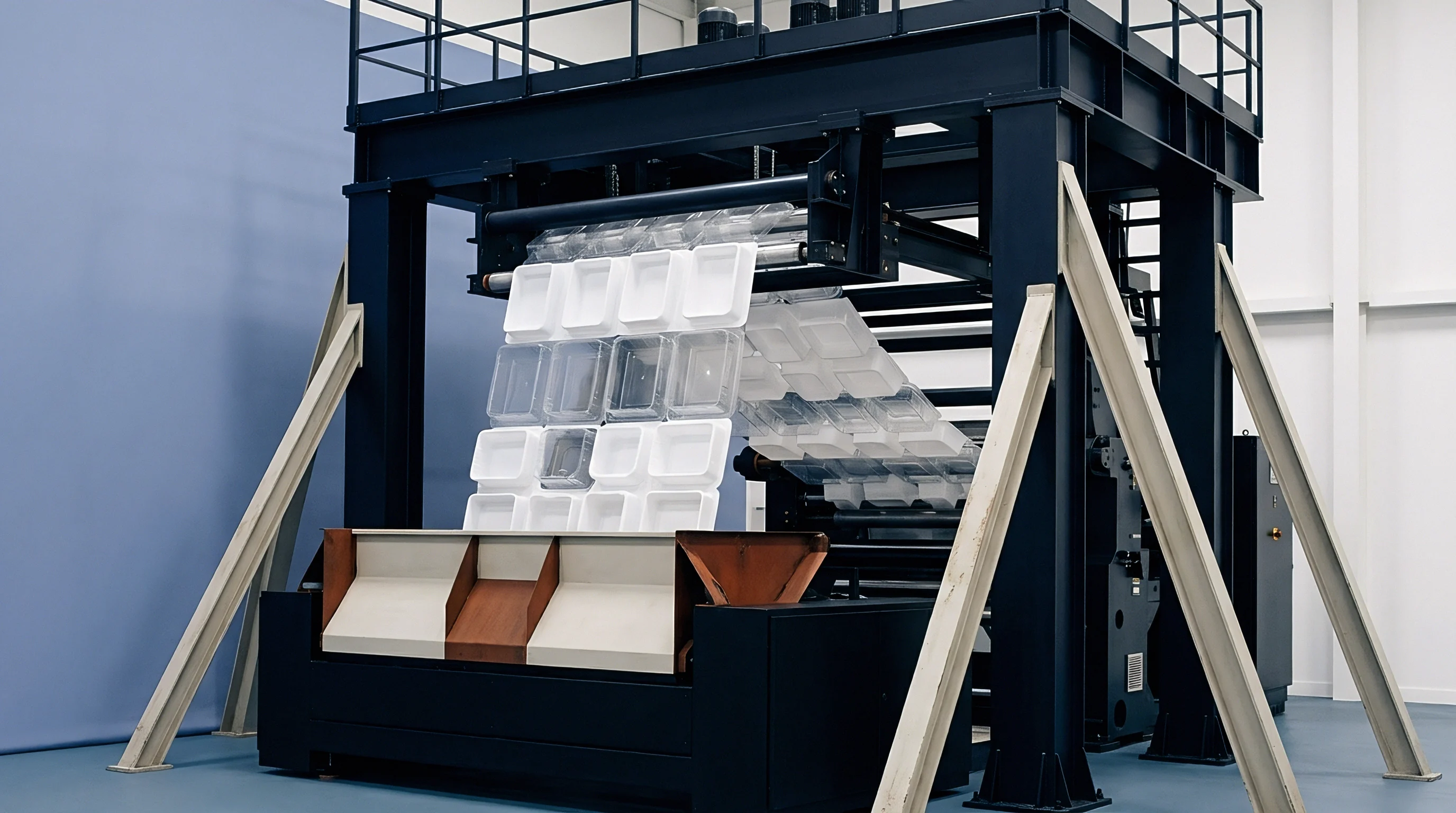
Screening
Incoming verification protocols need to flag chemically compromised or thermally unstable resin before pneumatic systems transfer pellets into storage silos. Standard certificates of analysis are rarely enough, as supplier melt flow figures reflect broad production averages rather than lot-edge variance. Off-loading testing provides the only reliable safeguard for chemical safety and processing consistency.
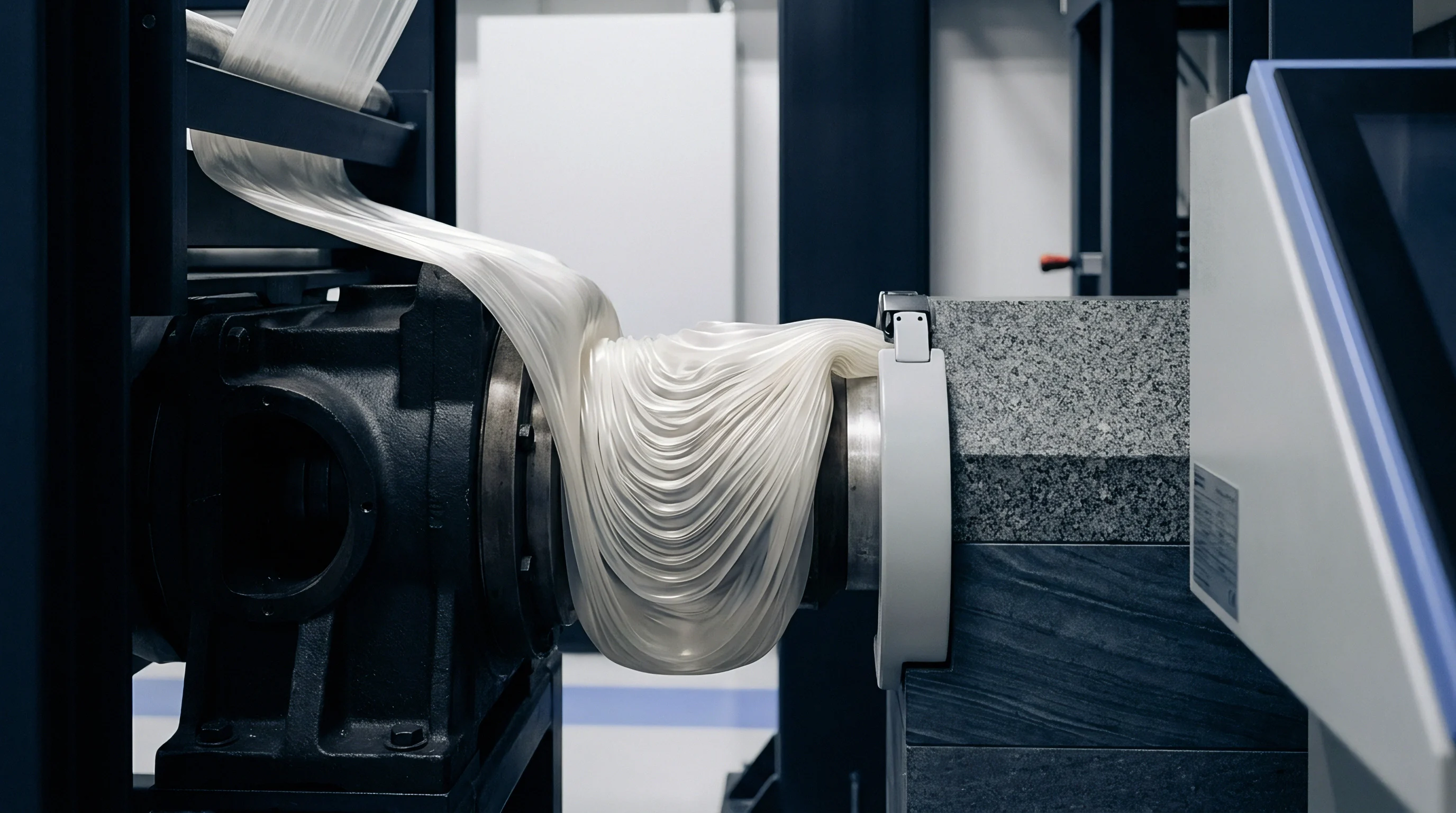
What Testing Sequence Confirms Chemical Safety before Silo Discharge?
Receiving inspection relies on a fixed testing sequence completed before accepting delivery.
- Draw composite pellet samples from five distinct points across the bulk container or tanker using a stainless steel sampling lance.
- Perform rapid melt flow rate testing at 230 °C under a 2.16 kg load per ISO 1133, verifying that the index stays within ±7.5% of nominal specification.
- Measure pellet color with a spectrophotometer to calculate Yellowness Index per ASTM E313, rejecting lots exceeding 2.0 YI.
- Run static headspace gas chromatography with flame ionization detection to measure total residual organic volatiles, enforcing a maximum threshold of 50 ppm total carbon equivalent.
- Determine oxidation induction time by differential scanning calorimetry at 200 °C under oxygen, establishing a baseline minimum of 25 minutes.
- Extract additive packages with dichloromethane and analyze phenolic and phosphite stabilizer levels via high-performance liquid chromatography.
Incorporating post-industrial or post-consumer polypropylene into visbroken formulations complicates verification even further. Recyclate streams carry mixed thermal histories, active catalyst residues, and unknown organic contaminants. When compounders visbreak recycled polyolefins, peroxide consumption becomes non-linear, causing residual initiators and breakdown by-products to spike unpredictably between shifts.
Purchase specifications incorporating ISO 1133 melt flow tolerances alongside ISO 11357-6 stabilization thresholds prevent supplier substitution of degraded off-spec lots.
Procurement contracts require clear clauses defining chemical cleanliness thresholds and analytical protocols. Quality terms should bind the supplier to specific volatile organic compound limits and non-intentionally added substance profiles, while specifying the exact testing methodology to prevent disputes over protocol variations.
Contracts specifying that incoming lots contain less than 15 parts per million tert-butanol by headspace gas chromatography shift financial liability for organoleptic failures directly back to the compounder.
Tariff
The financial case for controlled rheology polypropylene depends on the price spread between direct synthesis reactor grades and visbroken compounds. Polymerizing high melt flow grades directly in a reactor demands specialized catalysts, high hydrogen concentrations for chain transfer, and reduced plant throughput. These elevated hydrogen levels reduce catalyst yield and increase monomer recovery costs, adding $60 to $110 per tonne to reactor production.
Compounding plants bypass these reactor limits by buying low melt flow base resin at commodity prices and extruding it with peroxide additives. Visbreaking adds roughly $25 to $45 per tonne in initiator, power, and handling costs, allowing compounders to offer controlled rheology grades at a $20 to $40 per tonne discount against prime reactor grades. However, that upfront saving can easily be erased by higher scrap rates, organoleptic failures, and testing costs downstream.
For a plant molding 4,000 tonnes of thin-wall polypropylene margarine tubs annually with a 60 g/10 min visbroken grade, a $30 per tonne discount over direct reactor resin yields an apparent raw material saving of $120,000. Operating parameters and actual cost exposures tell a different story in the comparison below.
| Cost Parameter / Metric | Controlled Rheology Visbroken Grade | Prime Direct Synthesis Reactor Grade | Net Financial Impact |
|---|---|---|---|
| Base Resin Delivered Price | $1,220 per tonne | $1,250 per tonne | -$120,000 savings (4,000 t/yr) |
| Headspace NIAS Verification Testing | $3,500 per 50-tonne lot | $1,200 quarterly audit | +$270,400 additional testing cost |
| Molding Part Scrap Rate (Flash/Gels) | 2.8% average scrap | 0.6% average scrap | +$107,360 in unrecovered resin waste |
| Tool Cavity Degassing Maintenance | Bi-weekly maintenance cycle | Quarterly maintenance cycle | +$36,000 in labor and line downtime |
| Total Calculated Operating Expense | $5,183,360 annual spend | $5,037,200 annual spend | +$146,160 net penalty for visbroken grade |
Analytical testing for visbroken food-contact resin adds significant quality control overhead. Screening every incoming 50-tonne railcar lot for volatile organic compounds and non-intentionally added substances creates substantial ongoing lab expense, whereas prime reactor grades need only quarterly audits because their production generates no peroxide breakdown products.
Selecting resin grades for food packaging requires evaluating several operational and compliance metrics before finalizing supply agreements.
- Peroxide Initiator Traceability verifies the chemical identity and purity of processing aids declared in the compounder dossier.
- Headspace Volatile Quantification measures total organic emissions to confirm volatile concentrations remain below organoleptic thresholds.
- Residual Antioxidant Assay determines remaining active stabilizer levels to prevent post-conversion yellowing and degradation.
- Differential Scanning Calorimetry Assessment measures oxidation induction time to confirm thermal stability during high-speed molding.
- Melt Index Consistency Mapping tracks lot-to-lot viscosity spread across production batches to prevent molding flash.
Tool maintenance further erodes the apparent savings. Volatiles evaporating from the melt condense on cool mold surfaces, forming a stubborn deposit called plate-out that clogs vents, burns parts, and forces line shutdowns. Molds running visbroken resin often require vent cleaning every two weeks, while those running direct reactor grades operate cleanly for months.
The primary commercial challenge remains legal recourse: binding compounders to full recall costs when non-intentionally added peroxide fragments cause off-flavors discovered only after packaged products reach store shelves.