
Polyolefin Low Molecular Weight Extraction and Migration Testing
Polyolefin migration compliance requires batch-specific testing for low molecular weight hydrocarbons using accredited simulants, exact temperatures, and GC-MS.
Polyolefin migration compliance requires batch-specific testing for low molecular weight hydrocarbons using accredited simulants, exact temperatures, and GC-MS.

Visbroken polypropylene risks organoleptic contamination and thermal degradation; verify residual peroxide, NIAS limits, and OIT before food contact use.
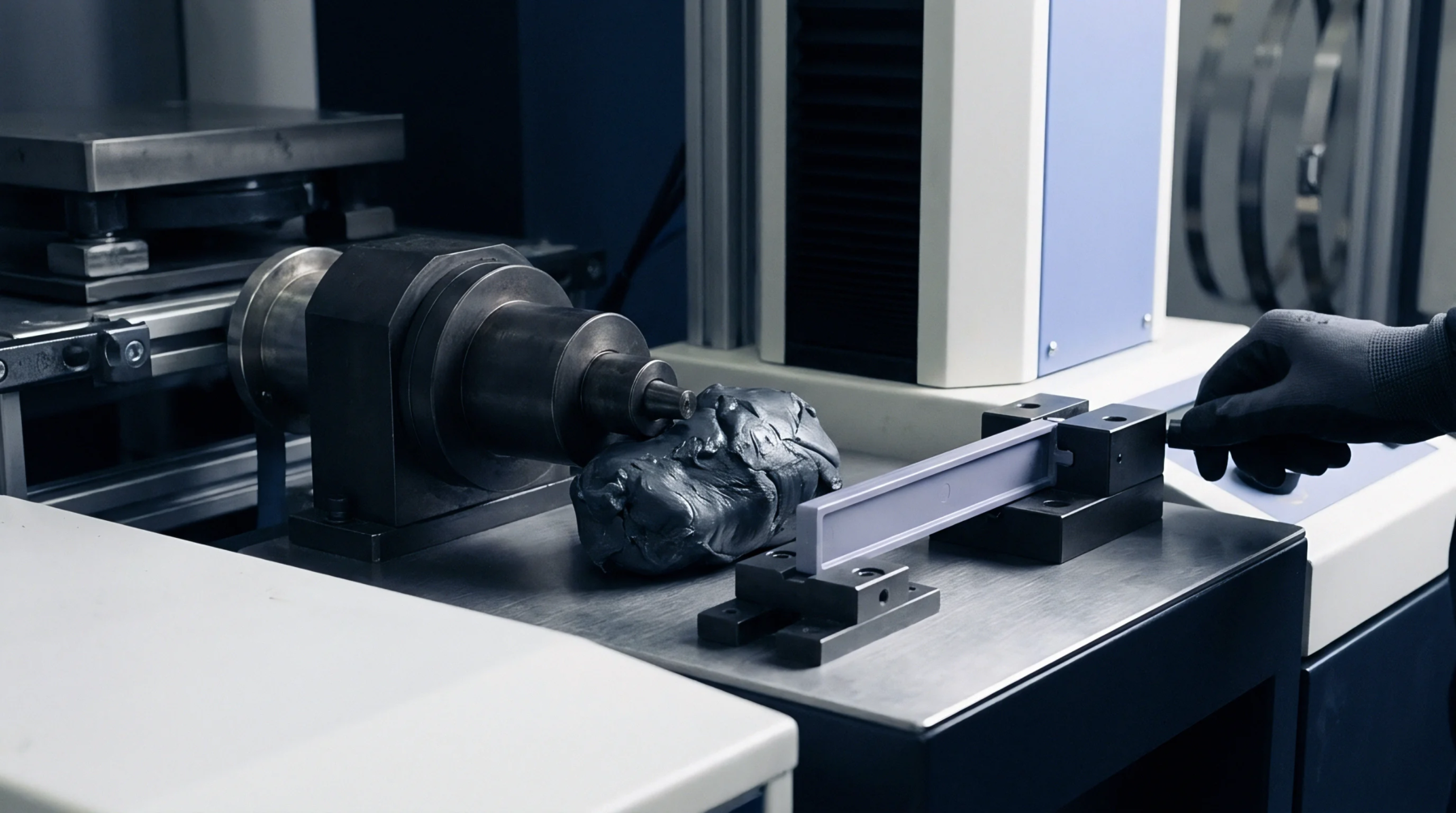
Co-extracted polymer matrix components suppress electrospray ionization signals, requiring isotopologue compensation to prevent false migration compliance.

Screening polymeric minor assembly additives requires precise cryo-milling, solvent extraction, and mass spectrometry to confirm regulatory compliance limits.

Sourcing thin-wall PP homopolymer demands qualifying melt flow rates above 60 g/10 min while auditing peroxide residues to protect mechanical impact.
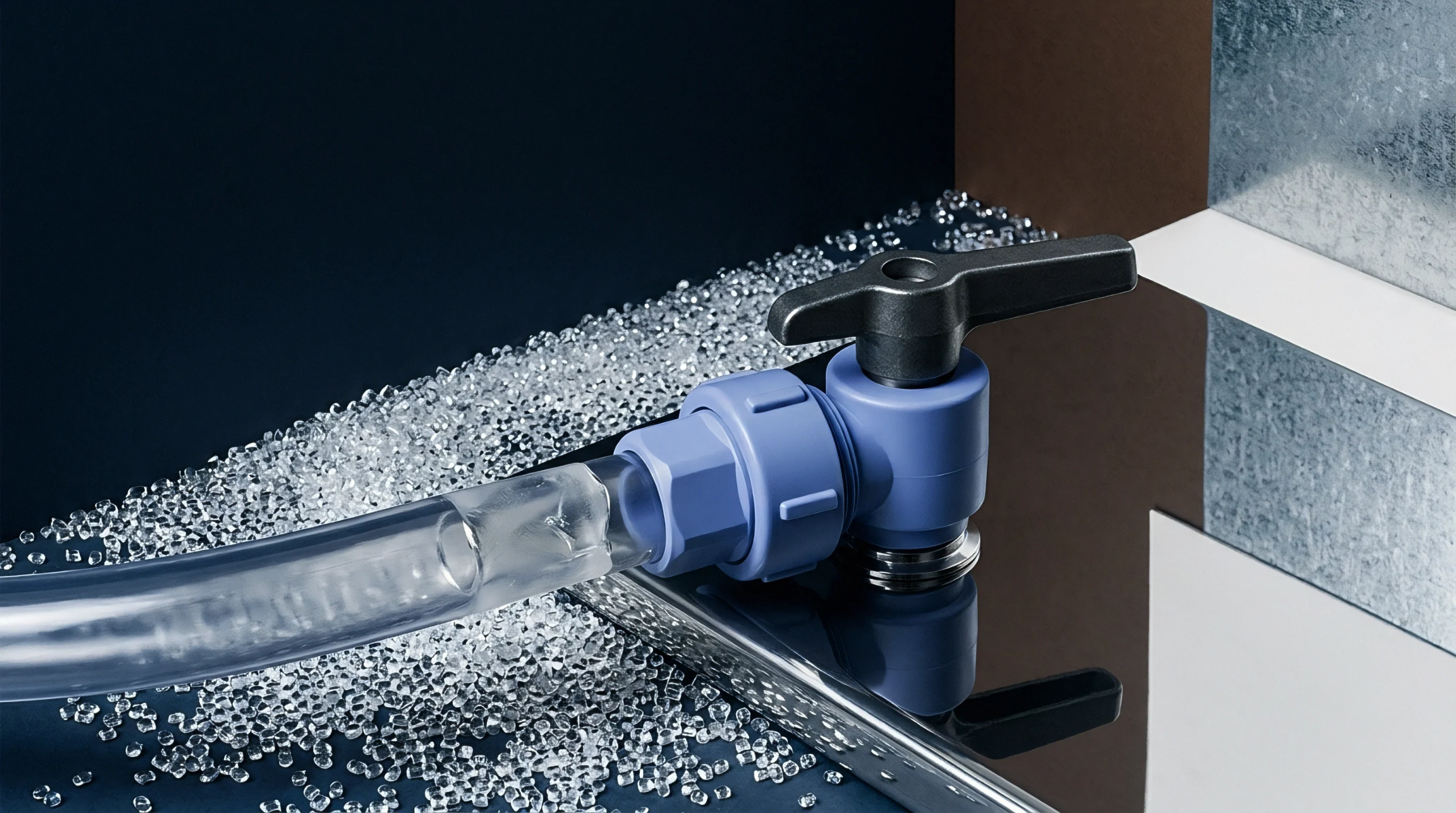
Preparative isolation of low molecular weight polyolefin fractions requires rigorous thermal solvent extraction to verify food contact compliance and REACH boundaries.

Mass balance accounting requires rigorous yield loss deductions and fuel exclusion rules to legally defend circular resin claims during regulatory audits.

Managing recycled plastic compliance under EU waste rules requires challenge-tested decontamination, accredited migration testing, and audited traceability dossiers.
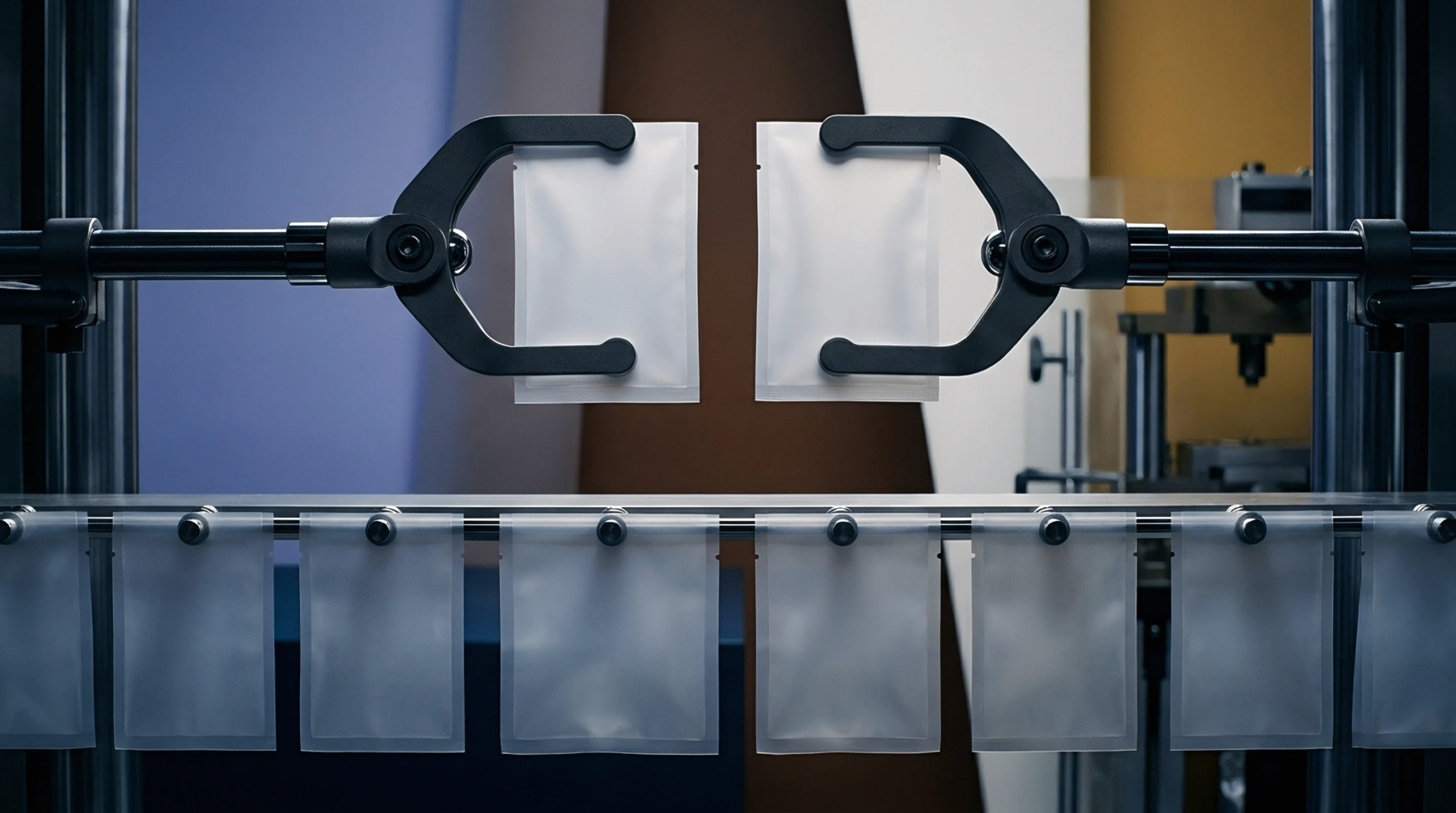
Verify bulk plastic packaging against pre-production certificates using lot-specific AQL dock sampling, ATR-FTIR screening, and full DoC dossier traceability.

Verify primary aromatic amine compliance by demanding LC-MS/MS test reports for finished converted articles tested in 3% acetic acid under batch-matched DoCs.
Expertise is a utility, not a secret. sentiention™ publishes its working knowledge as open reference: intelligence layer covering the materials it sources, the markets it enters, and the reference that serves both.