Sourcing Polypropylene Homopolymer Grades for Thin Wall Packaging Applications
Sourcing thin-wall PP homopolymer demands qualifying melt flow rates above 60 g/10 min while auditing peroxide residues to protect mechanical impact.

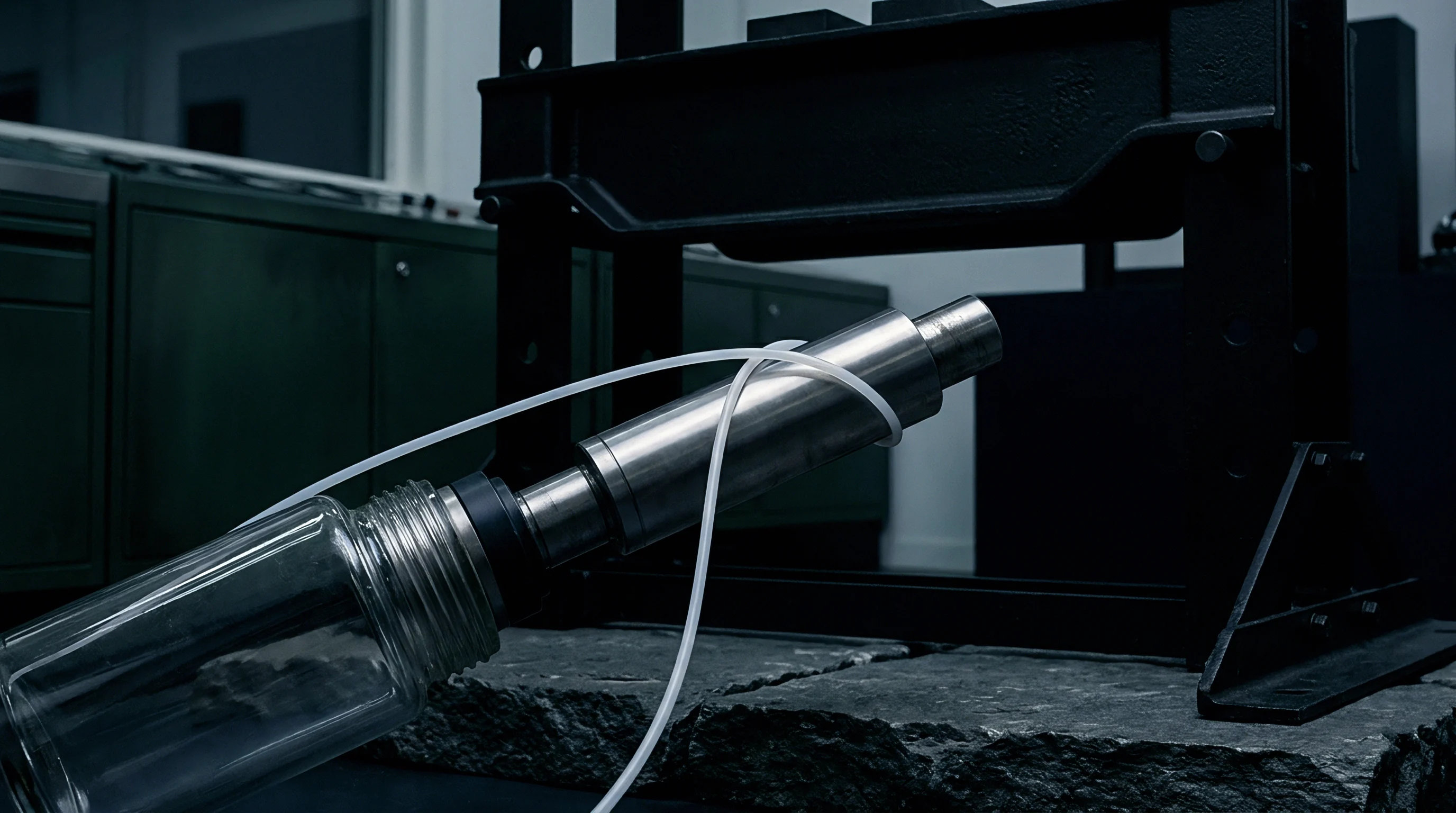
Silo
Pneumatic discharge of bulk high melt flow polypropylene homopolymer for thin-wall injection moulding creates immediate handling risks. Grades targeted at wall thicknesses from 0.35 mm to 0.60 mm use narrow molecular weight distributions, with melt flow rates between 40 g/10 min and 125 g/10 min under ISO 1133 condition M (230 °C, 2.16 kg load). Fresh out of synthesis reactors or peroxide visbreaking extruders, these polymers present physical quirks inside storage silos.
Even if a shipment meets its melt index target on the supplier’s certificate of analysis, it can still cause failures on the moulding floor if pneumatic lines create fines, streamers, or bulk density swings before the resin reaches the feed throat.
Pellet condition directly dictates line speed. Conveying lines running at high transfer pressures easily fracture these fragile granules, creating dust and streamers that clog hopper screens. With thin-wall packaging cycle times tight at 2.2 to 4.5 seconds, minor bulk density swings lead directly to dosing errors in the barrel.
A shot weight drift over 0.8 percent is enough to cause short shots or flash across multi-cavity food container moulds. Standard homopolymers straight from reactor polymerization have broad molecular weight distributions; they offer solid melt strength, but they build up heavy hydraulic resistance in tight runners. Controlled rheology grades ~ made by adding organic peroxides like 2,5-dimethyl-2,5-di(tert-butylperoxy)hexane during compounding ~ narrow that distribution, cutting shear viscosity while reducing melt elasticity.

Pneumatic Transfer Mechanics and Fines Generation
Transfer line velocity needs tight regulation with high melt flow homopolymers. High-speed impacts against pipe elbows generate enough frictional heat to melt pellet surfaces, pulling out long, fibrous strands of angel hair. These strands slip past primary filter grates and pack into the feed throat, choking resin intake and driving melt temperature swings across barrel zones.
Accumulated fines disrupt the melt stream’s thermal history. Fine particles melt much faster than full-sized pellets in the screw feed section, prematurely consuming heat stabilizers and primary antioxidants such as tris(2,4-di-tert-butylphenyl)phosphite. Losing stabilizer protection this early leaves the polymer backbone exposed to thermo-mechanical chain scission through the screw transition zone.
As degraded fines mix with solid pellet cores, the melt viscosity becomes inconsistent, leading to optical haze, visible flow lines, and uneven core wall densities in clear polypropylene tubs.
Standard bulk handling systems generate streamer debris when transfer air velocities exceed eighteen meters per second during high-flow pellet conveying.
Tracking incoming lot variances across compounding lines prevents wall freeze. Moisture condensate on cold silo walls is another constant issue for nucleated homopolymers. Polypropylene is inherently hydrophobic ~ with 24-hour water absorption under 0.01 percent per ISO 62 testing ~ but surface moisture still pulls dissolved mineral salts and fine ambient dirt into the melt zone.
As that water flashes to steam in the barrel, micro-bubbles form in the high-shear area near the nozzle tip. They then collapse inside the mould cavity, producing splay, micro-voids, and surface defects that weaken top-load strength in stacked dairy packaging.

Material Failure Modes in Bulk Handling
Silo geometry controls discharge dynamics for ultra-high-flow pellets. Funnel flow leaves dead zones around the bottom radius of the cone, letting old resin sit for extended periods. When a fresh delivery is dumped on top of aged material, the outflow blends pellets with mismatched thermal histories and depleted additive packages.
- Streamer formation in transfer elbows chokes secondary hopper screens, forcing manual stops during continuous high-speed moulding runs.
- Bulk density stratification inside primary hoppers causes feed throat pressure swings, driving shot-weight variations outside tight part tolerances.
- Fines migration into the screw transition zone causes localized thermal degradation, resulting in black specks and yellow index drift in clear food containers.
- Moisture condensation on cold pellet surfaces forms steam micro-voids under high-shear injection, dropping rim impact strength in container lids.
Screening incoming resin before conveying keeps bulk contamination off primary production lines. Receiving inspections need to check pellet geometry, dust levels, and bulk density before opening silo valves. Unloading crews frequently note that high melt flow pellets arrive tacky from hot railcars, bridging over discharge gates and requiring mechanical agitation to move.

Viscosity
Choosing the right rheological profile for thin-wall packaging means looking at polymer behaviour at shear rates well past 10,000 reciprocal seconds, typical inside thin mould cavities. Standard melt flow index tests done under low shear on an extrusion plastometer at 230 °C with a 2.16 kg weight give only a single data point. That static number cannot predict how resin moves when forced through a 0.5 mm gate at injection speeds above 300 mm per second.
High-speed thin-wall moulding depends heavily on pseudoplastic shear thinning, where apparent viscosity drops by orders of magnitude under steep velocity gradients.
Polypropylene homopolymers for thin-wall parts fall into two broad structural groups: high-MFR reactor grades and visbroken controlled rheology grades. Direct reactor synthesis with modern Ziegler-Natta or metallocene catalysts achieves high flow rates while preserving a broader molecular weight distribution. These reactor resins keep higher melt elasticity and zero-shear viscosity, aiding structural integrity during ejection and keeping complex container walls from sagging.
Visbroken grades start as lower-MFR polymers and undergo controlled chain scission in an extruder via organic peroxides. Visbreaking selectively cuts the longest chains, narrowing the molecular weight distribution to drop shear viscosity sharply at high flow rates.

Rheological Characterization for High-Shear Tooling
Capillary rheometry generates the flow curves required to calculate pressure drops accurately in thin-wall tooling. Testing per ISO 11443 from 100 to 100,000 s⁻¹ highlights entry pressure losses and shear-thinning behavior across candidate resins. Broad molecular weight distribution homopolymers shear-thin readily at moderate rates, but their apparent viscosity plateaus at very high shear as chain alignment hits its limit.
Controlled rheology grades with narrow distributions hold lower apparent viscosities under extreme shear, filling 0.40 mm wall sections cleanly without driving up oil temperatures or hydraulic pressures.
Wall thickness dictates required injection pressure. The flow length to wall thickness ratio (L/t) largely dictates resin choice. Above an L/t of 250:1, standard homopolymers with melt flow rates below 30 g/10 min freeze off before the cavity is filled.
Controlled rheology grades between 60 g/10 min and 120 g/10 min avoid premature gate freeze by generating less viscous dissipation heat from internal friction. Uncontrolled shear heating can push local melt temperatures past 280 °C, triggering thermal breakdown, additive outgassing, and severe yellowing in clear containers.
| Property | Standard Reactor Grade | High-Flow Reactor Grade | Controlled Rheology Grade | Metallocene PP-H Grade |
|---|---|---|---|---|
| Melt Flow Rate (230 °C / 2.16 kg, ISO 1133) | 35 g/10 min | 70 g/10 min | 110 g/10 min | 85 g/10 min |
| Molecular Weight Distribution (Mw/Mn) | 5.5 – 6.5 | 4.8 – 5.8 | 2.4 – 3.0 | 1.9 – 2.3 |
| Flexural Modulus (23 °C, 2 mm/min, ISO 178) | 1550 MPa | 1650 MPa | 1720 MPa | 1850 MPa |
| Charpy Notched Impact (23 °C, ISO 179-1eA) | 2.8 kJ/m² | 2.2 kJ/m² | 1.8 kJ/m² | 2.1 kJ/m² |
| Heat Deflection Temp (0.45 MPa, ISO 75-2) | 98 °C | 104 °C | 112 °C | 118 °C |
| Haze (1 mm plaque, ASTM D1003) | 42 % | 38 % | 22 % (Nucleated) | 12 % (Clarified) |
Finding the right material balance means choosing an MFR high enough to fill the mould without sacrificing mechanical strength. Increasing melt flow through peroxide visbreaking drops average molecular weight. That lower molecular weight reduces tie molecules between polymer crystals, directly degrading environmental stress crack resistance and Charpy notched impact strength under ISO 179-1eA.
A tub moulded from a 120 g/10 min visbroken homopolymer offers great clarity and fast cycles, but risks brittle failure in cold storage or during automated drop tests.

Nucleation Effects on Viscosity and Crystallization Kinetics
High-flow thin-wall homopolymers almost always contain nucleating agents or clarifiers to recover mechanical properties lost to chain scission. Hyper-nucleators ~ like dicarboxylic acid salts or phosphate ester derivatives ~ drive heterogeneous crystallization at much higher cooling temperatures. Differential Scanning Calorimetry under ISO 11357 shows non-nucleated homopolymers crystallizing around 115 °C, whereas hyper-nucleated grades start crystallizing at 130 °C or higher at a cooling rate of 10 °C per minute.
Faster crystallization permits higher part ejection temperatures, cutting cooling times out of the cycle. But elevated crystallization temperatures also trigger a sudden rise in melt viscosity as the polymer shifts from fluid to semi-crystalline solid. If nucleation is too aggressive, the resin begins setting before the cavity fills completely, causing short shots, high residual stress near the gate, and localized warpage.
Processing engineers must align the grade’s crystallization kinetics with the injection speed of the press.
Controlled rheology polypropylene with an MFR of 110 g/10 min under 2.16 kg load exhibits a polydispersity index below 2.8, sharply limiting swell at the gate.
Shifting from a conventional homopolymer to a hyper-nucleated controlled rheology grade reduces mold cavity pressure by 14 percent. Clarified homopolymers use sorbitol-based additives to shrink polypropylene spherulites smaller than the wavelength of visible light. This refined microstructure boosts clarity, bringing haze under 15 percent on a 1.0 mm plaque per ASTM D1003.
Sorbitol clarifiers need melt temperatures above 230 °C to dissolve fully into the matrix during compounding; running cooler leaves undissolved crystals that act as stress concentration points and lower impact resistance in thin walls.

Resin Qualification Decision Framework
Qualifying a new polypropylene grade for high-speed packaging requires verifying both flow characteristics and final part strength. Material planners cannot rely strictly on supplier datasheets, since published values come from static lab tests that rarely reflect fast moulding cycles.
- Verify low-shear and high-shear viscosity curves against capillary rheometry data to confirm mold filling across target wall thicknesses.
- Evaluate the molecular weight distribution using high-temperature gel permeation chromatography to assess stress cracking risks under load.
- Quantify total organic peroxide residues to prevent off-flavors, odors, and compliance issues in food packaging.
- Measure crystallization peak temperatures with differential scanning calorimetry to confirm cooling times match target cycle speeds.
- Conduct instrumental impact testing on molded containers using drop-test criteria from transport safety standards.
Rheology determines fill behavior, but the real balancing act is deciding how far to push visbreaking on an ultra-high MFR resin before peroxide breakdown products create taste and odor issues in sensitive food packaging.
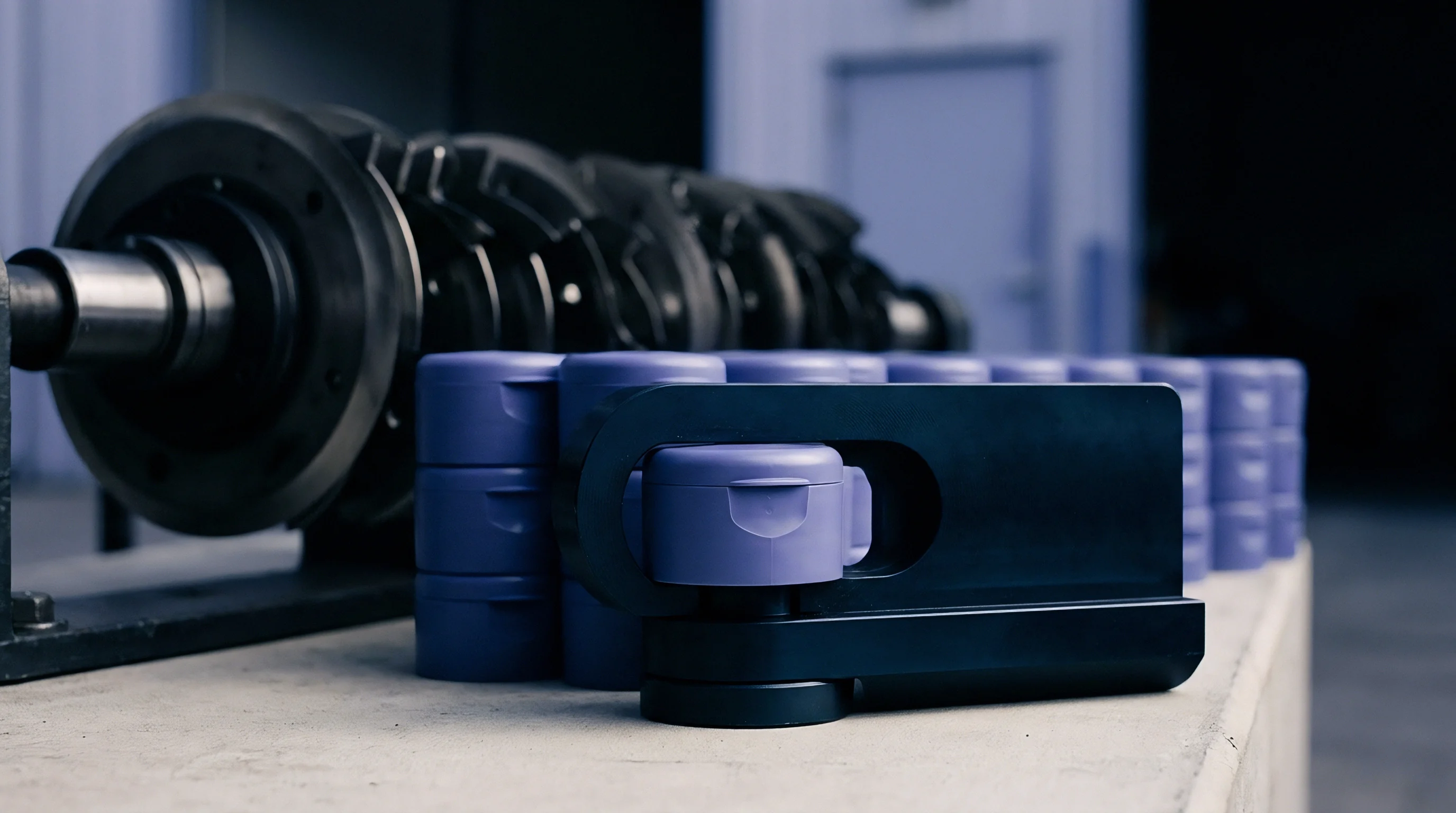
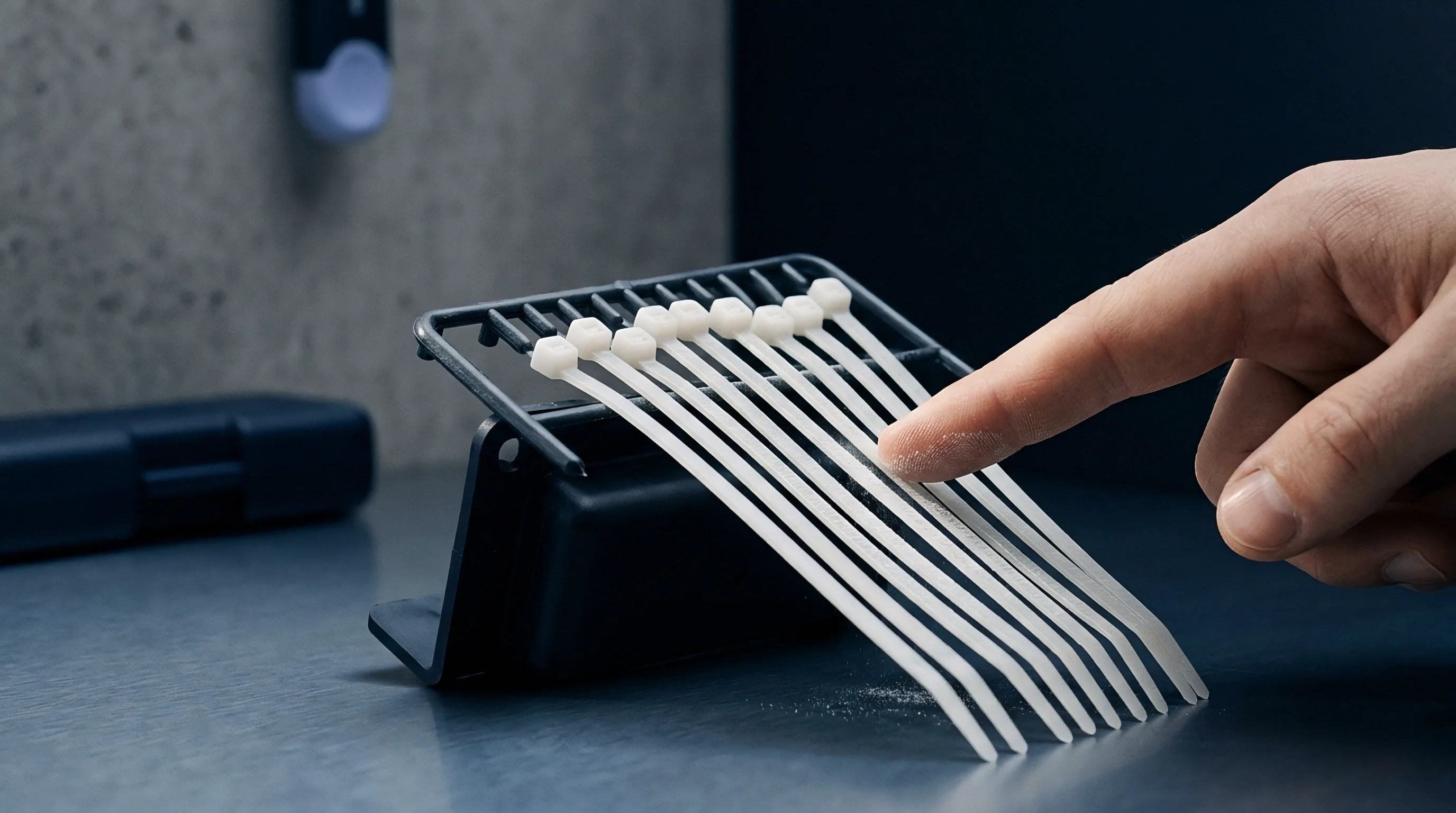
Gate
Tooling design for thin-wall parts centers on the point where molten polymer enters the cavity. High-speed homopolymer tools usually rely on valve gates or pin-point sub-gates with diameters between 0.6 mm and 1.2 mm. Forcing melt through these small openings at high velocity generates shear rates past 50,000 s⁻¹.
That friction can flash-heat the polymer by 20 °C to 40 °C in microseconds as it enters the impression.
Temperature control around the gate dictates local structural strength. Excessive shear heat breaks down polymer chains, weakening the resin right at the injection point. This shows up as gate blush, haloing, or brittle gate delamination under impact.
Meanwhile, homopolymers with high melt elasticity experience noticeable die swell past the gate, increasing drag along cold cavity walls and pushing core pins out of alignment in deep-draw tub moulds.

Why Does High Shear Rate Cause Molecular Degradation?
Steep velocity gradients inside small gate orifices force linear polymer chains to stretch out in the flow direction. Under severe hydrodynamic shear, long chains get stretched past their elastic limit. Mechanical forces break carbon-carbon bonds along the backbone, forming free radicals that trigger secondary oxidation.
This mechanical scission happens regardless of thermal degradation, though frictional heat speeds up the degradation rate.
Peroxide-visbroken grades are particularly susceptible to gate shear breakdown. Since visbreaking already shortened long chains and consumed part of the primary phosphite antioxidant package, high shear stress quickly depletes the remaining heat stabilizers. Secondary breakdown produces low-molecular-weight volatiles like acetone, tert-butanol, and substituted alkanes.
These volatiles drift to the melt front, causing micro-voids, burn streaks, and off-odors that ruin containers for dairy or confectionery use.

Gate Freeze and Cavity Pressure Dynamics
Once the gate freezes, flow stops. How fast the polymer solidifies in the gate controls hold time and shot weight stability. Thin-wall moulds run very short hold times ~ frequently under 0.5 seconds ~ to keep cycles fast.
If the gate seals off too early, cavity pressure drops before packing finishes, leading to sink marks near heavy ribs or rim sections.
On the flip side, slow gate freezing lets molten polymer bleed back into the hot runner during screw recovery. That backflow causes shot weight variations, built-in stress, and poor dimensional stability after ejection. Nucleated homopolymers help stabilize gate seal times by rapidly initiating crystallization once gate shear drops off.
Matching gate diameter to the grade’s crystallization rate is key to holding weight tolerances within plus or minus 0.3 percent across multi-cavity tools.
Gate shear heat can raise local polypropylene melt temperatures by thirty degrees Celsius, accelerating antioxidant consumption inside thin mold gates.
Evaluating shear viscosity curves across the processing window of thin-wall injection tooling establishes baseline flow limits. Standard tooling rules demand keeping gate velocity below critical limits to avoid jetting and orientation weakness. If high-flow resin enters a section much wider than the gate without touching the mould walls, it forms a free serpentine jet.
That jet cools before the main melt front catches up, leaving visible weld lines and weak spots that fail drop testing. Tweak gate entrance geometry, add micro-diverters, or raise mould wall temperatures to fix jetting without resorting to a higher-MFR resin.
Short gate land lengths cut pressure losses across high-speed tools. Keeping the land length under 0.5 mm lowers hydraulic resistance, which drops required injection pressures and can reduce machine clamp force requirements by up to 15 percent.


Yield
Calculating the true cost per thousand acceptable parts means factoring in resin purchase price, scrap rates, masterbatch let-down ratios, and electrical power consumption per kilogram processed. Ultra-high melt flow homopolymers carry a premium of 50 to 150 Euros per metric tonne over standard moulding grades. That extra material cost has to be weighed against cycle time gains, wall thickness downgauging, and scrap reductions on high-speed presses.
Trimming wall thickness from 0.55 mm to 0.42 mm reduces part weight by roughly 23.6 percent, delivering major material savings over long runs. But thinner walls increase flow resistance, requiring higher injection pressures and speeds. If the resin lacks adequate flow or stiffness, scrap jumps from short shots, wall flex, or crushed rims on automated packaging lines.
Dropping part weight only to watch scrap rise by 1.5 percent usually erodes overall margin.
| Parameter | Base Homopolymer (40 MFR) | Controlled Rheology (70 MFR) | Hyper-Nucleated CR (110 MFR) |
|---|---|---|---|
| Part Wall Thickness | 0.55 mm | 0.45 mm | 0.38 mm |
| Average Part Weight | 8.50 g | 6.95 g | 5.87 g |
| Total Cycle Time | 4.2 s | 3.4 s | 2.7 s |
| Resin Cost per Tonne | €1,280 | €1,350 | €1,440 |
| Electrical Power Consumption | 0.52 kWh/kg | 0.46 kWh/kg | 0.41 kWh/kg |
| Scrap Rate (Startup + Defect) | 1.2 % | 1.8 % | 2.4 % |
| Net Material Cost per 1,000 Good Parts | €11.01 | €9.55 | €8.66 |
| Net Production Rate (Parts/Hour/Cavity) | 846 | 1,041 | 1,300 |
Energy savings also feed into operational yield calculations. High-flow resins lower the hydraulic work demanded from injection units, cutting peak current draw during injection. Additionally, nucleated high-stiffness grades freeze at higher temperatures, letting plants run warmer cooling water.
Raising mould water temperature from 12 °C to 20 °C cuts chiller loads while preventing condensation on cavity surfaces in humid weather.
Yield Optimization Procedure
Optimizing unit cost requires systematic adjustment of resin selection, machine settings, and material usage to squeeze out maximum prime part output.
- Establish baseline cycle times, part weights, and energy metrics using current standard homopolymer grades.
- Audit masterbatch and additive let-down rates to verify thorough mixing in high-flow melt streams.
- Introduce a high-flow nucleated controlled rheology grade while trimming hold times in 0.05-second steps.
- Monitor peak hydraulic or electric pressure curves to pinpoint complete fill without pushing into flash.
- Step down barrel temperatures by 5 °C increments until shot weight variation exceeds 0.5 percent or visual splay shows up.
- Calculate net part unit costs, accounting for resin price differentials, machine hourly rates, and scrap data.
Running regrind changes the financial picture in thin-wall plants. Re-introducing runner scrap and rejected tubs into high-flow virgin resin introduces thermal history variations. Polypropylene passed through multiple extrusion cycles experiences chain scission, driving up the effective MFR while destroying impact resistance.
Mixing 15 percent regrind into a 110 MFR controlled rheology resin can drop top-load strength below shipping requirements, risking pallet collapse during cold chain transit.
Scrap rates dictate final margins. Buying cheaper non-nucleated homopolymers to avoid resin premiums usually backfires through longer cooling times, thicker wall requirements, and higher shipping weights. Those operational penalties quickly wipe out any upfront resin savings.


Dossier
Documenting raw material compliance for thin-wall food packaging requires a complete technical dossier covering food contact regulations, safety profiles, sensory testing, and traceability. Polypropylene homopolymers for food containers must comply with EU Regulation 10/2011 or FDA 21 CFR 177.1520 in North America. Procurement cannot rely on basic compliance letters; they need full lot traceability certificates and overall migration test reports.
Controlled rheology grades create additional regulatory hurdles because of peroxide breakdown products. Peroxides like 2,5-dimethyl-2,5-di(tert-butylperoxy)hexane decompose into tert-butanol, acetone, methane, and various oxide fragments during extrusion. Under EU framework regulations, these byproducts are classified as non-intentionally added substances (NIAS).
Buyers must confirm that total NIAS migration out of finished containers stays within legal limits using gas chromatography-mass spectrometry.

Regulatory Compliance and Certificate Analysis
Food contact approval requires thorough screening of all primary additives. Antioxidants, slip agents, anti-static packages, and nucleators must be listed on positive substance inventories with documented Specific Migration Limits. Erucamide or oleamide slip agents, added to reduce friction on fast denesting equipment, migrate to container surfaces and lower surface energy.
If slip concentrations pass 1,500 parts per million, surface energy drops below 32 dynes per centimeter, preventing labels or flexographic inks from adhering properly.
Organoleptic testing ensures resin will not impart off-flavors or odors to sensitive foods like water, dairy spreads, or chocolate. Testing per DIN 10955 seals resin samples in neutral test media at elevated temperatures for fixed periods, followed by evaluation by a trained sensory panel. High-flow homopolymers damaged by excessive extrusion heat or active peroxide residue generate hexanal and volatile fatty acids, leading to sensory test failures that disqualify the batch for food use.
Every incoming polypropylene lot intended for food contact packaging must carry a certified analysis detailing melt flow rate, density, and volatile organic content.
Raw material supply agreements specify maximum allowable peroxide residue thresholds. Resin contracts for packaging should specify exact analytical testing criteria for core physical properties. Certificates of Analysis for each railcar or pallet must report actual measured test values rather than typical datasheet ranges.
- Melt Flow Rate verification per ISO 1133 at 230 °C under 2.16 kg load, with allowable lot variation capped at plus or minus 7.5 percent from nominal.
- Pellet count and dust content measurements specifying a maximum of 50 milligrams of fines per kilogram of delivered granules.
- Volatile Organic Compound and NIAS screening reports confirming compliance with specific migration limits in food simulants.
- Color and optical metrics establishing maximum allowable Yellow Index values under ASTM E313 to maintain transparency.
Off-spec shipments disrupt production. Resin supply agreements ought to mandate 60 days’ written notice before a supplier modifies catalyst systems, plant lines, or additive formulations. Shifting from a legacy phthalate Ziegler-Natta catalyst to a non-phthalate internal donor alters crystallization rates and mold shrinkage, forcing full re-qualification of multi-cavity tooling.
Standard supply contract terms specify that resin lots failing Certificate of Analysis tolerances during receiving inspection are rejected at the supplier’s expense, with replacement lots guaranteed within five business days under standard commercial agreements.