Meaning
Chemical reactions that break the primary bonds of a polymer backbone result in a reduction of the average molecular weight. Frequent chain scission events occur when the material is exposed to excessive heat or moisture during processing. This molecular fragmentation transforms a high viscosity melt into a thin liquid that lacks mechanical integrity.
Molecular Failure
Bond breaking typically targets the weakest links in the polymer structure, such as the ester or ether linkages. As chain scission progresses, the physical entanglement of the molecules decreases, which leads to a loss of tensile strength and impact resistance in the solid part. The material becomes increasingly brittle as the number of short fragments grows.
Viscosity Shift
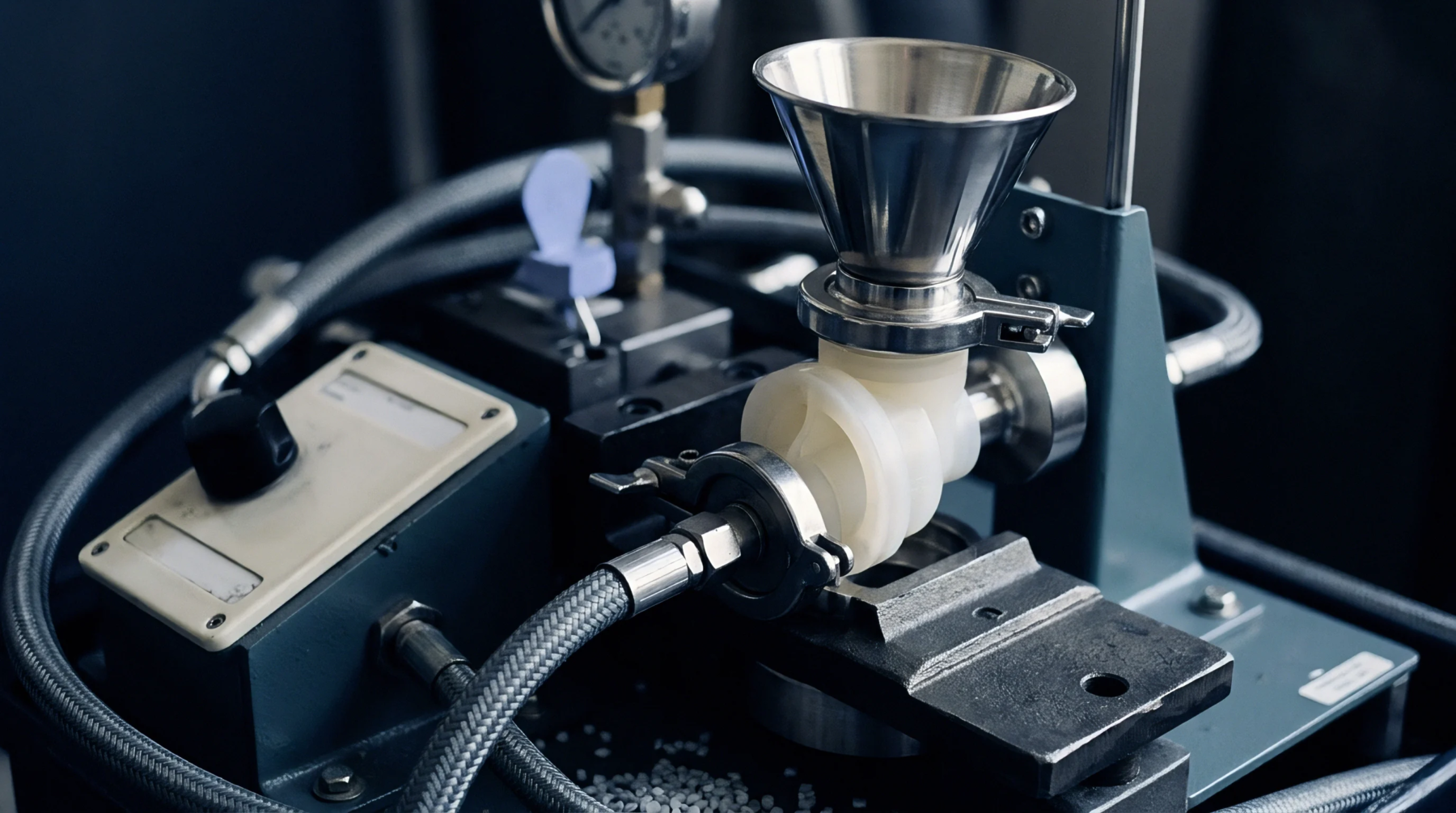
Monitoring the pressure at the nozzle provides an indirect way to detect when the polymer chains are snapping. Because shorter chains flow more easily, a sudden increase in the melt flow rate often indicates that chain scission is occurring inside the barrel. Molders must lower the melt temperature or reduce the residence time to stop this process.
Process Limitation
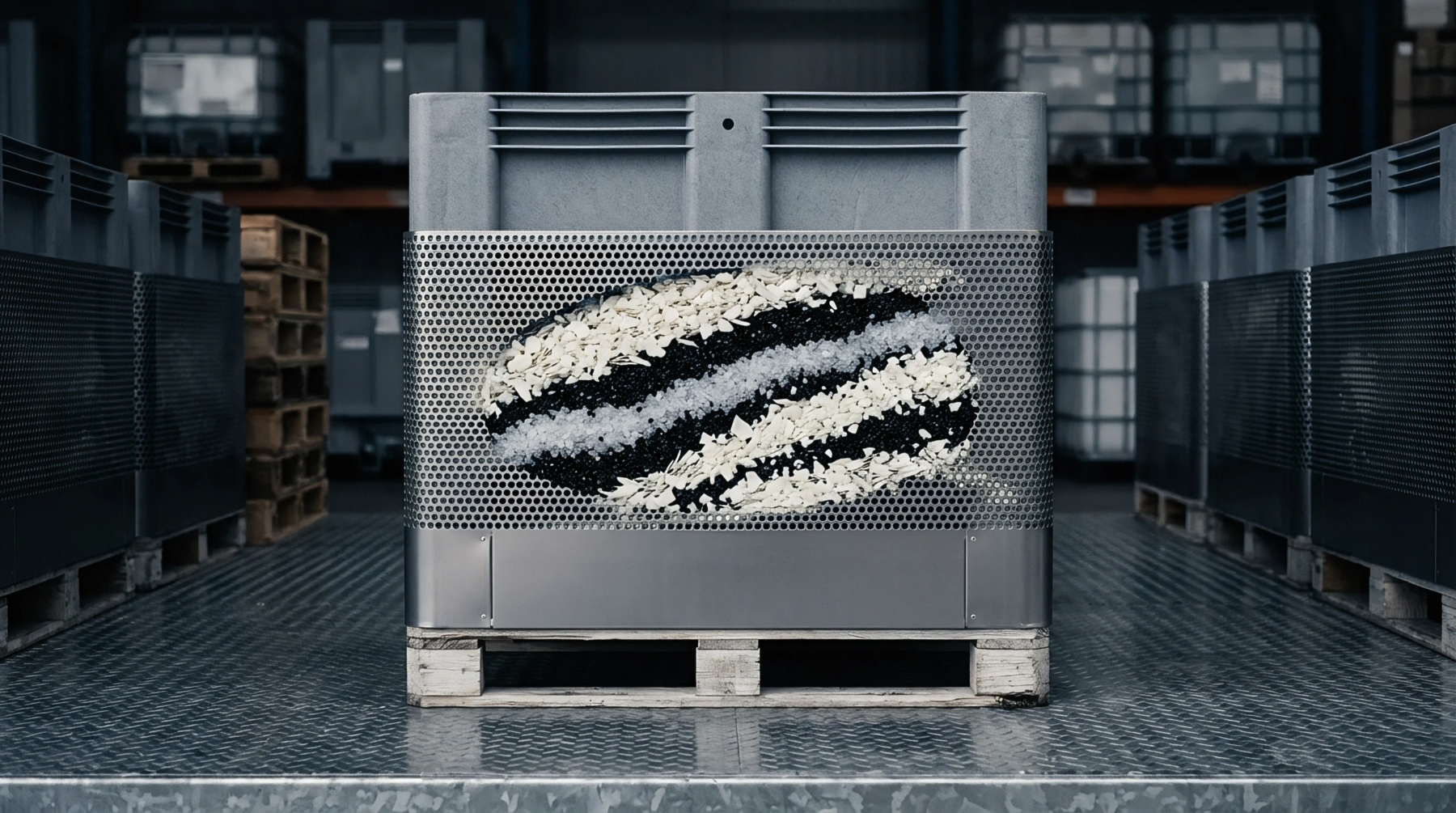
Recycled resins often suffer from accumulated damage that makes them more susceptible to further fragmentation. Even a small amount of regrind can introduce enough pre-broken chains to lower the overall performance of a virgin blend. Maintaining a stable molecular weight requires strict control over every thermal cycle the plastic undergoes.