
Determining Hydrolytic Scission Damage in Post Consumer Polyethylene Terephthalate Flakes
Hydrolytic scission in post-consumer PET flakes occurs when melt moisture exceeds 50 ppm, driving ester cleavage and lowering intrinsic viscosity.
Hydrolytic scission in post-consumer PET flakes occurs when melt moisture exceeds 50 ppm, driving ester cleavage and lowering intrinsic viscosity.

Polyethylene terephthalate thermal degradation elevates carboxyl end group concentration via beta-scission, providing a precise chemical record to audit processing history.
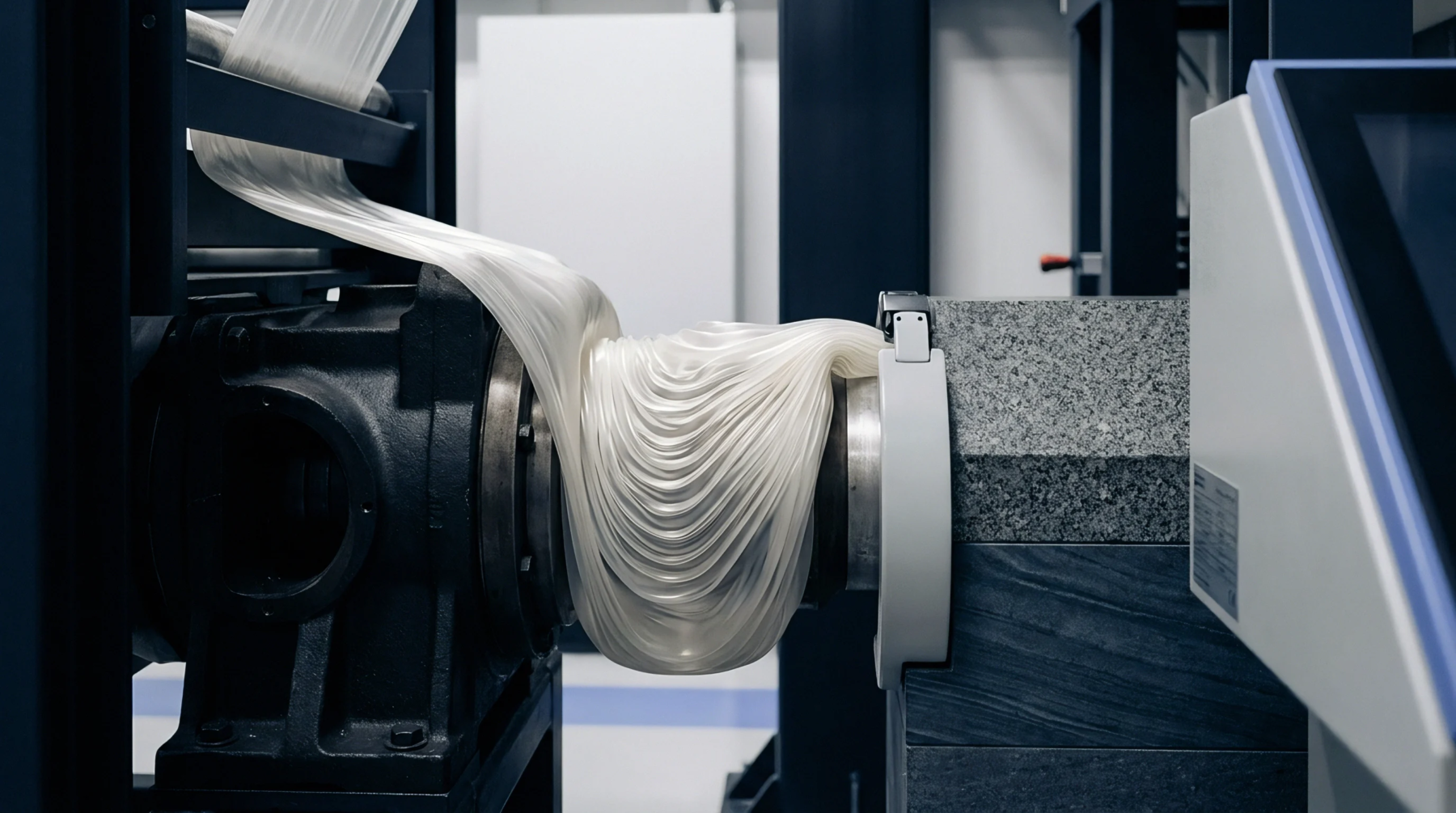
Enforce strict melt flow ratio limits and ISO 1133-2 testing to catch hydrolytic degradation in polyamides before bad resin enters injection molding tools.

Coulometric titration of rPET flake requires kinetic drift deconvolution to separate true moisture from aldehyde and glycol oxidation side-reactions.
Thermal moisture desorption baseline distortions in technical polyesters stem from aldehyde side-reactions and oligomer off-gassing, requiring non-methanolic Karl Fischer reagents and stepped heating profiles to prevent false moisture reporting and hydrolytic chain degradation.

Excess shear in wet PET orifices sparks localized thermal dissipation, accelerating ester scission and dropping intrinsic viscosity past acceptable limits.
Accelerated hydrolytic pre-conditioning at 58 °C reduces biopolymer molecular weight to microbial thresholds within 21 days for fast disintegration verification.

Coulometric Karl Fischer titration with thermal vaporization quantifies micro-ppm moisture in polyesters to prevent hydrolytic chain scission during processing.

Drift calibration isolates cell background current from true sample moisture, preventing hydrolytic degradation and avoiding false incoming resin lot rejections.
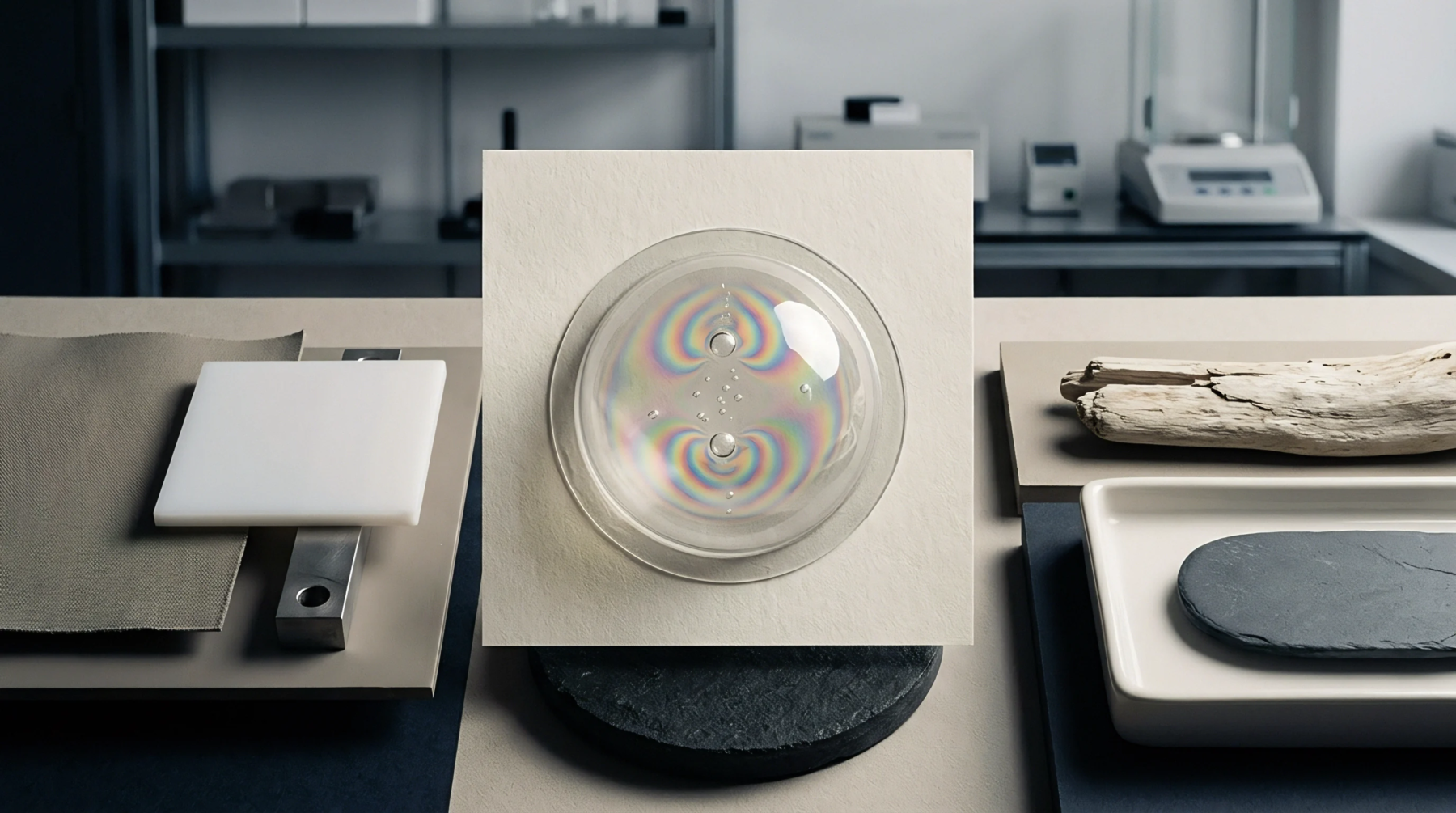
Karl Fischer moisture testing of recycled PET flake requires thermal desorption at 170 C with methanol-free reagents to eliminate volatile interference.
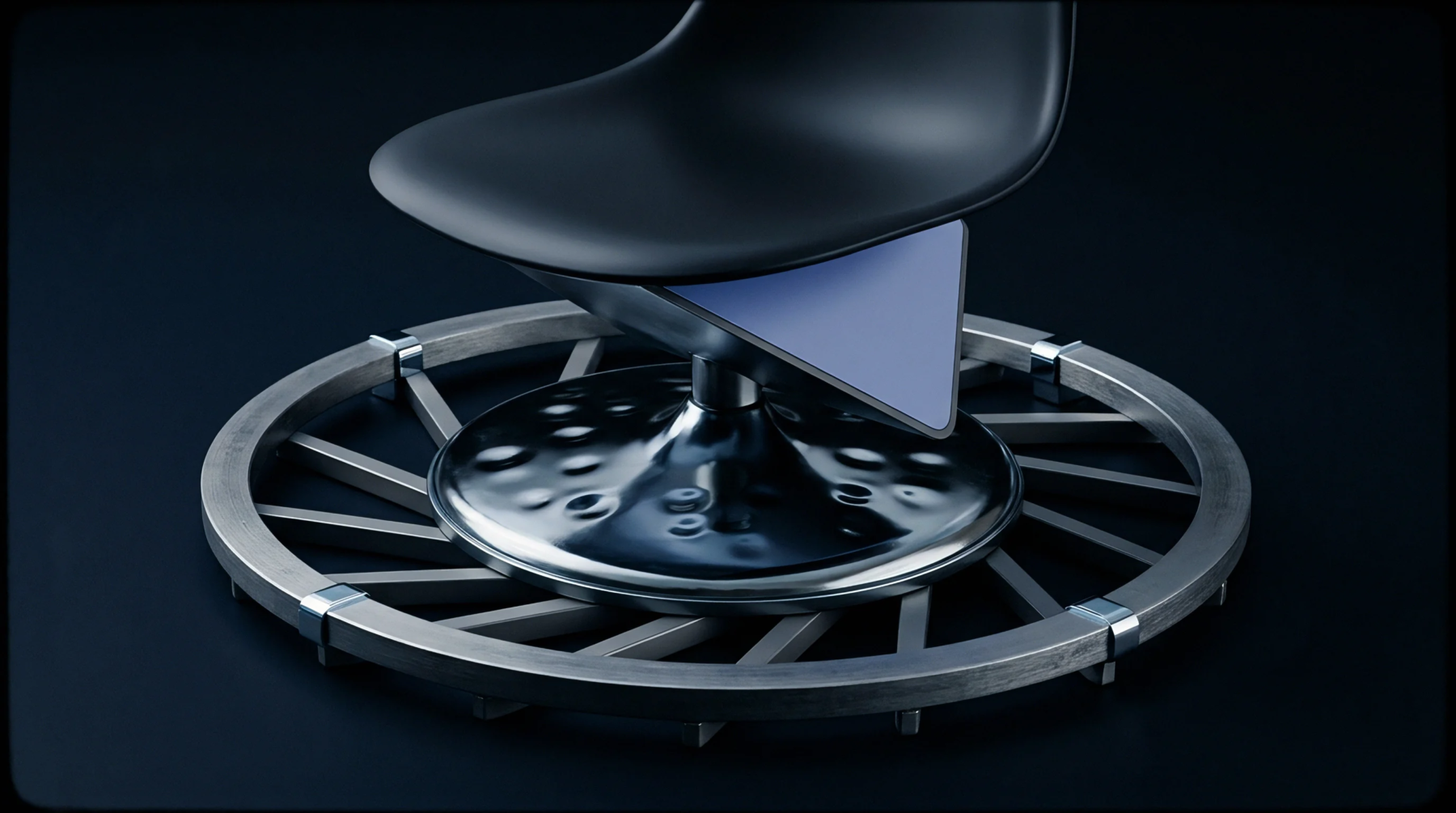
Polyethylene terephthalate ester bonds hydrolyze rapidly in melt above 270 °C, requiring drying below 30 ppm moisture to prevent intrinsic viscosity collapse.
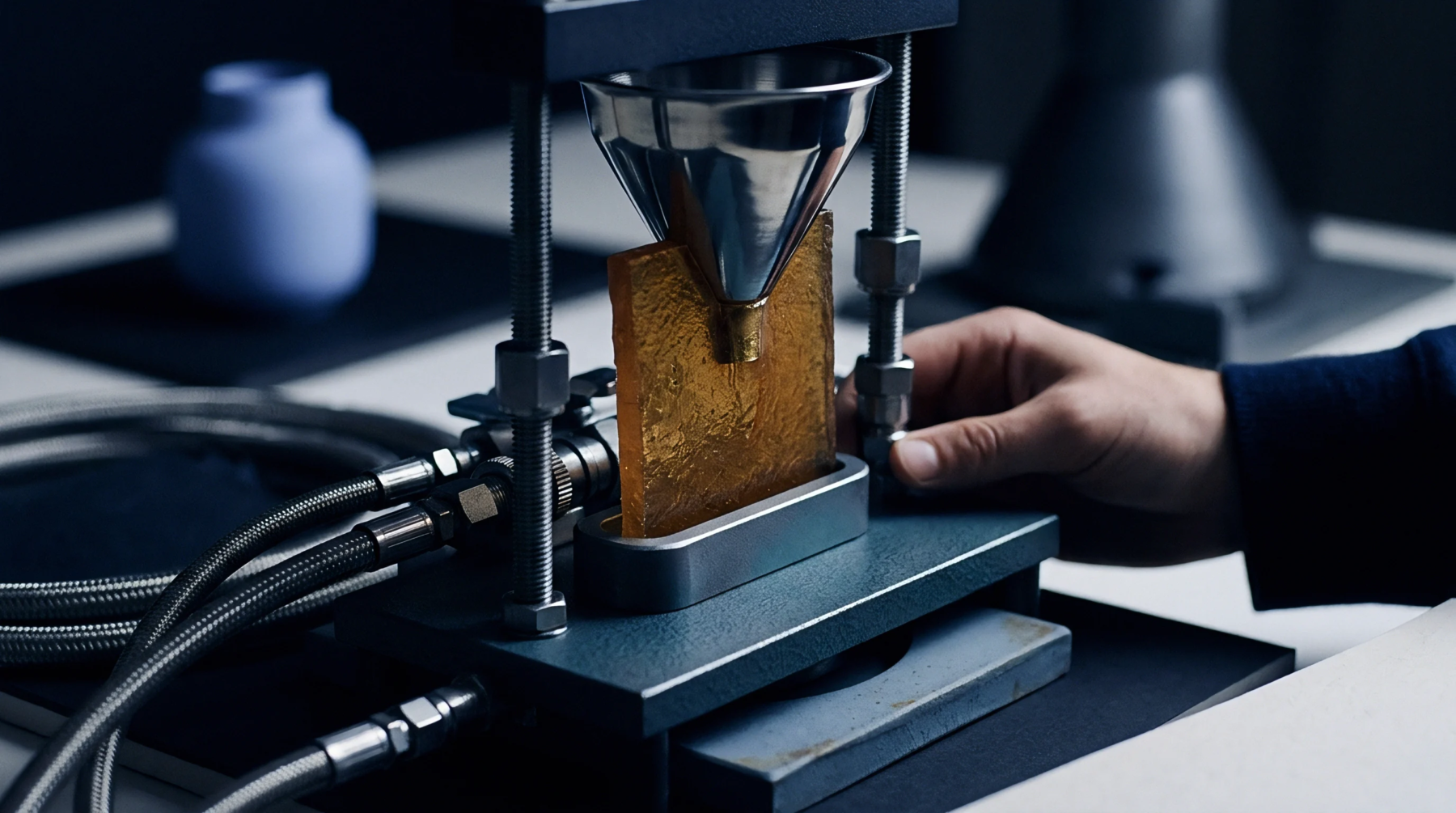
Coulometric KF titration overestimates bio-polyester moisture due to degradation side-reactions; kinetic baseline correction isolates physical moisture.
Expertise is a utility, not a secret. sentiention™ publishes its working knowledge as open reference: intelligence layer covering the materials it sources, the markets it enters, and the reference that serves both.