
Thermal Stability and Melt Processing Rules for Polyhydroxyalkanoate Resins
Polyhydroxyalkanoate processing demands strict moisture control below 200 ppm and residence times under three minutes to prevent cis-elimination chain scission.

Resin choice fixes cost, compliance route and end-of-life in one move. PE, PP, PET, PVC or bio-based, and the grade that actually ships differs by factory, not by datasheet. Source the polymer, not the promise.
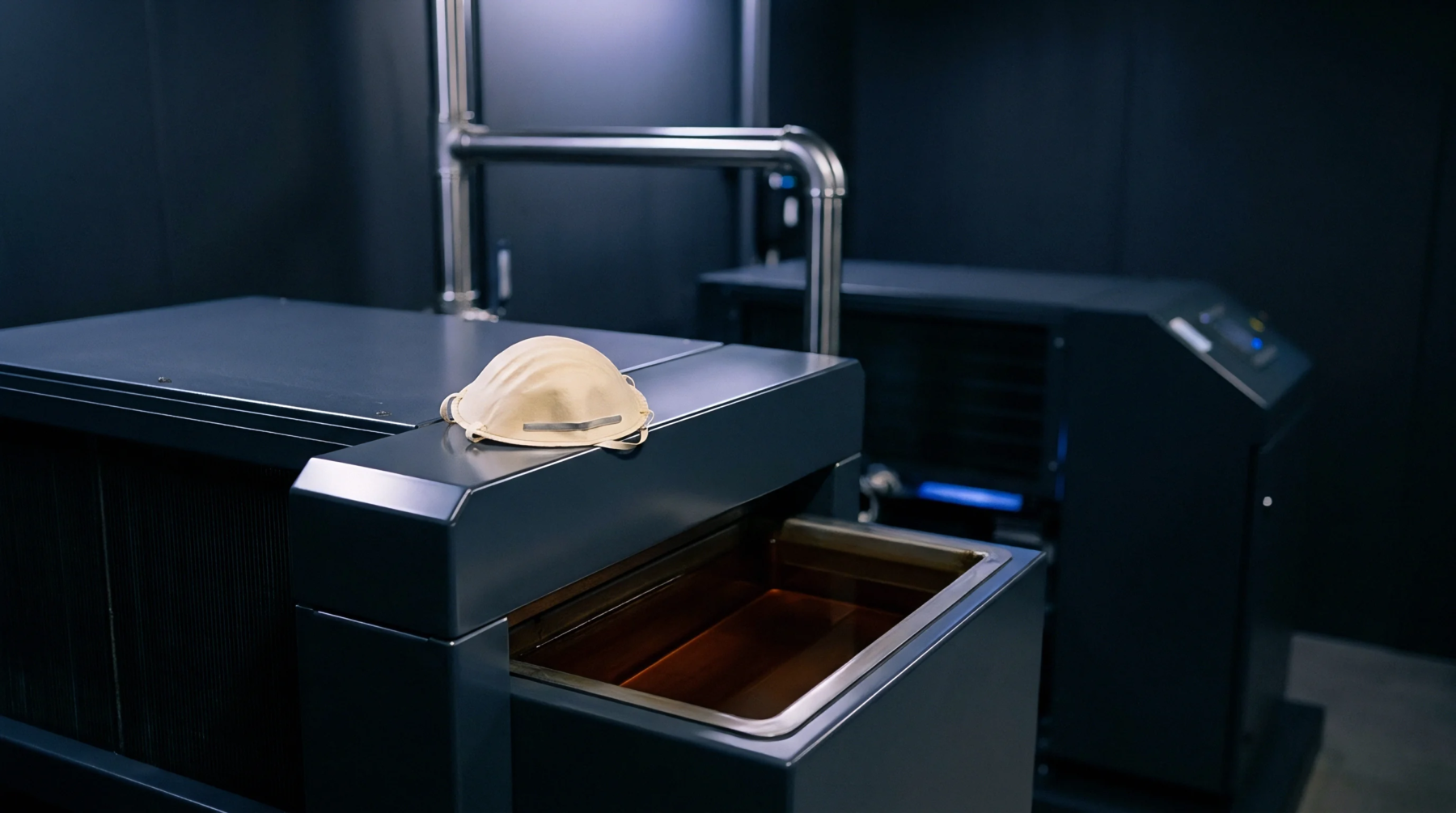
Polyhydroxyalkanoate processing demands strict moisture control below 200 ppm and residence times under three minutes to prevent cis-elimination chain scission.

Multi-tier polyolefin silo homogenization induces viscoelastic drift via thermal compaction and micro-shear, altering melt elasticity and wall thickness.

Isolating metal-mediated degradation in recycled polyolefins requires microwave acid digestion with ICP-MS and chelation stabilization to stop chain scission.
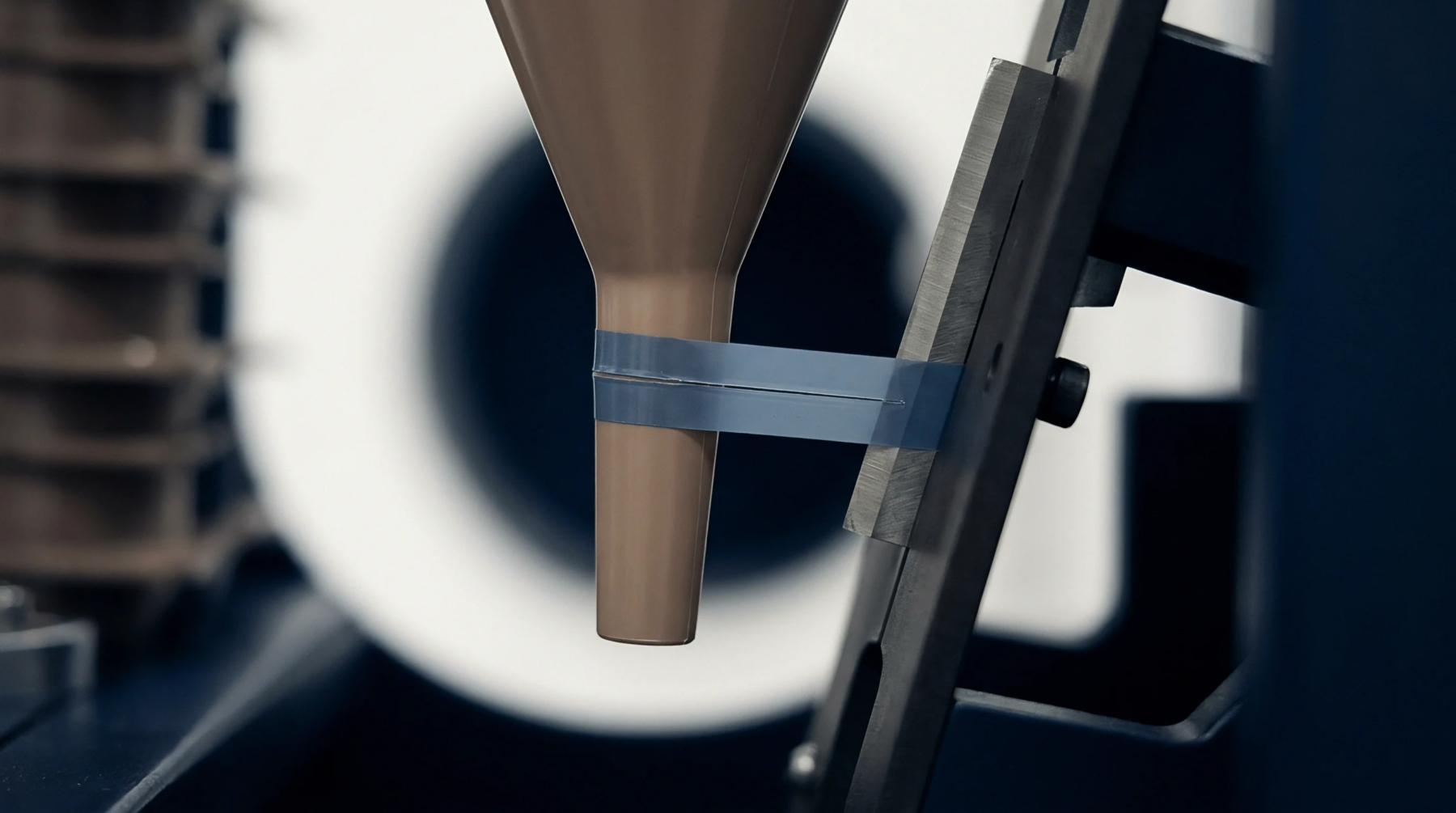
Polyolefin melt flow shifts reveal chain scission or crosslinking under repeated shear, requiring strict multi-point viscosity and antioxidant monitoring.
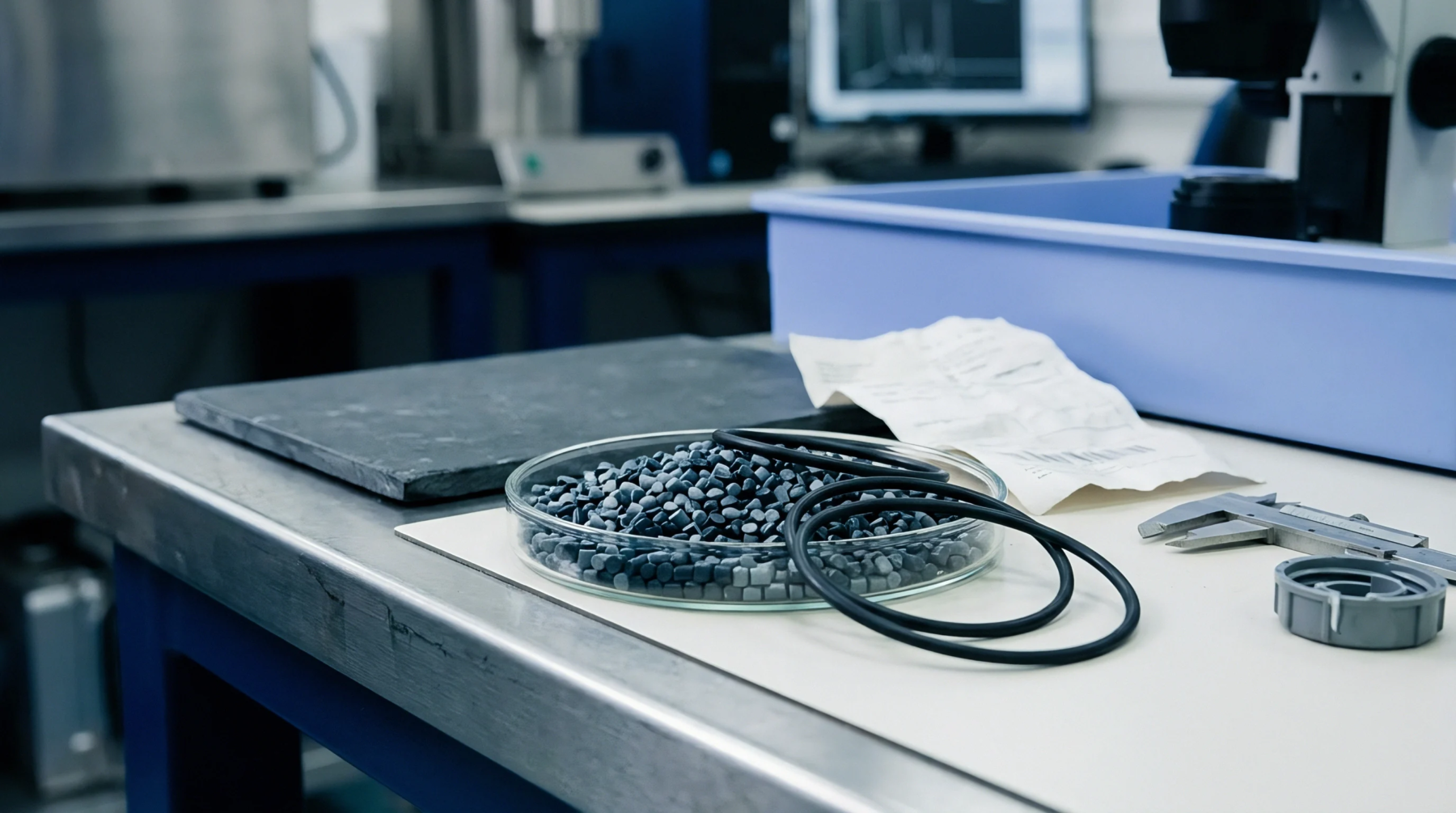
Phase inversion boundaries in recycled olefin fractions shift with shear rate, necessitating combined dynamic rheology and thermal analysis for domain sizing.

Deconvolution of DSC melt crystallization peaks isolates PE and PP fractions in recyclates to verify composition before compounding.
Injection, extrusion, thermoforming, blow, film. The process dictates tooling cost, MOQ and tolerance, so a part drawn for the wrong process becomes a quote that never lands. Match geometry to method early.

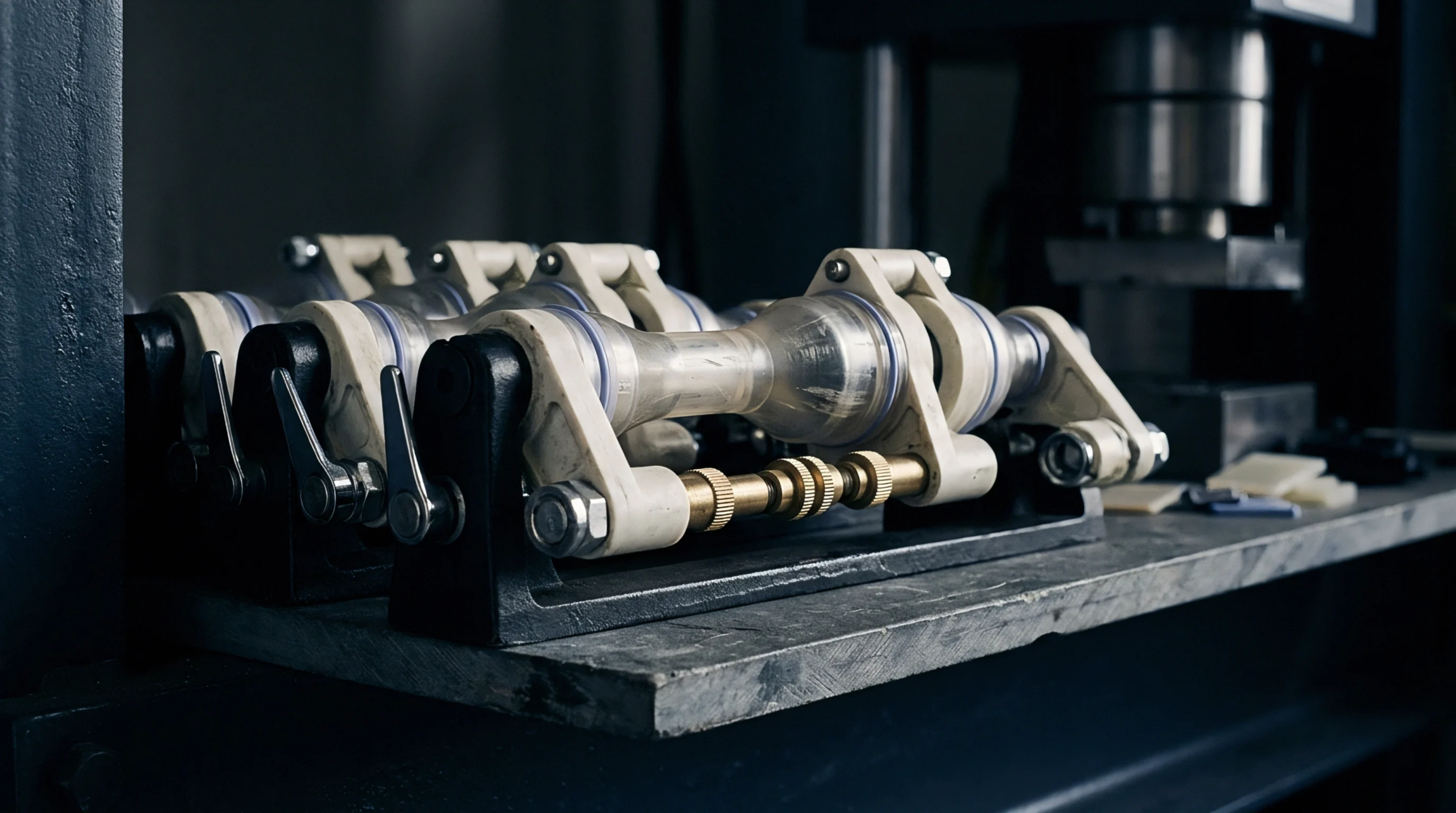
Predictive cavity pressure decay modeling optimizes packing profiles and tool dimensions for glass filled polyamides to eliminate sink marks and tight tolerances.

Stepped packing pressure profiles decay holding force to match gate solidification, preventing secondary shear flow and mitigating glass fiber alignment warpage.
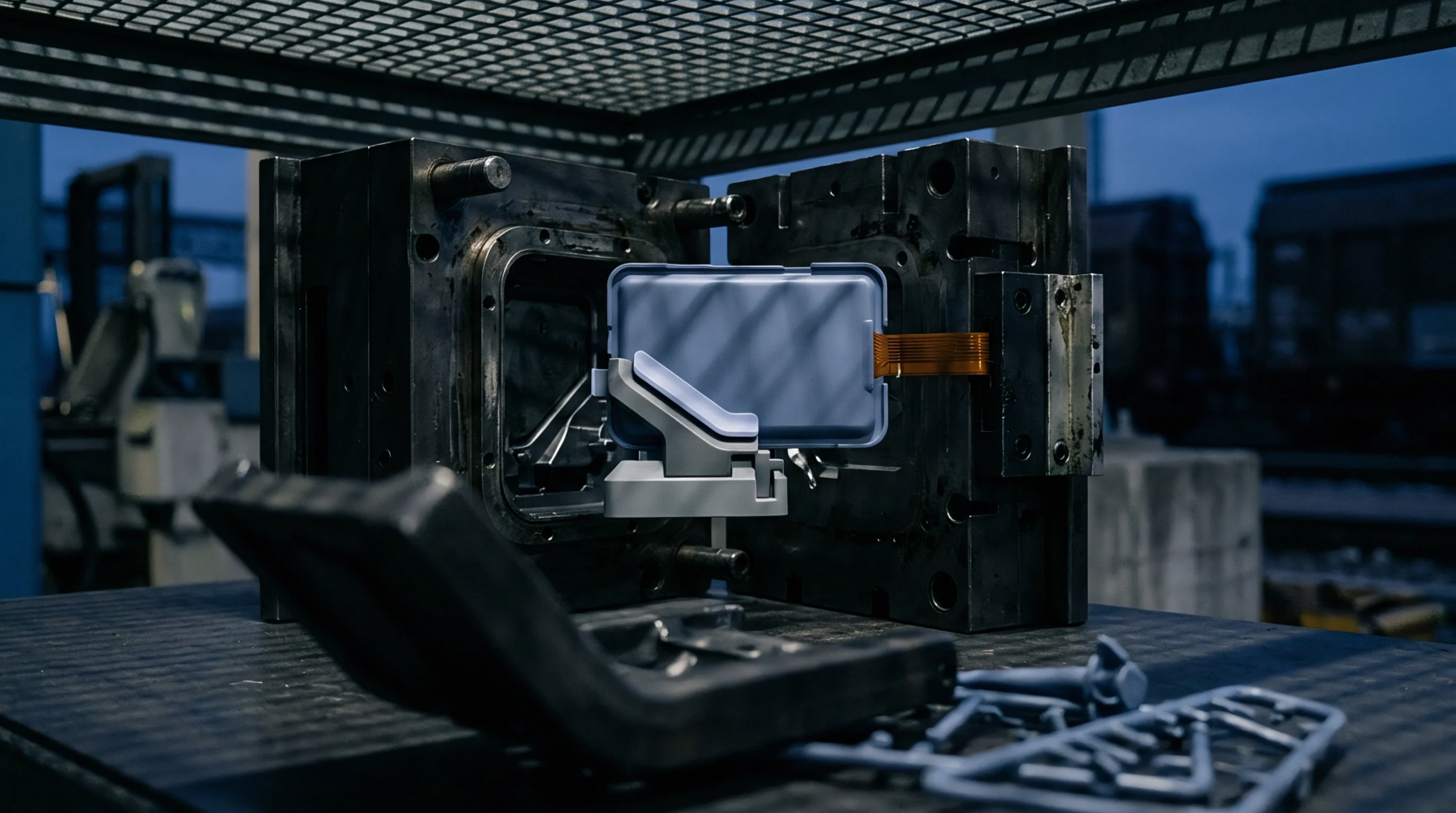
Controlling anisotropic shrinkage in reinforced polyamides requires directional shrinkage tool scaling, steel-safe cavity design, and optimized hold pressure profiles.

Predictive cavity pressure modeling maps dynamic PVT shrinkage variations directly to localized steel scale offsets, preventing scrap in high cavitation tools.

Decoupled III cavity pressure control mitigates glass-filled polyamide warpage by dynamically managing switchover and packing to equalize differential shrinkage.
Elevating peak cavity pressure compresses unreinforced polyamide melt, suppressing specific volume and reducing post-moulding linear shrinkage rates.
Plastic compliance is measured, not declared. Food-contact migration, REACH, PPWR: the test report belongs to the batch, never to the brochure. Treat regulation as a sourcing input.

Prevent mechanical ink set-off in flexible web stock by matching tension taper curves to core pressure limits and verifying cure thresholds.
Dynamic temperature spikes during thermoforming and hot-fill accelerate NIAS diffusion by thinning functional barriers and increasing polymer chain mobility.

Verifying functional barrier integrity in recycled polymers requires surrogate challenge testing, Fickian transport modeling, and precise lag time calculation.
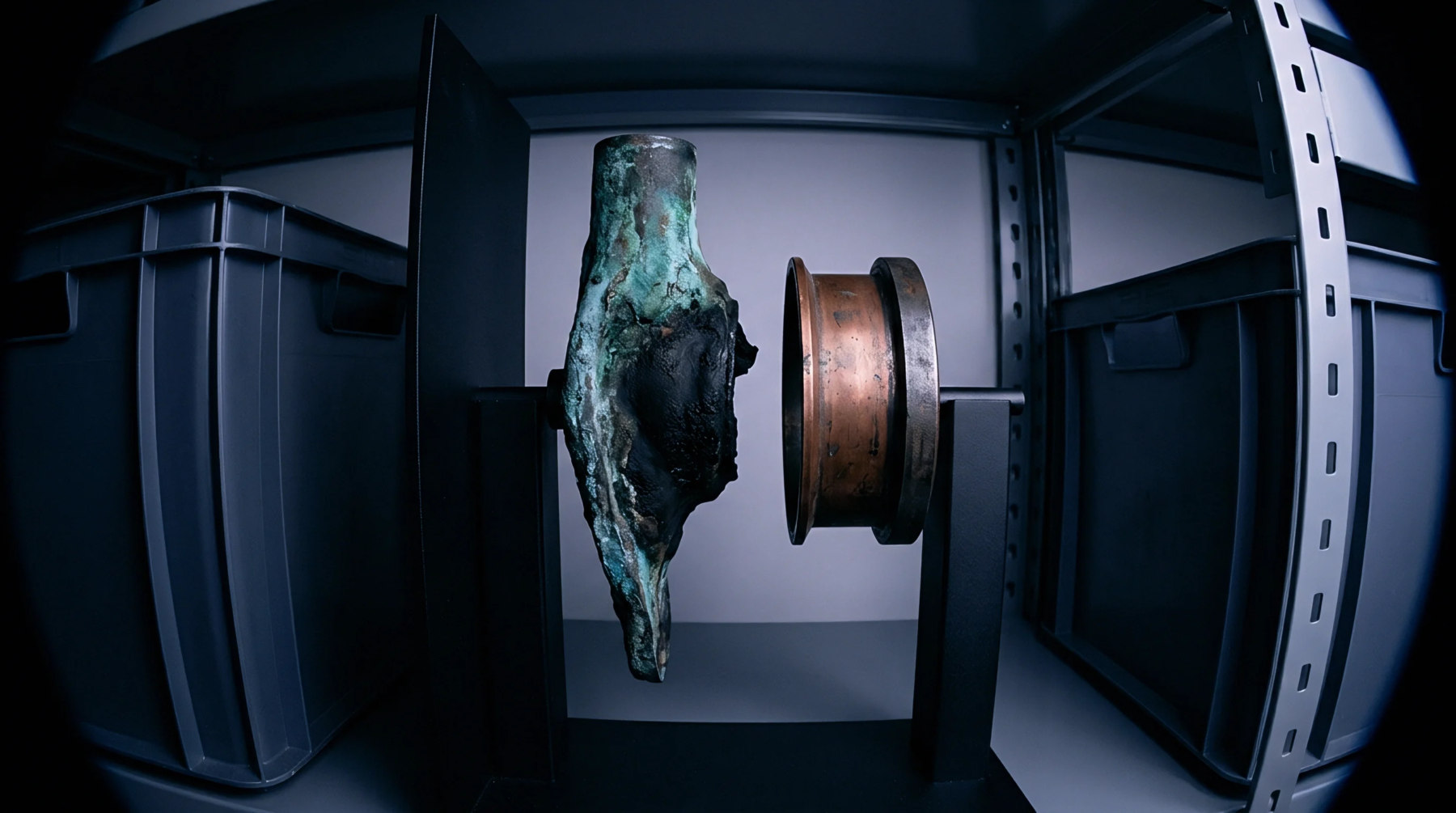
Mechanical recycling creates low-molecular-weight degradation products whose migration into food simulants requires batch verification and challenge-tested barriers.

Surrogate response factors vary by four orders of magnitude in electrospray screening, requiring conservative statistical multipliers for valid risk decisions.

Analytical evaluation thresholds set mathematical peak cutoffs in mass spectrometry screening to trigger toxicity reviews for unknown migrants.
Expertise is a utility, not a secret. sentiention™ publishes its working knowledge as open reference: intelligence layer covering the materials it sources, the markets it enters, and the reference that serves both.