Meaning
Analytical instrumentation quantifies volatile organic compounds in polymer matrices by separating mixture components through gaseous chromatography followed by mass spectrometric detection. This gc ms hardware vaporizes liquid or solid samples before carrier gases transport molecules through a capillary column coated with stationary phases. Differential migration rates result from specific chemical affinities between analytes and column coatings.
Mass spectrometers then ionize these separated compounds, fragmenting molecules into characteristic ions for identification based on mass to charge ratios. The process identifies trace additives, residual monomers or degradation products present within thermoplastic resins. Reliable identification stops when analyte concentration falls below detector sensitivity thresholds or if molecules undergo thermal decomposition during vaporisation phases before entry into columns.
Chemical Identification
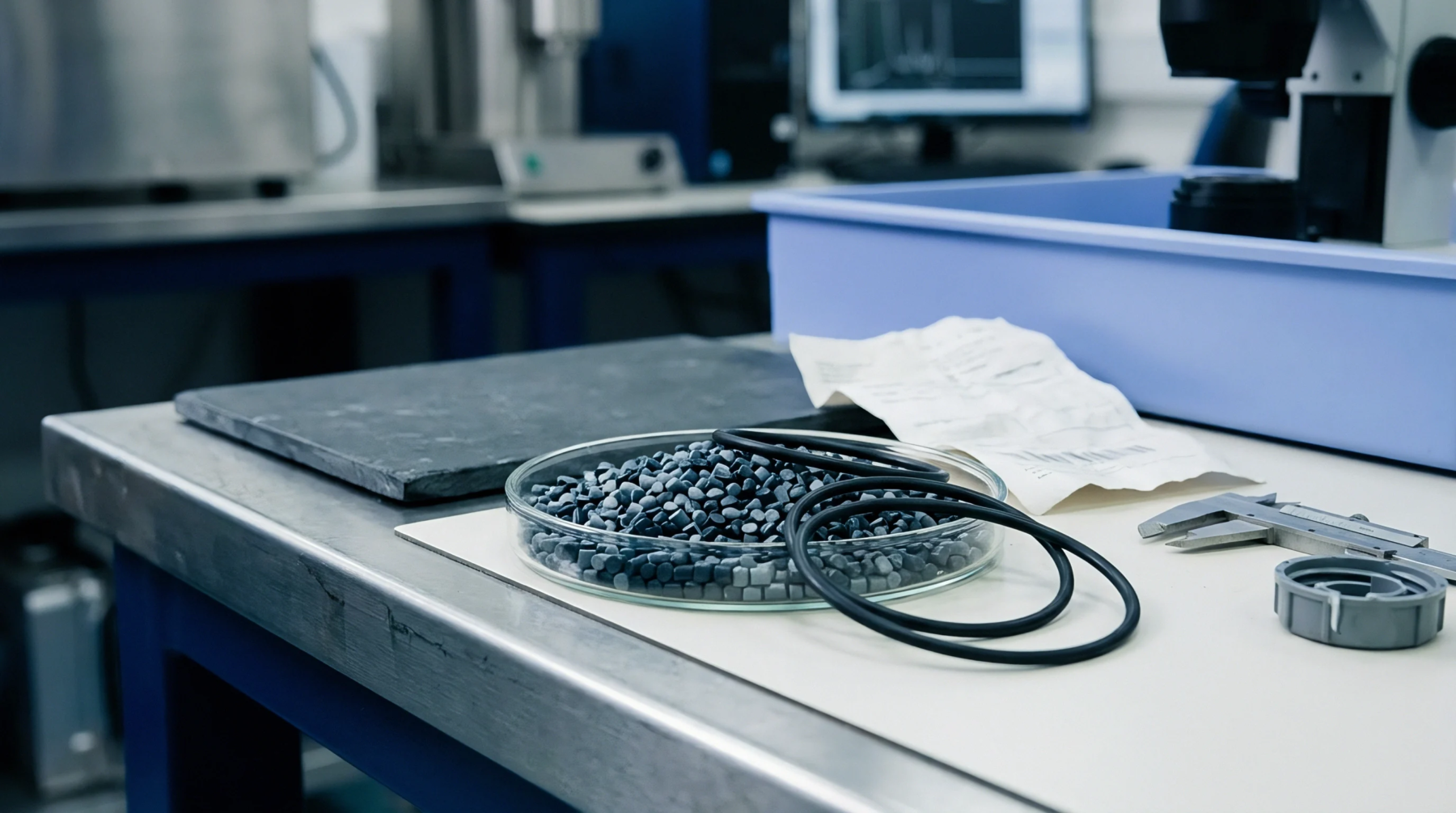
Polymer chemists employ gc ms to verify additive packages against supplier certificates of analysis. Precise quantitative results confirm presence of anti oxidants, flame retardants or plasticizers within virgin resin pellets. Discrepancies between datasheet values and measured results identify contaminated batches or regrind inclusion levels that deviate from production specifications.
Moulding facilities utilize these findings to adjust cooling times or barrel temperatures if volatile emissions indicate polymer breakdown. This technique distinguishes between molecular fingerprints of varying resin grades by mapping degradation profiles. Small shifts in detection patterns identify changes in raw material suppliers or processing additives that influence part integrity.
Accurate quantification prevents costly tool corrosion caused by acidic off gassing during production cycles. Measurements provide data on potential failure modes occurring when volatile species migrate toward part surfaces under high pressure.
Process Verification
Injection moulding operations monitor resin purity through gc ms to detect contaminants introduced during transport or storage. Excess moisture or foreign lubricants cause cosmetic surface defects like silver streaking or dull spots on moulded surfaces. Practitioners measure volatile content on samples taken from hoppers to confirm moisture levels align with drying requirements.
These analytical cycles protect cavity finishes from buildup of charred debris that occurs when degraded material leaves residues on cold metal surfaces. Differences between laboratory values and site measurements indicate drying system inefficiencies. Virgin resin grades maintain specific volatile profiles, whereas regrind shows peaks relating to thermal history or oxidation from previous processing cycles.
This instrument identifies specific compounds causing outgassing issues in enclosed automotive interior components. Proper verification reduces rejection rates by linking volatile concentrations to physical properties.
Instrumental Performance
Thermal stability remains the primary variable controlled during sampling for gc ms analysis. Precise temperature regulation inside the injection port prevents premature degradation while ensuring vaporization of high molecular weight analytes. Maintaining stable column head pressure ensures repeatability across multiple samples throughout production runs.
Calibration against known standards permits conversion of peak areas into mass concentrations for regulatory compliance. Variations in vacuum levels inside mass analyzers alter ion transmission efficiency, requiring routine maintenance to ensure consistent data quality. This analytical setup provides the resolution needed to detect subtle differences between resin lots that appear identical during physical testing.
Consistent performance requires clean inlet liners and frequent column trimming to prevent ghost peaks. Data reliability depends on maintaining high purity carrier gas flow throughout analysis. The analytical platform provides quantitative data for resin characterization.