Standardized Migration Test Methods for Food Contact Polymers
Verify polymer food contact via standardized simulant exposure, specific migration quantification, NIAS screening, and lot-matched ISO 17025 test dossiers.


Regime
Food contact compliance rests on physical measurement under specified exposure conditions. A polymer placed on a retail shelf or installed inside commercial food handling machinery operates under statutory migration limits. In the European Union, Commission Regulation (EU) 10/2011 governs plastic materials and articles intended to come into contact with food.
In the United States, the Food and Drug Administration enforces controls through Title 21 of the Code of Federal Regulations, spanning Parts 174 through 178. In China, standard GB 4806.1 sets general safety requirements, accompanied by GB 31604.1 for testing execution.
Each administrative territory establishes specific testing protocols that pair food simulants with defined thermal profiles. A material cleared under one jurisdiction frequently fails the exposure conditions specified by another. The test methods demand verification through either overall migration or specific migration limits.
Overall migration testing establishes the total non-volatile substance release from a contact surface into an inert medium. Specific migration testing tracks distinct chemical moieties identified by specific toxicological thresholds.
Under Commission Regulation (EU) 10/2011, the standard overall migration limit stands at 10 milligrams of total constituents released per square decimeter of food contact surface area, measured after designated exposure times and temperatures.
Testing laboratories evaluate materials by exposing test specimens to food simulants that approximate real foodstuffs. Simulant selection correlates directly with food chemistry. Table 1 organizes standardized test simulants across the European Union and United States regulatory spaces.
| Food Type | European Union Simulant | United States Simulant | Chemical Composition |
|---|---|---|---|
| Aqueous, neutral pH | Simulant A | Aqueous Simulant | 10 percent ethanol by volume or deionized water |
| Acidic foods, pH below 4.5 | Simulant B | Acidic Simulant | 3 percent acetic acid by weight in aqueous solution |
| Alcoholic content up to 20 percent | Simulant C | Alcoholic Simulant | 20 percent ethanol by volume in aqueous solution |
| Fatty foods, lipophilic substances | Simulant D1 and D2 | Fatty Food Simulant | 50 percent ethanol, vegetable oil, or refined olive oil |
| Dry, non-fatty matrices | Simulant E | Modified Cellulosic Simulant | Poly(2,6-diphenyl-p-phenylene oxide), known as Tenax |
A supplier often claims raw resin compliance based on generic pellet tests. Granulate testing ignores thermal degradation markers generated during extrusion or injection molding. Real compliance testing evaluates the finished article in its final physical form.
The buyer specifies the test standard, the exact simulants, and the anticipated operational contact window directly within the purchase agreement.
EN 1186 Part 1 sets general principles for overall migration testing into food simulants, while parts 2 through 9 outline specific physical configurations including total immersion, migration cells, and single-surface contact pouches.
When an importer selects an incorrect simulant, customs authorities reject the entry documentation, impound the cargo at the port of arrival, and assess bonded warehouse detention charges that eliminate the margin on the entire transaction.

Cell
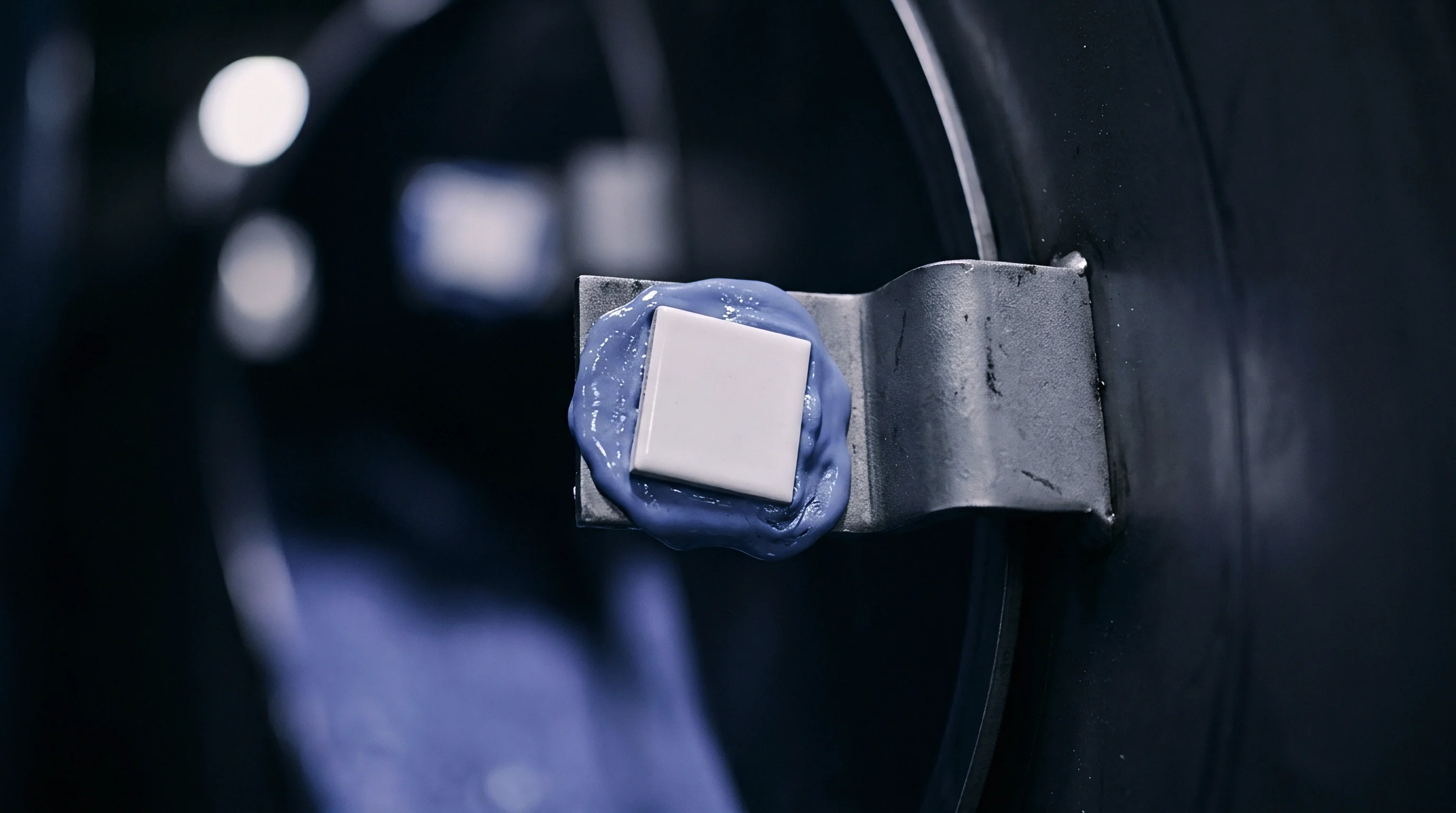
Physical execution of a migration test relies on controlled liquid containment. A laboratory technician mounts sheet samples, thermoformed trays, or cut film sections inside standardized contact cells. EN 1186 Part 4 specifies double-sided migration cells, whereas EN 1186 Part 5 defines single-sided exposure configurations.
Single-sided testing protects the exterior printing, lamination adhesives, and structural backing layers from artificial exposure to the solvent.
The standard testing ratio establishes six square decimeters of surface area per one kilogram or liter of liquid simulant. Deviations from this ratio distort migration calculations. Bottles, tubs, and volumetric packaging allow direct filling with the chosen simulant, sealing the mouth with inert glass plates or PTFE gaskets.
Article geometry dictates test hardware selection. Pouch testing under EN 1186 Part 6 isolates the inner food-contact surface by sealing two identical specimen sheets together along three edges, filling the cavity with preheated simulant, and welding the final margin shut.

Can Repeated Exposure Shift Total Residue?
Repeat-use kitchenware, process piping, and conveyor belting operate under distinct evaluation rules. European regulations direct testing bodies to evaluate repeat-use items over three consecutive exposure cycles with fresh batches of simulant. The migration value recorded during the third cycle determines compliance.
An increasing migration trend from the first to the third cycle reveals continuous polymer degradation or ongoing additive wash-out, triggering an automatic compliance failure regardless of absolute values.
Test durations and exposure temperatures duplicate predictable worst-case service lifetimes. Standard exposure conditions OM1 through OM7 span short-duration ambient storage through elevated thermal sterilization cycles. Table 2 compiles standard testing assignments from EN 1186 and EU 10/2011.
| Test Condition | Contact Window | Thermal Exposure | Intended Food Contact Application |
|---|---|---|---|
| OM1 | 10 days | 20 degrees Celsius | Frozen or refrigerated storage without thermal spikes |
| OM2 | 10 days | 40 degrees Celsius | Ambient storage exceeding 30 days, including chill contact |
| OM3 | 2 hours | 70 degrees Celsius | Hot-fill conditions or short contact up to 70 degrees |
| OM4 | 1 hour | 100 degrees Celsius | Boiling contact, short heating, or high-temperature processing |
| OM5 | 2 hours | 100 degrees Celsius or reflux | High-temperature applications exceeding 100 degrees Celsius |
| OM6 | 4 hours | 100 degrees Celsius or reflux | Worst-case conditions for all food simulants except Tenax |
| OM7 | 2 hours | 175 degrees Celsius | High-temperature oven and fatty contact exposure using oil |
Volatile extraction poses analytical hurdles. Fatty food simulant olive oil leaves non-volatile residues that dwarf the migrating polymer species. Technicians quantify migration into olive oil via adsorption chromatography or by derivatizing the extracted fatty acids into methyl esters for gas chromatographic quantification.
The analytical laboratory documents the cell type, the applied seal torque, the fluid volume, and the surface area exposed down to the square millimeter. Without those physical parameters, the resulting numeric declaration remains untraceable to any physical component.
A vendor routinely states that the factory run was produced on identical equipment using the same masterbatch, rendering physical testing redundant.
Partition
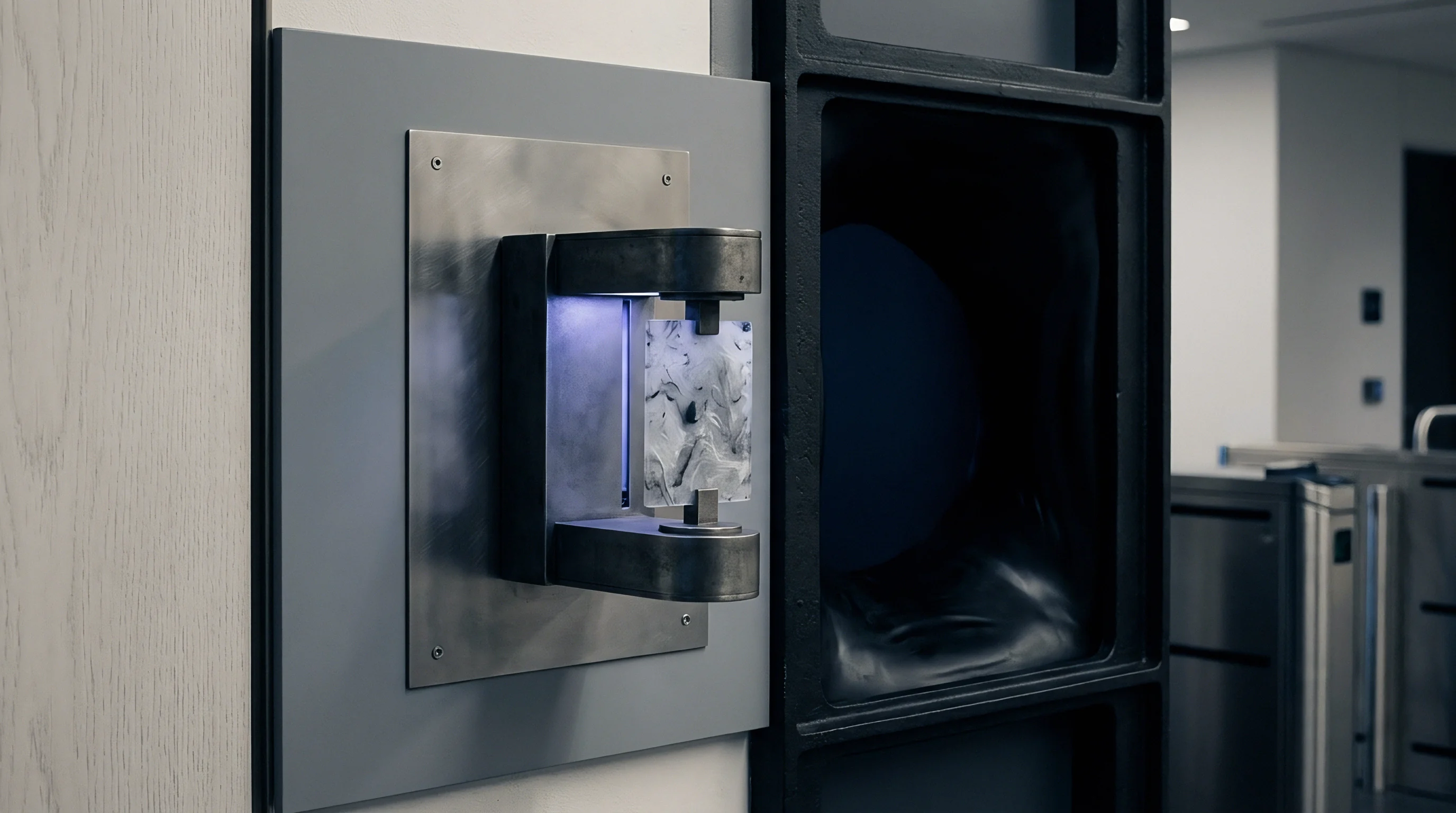
Mass transport from a polymer into an adjoining substance follows Fickian diffusion. The migrant molecule leaves the solid polymer network, moves through the bulk phase, traverses the interface, and dissolves into the food matrix. The diffusion coefficient governs internal transit speed, while the partition coefficient determines the relative thermodynamic affinity of the migrant between the solid plastic and the food simulant.
Polyolefin networks exhibit high chain mobility at room temperature. Low-density polyethylene possesses a glass transition temperature below minus one hundred degrees Celsius, meaning polymer chains flex freely at room temperature, facilitating rapid additive migration. Polyethylene terephthalate features rigid aromatic rings in its backbone, holding a glass transition temperature above seventy degrees Celsius.
Migrant diffusion through unoriented PET at ambient temperatures proceeds thousand-fold slower than through polyolefins.
A diffusion model predicts migrant concentration curves based on initial substance concentration, polymer thickness, diffusion constants, and contact time.
Mathematical modeling serves as a recognized compliance verification tool under European regulations. Piringer diffusion modeling enables calculating upper-bound specific migration estimates without running bench extraction tests. The model assumes conservative partitioning where the migrant dissolves completely into the food phase.
The mathematical approach breaks down under distinct conditions. Polymer swelling occurs when small organic molecules enter the polymer matrix, relaxing molecular chains and accelerating diffusion. Organic solvents such as ninety-five percent ethanol or pure isooctane cause polyolefins to swell significantly.
The laboratory switches from numerical diffusion modeling to empirical bench measurement whenever an organic fluid causes measurable physical deformation of the polymer network.
The question of whether mathematical migration modeling reliably overestimates volatile release in multi-layer coextrusions with recycled inner plies remains open to industrial dispute.


Unknowns
Modern regulatory scrutiny concentrates on non-intentionally added substances, abbreviated as NIAS. These chemical entities comprise reaction by-products, thermal breakdown fragments, oligomeric species, and environmental impurities. They enter the raw material without deliberate addition by resin compounders.
Volatile and semi-volatile substances elude standard targeted tests designed solely for intentional stabilizers or plasticizers.
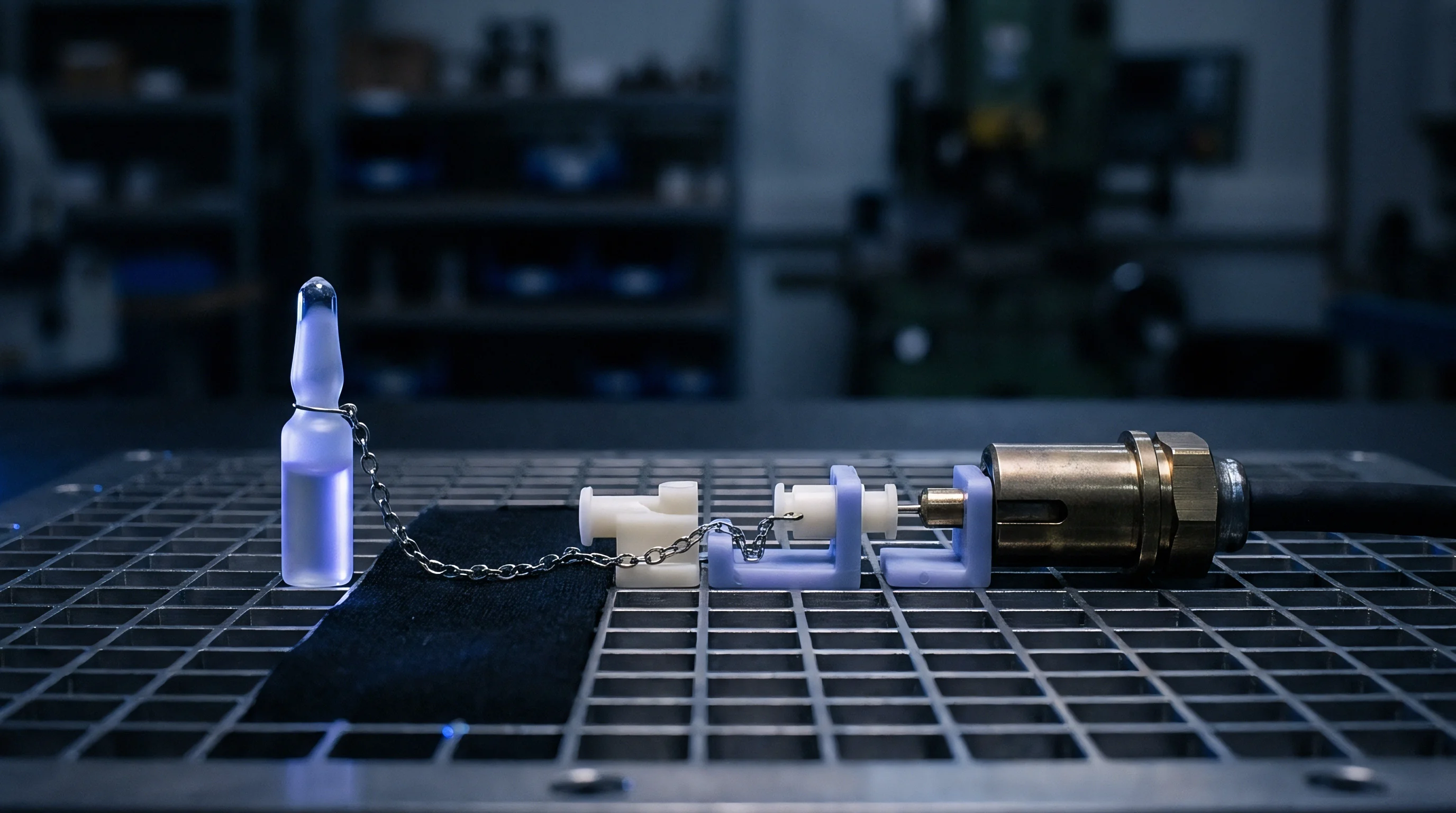
Gas chromatography coupled with mass spectrometry identifies volatile and semi-volatile organic migrants following solvent extraction or head-space heating. Liquid chromatography linked to high-resolution accurate-mass quadrupole time-of-flight mass spectrometry separates non-volatile, polar compounds. Untargeted screening matches detected mass spectra against commercial chemical libraries.
When a library entry lacks definitive identification, the chemist determines the elemental formula from exact mass deficits and isotope abundance patterns.
Where Does Analytical Screening Fail?
Analytical instruments operate within strict sensitivity thresholds. The threshold of toxicological concern sets the benchmark for untargeted chemical evaluation. For unknown non-carcinogenic chemical migrants, the standard screening limit stands at 0.01 milligrams per kilogram of food equivalent, representing ten parts per billion.
Chemical structures displaying potential genotoxicity require quantification thresholds down to 0.00015 milligrams per kilogram.
Identification certainty degrades below ten parts per billion. The background instrument noise masks signal peaks from trace oligomers. Sample concentration procedures evaporate low-boiling migrants, biasing recovery metrics.
Laboratories manage this detection barrier by executing rigorous procedural blank subtractions, calibrating instruments against homologous standard series, and applying internal surrogate standards to verify recovery efficiency.
The qualification process for complex materials follows an established hierarchy:
- Targeted Quantification isolates designated additives with published specific migration limits using calibrated reference materials on triple quadrupole mass spectrometers.
- Semi-Quantitative Screening estimates concentrations of uncalibrated peaks against internal deuterated standards, applying a relative response factor of unity.
- Oligomer Identification profiles low-molecular-weight structural fragments formed during incomplete polymerization, calculating combined toxicological exposure.
- Structural Elucidation assigns molecular configurations to unindexed chromatographic peaks through tandem mass fragmentation experiments.
Failure to document NIAS toxicological screening voids the validity of an EU Declaration of Conformity under Article 19 of Regulation (EU) 10/2011, shifting legal liability for silent product toxicity directly onto the purchasing entity.

Trace
Specific migration limits dictate legal clearance for defined additives, catalytic residues, and monomers. Article 11 of EU 10/2011 sets distinct threshold values for individual chemical agents, ranging from several tens of milligrams down to non-detectable levels. A limit of non-detection specifies an analytical ceiling of 0.01 milligrams of migrant per kilogram of packed food substance.
Verification workflows demand compound-specific extraction protocols. Phthalate plasticizers such as bis(2-ethylhexyl) phthalate carry an individual migration threshold of 1.5 milligrams per kilogram, while primary aromatic amines, originating from polyurethane adhesive curatives or azo colorants, demand cumulative concentrations below 0.002 milligrams per kilogram. Bisphenol A faces strict prohibition in infant feeding articles and an operational limit of 0.04 milligrams per kilogram in general food contact plastics.
Under EN 13130 Part 1, laboratory recovery rates for targeted organic migrants must fall between 80 and 120 percent across three replicate spikes.
Worked compliance determinations illustrate the physical calculation. Take an injection-molded polypropylene storage container holding 500 milliliters of soup, with a contact surface area of 3.5 square decimeters. The container wall incorporates a slip agent with a specific migration limit of 5.0 milligrams per kilogram.
An analytical extraction test yields a slip agent concentration of 0.6 milligrams per square decimeter in Simulant B after ten days at forty degrees Celsius.
Migration calculations follow standardized geometric adjustments:
- Surface Release equals the measured 0.6 milligrams per square decimeter multiplied by the 3.5 square decimeters of contact face, yielding 2.1 milligrams of total migrant released into the container cavity.
- Volumetric Concentration derives from dividing the 2.1 milligrams of migrant by the 0.5 kilograms of simulated food, producing 4.2 milligrams of substance per kilogram of food.
- Standard Ratio Conversion applies the statutory reference cube convention of six square decimeters per one kilogram of food when the article geometry lacks fixed volumetric definition, converting 0.6 milligrams per square decimeter into 3.6 milligrams per kilogram.
- Limit Comparison balances the calculated 4.2 milligrams per kilogram against the established statutory specific migration limit of 5.0 milligrams per kilogram, confirming product compliance.
Heavy metal migration relies on inductively coupled plasma mass spectrometry. Chinese standard GB 31604.9 and European regulations mandate low release rates for inorganic elements. Table 3 compiles statutory limits for key metallic elements across global regimes.
| Element | European Union Limit | Chinese GB Limit | Analytical Detection Ceiling |
|---|---|---|---|
| Barium | 1.0 milligram per kilogram | 1.0 milligram per kilogram | 0.05 milligrams per kilogram |
| Cobalt | 0.05 milligrams per kilogram | 0.05 milligrams per kilogram | 0.005 milligrams per kilogram |
| Copper | 5.0 milligrams per kilogram | 5.0 milligrams per kilogram | 0.1 milligrams per kilogram |
| Iron | 48.0 milligrams per kilogram | 48.0 milligrams per kilogram | 1.0 milligram per kilogram |
| Lithium | 0.6 milligrams per kilogram | 0.6 milligrams per kilogram | 0.02 milligrams per kilogram |
| Manganese | 0.6 milligrams per kilogram | 0.6 milligrams per kilogram | 0.02 milligrams per kilogram |
| Zinc | 5.0 milligrams per kilogram | 25.0 milligrams per kilogram | 0.5 milligrams per kilogram |
| Nickel | 0.02 milligrams per kilogram | 0.02 milligrams per kilogram | 0.002 milligrams per kilogram |
Quality checks fail when laboratories miss colorant breakdown. Mineral fillers like talc or calcium carbonate introduce trace heavy metal contaminants into polyolefin structures. Sourcing managers demand batch-level inductively coupled plasma reports to capture variable quarry purity.
Purchase specifications contain an absolute verification clause: Delivery acceptance requires an accredited ISO 17025 test certificate explicitly matching the production lot number stamped on the shipping carton, voiding all historical parent-resin declarations.
Passage
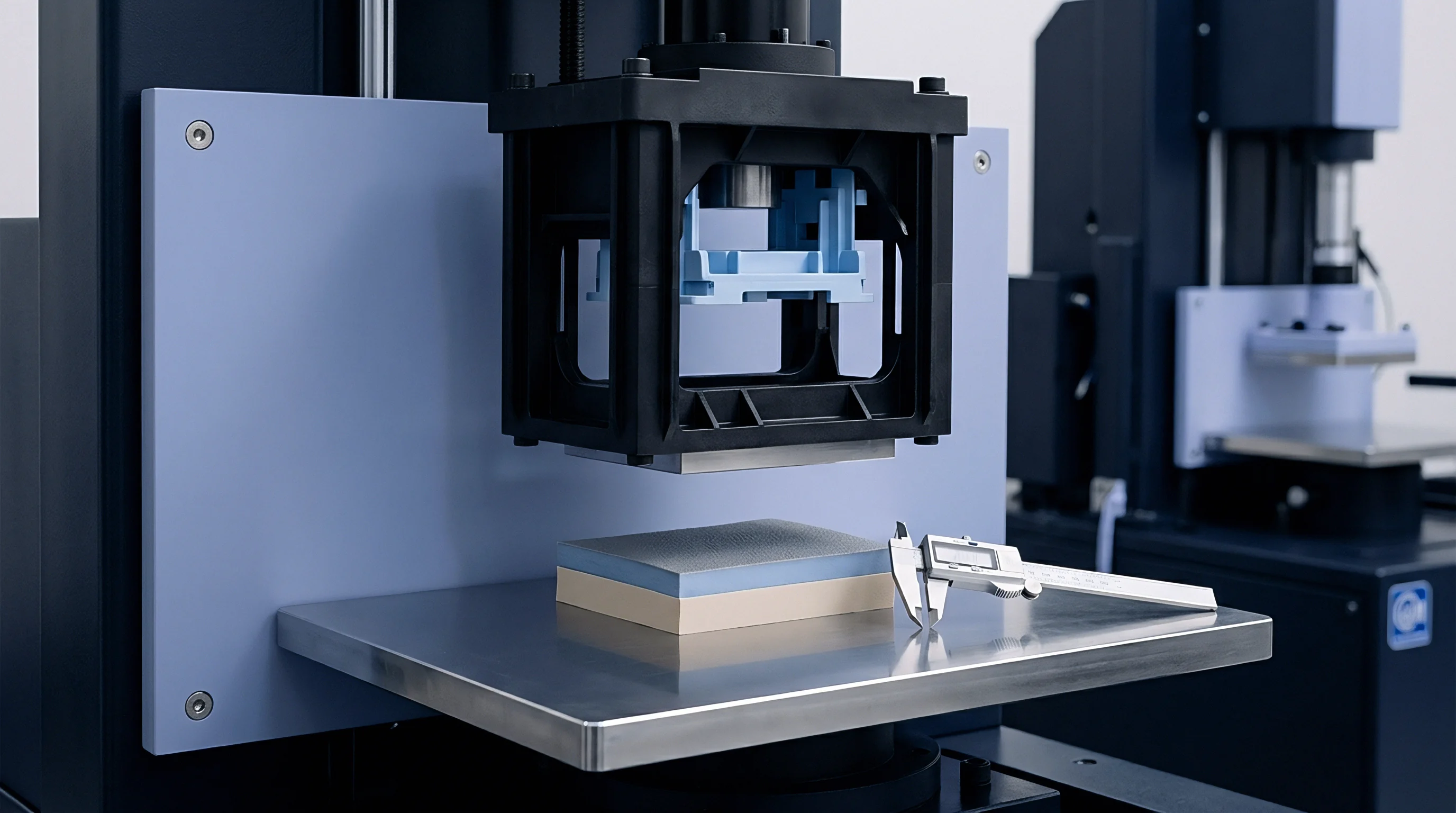
Border authorities inspect finished articles, checking commercial documents against physical merchandise. A Declaration of Conformity without supporting laboratory bench data does not survive a regulatory audit. Customs inspectors take samples directly from maritime shipping containers, submitting specimens to state laboratories for verification of overall migration and restricted substance thresholds.
A discrepancy between the customs manifest and the supporting chemical dossier triggers cargo seizure.
The gap between laboratory prototypes and mass manufacturing undermines legal defense. Tooling lubricants, anti-static slip sprays, mold release agents, and ambient hydraulic oils contaminate factory conversion lines. A resin carrying complete pellet compliance clearances fails migration tests once processed through contaminated molding tooling.
Converters change masterbatch suppliers between production campaigns to shave resin costs, severing the analytical validity of earlier declarations.
A comprehensive technical dossier maintains several non-negotiable operational assets:
- Raw Polymer Certificates mapping base resin trade names, synthesis catalyst classes, and masterbatch additive proportions to specific warehouse lots.
- Accredited Test Certificates generated by an independent ISO 17025 accredited laboratory detailing physical simulant exposures, contact durations, and thermal profiles.
- Formulation Disclosures listing all intentional substances possessing specific migration limits alongside dual-use food additives authorized under Regulation (EC) 1333/2008.
- Manufacturing Traceability Records conforming to Regulation (EC) 2023/2006, tracking converter machine line numbers, processing temperatures, and finished goods batch markers.
Sourcing programs collapse when buyers accept blanket compliance statements. A single paragraph stating that an article complies with global food contact regulations provides zero commercial protection. The compliance record matches the specific production run, the designated food simulant, the real operational temperature range, and the finished part geometry.
Batch sampling frequencies govern defensive validity. One test report covers production runs up to a defined threshold of tonnage or operating hours. When polymer suppliers alter their source synthesis plants, the importer recommissions testing protocols immediately.
The risk of border refusal and recall campaigns falls on the corporate entity identified as the importer of record on customs entry filings.