Meaning
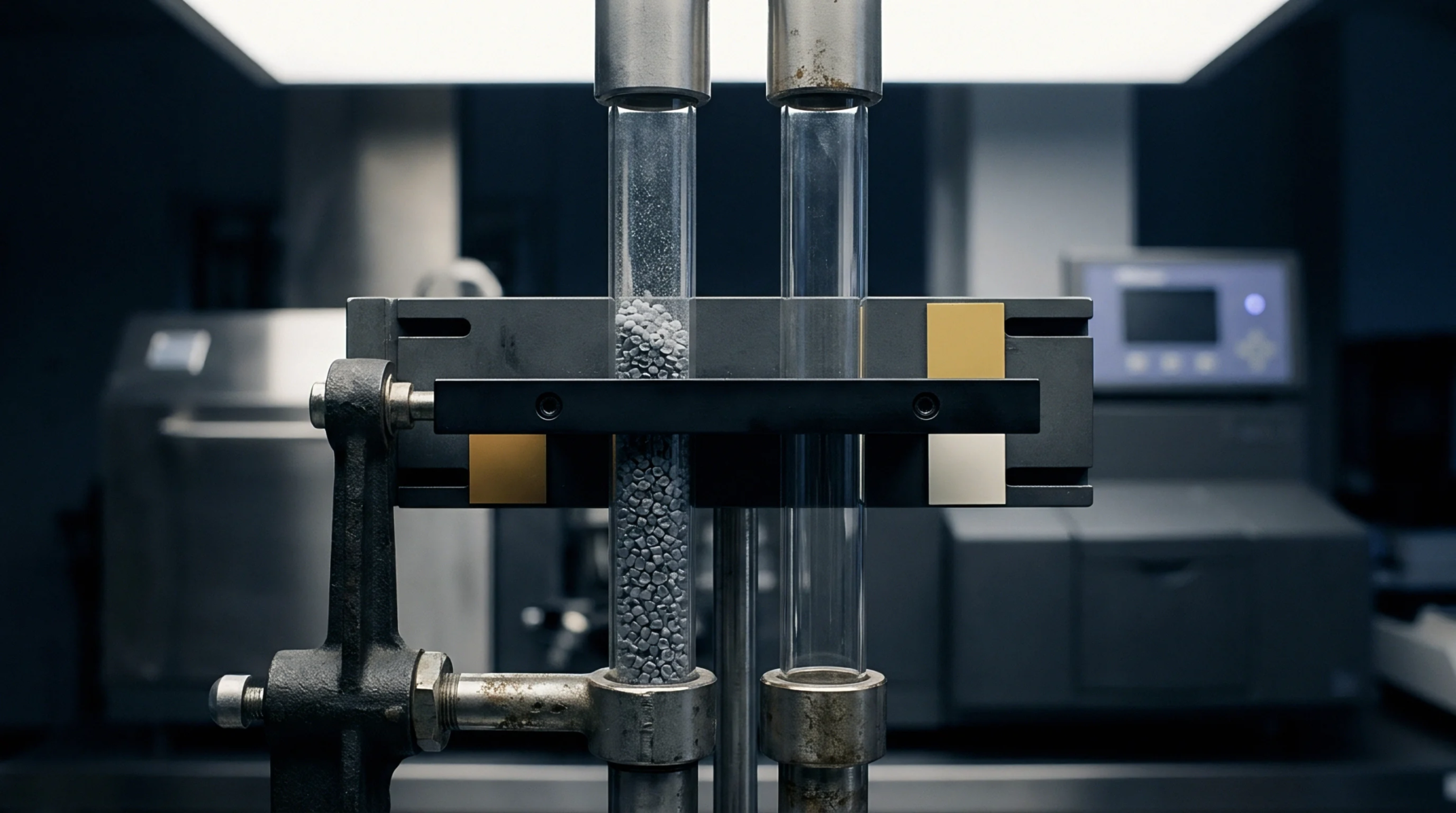
Total amount of non-volatile substances that transfer from a plastic material into food simulants under specific time and temperature conditions. Polymer packaging producers must perform this test to comply with food contact regulations. This parameter does not identify individual migrating chemical species.
Chemical Transfer
This behavior involves the diffusion of low-molecular-weight additives, oligomers, and residues from the polymer matrix into food products. Plastic materials for food packaging are exposed to various simulants like water, ethanol, and vegetable oil to model actual contact conditions. Run overall migration testing to ensure that the total amount of transferred substances remains below regulatory limits.
Testing Limit
Regulatory authorities establish strict limits, often sixty milligrams of migrate per kilogram of food simulant, that must not be exceeded. If the test results exceed this limit, the polymer grade cannot be used for food contact applications. This failure requires the resin supplier to reformulate the material or the moulder to select a different polymer.
Formulation Control
Managing this transfer rate requires careful selection of resin additives and processing temperatures during moulding. High processing temperatures can cause polymer degradation, generating volatile compounds that increase migration. Sourcing high-purity resin grades and minimizing additive levels are effective strategies to pass these regulatory tests and avoid high compliance costs.