Hot Runner Thermal Gradients and Dual Use Additive Migration in Multicavity Polyolefin Molding
Hot runner temperature differentials across mold cavities cause localized additive degradation and uneven migration rates that compromise food contact release.

Bore

Manifold Channel Geometry and Melt Residence
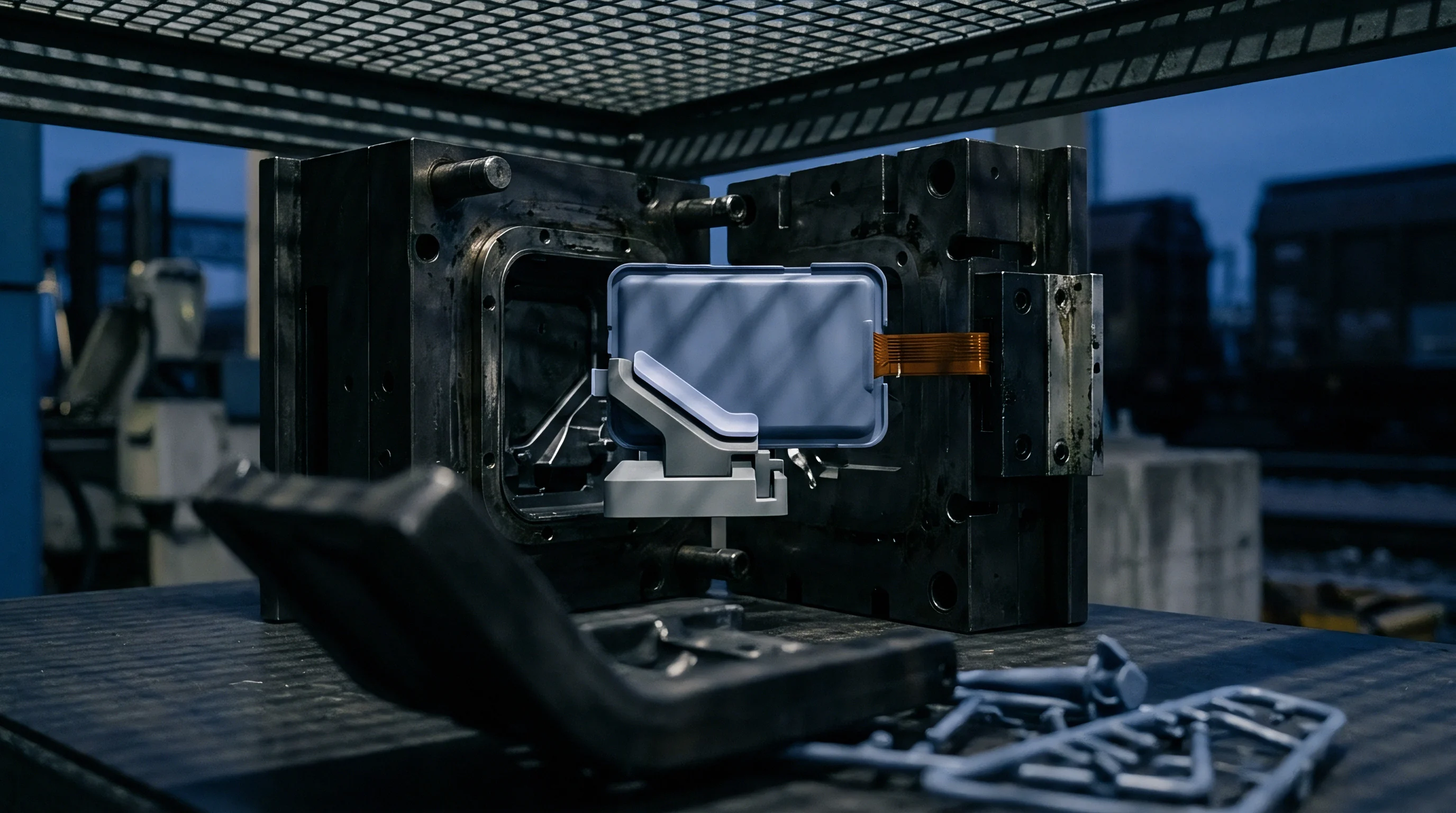
Internal distribution blocks determine initial polymer presentation to the mold gates. In balanced multi-cavity manifolds running polypropylene or high-density polyethylene, flow lengths theoretically match from the central sprue to each nozzle drop. Steel drilling schedules, internal plug transitions, and gun-drilled cross-sections introduce subtle variations in wall roughness and local shear.
Polyolefin melts exhibit non-Newtonian, shear-thinning viscosity curves where viscous dissipation generates localized core heating along internal channel walls. Resin streaming near runner boundaries experiences sustained boundary-layer residence times, accumulating thermal stress while resin flowing down the central path moves through the block at peak linear speed. Core manifolds dictate fluid delivery.
When dual-use food additives such as glycerol monostearate, calcium stearate, or functional slip compounds such as erucamide enter these channels, molecular distribution depends on uniform flow kinematics. The polymer matrix traps low-molecular-weight species in dynamic equilibrium. In regions where runner bores contain stagnation zones or sharp plug intersections, localized resin spends upward of four minutes at 230 degrees Celsius instead of the calculated nominal dwell of forty seconds.
Residence time distributions widen across high-cavitation systems, separating outer-drop thermal histories from inner-drop flow streams.
Under ten days of contact with vegetable oil at forty degrees Celsius, specific migration of erucamide ranges from 8.2 milligrams per kilogram in center cavities to 24.1 milligrams per kilogram in outer drops.

Thermal Delta Profiles across Multi-Drop Systems
Internal thermocouple placement rarely captures the molten resin core temperature directly. Heater band wattage, external thermal dissipation to the mold backing plates, and mechanical support pillars produce persistent temperature offsets across drops. Center nozzles frequently run cooler due to rapid heat rejection into heavy core plates, while outer manifold drops collect heat through perimeter coil overshoots.
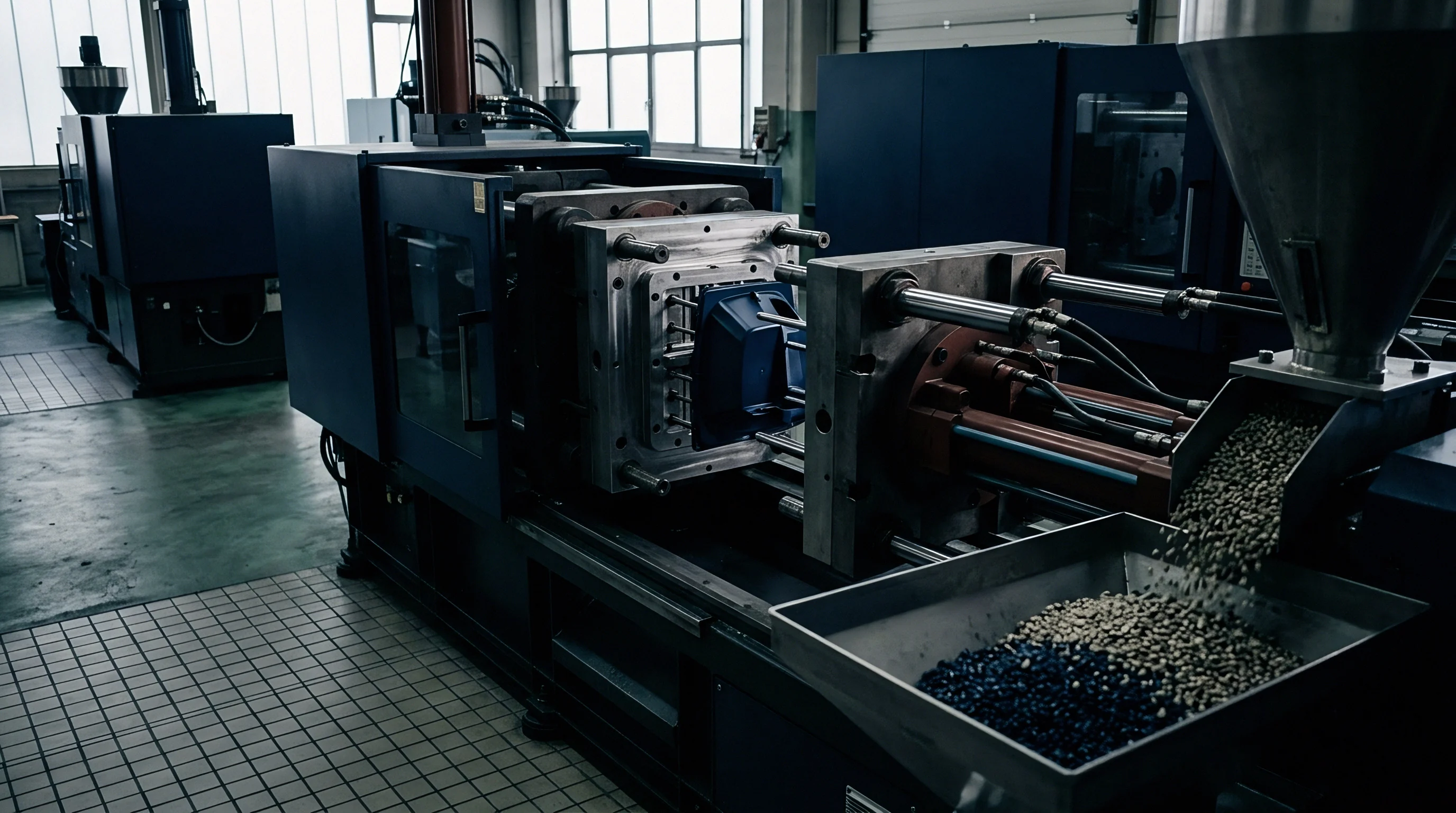
Measured nozzle tip deltas across a 64-cavity closure tool routinely register spreads of 18 degrees Celsius between cavity 1 and cavity 32.
Heater band drift creates imbalance. Thermal profiles diverge over time. The physical drivers behind cavity-to-cavity additive dispersion failures encompass specific hardware variations across the runner system:
- Asymmetric nozzle tip conduction creates localized thermal dips where water cooling lines approach manifold drops unevenly, lowering local melt fluidity and forcing higher fill pressures.
- Heater coil resistance aging shifts localized power output over prolonged operational campaigns, causing steady drift in nominal zone temperatures without triggering controller alarms.
- Thermocouple pocket air gaps insulate sensing probes from direct steel contact, allowing heating elements to drive melt temperatures thirty degrees past setpoint values.
- Manifold expansion mismatch pulls nozzle tips off gate centerlines, generating asymmetric shear fields that degrade polymer chains on one side of the gate aperture.
Melt stream temperature offsets directly translate to physical part divergence. Parts molded from hot nozzles exhibit lower base polymer viscosity, accelerated additive blooming to container walls, and shifted crystallization rates. A single tool running thirty-two parts per cycle operates as thirty-two distinct chemical reactors, each delivering an article with a distinct additive concentration profile.
Toolmakers routinely maintain that balanced steel flow paths guarantee identical part chemistry across all cycle drops.

Decay

Dual-Use Chemical Shifts under Localized Shear
Processing polyolefins through narrow hot runner gates induces extreme shear strain rates exceeding 50,000 reciprocal seconds. Mechanical friction combines with manifold base heat to drive localized melt temperatures beyond 260 degrees Celsius at gate orifices. Additives incorporated to perform dual processing and surface modification roles react under these extreme conditions.
Glycerol monostearate, authorized as an antistatic processing aid and regulated as food additive E471, undergoes thermal dehydration to diglycerol esters and free fatty acid fractions when subjected to prolonged thermal hold. Calcium stearate, operating under food additive designation E470a, hydrolyzes in the presence of trace resin moisture, releasing free stearic acid that alters surface tension and chemical partition rates.
Thermal degradation accelerates at elevated shear. Secondary antioxidants added to stabilize polyolefins against processing decay split into low-molecular-weight breakdown products. Tris(2,4-di-tert-butylphenyl) phosphite, designated commercially as Irgafos 168, oxidizes into its corresponding phosphate form while producing 2,4-di-tert-butylphenol as an unintended cleavage by-product.
This volatile phenol possesses high migration mobility into fatty and aqueous food simulants. Outer mold cavities running hotter due to heater zone imbalances generate twice the concentration of 2,4-di-tert-butylphenol compared to cooler core cavities operating under stable processing profiles.
Higher melt temperatures generate higher concentrations of non-intentionally added cleavage fragments across finished article surfaces.
| Starting Chemical Agent | Functional Purpose | Nominal Melt Temp | Elevated Runner Temp | Identified Degradation Product | Specific Migration Limit |
|---|---|---|---|---|---|
| Glycerol Monostearate (E471) | Antistatic / Lubricant | 210 °C | 245 °C | Free Stearic Acid / Diglycerol | 60.0 mg/kg (Food Simulant) |
| Calcium Stearate (E470a) | Acid Scavenger | 215 °C | 250 °C | Calcium Hydroxide / Stearate Salts | Combined Stearate Ceiling |
| Irgafos 168 (Phosphite) | Melt Processing Stabilizer | 220 °C | 255 °C | 2,4-Di-tert-butylphenol | Exempt Fragment / 0.05 mg/kg |
| Erucamide (Slip Agent) | Friction Modifier | 205 °C | 240 °C | Erucic Acid / Primary Amides | Combined Dual-Use Limit |
| Synthetic Amorphous Silica (E551) | Antiblocking Modifier | 220 °C | 260 °C | Agglomerated Silicate Entities | Absence of Nano-Fraction |
Where Do Volatiles Concentrate across Cavities?
Mass transport within the cooling mold core depends on the additive partition coefficient between the bulk polyolefin melt and the freezing mold surface. As hot polymer enters cold steel tool cavities held at 15 degrees Celsius, rapid skin formation traps high-molecular-weight polyolefin fractions at the exterior surface. Low-molecular-weight constituents, including fragmented slip agents and volatile breakdown compounds, stay mobile in the molten core longer, migrating progressively toward the center-line or venting toward parting lines.
In cavities served by overheated runner drops, delayed crystallization extends the mobility window of migratory additives, driving excessive surface blooming before ejector pins engage.
Volatile fragments escape outward. Parts sourced from elevated-temperature drops exhibit oily surface films composed of unreacted fatty acids and degraded amides. Analytical solvent extraction followed by gas chromatography paired with high-resolution mass spectrometry reveals stark chemical profiles between parts produced simultaneously in the same tool.
Center-drop polypropylene tubs retain their target slip properties with uniform boundary distribution. Hot outer-drop tubs arrive coated with irregular additive pools that contaminate dry, fatty, and acidic foods upon contact. The migration behavior shifts from controlled boundary lubrication to rapid liquid partitioning, breaching limits established for authorized substances.
Thermal stability across the hot runner dictates whether an authorized processing aid remains intact or transforms into an untracked migrant.


Proof
Is Periodic Melt Profiling Sufficient for Release?
Standard quality routines evaluate thermal stability by inspecting machine barrel readouts or purging molten resin onto an open staging table for thermocouple insertion. These manual checks completely bypass drop-level temperature realities within enclosed runner blocks. Purged resin represents a bulk composite drawn from all channels simultaneously, averaging out internal thermal spikes and masking individual overheating zones.
Verifying cavity-by-cavity migration integrity demands destructive analytical screening of molded parts segregated strictly by mold cavity number.
Simulant selection dictates compliance values. Testing composites hides individual failures. A reliable qualification routine demands rigorous execution steps carried out across full machine operating runs:
- Segregate molded parts directly at the conveyor discharge, sorting units into numbered bins corresponding to specific mold tool cavity positions over a continuous six-hour operational window.
- Subject five representative specimens from every cavity position to surface solvent extraction using analytical grade dichloromethane, establishing base baseline concentrations of low-molecular-weight additives.
- Immerse intact part specimens into official food contact simulants, employing 10 percent ethanol for aqueous contact, 3 percent acetic acid for acidic substances, and refined olive oil or rectified 95 percent ethanol for fatty foods.
- Place sealed migration testing cells into calibrated convection ovens maintained at forty degrees Celsius for exactly ten days, simulating room temperature storage extending beyond six months under real warehouse environments.
- Transfer migration extracts into liquid chromatography single-quadrupole or gas chromatography triple-quadrupole mass spectrometers to quantify specific migration values against authenticated analytical reference standards.
- Calculate mass-to-surface migration figures applying the standard European food contact ratio of six square decimeters of polymer surface area per one kilogram of packed food simulant.

Quantitative Migration Benchmarks across Food Simulants
Laboratories testing multi-cavity polyolefins reveal severe compliance divergences when samples are inspected individually rather than combined. Under Regulation EU 10/2011, overall migration may not exceed 10 milligrams per square decimeter of surface area, or 60 milligrams per kilogram of food simulant. Specific migration limits establish binding caps for individual substances: 60 milligrams per kilogram for glycerol monostearate derivatives and individual dual-use fatty acids, while unregulated cleavage fragments face non-detectable thresholds benchmarked down to 0.01 milligrams per kilogram for toxicologically uncharacterized compounds.
Tenax isolates volatile migrants. Simulant contact trials reveal how runner gradients breach these limits:
| Tool Cavity Number | Runner Drop Temp | 3% Acetic Acid (E471 Acids) | 10% Ethanol (GMS Intact) | Olive Oil (Erucamide) | Tenax (2,4-DTBP Fragment) |
|---|---|---|---|---|---|
| Cavity 01 (Outer) | 248 °C | 58.4 mg/kg | 31.2 mg/kg | 22.4 mg/kg | 0.082 mg/kg |
| Cavity 08 (Center) | 222 °C | 12.1 mg/kg | 18.4 mg/kg | 9.1 mg/kg | 0.008 mg/kg |
| Cavity 16 (Center) | 221 °C | 10.8 mg/kg | 17.9 mg/kg | 8.7 mg/kg | 0.005 mg/kg |
| Cavity 24 (Mid-Span) | 235 °C | 34.2 mg/kg | 24.6 mg/kg | 14.8 mg/kg | 0.031 mg/kg |
| Cavity 32 (Outer) | 251 °C | 64.8 mg/kg | 36.8 mg/kg | 26.7 mg/kg | 0.098 mg/kg |
| Detection limit for 2,4-di-tert-butylphenol via GC-MS screening equals 0.002 mg/kg in modified polyphenylene oxide (Tenax). | |||||
Composite testing obscures the danger. When testing personnel mix equal part scrapings from Cavity 01 through Cavity 32, the reported migration of 2,4-di-tert-butylphenol registers at 0.044 milligrams per kilogram, appearing compliant against general toxicological threshold evaluations. In reality, Cavity 01 and Cavity 32 deliver containers that contaminate oily food contents beyond permissible European thresholds.
Consignments distributed under averaged migration dossiers face summary quarantine, container seizure, and total destruction at commercial entry ports when border inspection labs test individual tubs rather than supplier composites.

Scope

Conformity File Blind Spots across Cavity Batches
Declarations of conformity frequently function as documentary shields that mask manufacturing variation. Polymer manufacturers furnish raw material declarations certifying that virgin pellets satisfy Regulation EU 10/2011 and US FDA 21 CFR 177.1520 requirements for olefin polymers. These resin certificates address the pelleted material leaving the polymerization reactor, explicitly omitting the effects of secondary conversion heating, color masterbatch blending, hot runner shearing, and additive degradation during final molding.
Downstream converters routinely pass these upstream certificates to brand owners, asserting complete finished-article compliance without executing validation trials on parts extracted from actual production tooling.
Audit checkpoints reveal whether a conformity file possesses legal authority or represents commercial posturing:
- Component coverage boundaries define whether supporting test reports validate the complete molded closure or merely the uncolored base resin pellet before masterbatch incorporation.
- Cavity-specific sampling evidence demonstrates whether the testing body extracted parts across all tool positions or collected specimens from a single central gate drop.
- Dual-use food additive disclosure lists specific European E-numbers and FDA direct food additive designations present in the formulation, matching them against applicable food limits.
- Non-intentionally added substance profiling includes high-resolution chromatographic scans targeting thermal breakdown markers, screening past standard authorized additive target lists.
- Batch-specific traceability linkages connect production pallet numbers directly to analytical laboratory job files rather than relying on historical generic annual clearances.
A declaration of conformity that excludes the impact of hot runner conversion processes fails to satisfy good manufacturing practice obligations under Regulation EC 2023/2006.
Supply Chain Attestation Audits and Exclusions
Auditing finished packaging dossiers exposes standard contractual defense phrasing designed to shield converters from regulatory exposure. Converters frequently insert exclusion paragraphs stating that finished container migration rates depend on customer fill temperatures, food acidity levels, and shelf life parameters. These disclaimers transfer the legal burden of specific migration verification directly onto food fillers and brand owners.
When containers contain localized additive degradation spikes originating in overheated runner channels, the packaging converter disclaims liability by pointing to resin manufacturer certificates that document pristine raw material attributes.
Cross-checking documentation chains requires matching the resin supplier declaration, the colorant and masterbatch compliance certificates, the machine processing parameter logs, and the third-party analytical migration report. If the converter fails to declare the presence of dual-use food additives like glycerol monostearate (E471) or synthetic amorphous silica (E551), food packers cannot calculate cumulative dietary exposure figures required by food enforcement authorities. Importers signing customs entries assume direct criminal and civil liability for misdeclared contact packaging materials under Regulation EC 1935/2004.
Article 16 of Regulation EU 10/2011 requires converters to make supporting documentation available to national competent authorities upon request, establishing direct civil exposure for packaging brokers who sign declarations supported only by resin broker marketing literature.


Remedy

Allocation of Border Rejection Liabilities
Customs authorities and regional food safety inspection bodies deploy targeted border surveillance against imported food packaging materials. Rapid Alert System for Food and Feed notifications trigger automatic customs holds when testing uncovers unauthorized migrants or excessive specific migration values. Border laboratories sample individual units.
Rejection notices halt port clearance. Once an entry port flags a container for non-compliance, demurrage charges accrue daily while customs brokers file formal appeals or request secondary laboratory re-testing.
Supply agreements allocate financial losses. Tool qualification settles warranty rights. Mold builders guarantee gate balance.
Traceability protects the importer. Commercial exposure spreads rapidly through all commercial participants when an import lot fails laboratory testing:
| Cost Component | Direct Financial Value | Contractual Recovery Path | Primary Liable Party |
|---|---|---|---|
| Port Demurrage & Storage (21 Days) | $14,700 USD | Freight Forwarder Indemnity Clause | Importer of Record |
| Secondary Analytical Retesting (Accredited) | $6,200 USD | Laboratory Services Retainer | Brand Owner / Buyer |
| Scrapped Resin Mass (Polypropylene) | $62,500 USD | Raw Material Purchase Warranty | Molding Converter |
| Hazardous Waste Incineration Fee | $8,400 USD | Customs Disposal Escrow Bond | Importer of Record |
| Customer Line Downtime Penalties | $115,000 USD | Supply Agreement Service Level Agreement | Packaging Converter |
| Hot Runner Manifold Retooling & Tuning | $28,000 USD | Mold Builder Tool Performance Guarantee | Toolmaker / Machine Shop |

Commercial Recovery and Tooling Adjustment Terms
Recovering capital losses resulting from failed migration inspections requires explicit supply contract provisions. Buyers must include rigorous technical warranty language mandating maximum permissible nozzle temperature deltas across production runner blocks, capped at five degrees Celsius from nominal setpoint. Purchase agreements must explicitly state that compliance with overall and specific migration limits constitutes a condition of delivery, verified across all mold cavities independently rather than via composited production lots.
When audits reveal that outer mold cavities consistently exceed migration thresholds due to persistent runner imbalances, tooling modifications become urgent operational mandates. Molders must rebalance manifold heater zones, install independent thermocouple circuits on every nozzle tip, and polish runner branch intersections to eliminate dead zones. If tooling geometry prevents thermal equalization, converters must blank off problematic outer cavities, reducing tooling cavitation from 64 to 48 drops to preserve regulatory compliance at the expense of production throughput.
Whether future international harmonized standards will establish mandatory cavity-by-cavity analytical certification protocols or allow multi-cavity tool converters to continue relying on statistical composite batch clearances remains an open commercial question.