Meaning
Antioxidant 2 4 di tert butylphenol functions as a phenolic stabilizer integrated into polymer formulations to inhibit oxidative degradation during thermal processing and long term environmental exposure. This chemical agent operates by scavenging peroxy radicals generated during the propagation stage of chain reactions, thereby preventing the scission of molecular chains that leads to loss of physical integrity. It provides high efficacy in polypropylene and polyethylene applications, where yellowing and brittleness arise from repeated heat exposure or intense ultraviolet light.
Effectiveness depends upon the concentration used, typically ranging from small fractions of a percent to higher levels in specialized engineering grades. The boundary of protection stops where the sacrificial molecules are entirely consumed, leaving the resin base vulnerable to rapid degradation.
Stabilization Mechanism
Chemical protection relies on the donating of hydrogen atoms from the hydroxyl group to neutralize free radicals. 2 4 di tert butylphenol transforms into a stable phenoxyl radical that remains unreactive towards the polymer backbone. High processing temperatures accelerate the depletion of these additives, meaning initial loading levels must account for the duration of extrusion cycles.
Excess moisture or reactive contaminants in the feed stream also reduce the operational life of the additive.
Production Economics
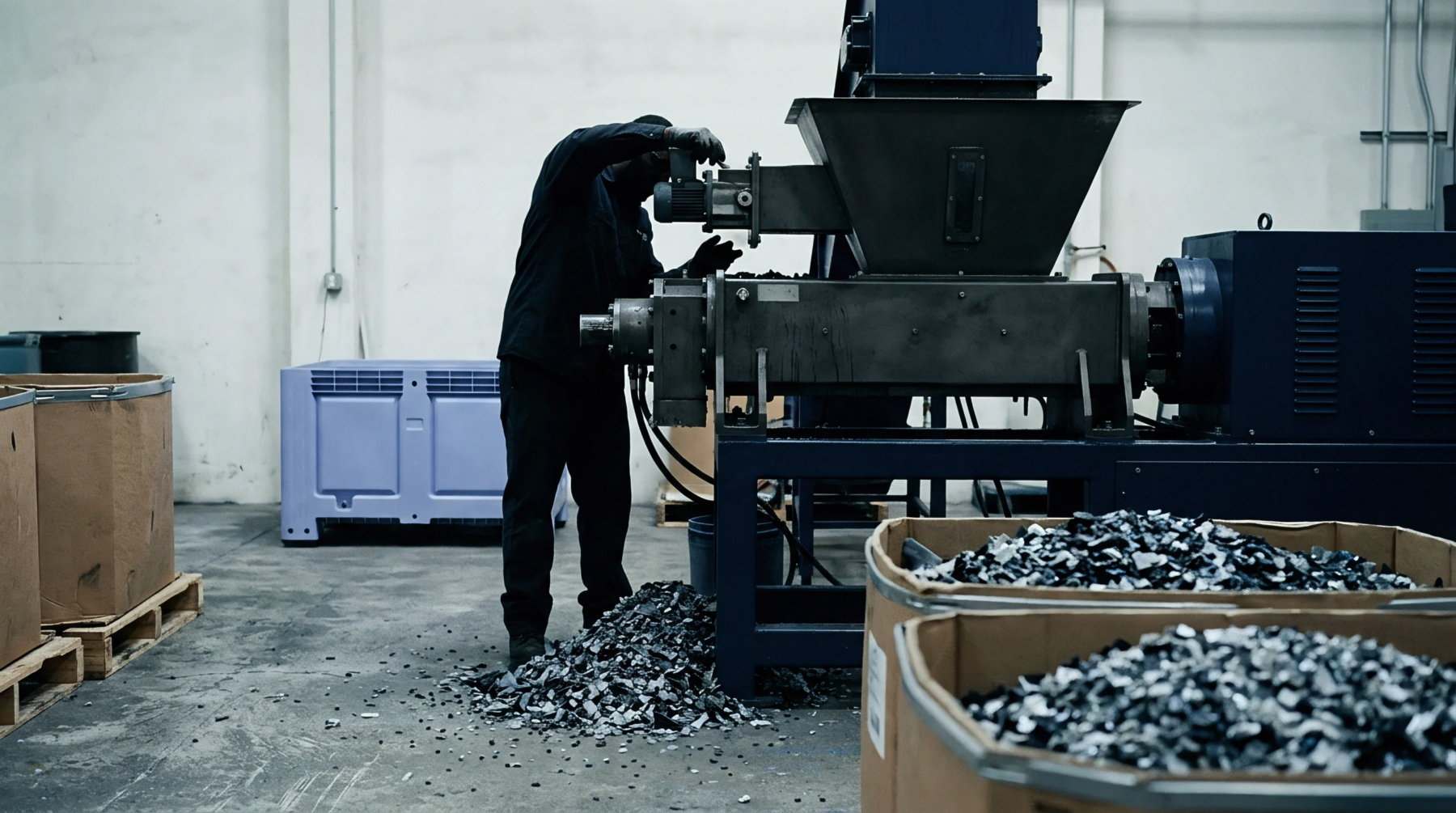
Virgin resin costs remain stable when manufacturer specifications include precise stabilization packages optimized for specific melt flow requirements. Moulders using regrind material face challenges because the primary antioxidant concentration drops after every thermal cycle. Incorporating additional stabilizer during the blending of recycled pellets returns the material to performance targets, though additive blending requires high accuracy to avoid surface blooms.
Resin suppliers provide datasheet values based on optimal conditions, yet the actual levels present at the mould head vary according to residence time and shear heating. Part specifications often mandate retention of mechanical properties over years, forcing a conservative approach to antioxidant dosage during primary pelletizing.
Performance Limitation
Thermal history dictates the eventual failure of the stabilized matrix. Accelerated aging tests measure the induction period before significant oxidative breakdown occurs, providing a metric for comparative analysis of different batches. Discoloration indicates a failure of the antioxidant to intercept oxidation products early in the cycle.
Molecular weight shifts detectable through rheological testing confirm whether the additive has prevented chain scission. Variations in kiln temperature or hot runner set points alter the degradation rate, showing that chemical protection remains a function of environment rather than an absolute resin property. Excessive additive levels cause plate out on steel tooling, leading to high maintenance costs and surface imperfections on moulded parts.
Lower levels improve initial costs but compromise long term structural performance. Consistent stabilization requires strict control over heat history and residence times within the injection cylinder. Proper dosing maintains the integrity of the carbon chain against environmental decay.