Meaning
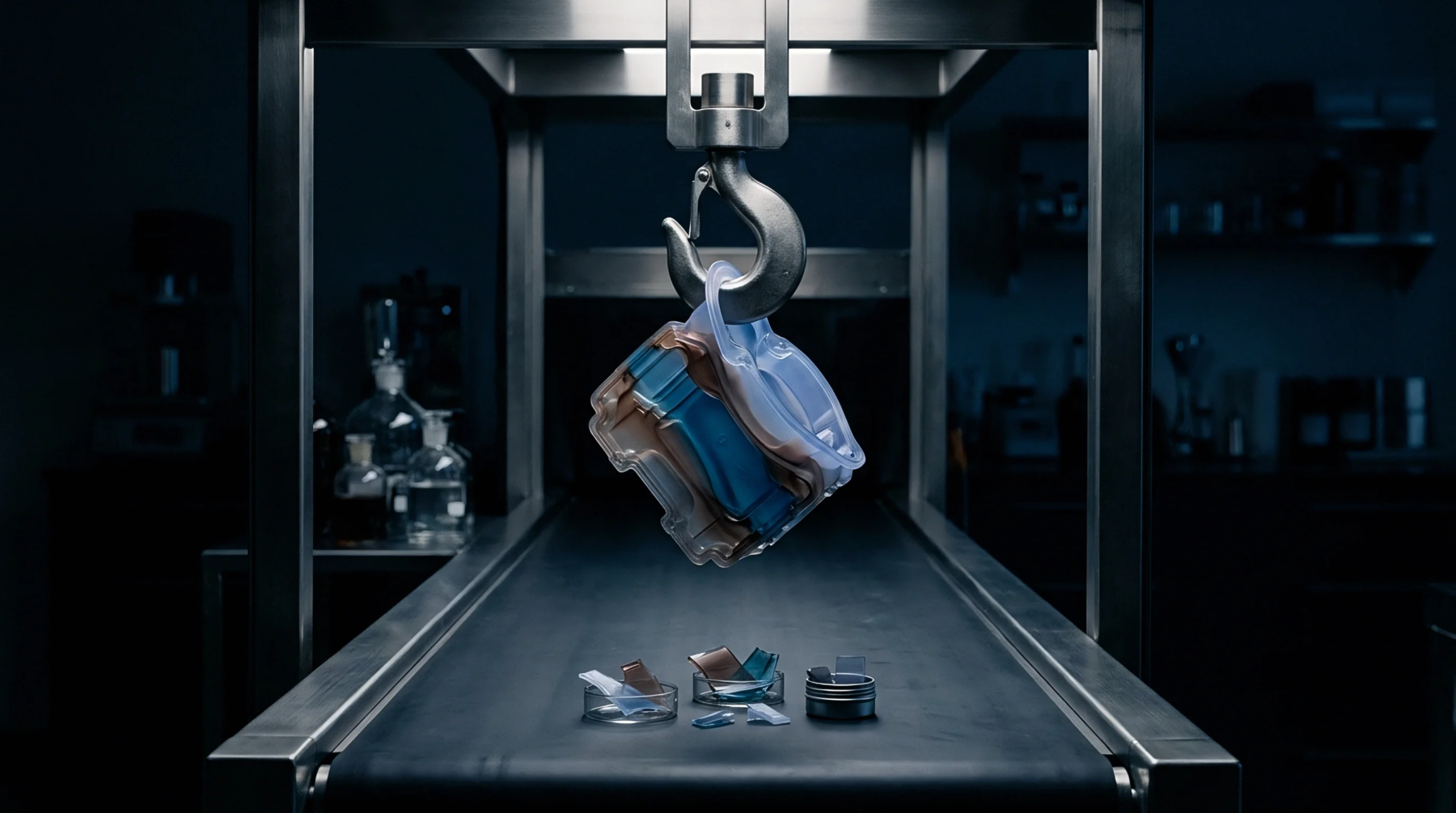
Polymeric stabilization relies on hindered phenolic compounds to prevent radical degradation during high-temperature melt processing. Antioxidant chemistry incorporates 2 4 di tert butylphenol as a primary radical scavenger that donates hydrogen atoms to peroxy radicals. Industrial production routes utilize Friedel Crafts alkylation of phenol with isobutylene under acid catalysis to generate the commercial intermediate.
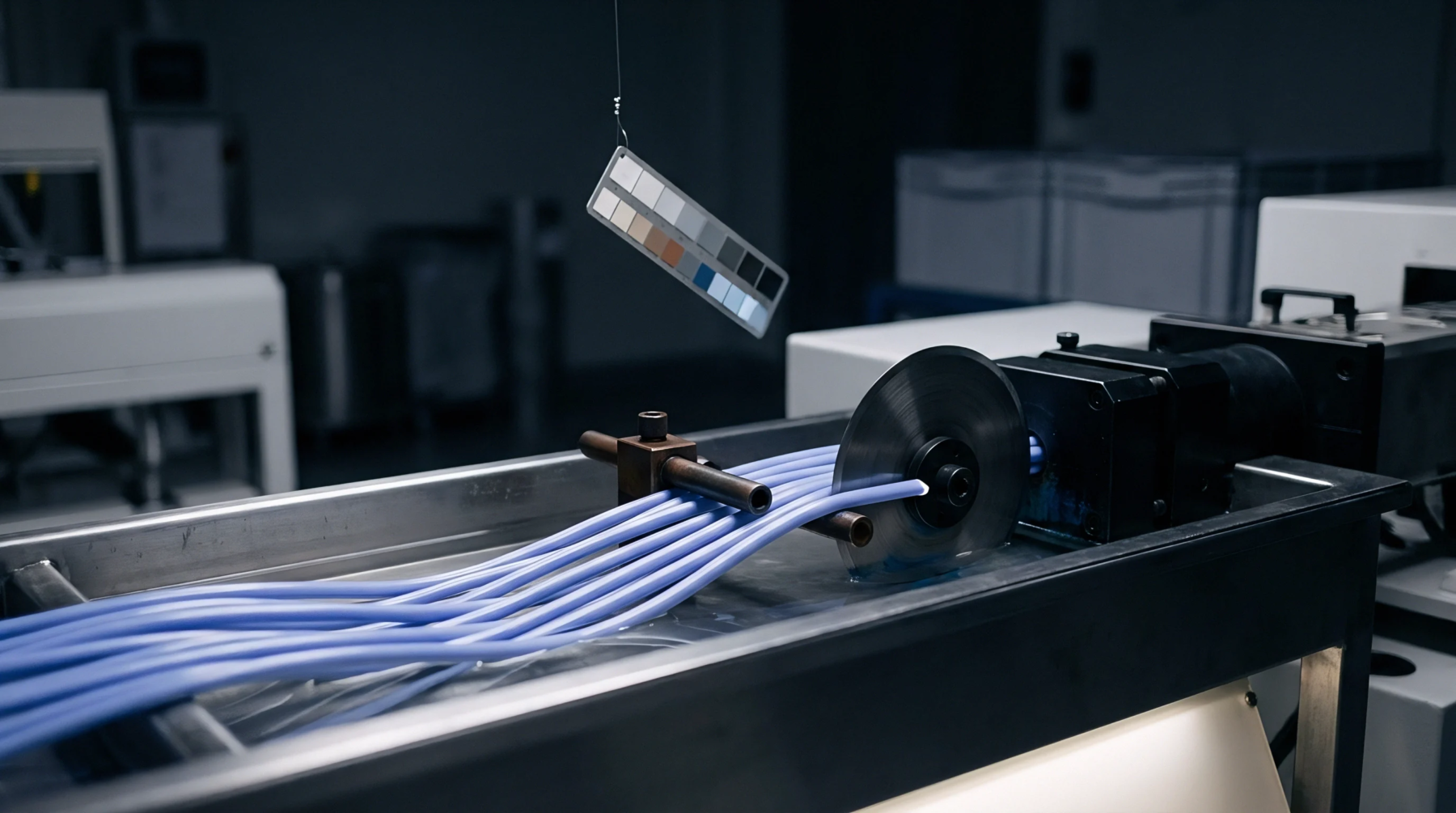
Polymer compounders introduce this additive into polyolefins and engineering thermoplastics during compounding steps to protect molecular weight distributions. Thermal stability depends heavily on adequate concentration thresholds because depletion leads to chain scission and viscosity loss. Extrusion lines require precise dosing units to maintain uniform distribution throughout the polymer matrix without exceeding solubility limits.
Exceeding saturation concentrations causes plate-out on mould surfaces and undesirable surface blooms on moulded components.
Oxidation Resistance
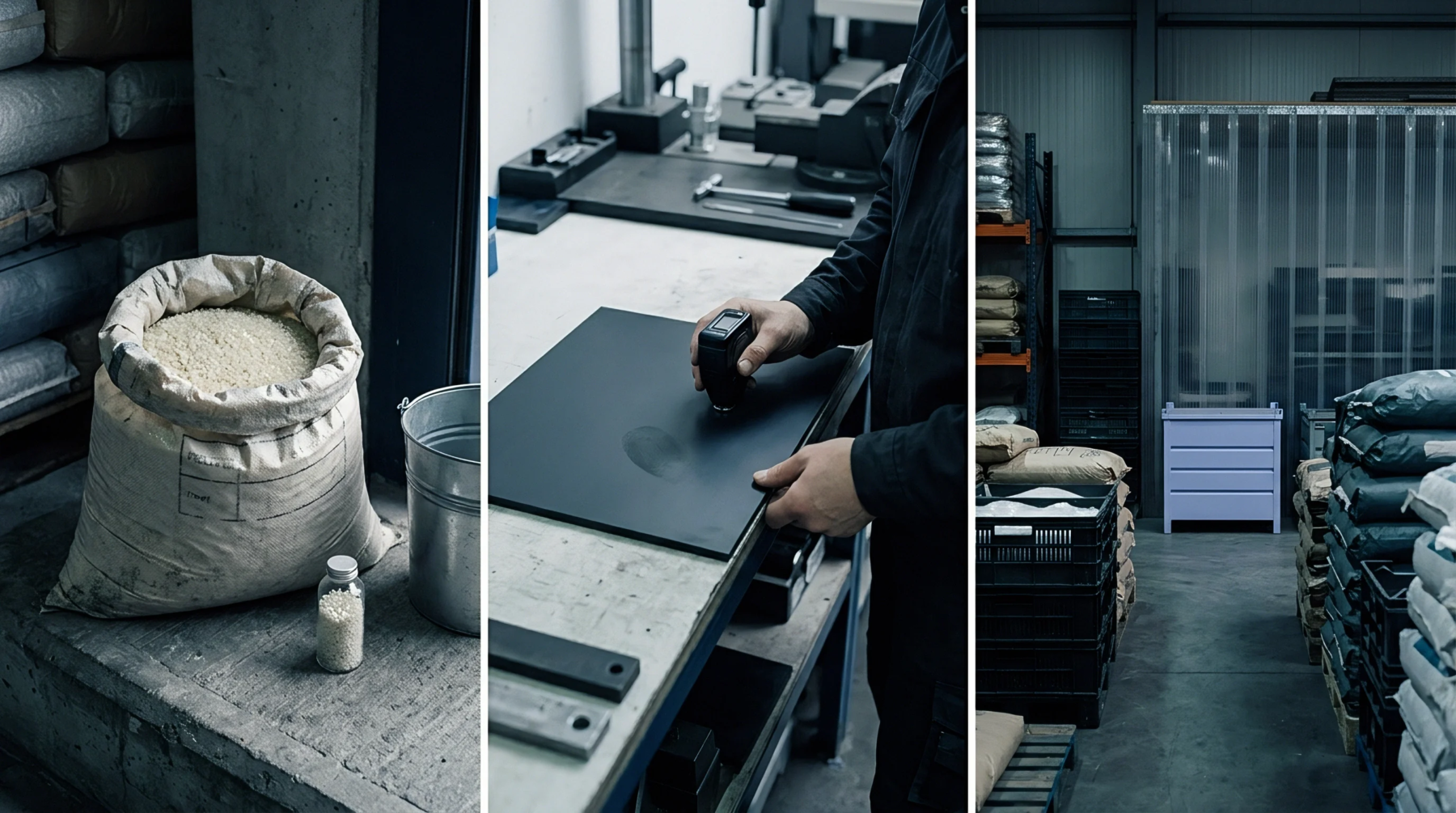
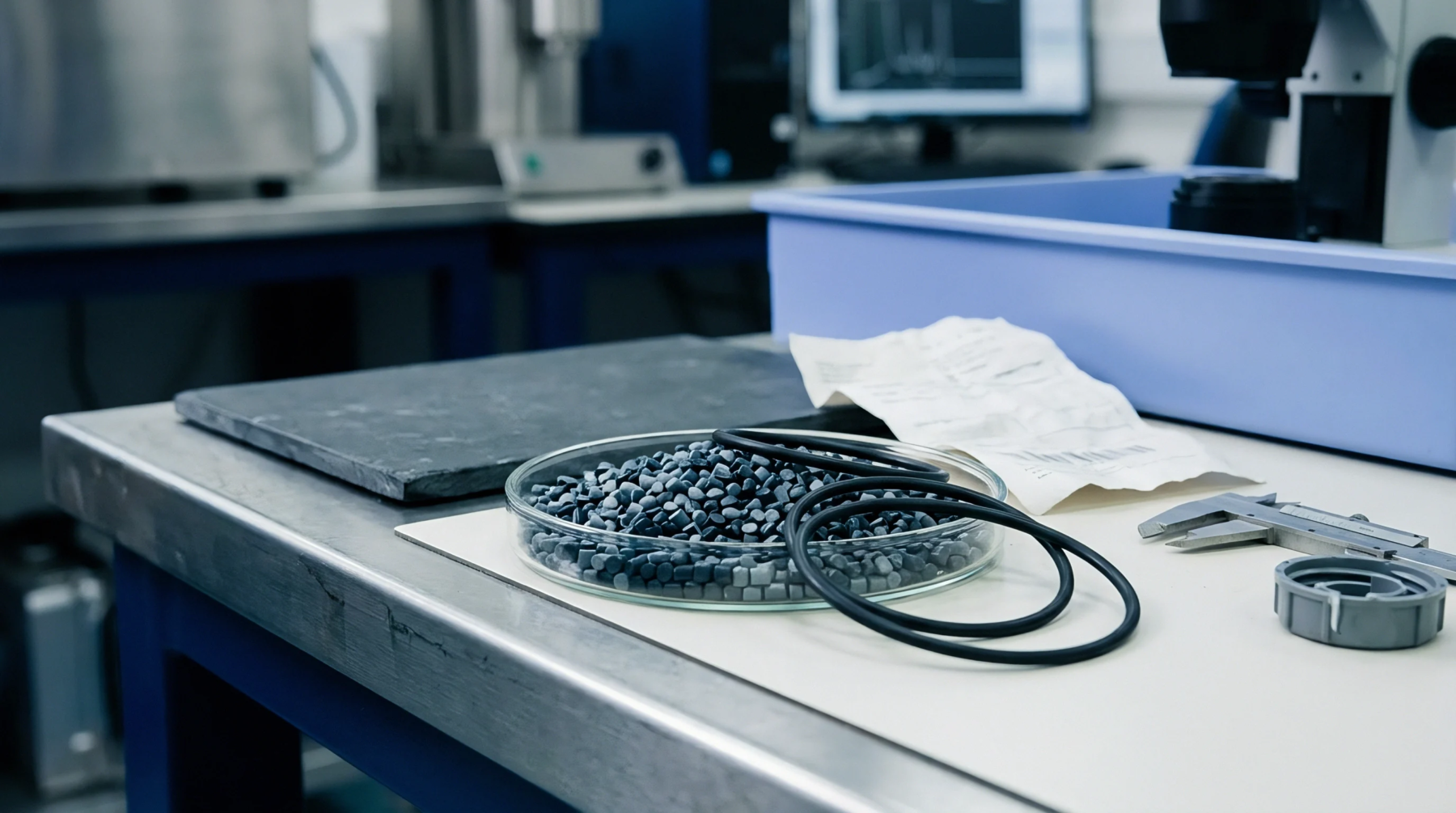
Additive performance is measured by induction periods in differential scanning calorimetry tests performed under oxygen atmospheres. Degradation pathways accelerate when processing temperatures surpass thermal limits established by polymer degradation thresholds. Virgin resin suppliers blend these stabilizers into pelletized stocks to protect material integrity during initial compounding operations.
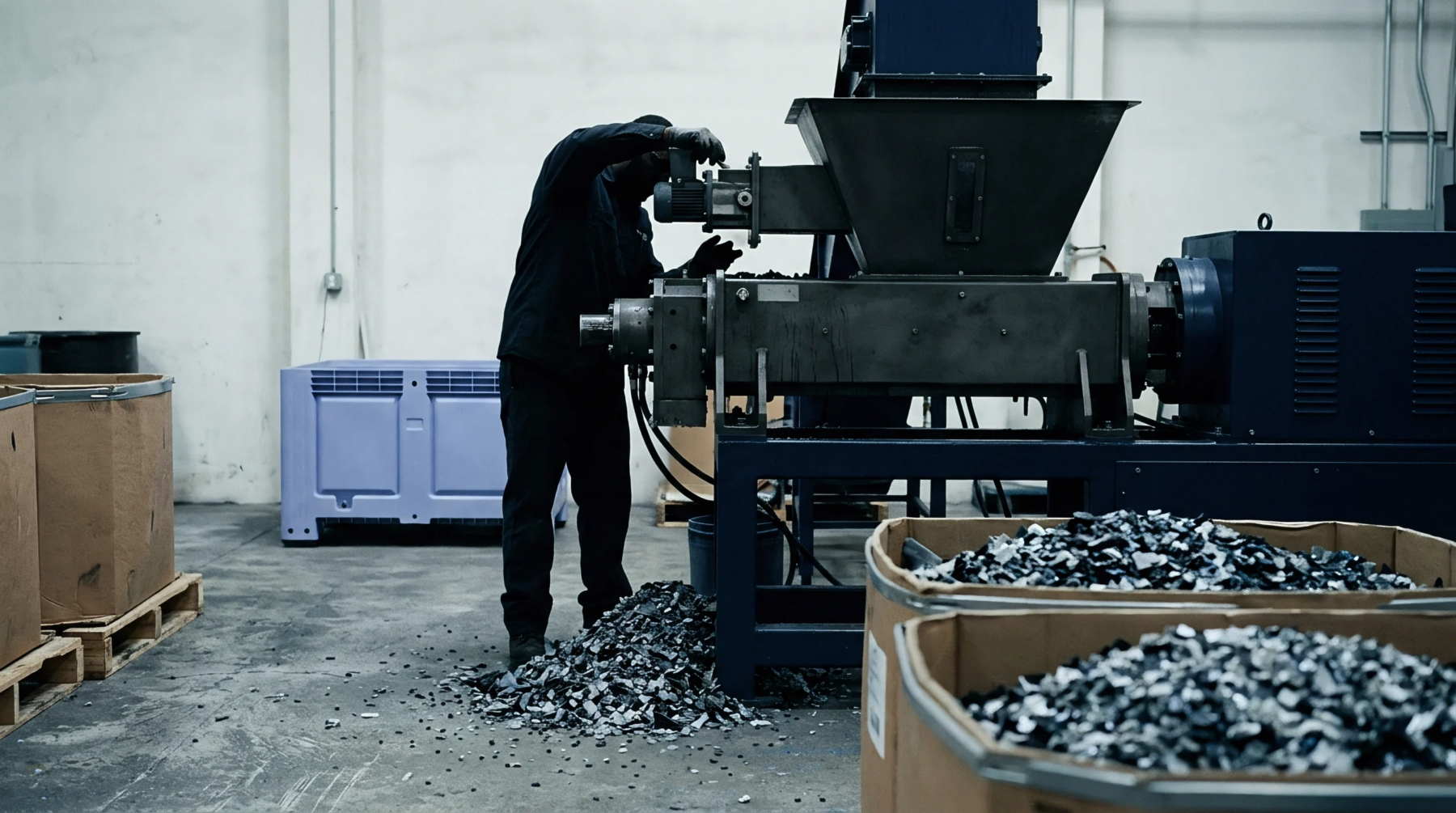
Recycled material streams demand supplementary stabilization because prior thermal cycles deplete original antioxidant inventories significantly. Regrind economics require analytical verification of residual antioxidant capacity before blending with virgin supplies to avoid premature crosslinking. Moulder operations experience gate deposits and yellowing defects when stabilization fails during prolonged barrel residence times.
Thermal Degradation
Molecular weight retention during multi-pass injection moulding depends on effective termination of propagating macroradicals. Shear heating within high-speed screw channels generates localized hot spots that consume stabilizer molecules rapidly. Material specifications dictate minimum retention values for melt flow rates across successive processing runs.
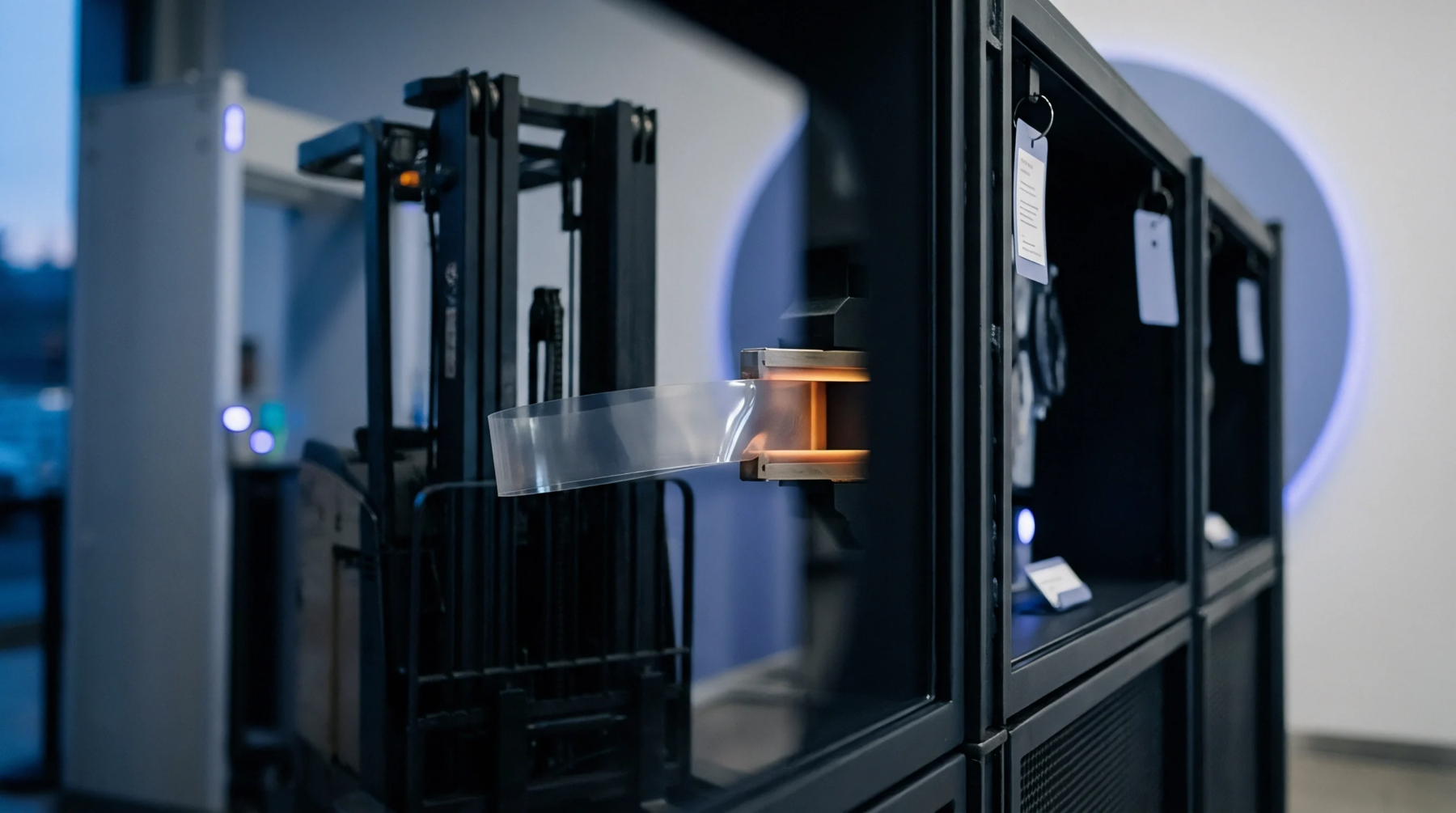
Part specifications demand freedom from embrittlement and colour shifts in housings exposed to continuous thermal loads. Extrusion temperatures must balance flow characteristics against the onset of thermal oxidation rates. Analytical laboratories quantify degradation by measuring carbonyl absorption bands in infrared spectra obtained from molded plaques.
Processing Economics
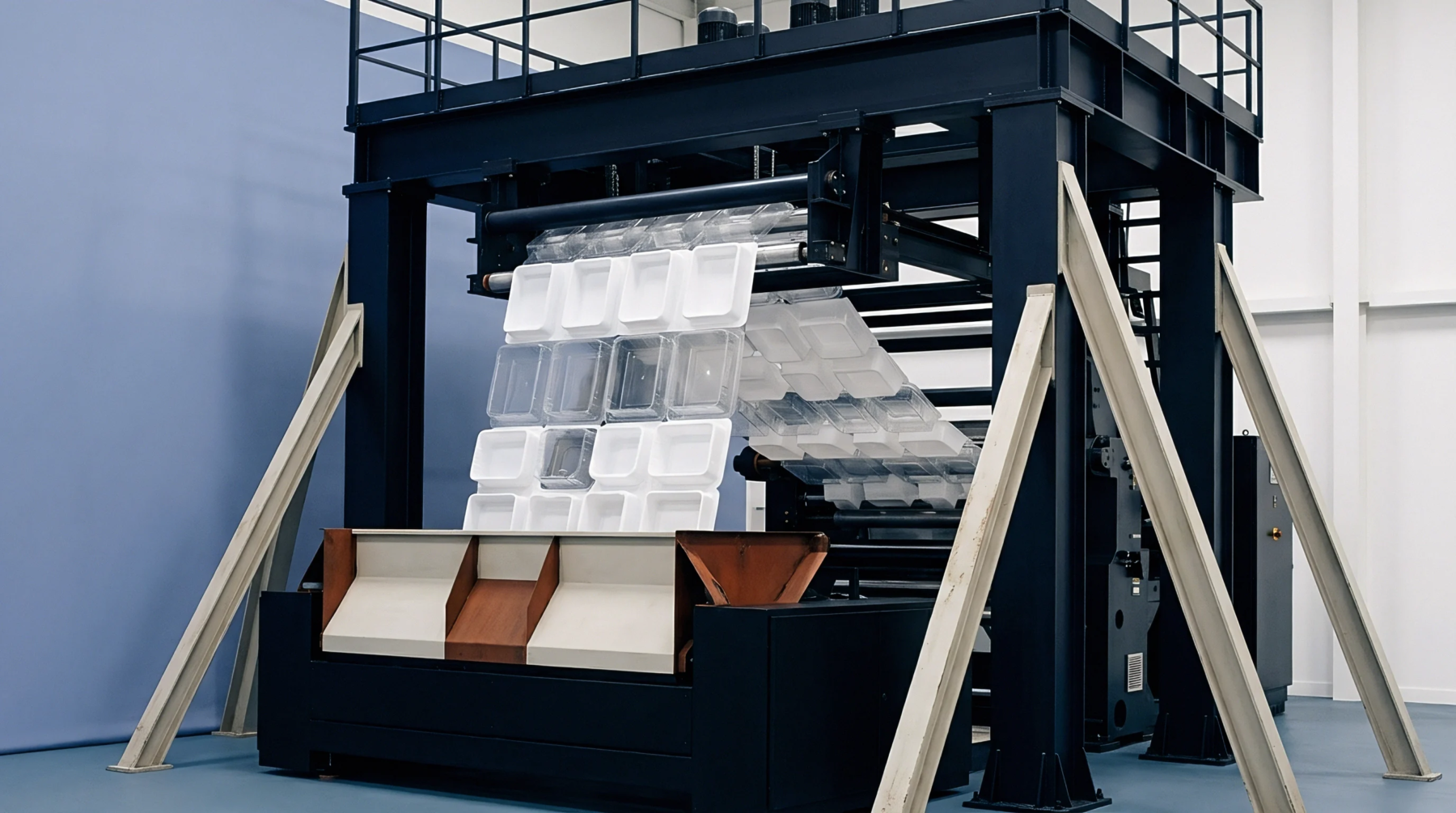
Cost optimization balances virgin resin formulations against the inclusion rates of stabilised regrind streams. Compounders adjust feed rates of antioxidant masterbatches to offset losses occurring during pelletization and drying phases. Moulding shops monitor scrap rates resulting from thermal yellowing to determine optimal additive loading levels.
Datasheet values for melt stability provide baseline parameters that processors verify on shop floor equipment. Actual processing conditions introduce variables such as screw design and barrel residence times that alter effective antioxidant consumption rates. Downstream part quality reflects the precision of thermal management during the final conversion step.