
Quantifying Dual Use Additive Migration Limits for Food Contact Compliance Files
Compliance files require measuring migration against specific limits, adjusting for dual-use direct food additive allowances, and verifying raw material data.
Compliance files require measuring migration against specific limits, adjusting for dual-use direct food additive allowances, and verifying raw material data.

Non-targeted GC-QTOF and LC-Orbitrap screening workflows isolate and structurally identify unknown migrants in recycled plastics to ensure food contact regulatory compliance.

Recycled polyolefin food contact compliance demands targeted screening for photoinitiators to prevent set-off contaminants from exceeding specific migration limits.

Non-targeted screening workflows require orthogonal GC-MS and LC-HRMS platforms to detect volatile, non-volatile, and adhesive oligomer migrants down to an analytical evaluation threshold derived from toxicological thresholds of concern.
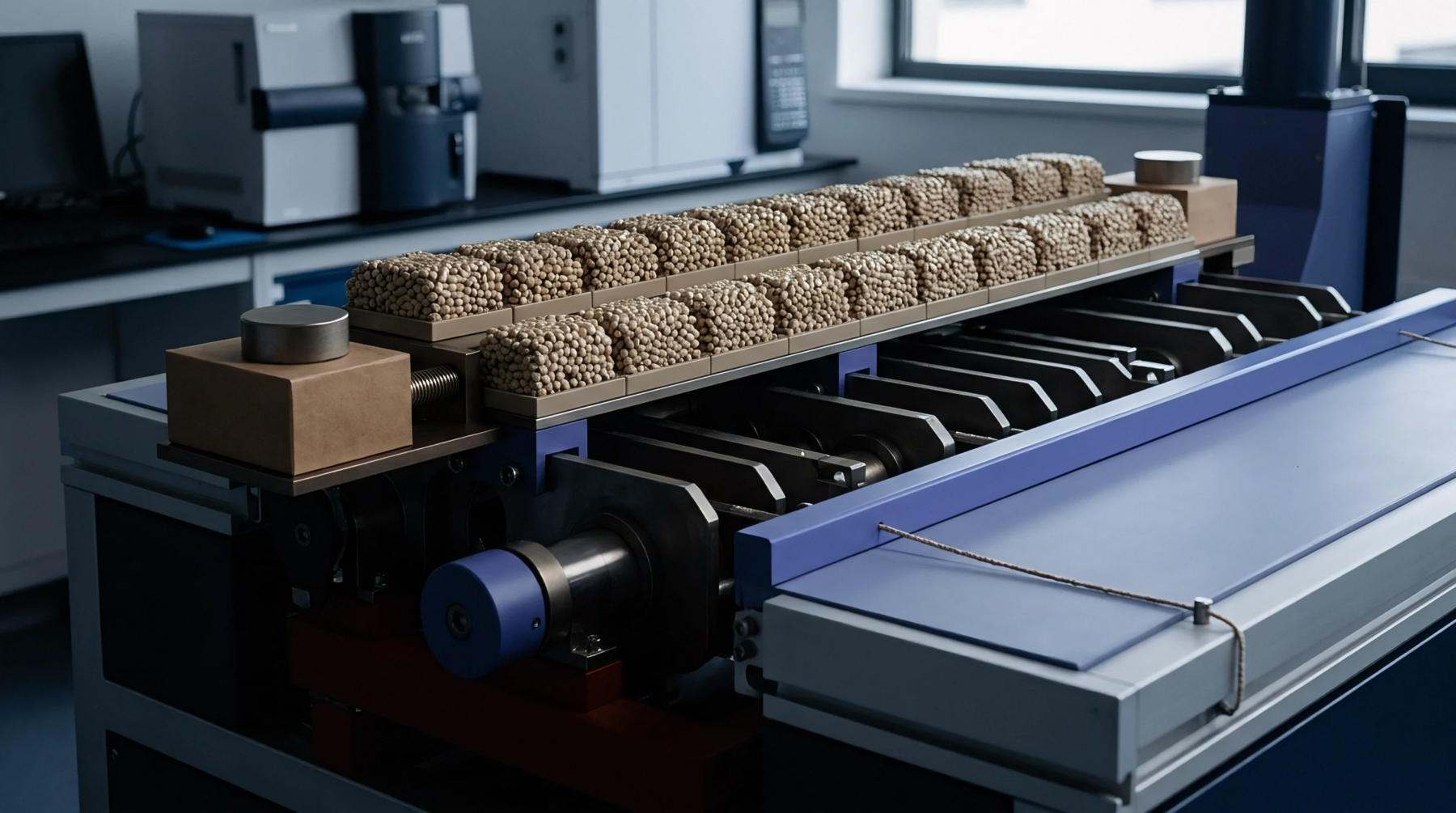
Quantifying dual-use additive migration in multicavity components requires cavity-isolated testing under worst-case shear and thermal conditions.

Dual-use additives migrating from plastic packaging into food must satisfy both packaging specific migration limits and direct food additive maximum levels.

Cramer structural classification sets exposure thresholds for unlisted packaging migrants, turning molecular features into defensible specific migration limits.

Cross-border polymer migration compliance requires testing finished articles under verified worst-case simulants, contact times, and surface-to-volume ratios.

Deriving polyolefin hydrocarbon hump compliance requires LC-GC-FID fraction isolation and Cramer Class derivation to set verifiable limits against migration test data.

Base polymer declarations certify monomer purity at the reactor gate but omit all converter additives, breakdown products, and finished article migration limits.

Dual-use packaging additives demand verification against direct food additive purity and migration limits to prevent compliance failures downstream.
Expertise is a utility, not a secret. sentiention™ publishes its working knowledge as open reference: intelligence layer covering the materials it sources, the markets it enters, and the reference that serves both.