Meaning
Quantitative thresholds define the maximum permitted amount of a particular substance that can transfer from a finished plastic part into a food product or simulant. This specific migration limit is established for individual monomers, additives and other starting substances that have been safety assessed by toxicologists. The goal is to ensure that the exposure of the consumer to a specific chemical stays well below the level that could cause harm.
These limits are expressed in milligrams of the substance per kilogram of food or food simulant. Manufacturers must verify that their products comply with these values through laboratory testing. This is a critical part of the safety verification process for any plastic intended for food contact.
Regulatory Threshold
The value of a specific migration limit is derived from the tolerable daily intake of the chemical. If a substance is known to be more toxic, its permitted migration level will be set much lower. For some chemicals that are suspected of being carcinogens or endocrine disruptors, the limit may be set at the detection limit of the analytical equipment.
This means that virtually no migration is allowed. Regulation eu 10 2011 provides an extensive list of these limits for hundreds of different substances used in the polymer industry. Moulders must check the resins they use to ensure that none of the additives will exceed these thresholds under the intended conditions of use.
Compliance with these limits is a mandatory requirement for selling food grade plastics.
Analytical Testing
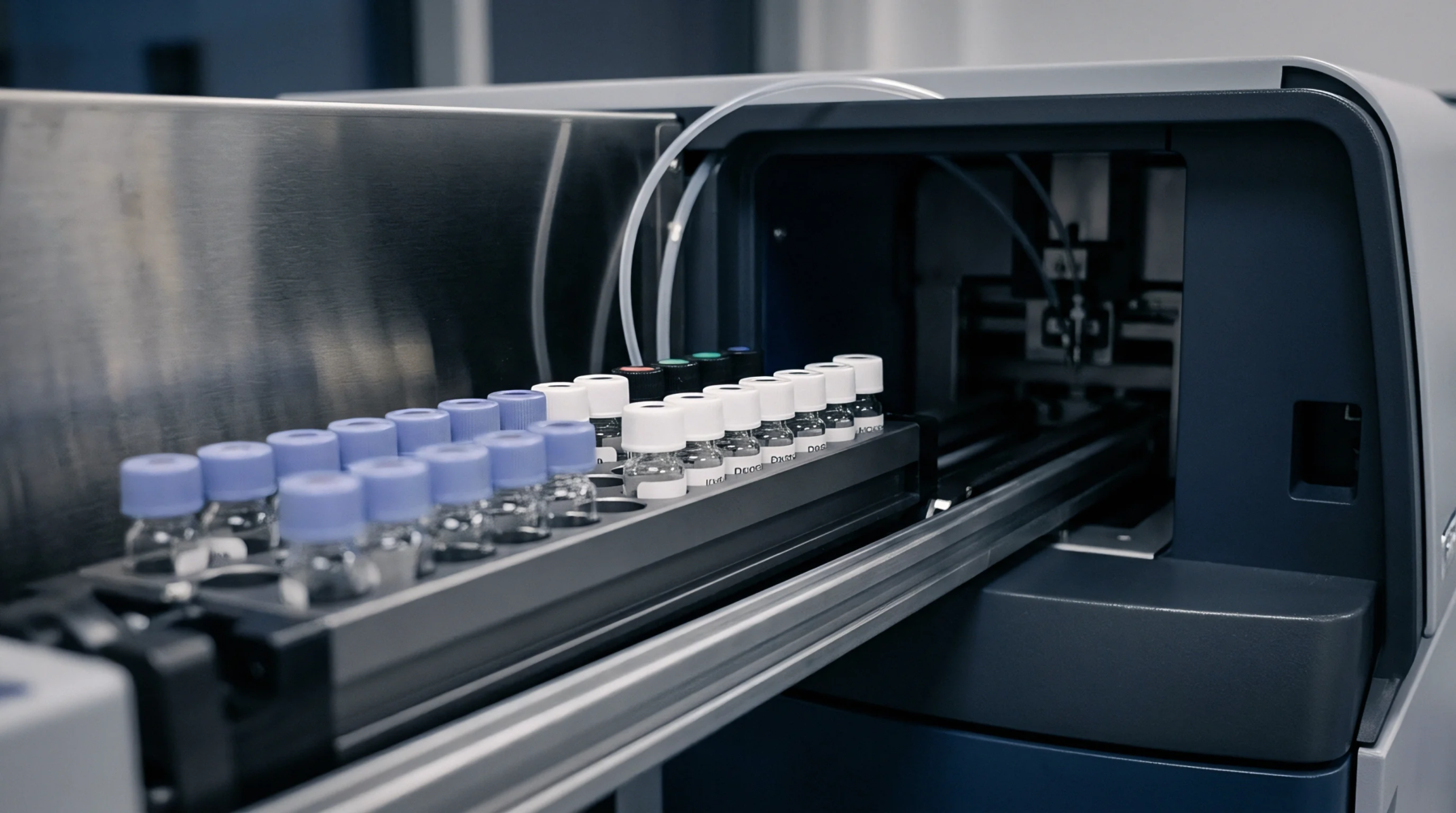
Proving that a part meets the specific migration limit requires sophisticated chemical analysis after the material has been exposed to a food simulant. Laboratory technicians use techniques like gas chromatography or liquid chromatography to identify and quantify the specific substance of interest. The testing must be done using the correct simulant, such as acetic acid for acidic foods or oil for fatty foods.
The conditions of the test, such as ten days at forty degrees celsius, are chosen to represent the maximum shelf life of the packaged product. If the concentration of the chemical in the simulant exceeds the limit, the part is considered non compliant. This testing is often more complex and expensive than measuring overall migration because it requires searching for trace amounts of a specific molecule.
Material Design
Designers and engineers use the knowledge of specific migration limits to select the safest materials for their applications. For example, if a part will be used for high temperature cooking, the designer must choose additives that are stable and do not migrate easily at those temperatures. Using a higher molecular weight version of an additive can sometimes help to reduce migration because the larger molecules move more slowly through the polymer matrix.
Some manufacturers also use functional barriers, such as a layer of aluminium or a specific barrier polymer, to prevent the migration of substances from the inner layers of the packaging. Understanding these limits is necessary for creating products that are both functional and safe for the consumer. The limit acts as a fixed constraint on the formulation of the plastic.