
Determining Non Target Screening Thresholds for Recycled Polyolefins
Determining non target screening thresholds requires deriving analytical detection limits from toxicological thresholds divided by GC and LC response uncertainty factors.
Determining non target screening thresholds requires deriving analytical detection limits from toxicological thresholds divided by GC and LC response uncertainty factors.

Analytical identification thresholds for polyolefin NIAS must be set to 10 ppb in simulants to prevent uncharacterized genotoxins from voiding food contact dossiers.

Non-targeted high-resolution mass spectrometry validates recycled polyolefin food contact compliance by identifying unknown migrants below ten ppb safety limits.

Selecting substitute simulants for recycled polyolefin fatty food verification requires matching swelling kinetics to prevent over-extraction while satisfying EN 1186 rules.

Non-aqueous titration kinetics validate acidic volatile counts in recycled polymers, preventing extrusion screw corrosion and processing degradation.
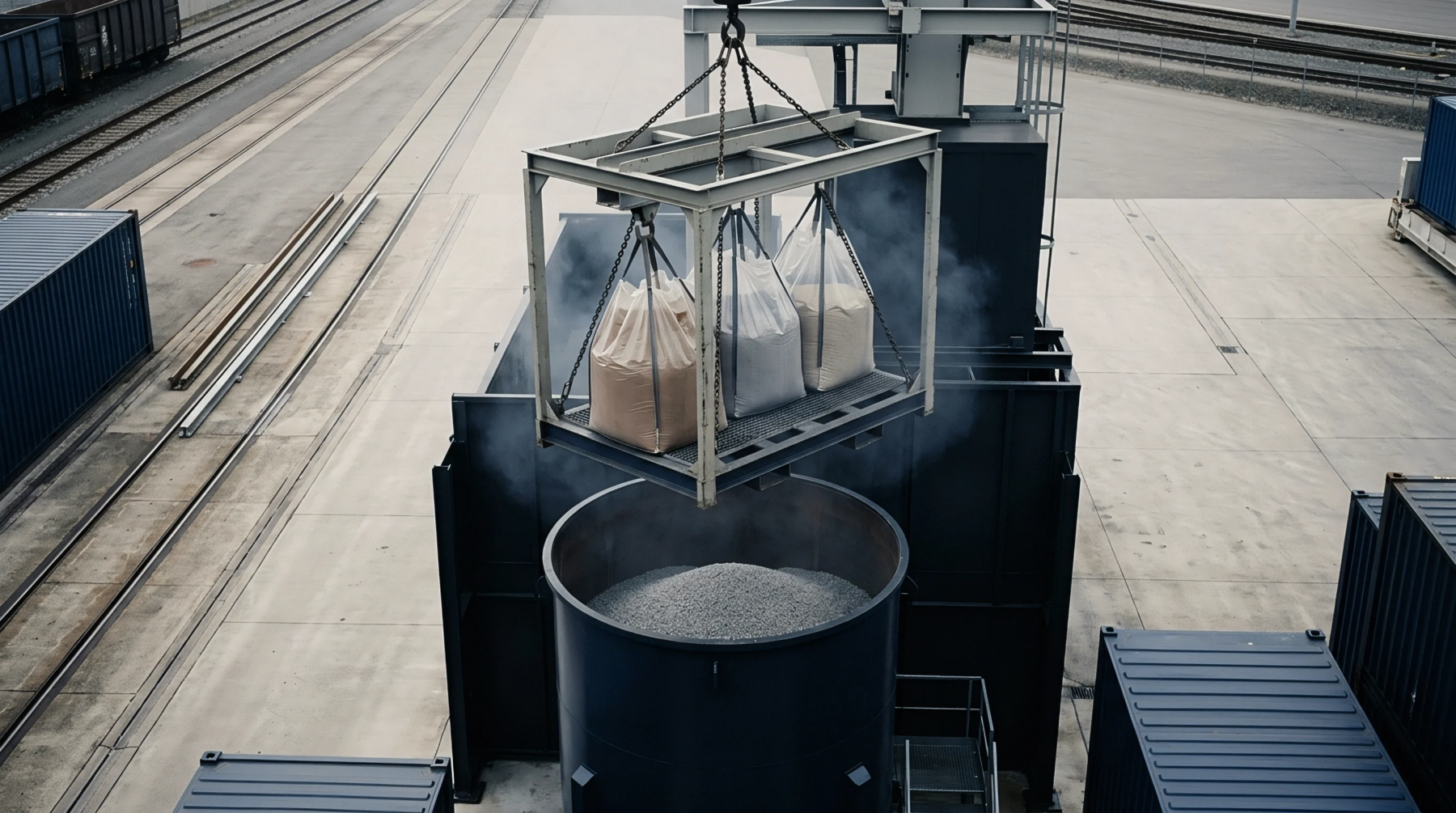
Validating food contact safety in bulk packaging relies on matching simulant test parameters to geometry and auditing chemical declarations for every additive.

Polymer degradation in recycled polyolefin food contact laminates accelerates solvent extraction kinetics, requiring calibrated diffusion modeling for compliance verification.

Non-target unknown peaks in recycled polyolefin screening are quantified using uncertainty-adjusted relative response factors and evaluated against a 10 ppb genotoxicity threshold.

Unidentified extraction peaks in recycled polyolefins require GC-MS/LC-HRMS screening and TTC toxicological evaluation to secure cross-border compliance.

High-temperature non-aqueous volatile extraction and titration quantifies acidic degradation products in recycled polymers to prevent processing corrosion.

Determining food simulants for recycled polyolefin migration requires matching contaminant polarity to lipophilic or aqueous media while preventing solvent swelling distortion.

Quantifying semi-volatile photoinitiators in recycled polyolefins requires matrix-matched standard addition to counter 40% measurement uncertainty.

Verify recycled polyolefin food contact clearance by combining LC-GC-FID quantification of C10-C50 oligomers with toxicological screening under Cramer Class thresholds.

Tracking melt flow changes and oxidation time prevents part failure from degraded recycled polyolefin resins.

Quantification of non-intentionally added substances in recycled polyolefins requires structural class calibration to overcome mass spectrometry response variances.
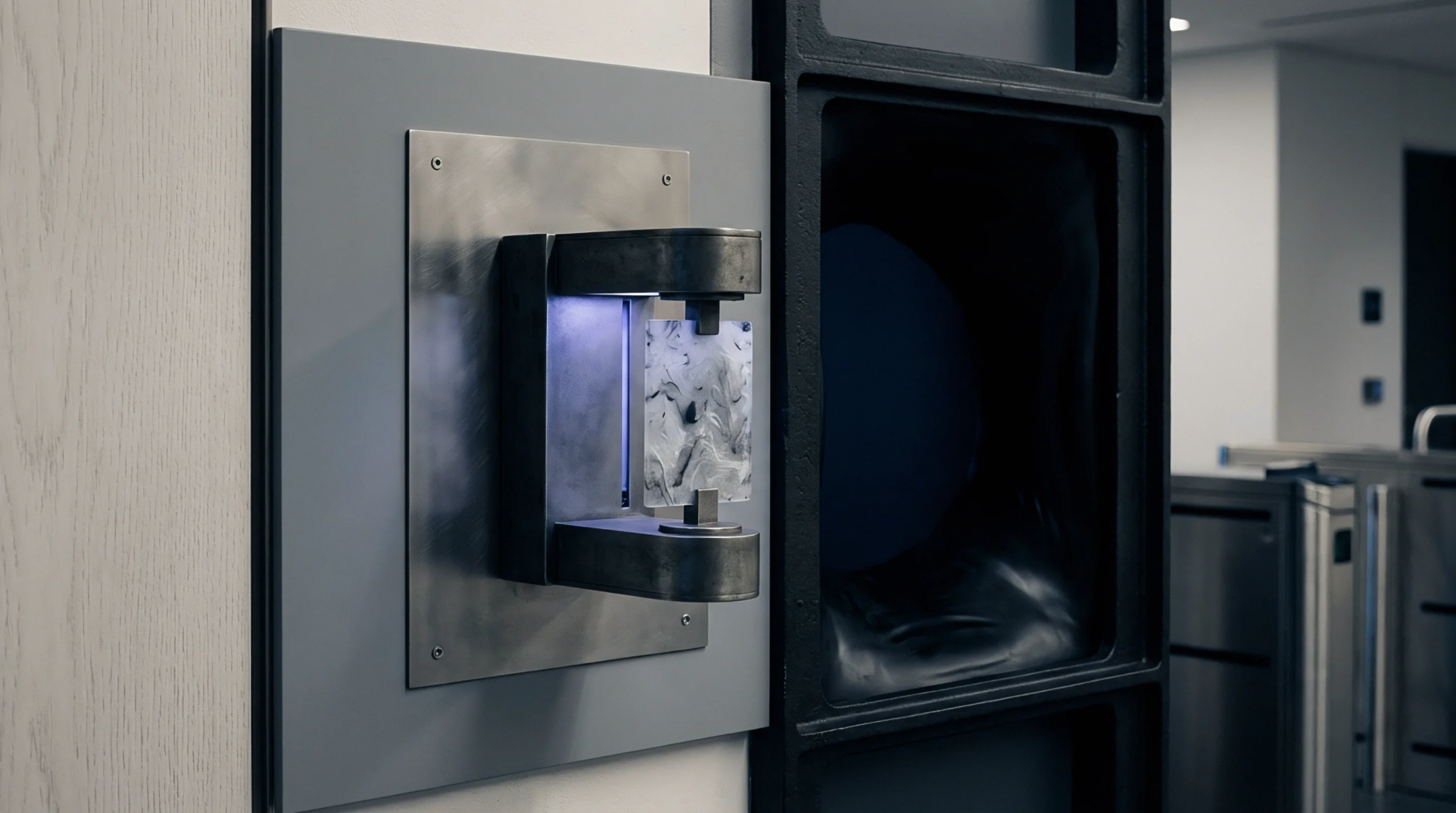
Analytical screening for recycled polyolefin food contact articles requires mass spectrometry thresholds below 10 ppb to prove compliance under EU rules.

Recycled content tax claims require lot-specific EN 15343 audit trails and migration reports to withstand customs audits and avoid retroactive landed tax liabilities.
Expertise is a utility, not a secret. sentiention™ publishes its working knowledge as open reference: intelligence layer covering the materials it sources, the markets it enters, and the reference that serves both.