Meaning
Recycled polypropylene represents a specific grade of reclaimed thermoplastic polymer derived from post-consumer or post-industrial waste streams that provides a sustainable alternative to virgin feedstocks in injection moulding operations. The rPP material requires stringent cleaning and pelletization processes to remove contaminants which compromise structural integrity during the thermal transition phase. Manufacturers define this compound by its melt flow index and purity levels rather than by its original product life cycle or geometric source.
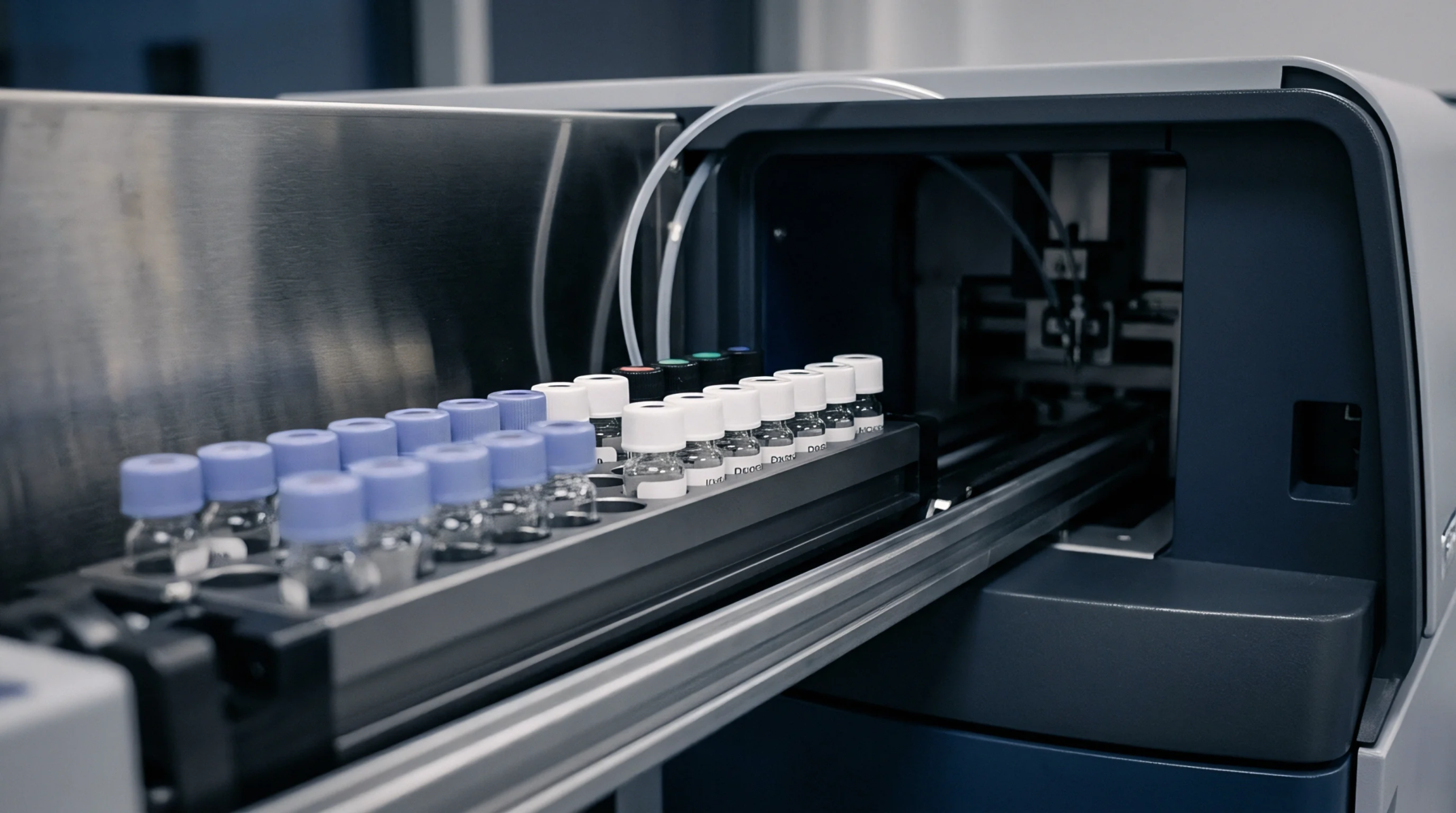
Impurities found within rPP chains often create physical variations that necessitate adjusted clamping pressures and injection speeds to maintain dimensional stability across large production volumes. Material specifications for this resin rely on consistent feedstock sourcing because chemical degradation during reprocessing limits the count of thermal cycles a single batch survives before mechanical failure occurs.
Processing Dynamics
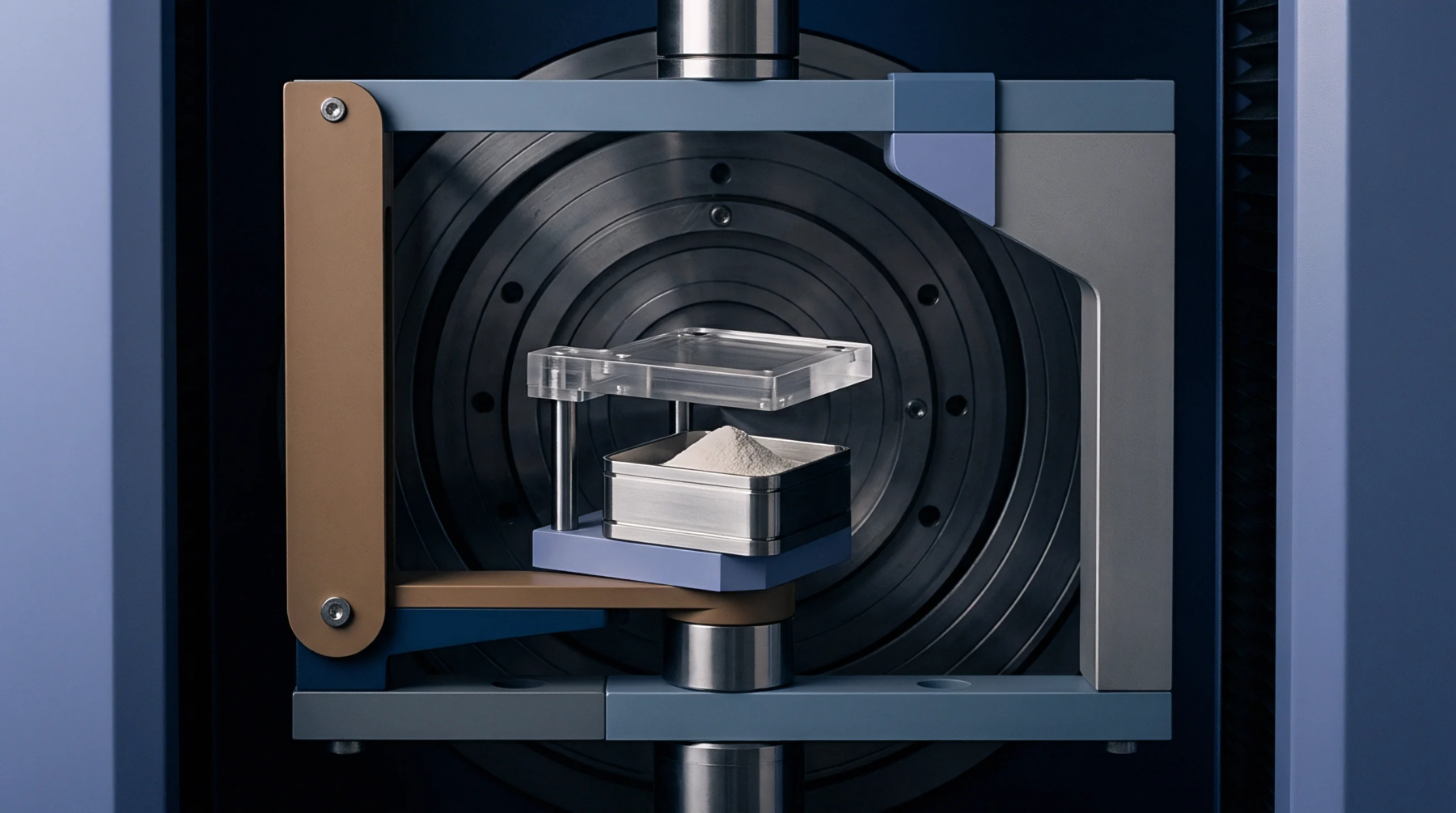
Injection moulding environments demand precise thermal management when handling rPP because the resin possesses a narrower processing window compared to virgin counterparts. Recycled polymer chains exhibit varying molecular weight distributions that affect viscosity under shear stress inside the barrel. Operators monitor back pressure settings closely as uneven melting produces brittle spots in the finished geometry.
Consistency in the feed stream prevents erratic pressure spikes during the holding phase of the cycle. Stable nozzle temperatures reduce the frequency of short shots caused by regional flow resistance. These machines work harder to homogenize the melt when particulate contamination levels rise above the specified threshold for the intended application.
Economic Value
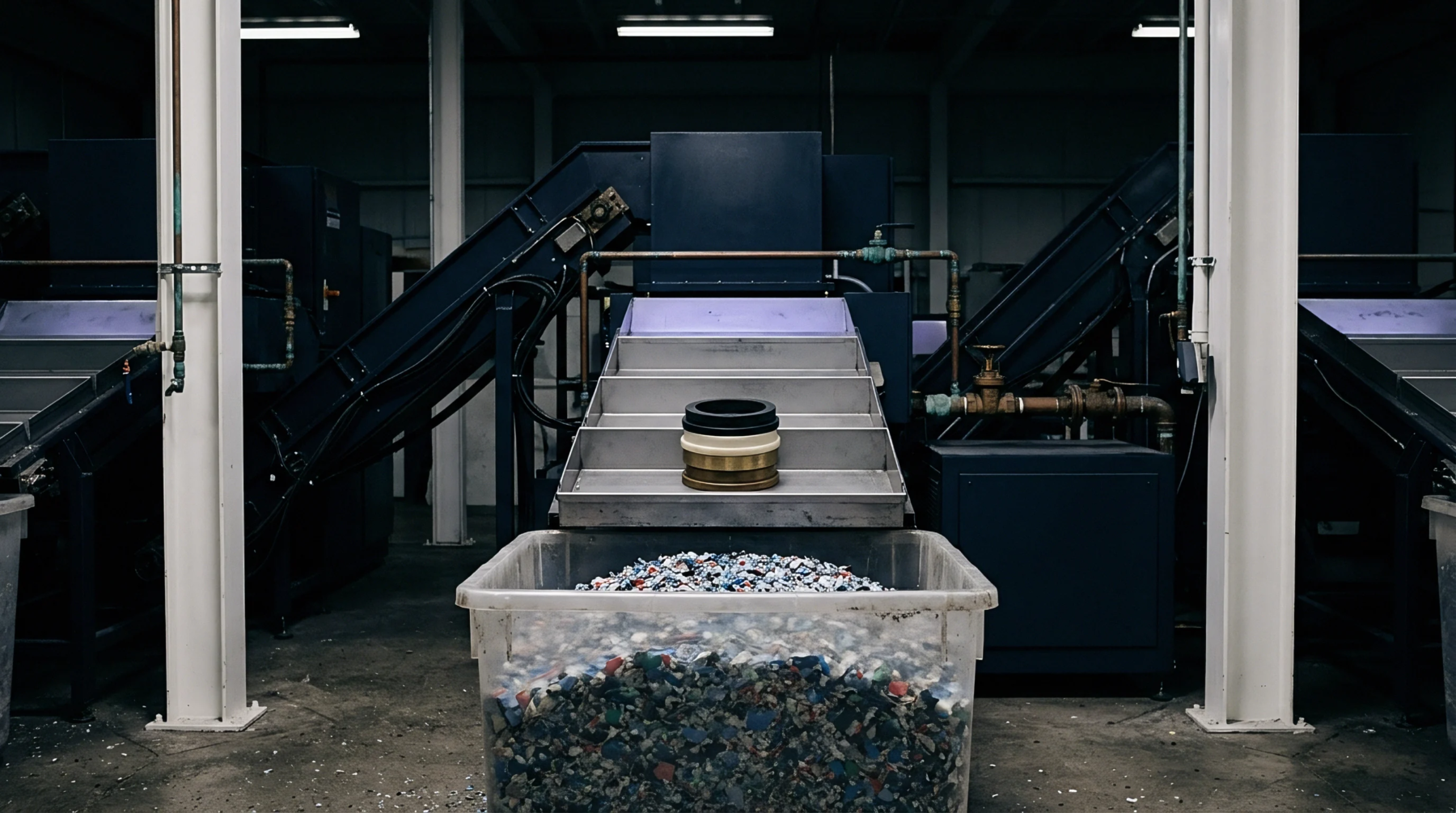
Financial incentives for adopting rPP hinge upon the delta between virgin resin costs and the market price for high quality reclaimed flakes. Recyclers convert collected waste into usable pellets through sorting and extrusion which consumes energy but keeps the unit price lower than brand new material manufactured from petroleum feedstocks. Lower input costs allow converters to remain competitive in commodity markets where margins remain thin across high volume runs.
Large companies incorporate rPP to satisfy internal sustainability targets without abandoning the performance requirements dictated by engineering specifications. Buying this grade reduces the reliance on fluctuating petrochemical supply chains while supporting the viability of circular material recovery systems.
Component Specification
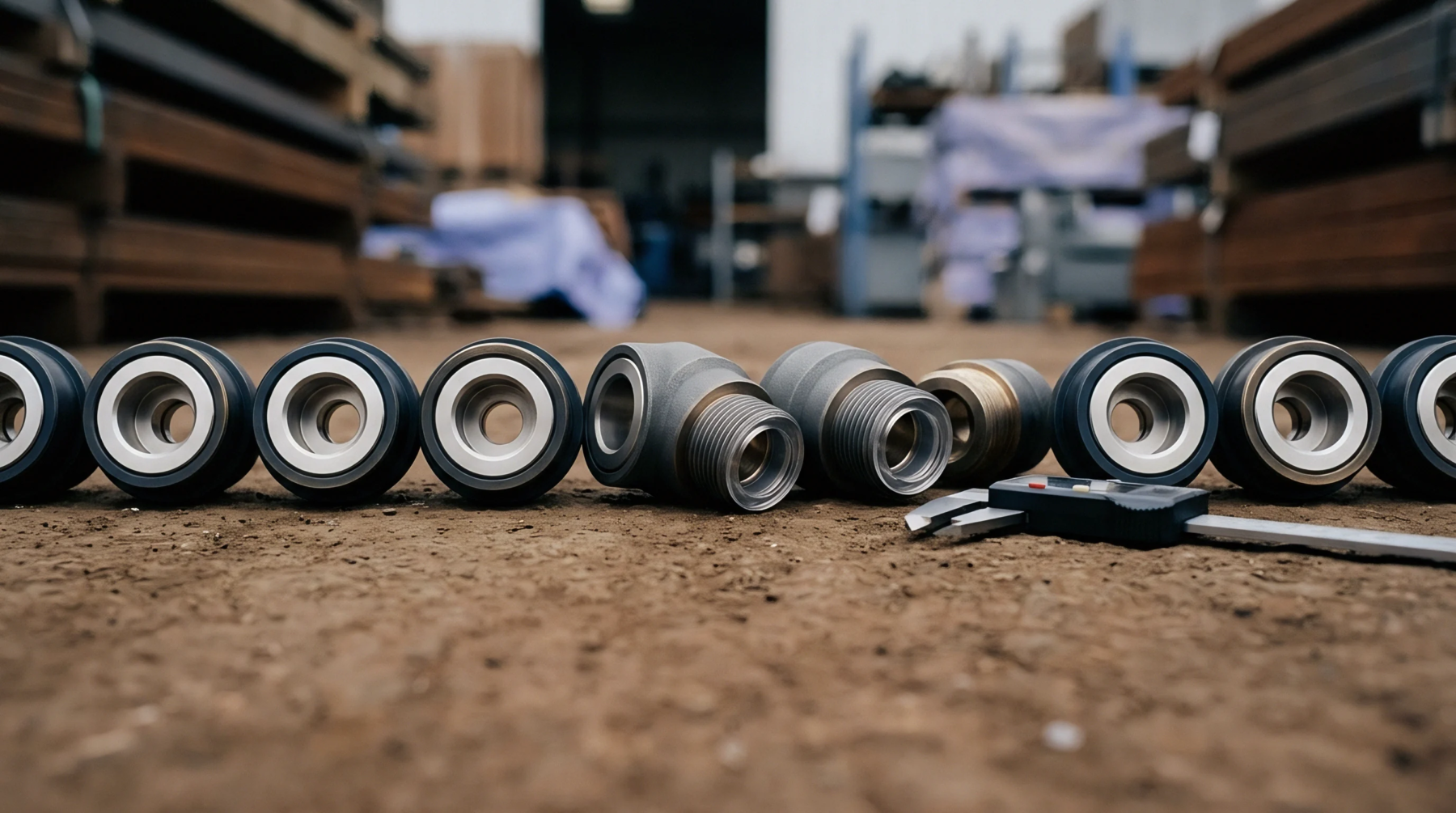
Part tolerances determine whether a project accepts rPP or mandates a higher purity blend for long term structural performance. Virgin materials typically offer superior impact resistance for thin walled components whereas rPP suits applications where mass and rigidity outweigh the need for high elongation at break. Engineers evaluate the specific gravity of the feedstock to ensure that the density profile remains uniform throughout the mould cavity.
Variations in filler content influence the final stiffness of the part after the cooling stage terminates. Excessive regrind ratios lead to a permanent reduction in tensile strength that complicates the validation of mechanical designs. Precise control over cycle times compensates for minor rheological drift when the moulder maintains a steady temperature across every sequence.
Consistent part quality requires rigorous oversight of every batch entering the hopper to prevent premature failure in the field.