
Mass Transport Kinetics and Diffusion Modeling in Decontaminated High Density Polyethylene
Decontaminated HDPE migration compliance relies on temperature-dependent Fickian diffusion models parameterized by matrix density and surrogate mass.
Decontaminated HDPE migration compliance relies on temperature-dependent Fickian diffusion models parameterized by matrix density and surrogate mass.

Recycled secondary polymer baseline assessment requires volatile headspace screening and mineral oil quantification to prevent migration across primary packaging.
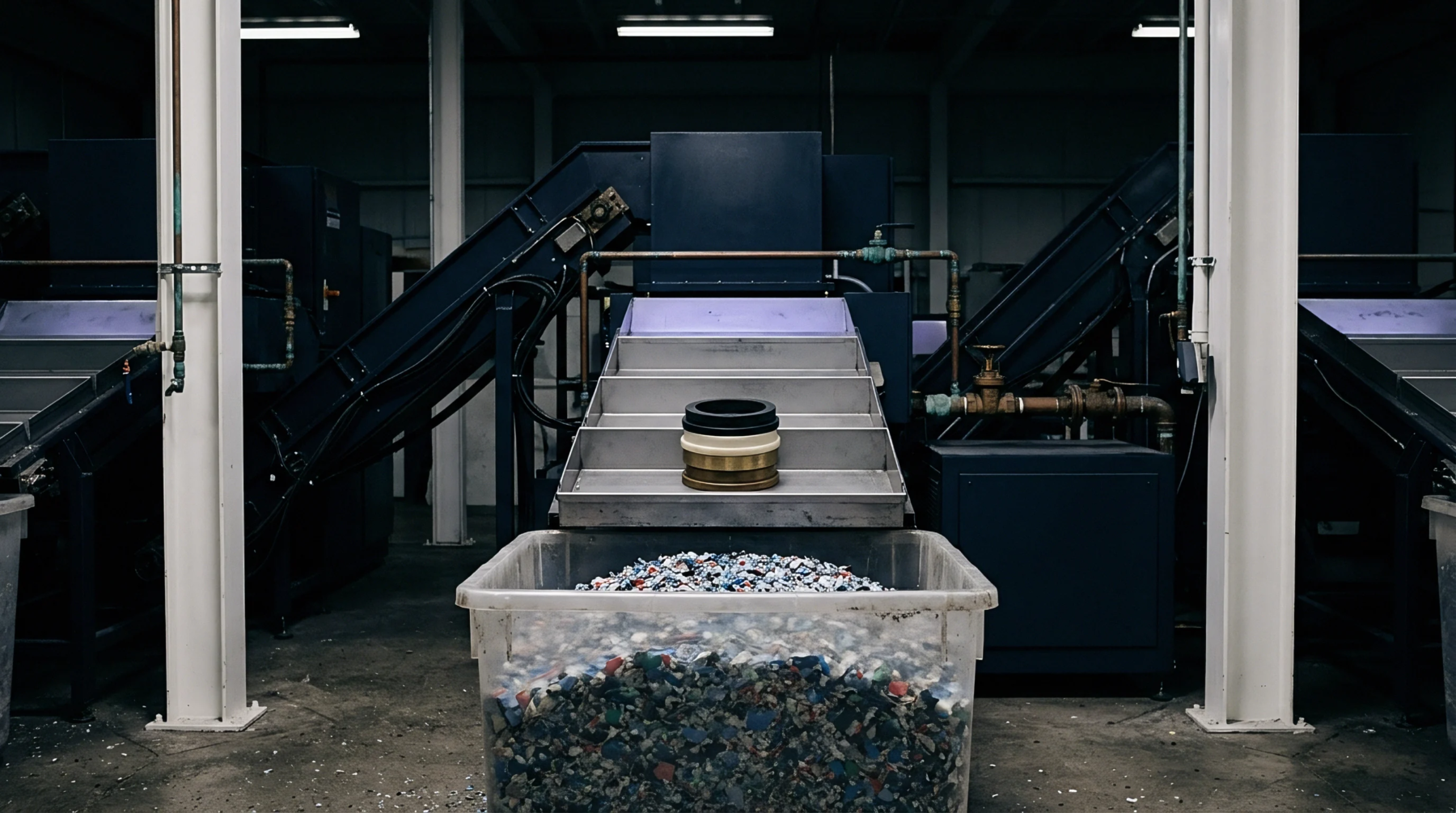
Mathematical peak deconvolution separates coeluting volatile degradation products from polyolefin oligomer baselines, enabling accurate resin qualification.
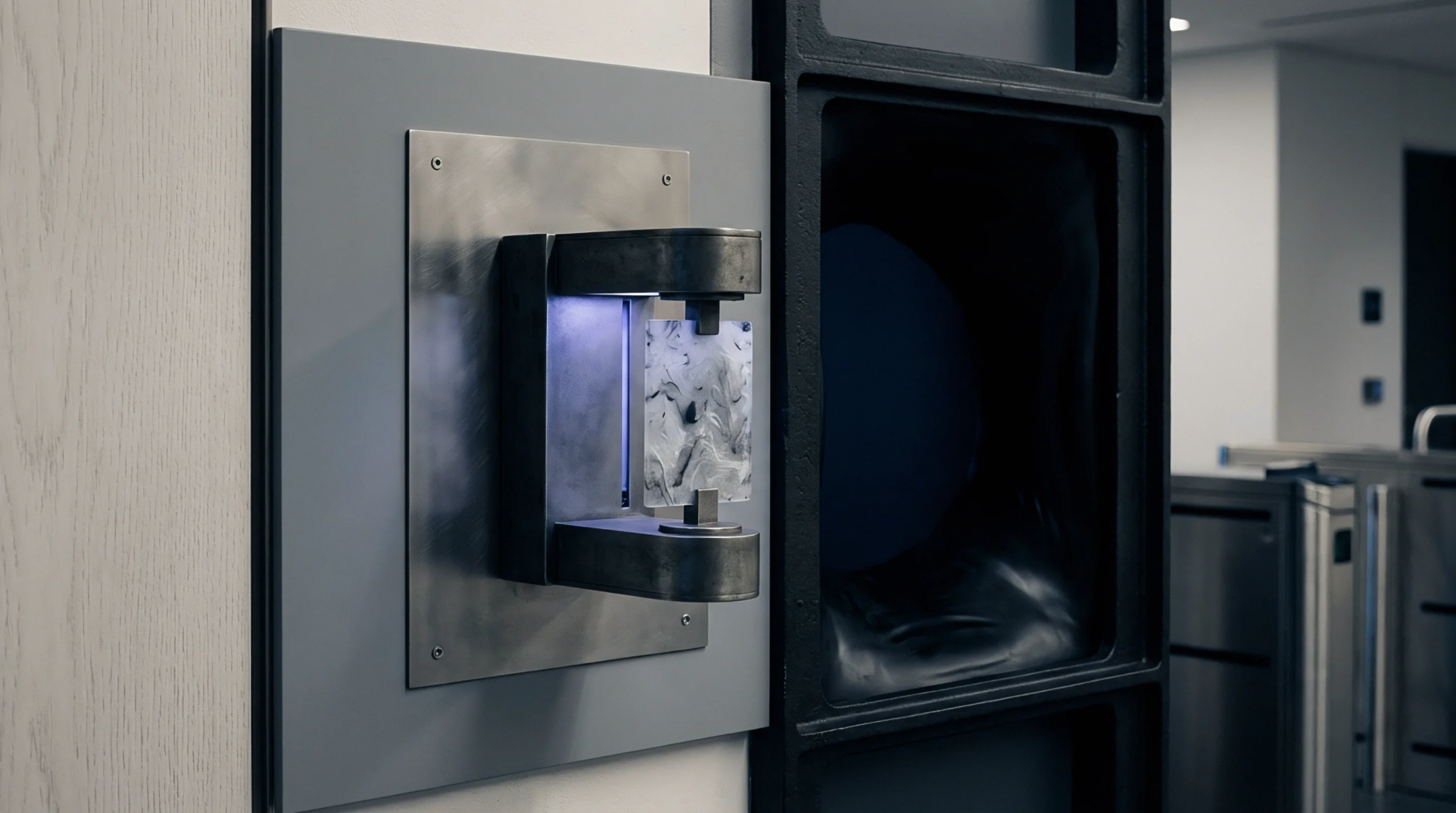
Headspace volatile extraction quantifies residual odorants and degradation products in recycled resin to establish compliance and prevent lot failures.
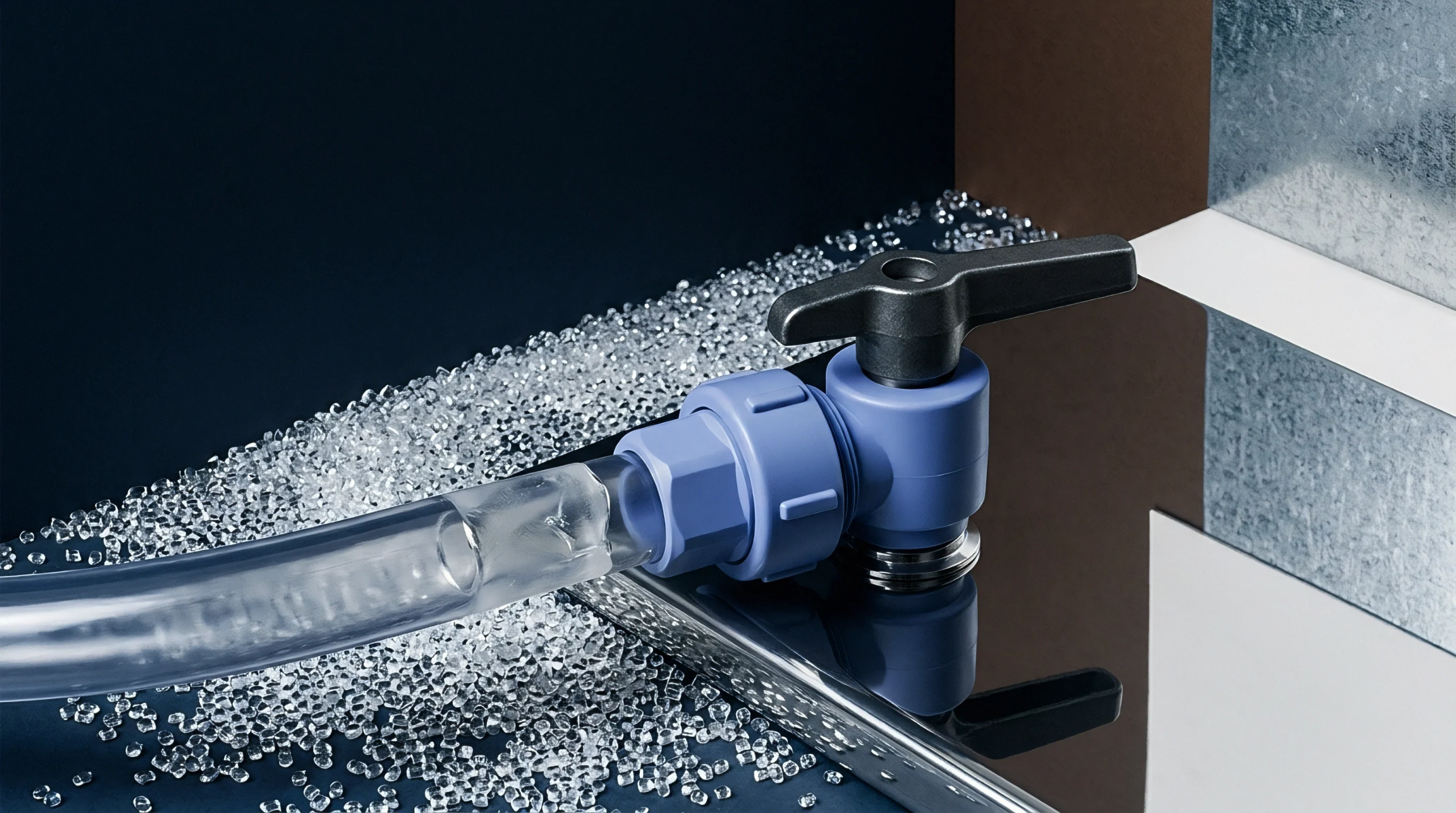
Coupling thermal desorption solvent extraction with non aqueous potentiometric titration quantifies volatile contaminants and acid values in recycled polyolefins.

Karl Fischer moisture testing of recycled PET flake requires thermal desorption at 170 C with methanol-free reagents to eliminate volatile interference.

Coupling Arrhenius volatile generation kinetics with dual-exponential sensor adsorption models corrects background current drift in polymer enclosures.
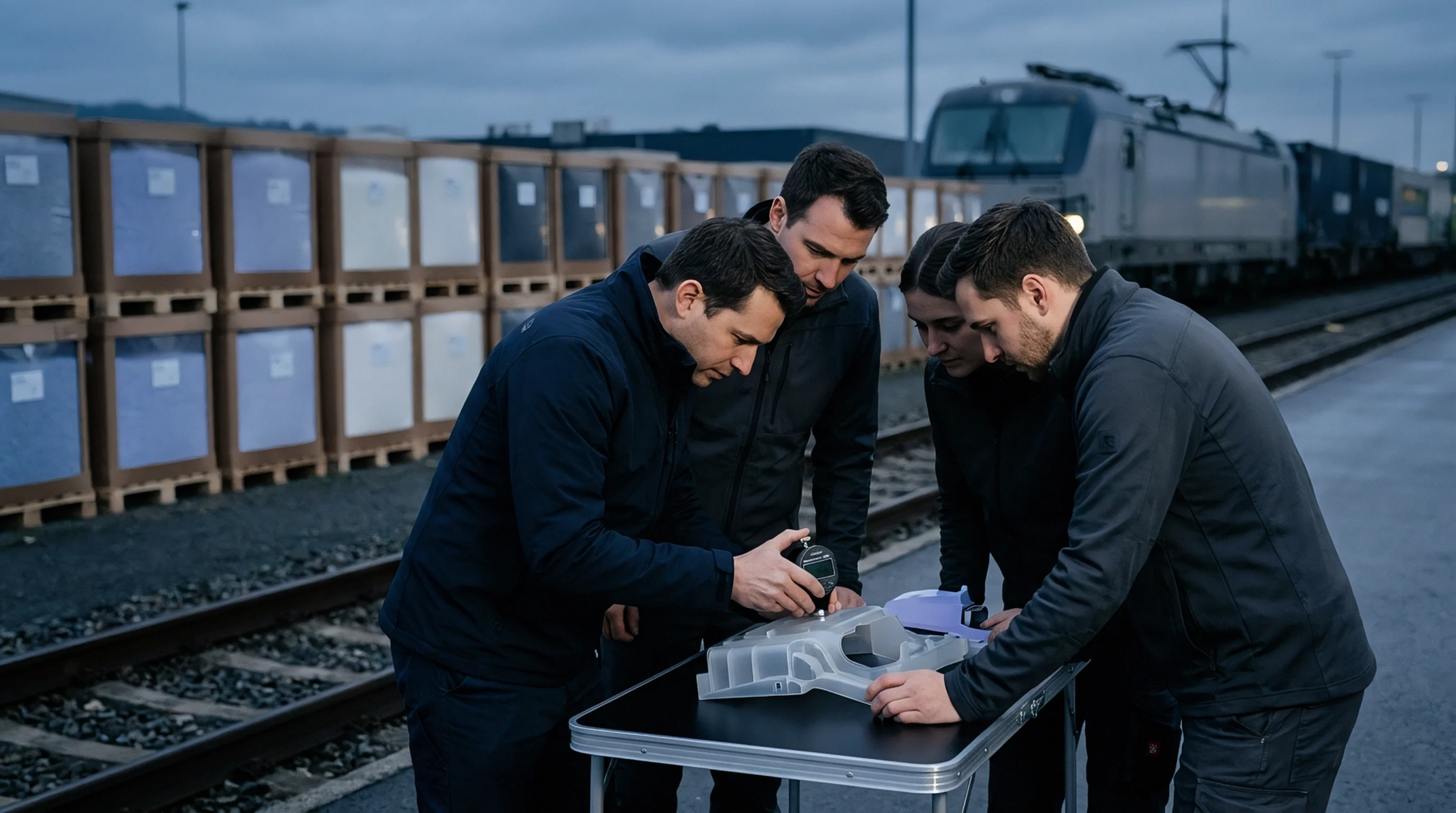
Coulometric Karl Fischer titration with thermal desorption isolates true moisture in bio-polyesters, preventing false readings from monomer breakdown and avoiding melt hydrolysis.

Imported polyolefin virgin resin declarations require batch-matched GC-MS monomer analysis and complete Annex I chemical chain documentation prior to entry.

Dynamic transport thermal stress drives volatile non-intentionally added substance migration to polyolefin pellet surfaces, invalidating static 40°C compliance declarations at import borders.

Screening unknown volatile migrants demands thermal liberation, high-resolution spectral deconvolution, worst-case mass balance, and toxicological hazard assignment against threshold limits.

Non-target unknown peaks in recycled polyolefin screening are quantified using uncertainty-adjusted relative response factors and evaluated against a 10 ppb genotoxicity threshold.

Adaptive baseline subtraction routines isolate volatile contaminant peaks from matrix background noise, preventing costly false positive resin lot rejections.

Non-intentionally added substance mass spectrometry protocols require combined GC-HRMS and LC-HRMS screening below 10 ppb to verify recycled polyolefin food safety.

Challenge testing verifies recycled polymer decontamination by measuring surrogate contaminant removal across reactors to prove secondary packaging conformity.
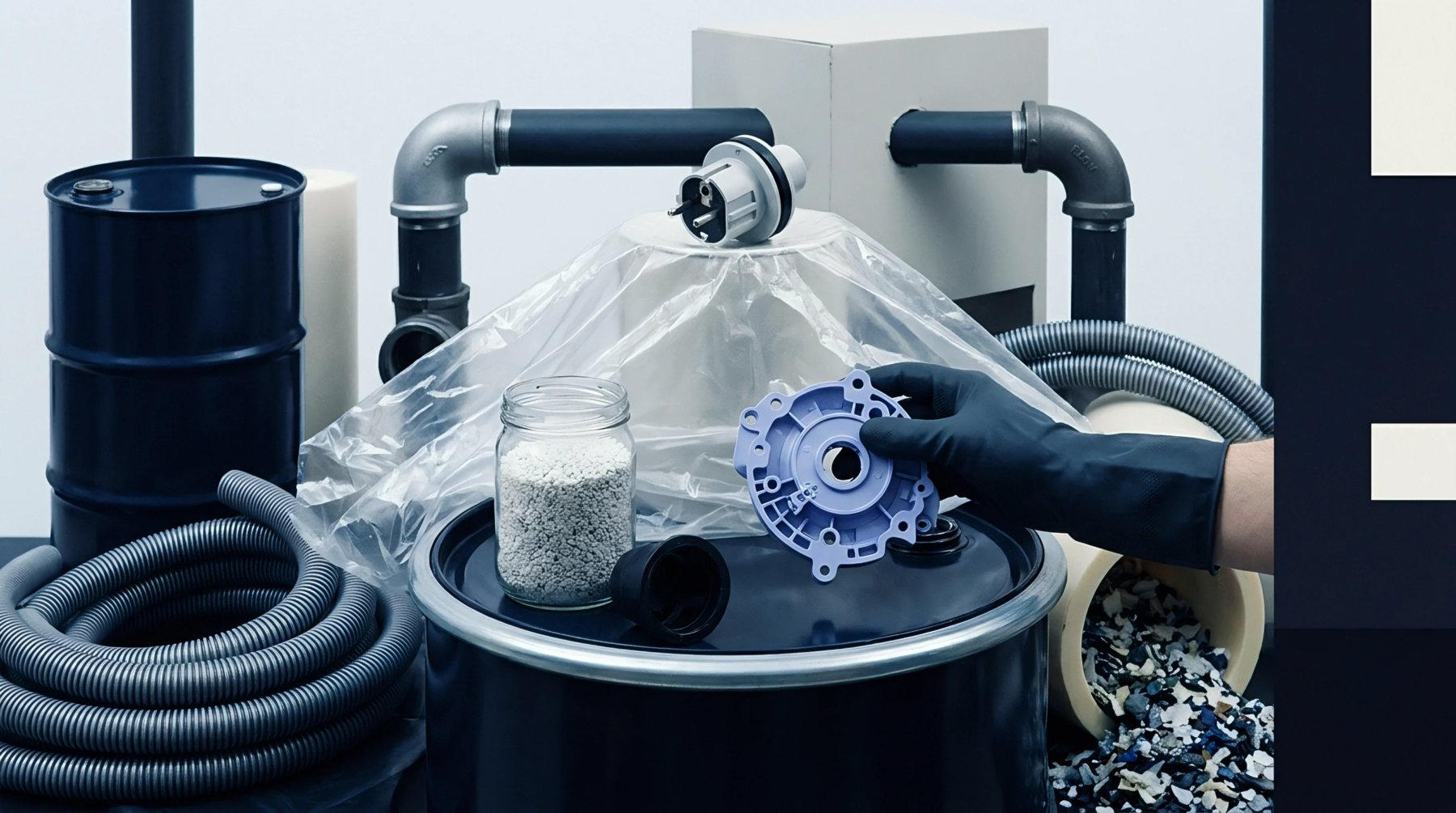
Coulometric baseline correction eliminates volatile organic interference in recycled resin moisture analysis to prevent over-drying energy waste and hydrolytic chain scission.

Coulometric baseline deconvolution separates true matrix moisture from organic volatile interference in rPET, preventing false lot rejections and IV degradation.

Verifying non-intentionally added substances in recycled plastics demands high-resolution mass spectrometry screening, toxicological threshold mapping, and batch-specific compliance dossiers.
Expertise is a utility, not a secret. sentiention™ publishes its working knowledge as open reference: intelligence layer covering the materials it sources, the markets it enters, and the reference that serves both.