Secondary Packaging Polymer Recycling Contamination Baseline Assessment Methods
Recycled secondary polymer baseline assessment requires volatile headspace screening and mineral oil quantification to prevent migration across primary packaging.

Bale

Feedstock Heterogeneity and Sampling Dynamics
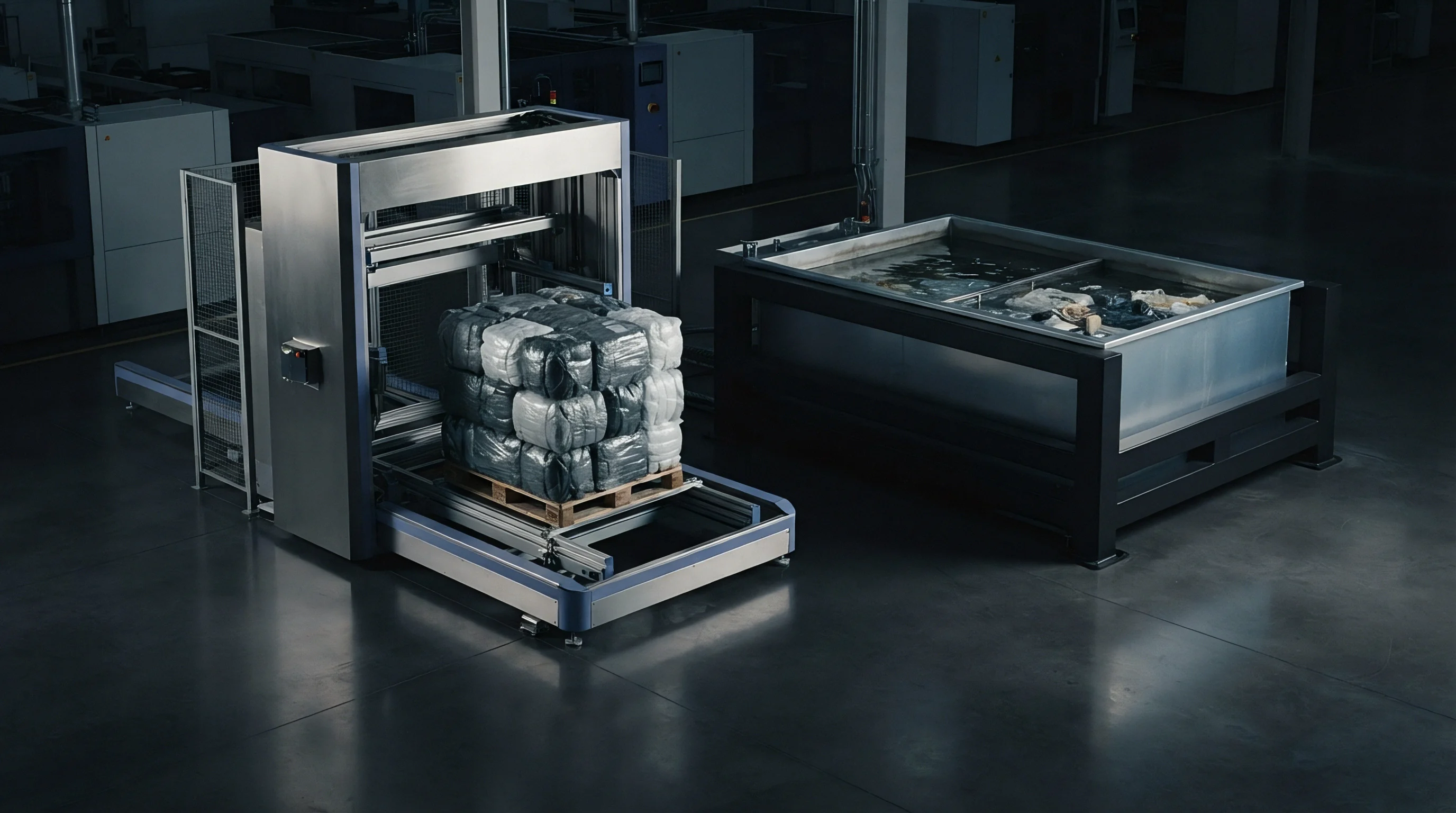
Incoming post-consumer polyolefin overwraps arrive at reprocessing plants as densely compressed bales. Because they come from mixed collection streams, composition varies widely, blending low-density polyethylene shrink films, linear low-density stretch wraps, high-density polyethylene crates, and polypropylene strapping. Collecting representative samples across multi-ton lots requires cross-sectional core drilling rather than surface grabs, as core sampling penetrates the full density gradient to pull up internal moisture, trapped dirt, and uncleaned residue layers.
Evaluating baseline contamination in secondary packaging polymers begins with measuring physical and chemical purity at the feedstock stage. Contaminant distribution within a single lot is rarely uniform: exterior layers show more UV degradation, weathering, and surface dirt, while inner core layers preserve unwashed chemical residues from prior industrial or commercial use.
Sampling under EN 15343 standards requires composite specimens taken from at least five core penetrations per ten-tonne lot. Granulating and blending these core samples produces a homogenous sub-sample for baseline analysis. Skipping deep core sampling creates a systematic bias, underestimating non-volatile contaminant loads by up to forty percent.

Physical Non-Polymeric Residue Fractions
Contamination in raw secondary feedstock stems mainly from surface labels, dirt, and residual contents. Paper labels leave cellulose fibers that char during re-extrusion, causing microscopic voids and black specks in blown secondary film. Synthetic pressure-sensitive adhesives introduce acrylics and rubbers that cross-link at processing temperatures, generating gel particles that snap films on high-speed wrapping lines.
- Inorganic particulate entrainment creates stress concentrators during blown film extrusion, increasing bubble instability and lowering tensile strength.
- Adhesive and printing ink cross-contamination forms thermal degradation products during re-extrusion, raising baseline yellowness and generating volatile aldehydes.
- Cross-polymer polyolefin blending shifts melt flow behavior, creating gel inclusions that rupture under machine-direction stretch.
- Entrained moisture and volatile organics cause pinholes and severe off-gassing when applying pallet shrink wrap.
A post-consumer low-density polyethylene shipment containing over zero point five percent polypropylene by mass exhibits a fifteen percent drop in machine-direction tear propagation resistance.
Mechanical sorting with near-infrared spectroscopy separates primary polymer types, but it misses sub-millimeter adhesive layers and thin barrier coatings. Although wash cycles and melt filtration remove substantial debris, uncleaned residue fragments can still pass through to destabilize the melt and trigger bubble collapse.

Heat

Thermal Desorption and Outgassing Profiles
Thermal processing of re-granulated secondary films releases volatile compounds as temperature rises. High extrusion barrel temperatures drive off low-molecular-weight species, residual flexographic ink solvents, and oxidation products from earlier use cycles. Gas chromatography paired with direct thermal desorption isolates volatile organic compounds outgassing between one hundred degrees and two hundred fifty degrees Celsius.
The principal outgassing species include oxidized synthetic antioxidants like degradation derivatives of Irganox 1010 and Irgafos 168. Other volatiles include short-chain carboxylic acids, aliphatic aldehydes such as hexanal and nonanal, and residual terpenes like limonene and pinene left behind by cleaning surfactants. These compounds introduce noticeable sensory defects, imparting pungent or rancid odors to secondary wrap.
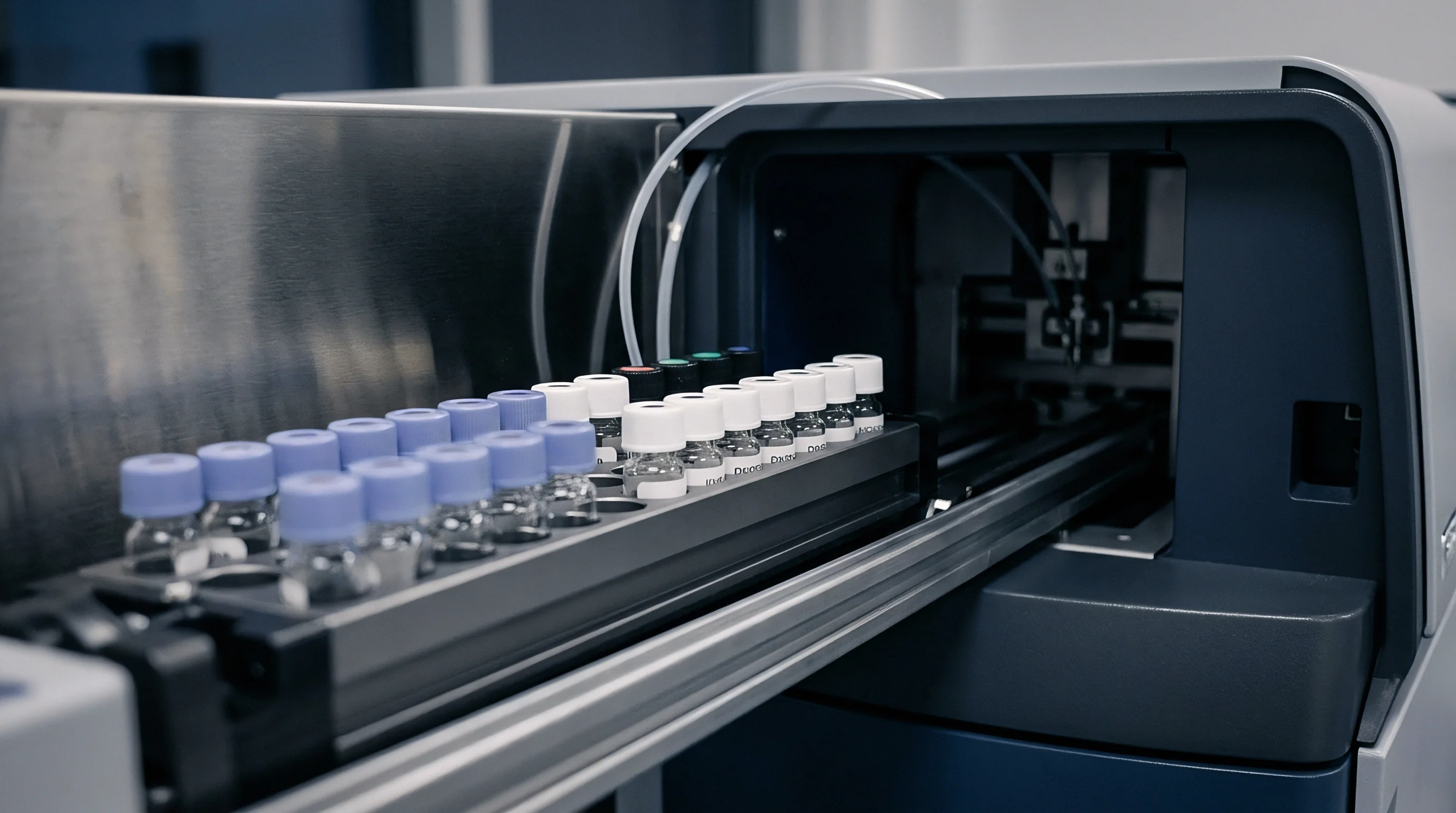
Measuring volatile contamination requires standardized thermal desorption conditions. Exposing resin pellets to one hundred twenty degrees Celsius for twenty minutes in a sealed glass chamber drives volatile organic compounds directly onto a capillary GC column. Comparing total peak area against an internal toluene standard establishes the batch’s total volatile organic compound baseline score.
| Analytical Method | Target Contaminant Class | Standard Test Method | Limit of Quantification |
|---|---|---|---|
| Headspace GC-MS | Volatile Organics and Limonene | ISO 11890-2 | 0.5 mg/kg |
| Thermal Desorption GC-MS | Oxidized Antioxidants and Ink Residues | VDA 278 | 1.0 mg/kg |
| Online LC-GC-FID | MOSH and MOAH Fractionation | DIN EN 16995 | 1.0 mg/kg |
| X-Ray Fluorescence | Total Bromine, Chlorine, Heavy Metals | EN 62321-3-1 | 5.0 mg/kg |
| Pyrolysis GC-MS | Cross-Polymer Polyolefin Contamination | ISO 17294-2 | 0.1 % mass |

Melt Flow Instability under Processing Temperatures
Viscosity changes during re-extrusion reflect chain scission or cross-linking in the polymer matrix. Repeat thermal cycles degrade post-consumer low-density polyethylene, widening melt flow rate variance under ISO 1133 test conditions. Testing melt flow rate at one hundred ninety degrees Celsius under a two point one six kilogram load reveals polymer breakdown long before physical conversion into film.
Extrusion pressure spikes cause filter blinding, while melt fracture tears the film during high-speed drawing. Contamination from high-density polyethylene or polypropylene alters the crystallization kinetics of recycled low-density polyethylene, producing dual melting endotherms during controlled differential scanning calorimetry heating ramps.
Secondary resins emitting distinct aromatics during melt testing contain volatile fractions capable of migrating into stored goods even without direct liquid contact.

Assay

Quantification of Mineral Oil Hydrocarbons
Targeted chemical analysis identifies non-polymer contaminants embedded in recycled polyolefin matrices. Mineral oil hydrocarbons are a primary contaminant in secondary packaging films derived from commercial overwraps and printed shipping sacks. Mineral oil saturated hydrocarbons and mineral oil aromatic hydrocarbons enter recycling streams through offset inks, paper contact, and industrial lubricants.
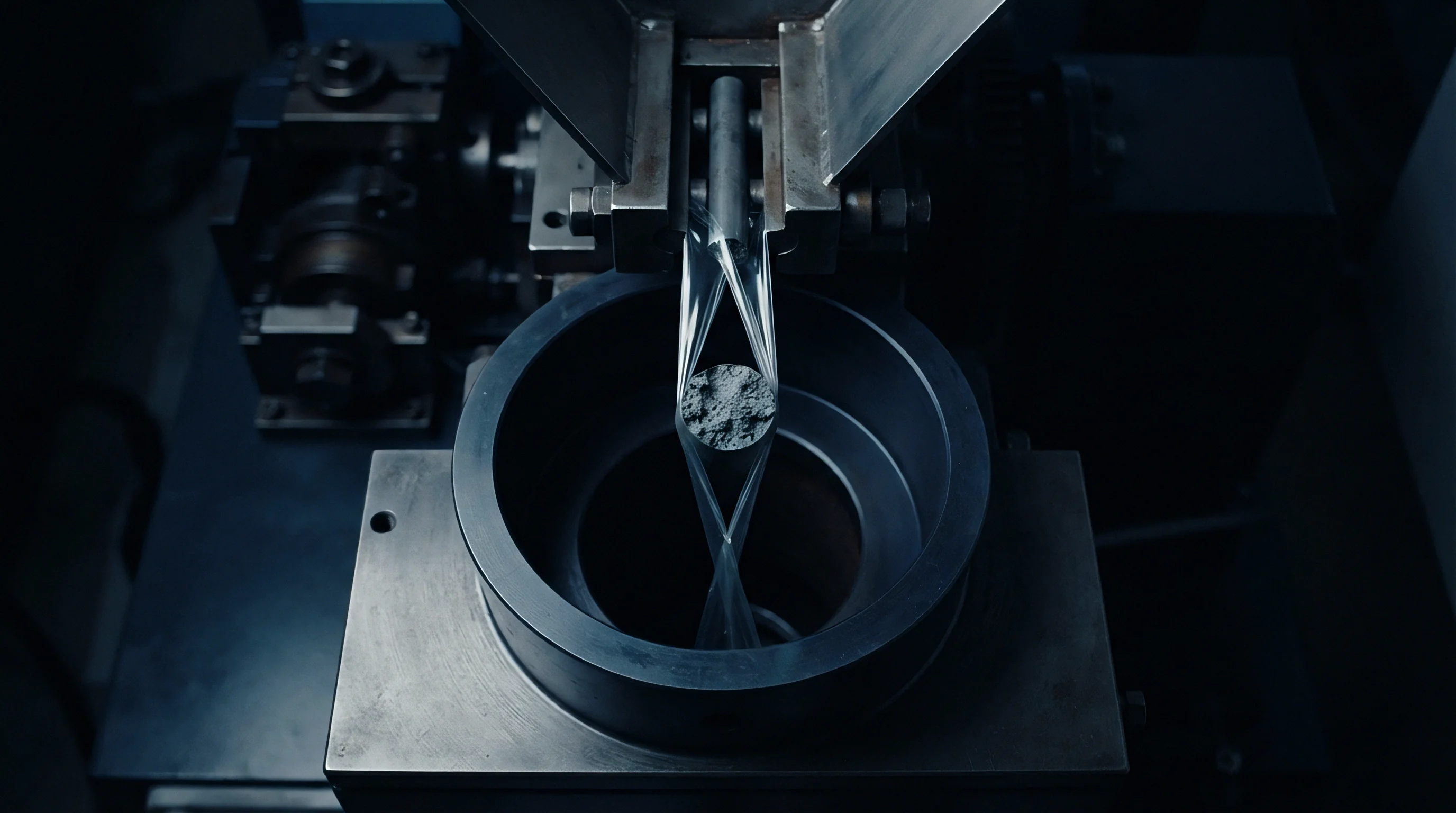
Online HPLC-GC-FID enables precise fractionation of mineral oil hydrocarbon groups according to DIN EN 16995. The liquid chromatography stage separates saturated from aromatic structures by polarity before directing each fraction into the gas chromatograph, where flame ionization detection records total hydrocarbon signals across the carbon number range from C10 to C50.
- Extract ten grams of milled recycled polymer flake in dichloromethane for six hours using Soxhlet apparatus.
- Concentrate the solvent extract under a dry nitrogen stream at thirty-five degrees Celsius to a final volume of one milliliter.
- Inject one microliter of concentrated extract into a gas chromatograph coupled with a quadrupole time-of-flight mass spectrometer.
- Compare mass spectra against reference spectral libraries and confirm retention index alignment using alkane standards.
- Quantify identified non-target compounds using deuterated internal standards to calculate baseline concentrations.
Testing per DIN EN 16995 demands clean separation of mineral oil saturated hydrocarbons from synthetic polyolefin oligomeric saturated hydrocarbons to prevent false positives in baseline reports.

Non-Intentionally Added Substances Identification
High-resolution mass spectrometry identifies unknown peak signals generated by polymer breakdown or ink degradation products. Recycled secondary films frequently contain non-intentionally added substances, including photoinitiators like benzophenone and 2-isopropylthioxanthone, slip agent degradation products such as erucamide breakdown compounds, and residual phthalate ester plasticizers.
Full-scan GC-TOF-MS screens non-target volatile and semi-volatile compounds down to detection limits below zero point one milligram per kilogram of resin. Matching experimental mass spectra against reference databases identifies structural mass-to-charge ratios, and quantifying these non-target peaks establishes the chemical baseline needed to confirm regulatory compliance.
Incorporating clause 4.2 of EN 15343 into purchasing contracts obliges recyclers to supply batch-traceable laboratory reports for every twenty-tonne lot rather than relying on annual typical datasheets.


Transfer

Set-Off and Gas-Phase Vapor Migration
Low-molecular-weight compounds migrate from outer wrapping films into primary containment via direct contact pressure or headspace vapor transport. Under pallet compression, secondary stretch and shrink films press firmly against primary packaging, allowing non-volatile inks, adhesive components, and mineral oils to transfer directly onto the exterior of food or pharmaceutical containers.
Vapor-phase migration occurs across air gaps inside wrapped pallet stacks without direct contact between materials. Volatiles and mineral oil saturated hydrocarbons with carbon numbers under C24 evaporate from secondary wrap into the surrounding ambient air, gradually penetrating primary paperboard or thin polyolefin barriers over time.
| Contaminant Identity | Baseline Resin Concentration | Primary Film Permeation Time | Migratory Risk Level |
|---|---|---|---|
| Limonene | 15.0 mg/kg | 48 hours at 23°C | Elevated Flavor Alteration |
| Benzophenone | 8.5 mg/kg | 120 hours at 40°C | Non-Compliance Hazard |
| MOSH C16-C35 | 120.0 mg/kg | 14 days at 40°C | Saturated Hydrocarbon Transfer |
| MOAH C16-C35 | 18.0 mg/kg | 7 days at 40°C | Regulatory Rejection Trigger |
Secondary stretch film held against primary folding cartons under pallet stacking pressure transfers volatile ink residues across paperboard barriers within forty-eight hours.
Does Secondary Packaging Migration Threaten Food Contact Declarations?
Uncharacterized post-consumer additives in secondary stretch wrap migrate into primary containers under elevated warehouse temperatures. Testing under EN 1186 and EN 13130 protocols uses poly(2,6-diphenyl-p-phenylene oxide), commercialized as Tenax, as Simulant E for dry food contact. Standard exposure for ten days at forty degrees Celsius models extended pallet storage.
Because volatile species permeate polyolefins and set-off occurs during pallet compaction, primary food packaging compliance claims based solely on virgin material assumptions fail when secondary wrap releases undeclared migrants that drive specific migration levels above European Union Regulation 10/2011 limits.
Uncertainty remains regarding whether ambient temperature vapor-phase thresholds established for virgin primary films accurately predict long-term permeation behavior in multi-layer secondary wrap containing high fractions of mechanical post-consumer resin.

Scope
Conformity File Verification and Batch Traceability
Reviewing compliance documentation verifies whether analytical testing actually covers delivered resin shipments. A formal declaration of conformity must detail the polymer grade, exact percentage of post-consumer recycled content, and trace the supply back to accredited re-processors. Audits fail when importers present base polymer datasheets that lack chemical testing for the final post-consumer blend.
Verification requires matching lot numbers on test reports against shipping container numbers and batch tags. Testing run on a trial sample eighteen months earlier provides no proof of compliance for current production. Batch-level traceability ensures that volatile screening, mineral oil analysis, and heavy metal testing correspond directly to the physical resin lot entering the plant.
- Batch identification matching requires explicit alignment between container bill of lading lot numbers and analytical laboratory report headers.
- Simulant exposure alignment demands that baseline migration tests use Tenax for dry goods or ethanol for fatty surfaces at realistic temperature bounds.
- Screening threshold verification confirms that non-target spectrometry detection limits fall below zero point zero one milligrams per kilogram of packaging.
- Recycled fraction declaration obliges verified chain of custody documentation following EN 15343 audit protocols back to the re-processor.
A declaration covering virgin resin base polymer offers zero regulatory defense when secondary film contains uncharacterized post-consumer recyclate.
Auditing Declaration Coverage against Shipment Reality
Comparing laboratory certificate dates with bill of lading timestamps quickly exposes lapses in supplier quality oversight. Third-party test reports bearing ISO/IEC 17025 accreditation carry legal weight during regulatory audits, whereas unverified in-house manufacturer datasheets do not withstand regulatory scrutiny.
Without lot numbers, traceability breaks down and the laboratory report fails to support the compliance claim. Importers placing secondary packaging on the market carry full legal responsibility for chemical compliance under European Union Regulation 1935/2004 Article 3 requirements.
Accepting a baseline declaration that omits volatile screen analysis leaves the importer liable for total product recall costs when secondary wrap odors contaminate primary packaged stock.


Levy

Packaging Waste Fee Modulation Mechanics
Extended producer responsibility fees and plastic taxes penalize packaging that fails recycled content verification. National eco-modulation schedules offer fee reductions for secondary packaging containing verified post-consumer recycled content. The United Kingdom Plastic Packaging Tax charges eight hundred pounds per tonne on packaging with less than thirty percent verified recycled plastic, while European Union member states apply similar national packaging levies.
Securing tax exemptions requires demonstrating recycled content purity and safety through comprehensive baseline laboratory testing. Claiming eco-modulation discounts using unverified or heavily contaminated post-consumer resin leaves importers exposed to retroactive tax penalties, statutory interest, and customs holds.

Worked Cost Model for Secondary Recycled Content Non-Compliance
Financial models highlight the financial exposure linked to unverified post-consumer secondary wrap. Consider a convertor importing one hundred tonnes of secondary low-density polyethylene shrink film declared at thirty percent post-consumer recycled polymer to offset an eighty thousand euro plastic packaging tax liability across the volume.
Baseline laboratory screening costs three thousand two hundred euros per twenty-tonne lot, totaling sixteen thousand euros across five lots. Testing reveals two lots containing mineral oil aromatic hydrocarbons above eighteen milligrams per kilogram and total volatile organic compounds over fifty milligrams per kilogram, causing line tears and off-odor contamination.
| Recycled Fraction Claimed | Baseline Contamination Status | Tax Surcharge per Tonne | Net Financial Outcome |
|---|---|---|---|
| 0% PCR Virgin | Baseline Clean | 800 EUR Surcharge | Baseline Cost Target |
| 30% PCR Unverified | High MOSH (>100 mg/kg) | 800 EUR Penalty + Recall Risk | Severe Financial Loss |
| 30% PCR Verified | Compliant (<10 mg/kg) | 0 EUR Surcharge | Net 240 EUR/Tonne Savings |
| 50% PCR Verified | Compliant (<10 mg/kg) | 0 EUR Surcharge + Eco-Bonus | Maximum Financial Yield |
Rejecting the two non-compliant lots adds sixteen thousand euros in return freight and replacement charges, doubling margin losses and raising landed costs. Ultimately, spending sixteen thousand euros on upfront baseline laboratory testing protects against eighty thousand euros in tax penalties and over one hundred thousand euros in potential stock damage.
Financial optimization under plastic packaging tax regimes balances eco-modulation savings against baseline laboratory verification expenses and potential operational downtime losses.