Meaning
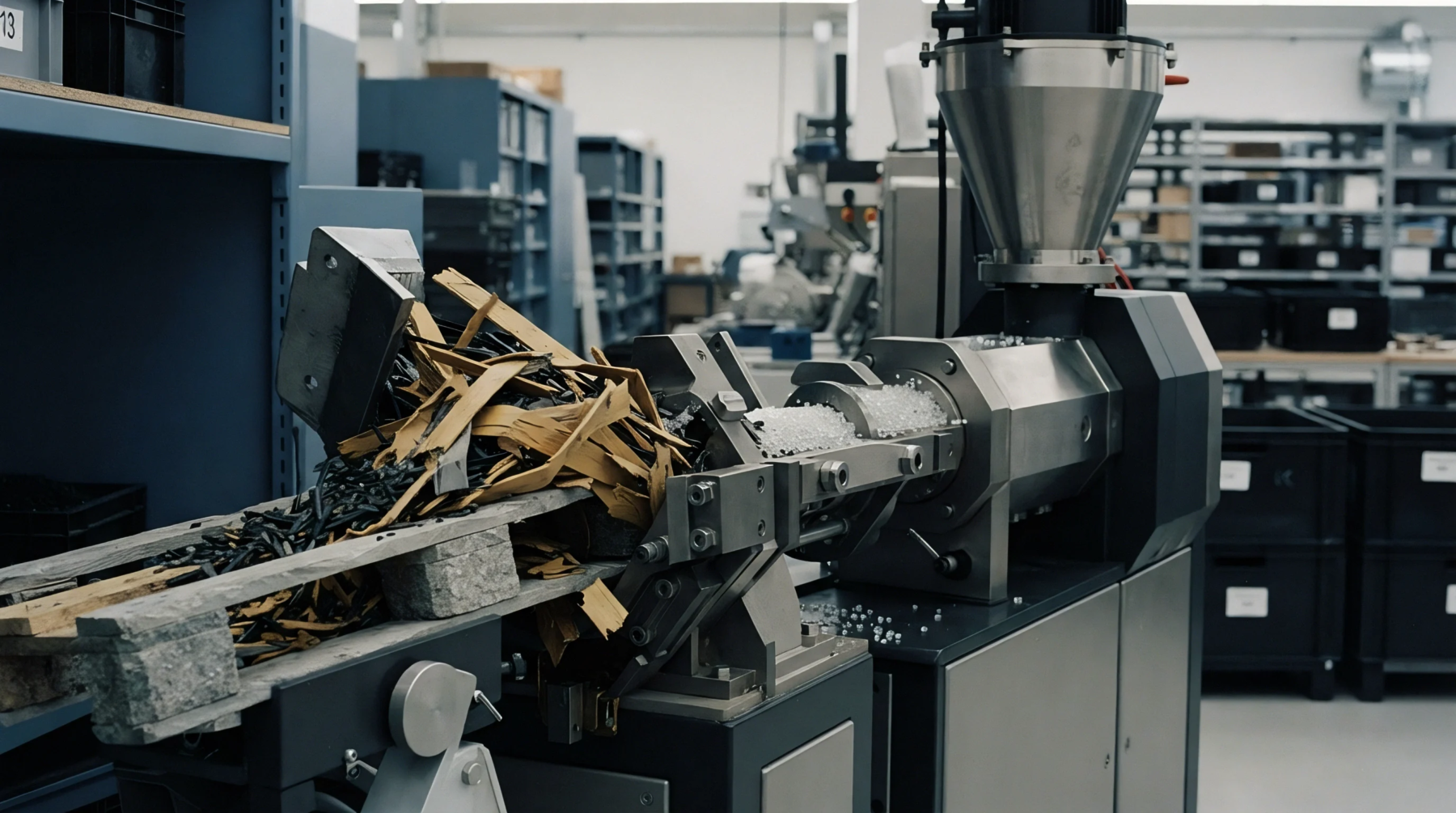
Category of materials recovered from products that have reached the end of their useful life after being used by an individual or a commercial entity. The journey of these materials starts when a consumer discards a plastic item into a recycling bin. From there, the waste is transported to a facility where it is sorted by polymer type and color.
This sorting is critical because the presence of even a small amount of the wrong plastic can ruin a batch of recycled resin. Once sorted, the material is cleaned to remove labels, adhesives and any remaining contents. The cleaned flakes are then melted and extruded into pellets that can be used to make new products.
This process requires a high level of expertise and specialized equipment to ensure the quality and safety of the final resin.
Waste Collection
Using post-consumer recycled resins presents unique challenges for the injection moulding industry. Unlike virgin materials, the properties of recycled resin can vary significantly depending on the source of the waste. This variability can lead to changes in the melt flow index, which affects how the plastic fills the mould.
Moulders must often use advanced process control systems to adjust the injection parameters in real time. This ensures that every part meets the required specifications regardless of the fluctuations in the material. Contaminants such as moisture or foreign particles can also lead to defects like bubbles or structural weaknesses.
Regular testing of the incoming resin is necessary to maintain a stable and predictable production process.
Processing Variability
Incorporating these materials into new products is a key part of the effort to create a more circular economy. Many companies are now setting ambitious targets for the use of recycled content to reduce their environmental footprint and appeal to eco-conscious consumers. This shift is also supported by government regulations that impose taxes or bans on products made entirely from virgin plastic.
The use of post-consumer recycled materials helps to reduce the demand for oil and lowers the greenhouse gas emissions associated with plastic production. However, achieving high quality and consistency with these materials requires a high level of expertise and cooperation across the entire supply chain. Moulders must work closely with their suppliers to ensure that the recycled resin is of sufficient quality for their specific application.
As recycling technology continues to improve, the range of products that can be made from these materials will continue to grow. This progress is essential for building a world where plastic is viewed as a valuable resource rather than as waste.
Sustainability Goal
Future developments in the collection and sorting of plastic waste will play a key role in increasing the availability of high-quality recycled resin. This includes the use of artificial intelligence and advanced sensors to identify and separate different types of plastic more accurately. By improving the efficiency of the recycling process, the industry can reduce its environmental impact and move closer to a truly circular economy.
This is a vital goal for the future of the planet and the sustainability of the global economy.