
Selecting Tariff Lines for Importing Polymer Masterbatches
Masterbatch tariff classification hinges on active chemical loading, where inorganic pigments above specific mass thresholds shift import codes from Chapter 39.
Masterbatch tariff classification hinges on active chemical loading, where inorganic pigments above specific mass thresholds shift import codes from Chapter 39.

Reconciling masterbatch dosages with specific migration limits requires calculating active concentration, accounting for thermal loss, and verifying compliance by testing.

Maintain manifold shear rates below 300 s⁻¹ and specify 25-minute minimum OIT to prevent catastrophic molecular weight loss in recycled polyethylene extrusion.
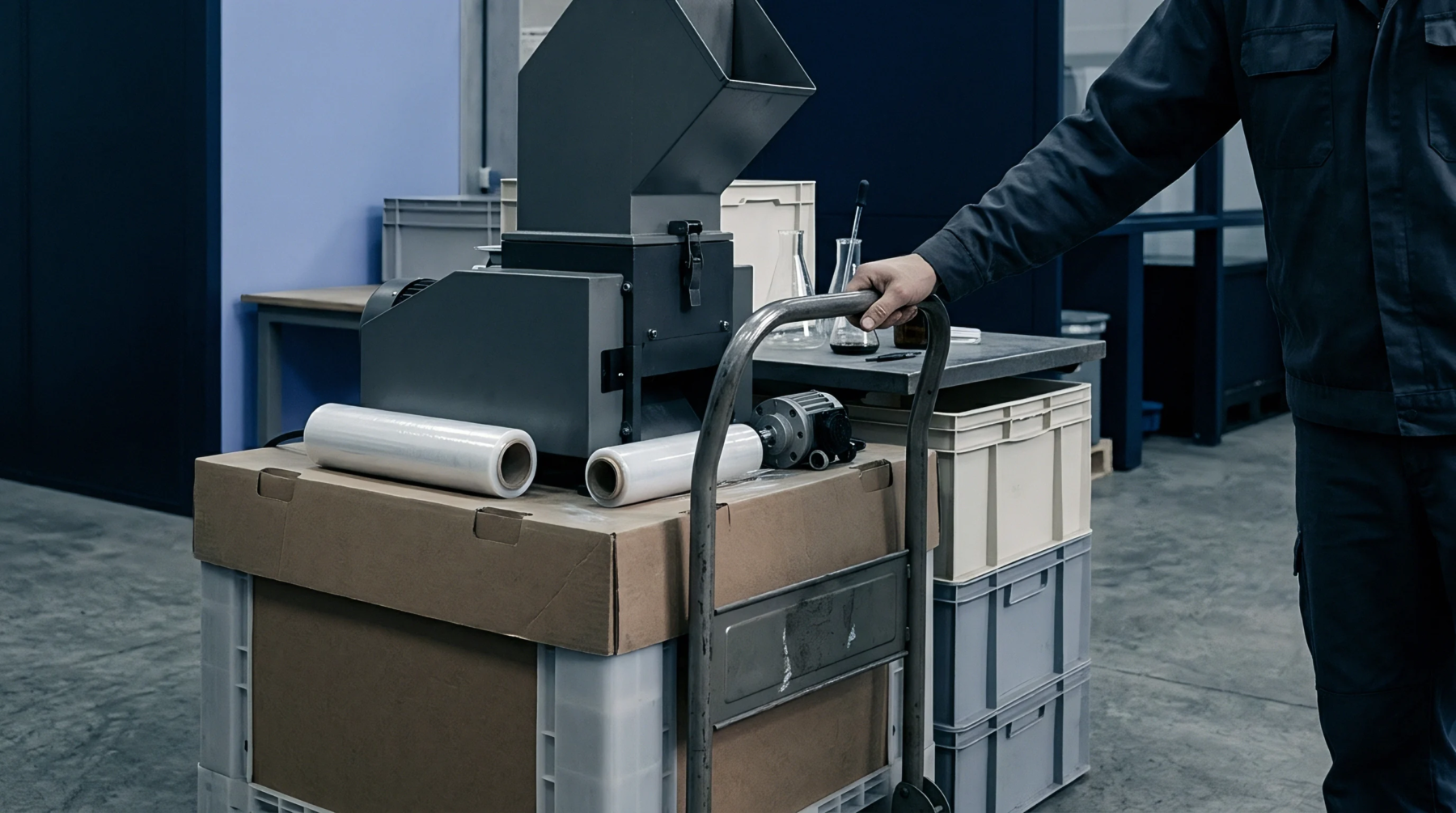
Recycled secondary polymer baseline assessment requires volatile headspace screening and mineral oil quantification to prevent migration across primary packaging.
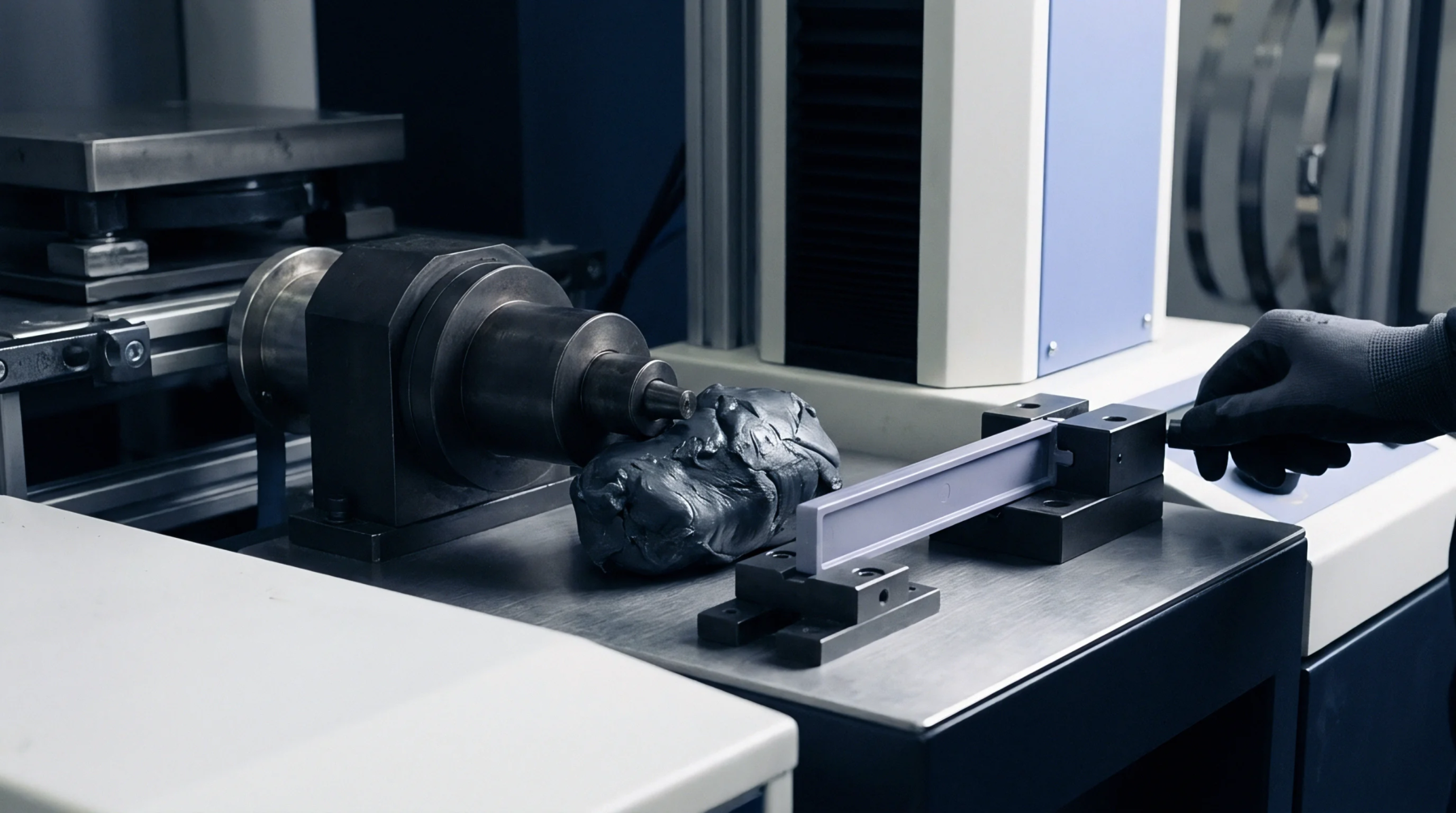
Polyolefin migration compliance requires selecting food simulants based on polarity and fat content while accounting for matrix swelling and thermal limits.

Standardized food simulant selection for polyolefins depends on food solubility, polymer swelling factors, and mandatory thermal contact windows.

Quantifying photoinitiator migration in polyolefin stacks requires coupled Fickian diffusion modeling and LC-MS/MS verification to control set-off and trans-barrier flux.

Establishing Trouton ratio floors via capillary extensional rheology prevents catastrophic web tear and parison sag in regrind polyolefin blends.

Quantifying polyolefin oligomers relies on silver nitrate silica cleanup, epoxidation of olefins, and LC-GC-FID UCM hump integration against alkane markers.

ISO 1183 density testing determines customs tariff lines under Chapter 39; accurate classification demands exact fluid temperature control and plaque molding.

Polyethylene sourcing requires specifying exact test loads, temperatures, and standards to isolate molecular structure and enforce contractual lot consistency.

Tracking melt flow changes and oxidation time prevents part failure from degraded recycled polyolefin resins.
Expertise is a utility, not a secret. sentiention™ publishes its working knowledge as open reference: intelligence layer covering the materials it sources, the markets it enters, and the reference that serves both.