
Evaluating Thermal Oxidation and Rheological Drift in Recycled Polyolefins
Tracking melt flow changes and oxidation time prevents part failure from degraded recycled polyolefin resins.
Tracking melt flow changes and oxidation time prevents part failure from degraded recycled polyolefin resins.

Polyethylene sourcing requires specifying exact test loads, temperatures, and standards to isolate molecular structure and enforce contractual lot consistency.

ISO 1183 density testing determines customs tariff lines under Chapter 39; accurate classification demands exact fluid temperature control and plaque molding.

Quantifying polyolefin oligomers relies on silver nitrate silica cleanup, epoxidation of olefins, and LC-GC-FID UCM hump integration against alkane markers.

Establishing Trouton ratio floors via capillary extensional rheology prevents catastrophic web tear and parison sag in regrind polyolefin blends.

Quantifying photoinitiator migration in polyolefin stacks requires coupled Fickian diffusion modeling and LC-MS/MS verification to control set-off and trans-barrier flux.

Standardized food simulant selection for polyolefins depends on food solubility, polymer swelling factors, and mandatory thermal contact windows.

Polyolefin migration compliance requires selecting food simulants based on polarity and fat content while accounting for matrix swelling and thermal limits.

Recycled secondary polymer baseline assessment requires volatile headspace screening and mineral oil quantification to prevent migration across primary packaging.

Maintain manifold shear rates below 300 s⁻¹ and specify 25-minute minimum OIT to prevent catastrophic molecular weight loss in recycled polyethylene extrusion.

Reconciling masterbatch dosages with specific migration limits requires calculating active concentration, accounting for thermal loss, and verifying compliance by testing.

Masterbatch tariff classification hinges on active chemical loading, where inorganic pigments above specific mass thresholds shift import codes from Chapter 39.

Parameterizing diffusion coefficients in multi-layer barrier audits relies on calibrated Piringer parameters and explicit boundary condition validation.
Polyolefin migration compliance demands simulant-specific exposure verification and mass-spectrometric screening for unlisted oligomeric hydrocarbons.

Polyolefin masterbatch imports classify under Chapter 32 for colorants or Chapter 38 for additives rather than Chapter 39 resin based on functional payload.

Analytical calibration boundaries in high-temperature elution fractionation must isolate rubber fractions at 35°C to avoid severe impact modifier dosing errors.

Select polyethylene melt flow test loads based on expected viscosity, using 2.16 kg for standard resins and 21.6 kg for high molecular weight grades.

Mathematical diffusion modeling provides legally accepted migration screening for polyolefins when conservative Piringer parameters exceed real-world release.

Mathematical extrapolation of high-temperature partitioning parameters breaks down above polymer phase transition thresholds, requiring direct porous simulant empirical validation.
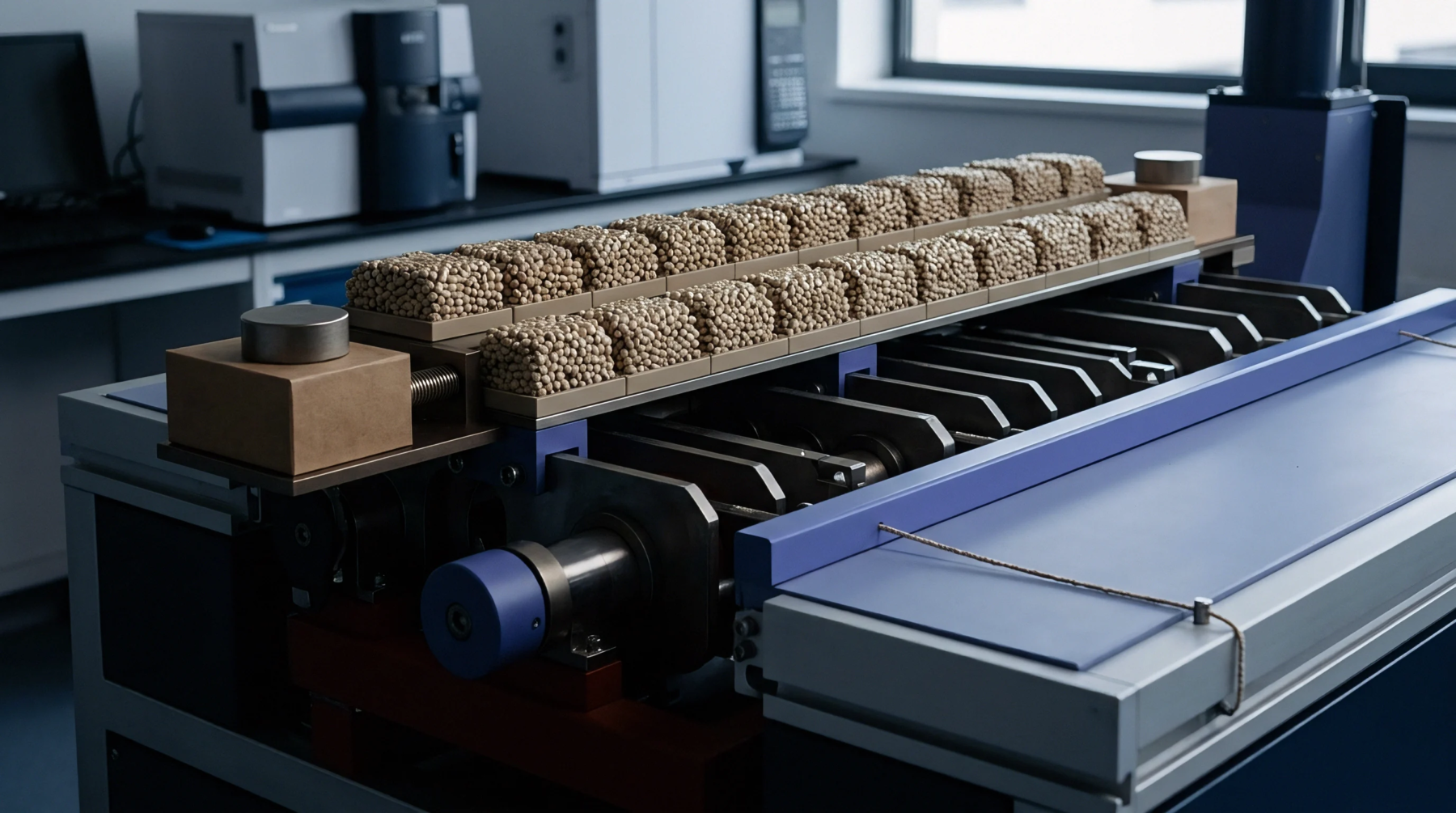
Non-aqueous potentiometric titration isolates active maleic grafts from oxidative degradation acids in polyolefin blends using hot o-dichlorobenzene and KOH.

Algorithmic baseline choices alter polyolefin oligomer migration results by 300 percent, demanding fixed integration rules in technical purchasing agreements.

Matching standardized food simulants to polyolefin packaging depends on polymer swelling behavior, contact temperature, and food lipophilicity to verify legal migration limits.

Polyolefin fatty food reduction factors and solvent exposure corrections adjust raw laboratory migration values against real dietary fat uptake and simulant swelling.

Dynamic frequency sweeps reveal true molecular weight distribution and melt strength, preventing conversion line failures hidden by single-point melt flow rates.

Secondary amides control polyethylene surface bloom kinetics to maintain stable friction without forming weak organic boundary layers that compromise hot tack strength.

Variable epoxidation yields during polyolefin oligomer analysis distort MOAH quantification, requiring reaction-rate corrections to prevent improper lot rejections under EU food contact rules.
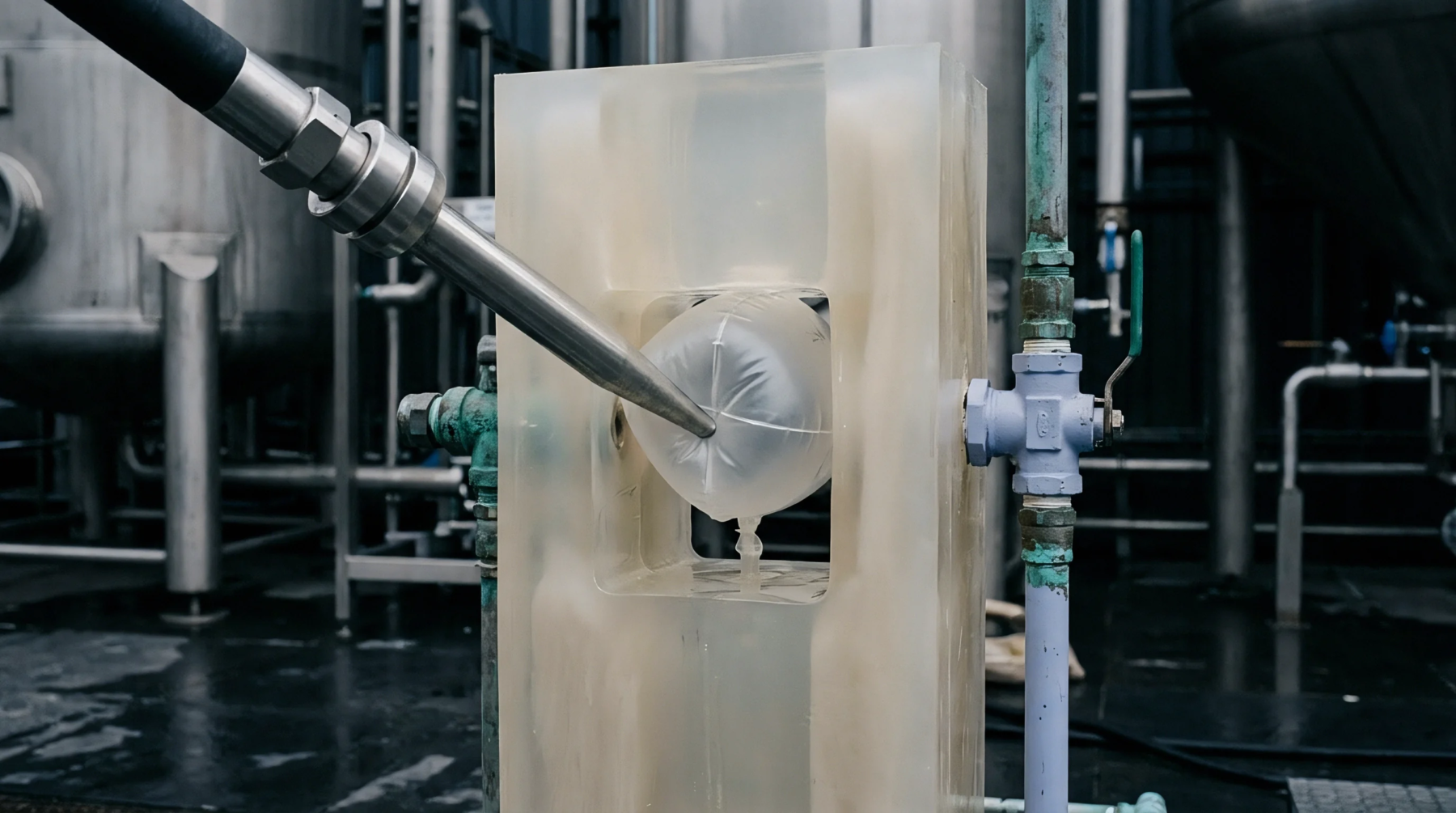
Fickian diffusion modeling calculates packaging additive migration rates, requiring verified diffusion coefficients to ensure single-layer films pass regulatory limits.

Molten polyethylene additives partition onto platen steels via thermal diffusion and squeeze flow, forming thermal plate-out that degrades seal strength.

Manifold shear degradation in recycled polyethylene accelerates chain scission and gelation, requiring capillary rheometry verification to control extrusion scrap.

Extrusion die geometry optimization for recycled polyethylene extends land ratios to twenty to one and stages filtration to damp melt pressure surges.
Expertise is a utility, not a secret. sentiention™ publishes its working knowledge as open reference: intelligence layer covering the materials it sources, the markets it enters, and the reference that serves both.