Measuring Low Molecular Weight Hydrocarbons in Polyethylene Packaging
Polyethylene hydrocarbon migration testing requires matrix extraction and gas chromatography to verify specific migration limits under food contact regulations.

Origin
Ethylene polymerization generates low molecular weight hydrocarbons as side products during catalytic synthesis. Ethylene polymerization generates low molecular weight hydrocarbons. Polymerization reactors operate under high pressure and variable temperature zones where active catalyst centers mediate chain growth.
Termination reactions interrupt linear chain growth, producing saturated and unsaturated short-chain hydrocarbons. These molecules, spanning carbon chain lengths from C10 to C50, remain trapped within the polymer matrix after pelletization. Linear low-density polyethylene synthesized with Ziegler-Natta catalysts exhibits distinct oligomer profiles compared to metallocene-catalyzed resins.
Metallocene systems yield narrow molecular weight distributions with lower total extractable oligomeric content, whereas traditional Ziegler-Natta systems produce broader oligomeric tails containing higher concentrations of branched alkanes and alpha-olefins.
Oligomer Formation Pathways in Polyethylene Synthesis
Polymerization reactors operate under conditions that promote secondary chain transfer to monomer or solvent. Chain transfer to aluminum alkyl co-catalysts generates unattached alkyl chains that detach from the active transition metal site. Beta-hydride elimination introduces terminal double bonds, converting growing polymer chains into low molecular weight alpha-olefins.
These short-chain olefins either diffuse out of the polymer matrix or copolymerize into adjacent chains. Polyethylene resins contain variable oligomer concentrations. The concentration of these low molecular weight species depends on reactor residence time, hydrogen transfer agent concentration, and active catalyst temperature profiles.
In high-pressure free-radical processes used for standard low-density polyethylene, continuous intramolecular chain transfer produces short-chain branching alongside a broad spectrum of volatile cyclic and acyclic alkanes.
Thermal Degradation and Additive Volatiles
Extrusion barrels subject polymer melts to high shear rates and elevated processing temperatures. High processing temperatures degrade primary polymer chains. Melt processing between 180 °C and 260 °C causes thermal-oxidative degradation when residual oxygen resides inside feeder hoppers.
Scission of the polyethylene backbone produces secondary radical species that rapidly undergo beta-scission, yielding additional volatile hydrocarbons in the C10 to C30 range. Shear forces accelerate polymer chain scission. Processing aids, including synthetic wax lubricants, low molecular weight antistatic additives, and organic peroxide decomposers, break down under thermal stress into volatile hydrocarbon byproducts.
These thermal degradation products combine with residual synthesis oligomers, altering the total extractable hydrocarbon mass measured during final product testing.
Resin synthesizers frequently attribute elevated hydrocarbon levels to ambient warehouse contamination during storage.


Wax
Low molecular weight saturated hydrocarbons in polyolefins span a volatile carbon range from C10 to C50. Linear oligomers migrate faster than branched structures. Polyethylene wax fractions originate either as deliberate additives to improve melt processing or as native low molecular weight polymer fractions.
Distinguishing synthetic polyolefin oligomers from external hydrocarbon contaminants requires detailed structural characterization across the carbon number spectrum.

Distinguishing Synthetic Oligomers from Mineral Oils
Analytical laboratories separate polyolefin oligomeric hydrocarbons from external mineral oil contaminants through structural mass profiling. Polyolefin oligomeric hydrocarbons consist of saturated branched and cyclic alkanes alongside linear alpha-olefins derived exclusively from ethylene monomers. Mineral oil saturated hydrocarbons, frequently entering packaging through recycled paperboard inks or processing equipment lubricants, contain complex mixtures of alkylated cyclopentanes and cyclohexanes.
Mineral oil aromatic hydrocarbons contain alkylated mono- and polycyclic aromatic structures absent from virgin polyethylene resins. Distinguishing polyolefin oligomers from mineral oil hydrocarbons prevents false non-compliance flags when testing raw packaging film stock against European safety thresholds.
Structural Variations across Polyethylene Grades
Density variations in polyethylene film grades directly influence the distribution of residual low molecular weight components. High-density polyethylene exhibits low diffusion rates. Low-density polyethylene contains higher levels of short-chain branching, creating wider free-volume spaces within the amorphous regions of the polymer network.
This open network allows low molecular weight hydrocarbon fractions to diffuse toward film surfaces at accelerated rates during elevated-temperature storage.
| Polymer Class | Density Range (g/cm³) | Typical C10-C35 Content (mg/kg) | Predominant Hydrocarbon Structures | Degradation Drivers |
|---|---|---|---|---|
| High-Density Polyethylene | 0.941 – 0.965 | 150 – 450 | Linear n-alkanes, 1-alkenes | Thermal shear scission |
| Linear Low-Density Polyethylene | 0.915 – 0.940 | 400 – 1200 | Ethyl and butyl branched alkanes | Co-catalyst chain transfer |
| Low-Density Polyethylene | 0.910 – 0.940 | 800 – 2500 | Complex hyper-branched alkanes | Free-radical backbiting |
High processing temperatures accelerate chain scission before melt homogenisation completes.
Higher resin density retards the internal diffusion of low molecular weight fractions toward the contact surface.
Solvent
Quantifying total extractable substances in polyolefins involves swelling the solid polymer lattice. Solvent polarity dictates matrix swelling efficacy. Solvents must penetrate amorphous polymer domains to dissolve target hydrocarbons without dissolving high molecular weight polymer chains that ruin analytical instruments.

Extraction Mechanics for Matrix Exhaustion
Microwave-assisted fluids elevate temperatures above normal boiling points under sealed pressure vessels. Reflux extraction demands precise temperature control. Traditional Soxhlet extraction using n-hexane or dichloromethane forces solvent through ground polymer particles over six to twenty-four hours.
Matrix dissolution methods dissolve the entire polymer sample in hot toluene or xylene at 110 °C, followed by selective precipitation of high molecular weight polyolefins using cold ethanol or acetone. The remaining liquid phase contains the isolated low molecular weight hydrocarbon fraction ready for concentration and chromatographic separation.
Solvent Selection for Solid Matrix Swelling
Non-polar aromatic liquids penetrate amorphous regions of high-density polymers more rapidly than polar alcohols. Hexane, cyclohexane, and dichloromethane offer high solubility for C10 to C40 alkanes while maintaining low boiling points for easy evaporation. Solvent selection dictates which carbon number range dissolves completely before analytical quantification.
- Weigh 2.0 grams of ground polyethylene film into a glass extraction thimble.
- Add 50 milliliters of n-hexane and heat under reflux for six hours.
- Cool the solution and concentrate to 5 milliliters using a rotary evaporator at 40 °C.
- Add 20 milliliters of cold ethanol to precipitate high molecular weight polymer chains.
- Filter the supernatant through a 0.22 micron PTFE membrane filter into an autosampler vial.
Standard EN 13130-1 mandates complete matrix dissolution when total extractable mass exceeds specific migration threshold limits.
Article 15 of Regulation EC 1935/2004 requires written documentation confirming compliance across all supply steps, shifting legal liability directly to the party placing the finished packaging material on the market.
Quantification
Flame ionization detection paired with capillary gas chromatography measures mass fractions for polyolefin hydrocarbons. Flame ionization detectors measure total carbon mass. Flame ionization detectors exhibit equal response factors per unit carbon weight for saturated hydrocarbons, permitting accurate quantitative measurement against single-component internal standards.
Gas Chromatography and Baseline Integration
Standard capillary columns coated with non-polar dimethylpolysiloxane separate linear and branched alkanes by boiling point. Non-polar capillary columns separate hydrocarbon isomers. Low molecular weight hydrocarbons elute as discrete narrow peaks for linear n-alkanes over an unresolved complex mixture hump representing isomeric branched oligomers.
Quantifying this unresolved envelope requires baseline integration from the start of the C10 signal to the exit point of the C50 signal. Chromatographers subtract blank solvent runs to remove column bleed contributions at oven temperatures exceeding 300 °C.

Off-Line Liquid Chromatography Pre-Fractionation
High-performance silica columns retain aromatic species while eluting saturated hydrocarbon fractions into collection vials. Silver nitrate impregnated silica gel separates saturated polyolefin oligomers from unsaturated oligomeric fractions containing olefinic double bonds. High-performance liquid chromatography coupled on-line to gas chromatography allows direct automated transfer of saturated hydrocarbon fractions, removing potential cross-contamination from laboratory glass handling.
| Method / Instrument | Target Hydrocarbon Range | Limit of Quantification (mg/kg) | Primary Interferences / Artefacts |
|---|---|---|---|
| GC-FID (Direct Injection) | C10 – C40 | 5.0 | Plasticizer phthalate overlap |
| LC-GC-FID (Automated On-Line) | C10 – C50 | 0.5 | Siloxane septum bleed peaks |
| GCxGC-TOF-MS (Comprehensive) | C10 – C45 | 0.1 | Substrate antioxidant fragment ions |
Gas chromatography with flame ionization detection achieves a quantification limit of 0.5 milligrams per kilogram of polyolefin film when using sample pre-concentration.
Whether mass spectrometry libraries can reliably distinguish branched olefinic oligomers from recycled mineral oil contaminants without multidimensional separation remains unresolved among analytical laboratories.

Screening
Regulatory compliance for food contact materials relies on standardized simulant exposures. Commission Regulation EU 10/2011 governs plastic materials intended to come into contact with food. Test protocols simulate migration into fatty foods, aqueous media, and dry foodstuffs under accelerated time and temperature conditions.

Food Simulant Contact Testing under EU Regulations
Commission Regulation EU 10/2011 specifies fatty food substitute contact conditions for polyolefin packaging. Vegetable oil (Simulant D2), 95 percent ethanol, and iso-octane represent fatty food contact environments. Dry foods use modified polyphenylene oxide (Tenax) as Simulant E. Low molecular weight hydrocarbons dissolve readily in fatty food simulants.
The overall migration limit sets a maximum ceiling of 60 milligrams per kilogram of food or 10 milligrams per square decimeter of packaging surface area.
Worst-Case Testing Conditions and Migration Limits
Extended storage at elevated temperatures accelerates chemical migration into liquid and dry contact layers. Testing conditions of ten days at 40 °C simulate long-term ambient storage. Exposure at 60 °C for ten days accelerates migration testing for high-temperature fill applications.
Fatty food simulants penetrate amorphous polyolefin networks. Calculating specific migration limits for polyolefin oligomeric saturated hydrocarbons involves converting measured chromatographic concentration values against standard surface-area-to-volume ratios of six square decimeters per kilogram of food.
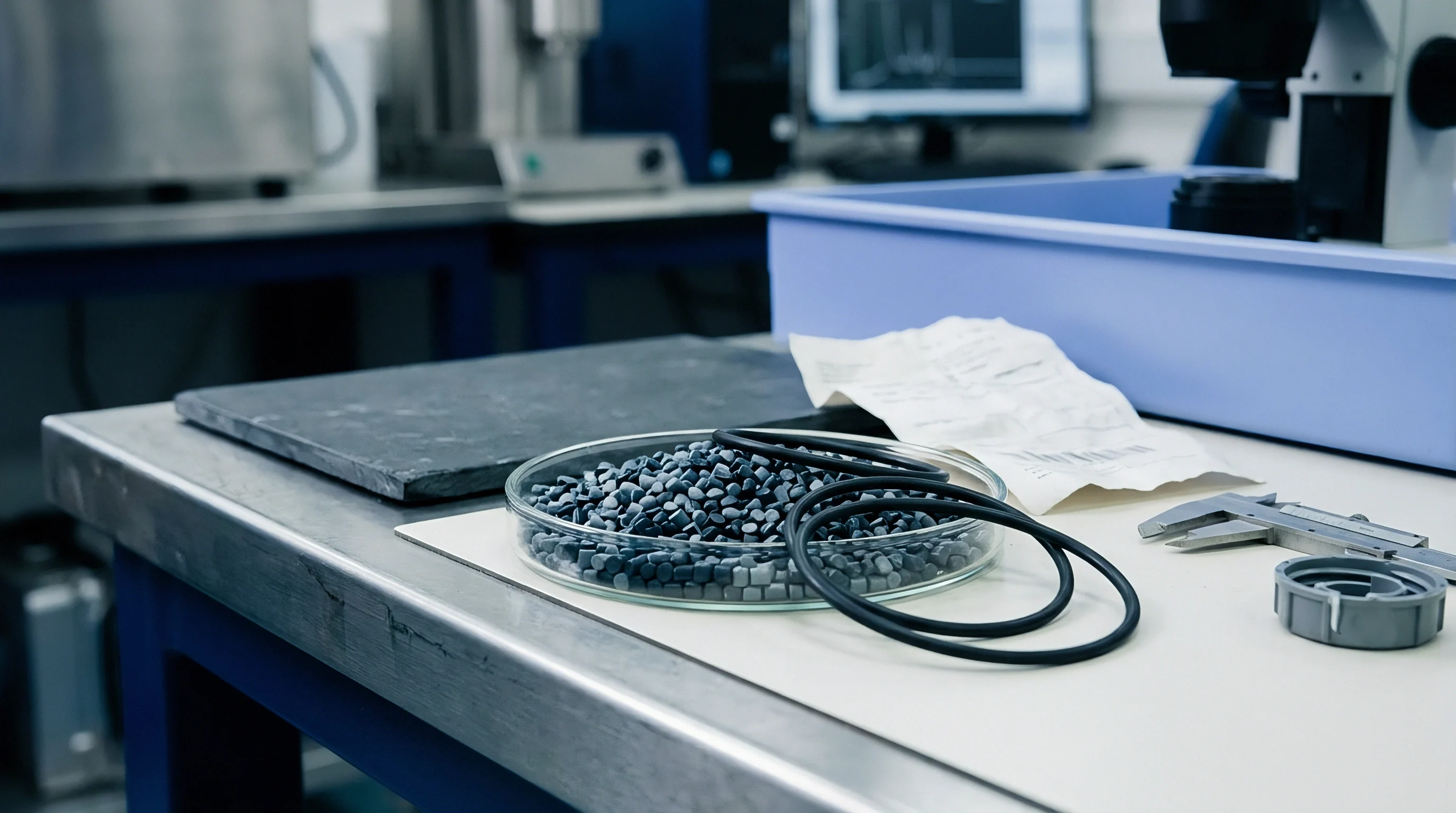
Can Substitute Simulants Accurately Predict Real Food Migration?
Laboratory exposures using iso-octane or 95 percent ethanol simulate long-term room temperature contact within shortened ten-day windows. Iso-octane over-swells polyethylene, causing structural relaxation that releases higher carbon-number oligomers than vegetable oil releases at equivalent temperatures. Adjusting exposure times and applying correction factors prevents overestimating real-world migration into fat-containing food matrices.
- Matrix Overswelling occurs when iso-octane extractions at elevated temperatures degrade film structure and produce artificially elevated migration figures.
- Volatilization Losses happen during solvent concentration steps when low boiling point C10 to C14 alkanes evaporate before gas chromatography analysis.
- Interfering Peak Coelution arises when residual slip additives like erucamide overlap with C22 to C24 alkane peaks on non-polar capillary columns.
- Baseline Drift takes place during temperature-programmed gas chromatography when column bleed elevates signal intensities across the C35 to C50 integration region.
Storage of fatty dry foods in flexible polyethylene pouches causes continuous migration of branched oligomers over extended shelf lives.
Exceeding specific migration thresholds triggers mandatory product recalls from retail shelves and confiscation of non-compliant packaging inventory at European port entries.


Audit
Compliance verification matches laboratory analytical reports directly to commercial resin lot shipments. Declarations match physical packaging lots. Non-compliant packaging risks immediate customs seizure.
Technical dossiers must demonstrate continuous traceability from raw resin synthesis through masterbatch addition to final film conversion.
Verifying Declarations of Conformity against Test Dossiers
Regulatory inspectors examine technical files to confirm that declared monomer limits align with raw resin specifications. Declarations of conformity listing general polyolefin compliance often lack quantitative backing for specific low molecular weight hydrocarbon fractions. Importers must review supporting test reports to confirm that migration testing covered the precise film thickness, resin grade, and conversion conditions used for commercial production.
A test report issued for a 30-micron film grade fails to defend compliance for a 100-micron converted pouch converted from the same resin batch due to different total migration burdens per surface unit.

Batch Testing Frequency and Traceability Protocols
Quality control operations set sampling frequencies based on extrusion line throughput and raw material changes. High-speed blow molding lines require periodic extraction testing to capture variations caused by resin lot changes or thermal profiling adjustments on processing barrels. Maintaining continuous certificates of analysis protects packaging converters from downstream commercial liabilities during regulatory authority reviews.
- Polymer Grade Verification matches the exact resin identification code listed on the declaration with the raw material delivery bills of lading.
- Simulant Selection Validation checks that test certificates specify 95 percent ethanol or iso-octane rather than water for fatty food contact applications.
- Analytical Scope Confirmation confirms that the testing protocol quantified both volatile fractions below C15 and non-volatile fractions up to C40.
- Batch Certificate Traceability verifies that testing dates align with current resin production runs rather than historic master files from prior calendar years.
| Verification Regime | Initial Dossier Audit Cost per SKU (USD) | Annual Batch Verification Cost (USD) | Commercial Risk Exposure Level |
|---|---|---|---|
| Supplier Self-Declaration Only | 150 | 0 | Critical (High Recall Exposure) |
| Periodic Third-Party Screening | 1200 | 3500 | Moderate (Controlled Exposure) |
| Full Matrix Exhaustion Batch Certificate | 4500 | 14000 | Low (Defensible Compliance File) |
Documenting material consistency preserves regulatory compliance. Documenting raw material consistency across multi-layer film conversions maintains regulatory traceability across global packaging supply chains.