
Evaluating Thermal and Oxidative Polyolefin Flake Degradation
Thermal and oxidative degradation alters polyolefin flake viscosity and residual stability, demanding MFR, OIT, and Carbonyl Index verification before processing.
Thermal and oxidative degradation alters polyolefin flake viscosity and residual stability, demanding MFR, OIT, and Carbonyl Index verification before processing.
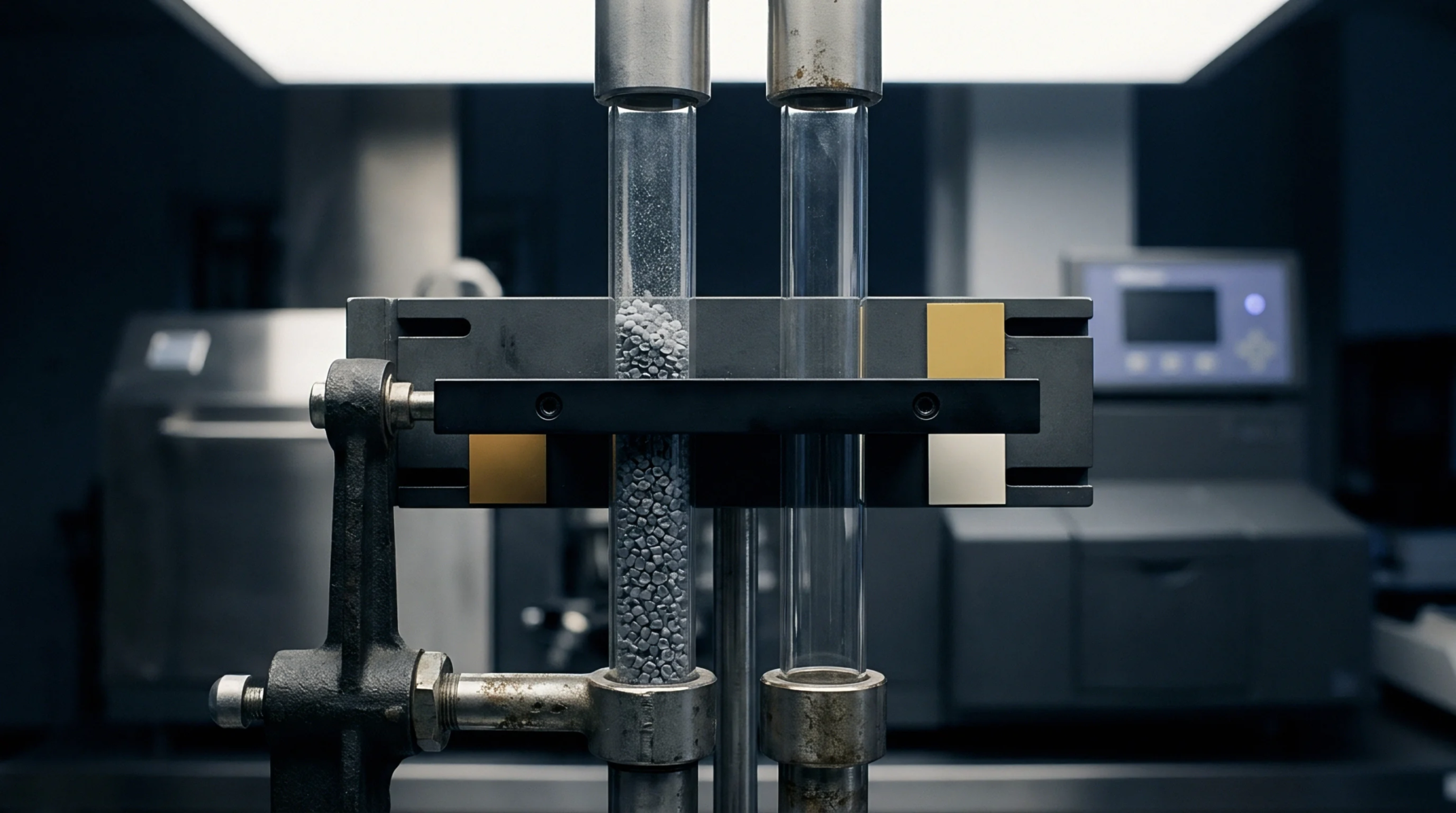
Screening recycled polyolefins via chromatography and toxicological thresholds isolates unlisted migrant degradation products below ten parts per billion.

Reconciling masterbatch dosages with specific migration limits requires calculating active concentration, accounting for thermal loss, and verifying compliance by testing.

High shear molding relies on pseudoplastic shear thinning, requiring capillary rheometry over melt flow index to control viscous heating and pressure losses.
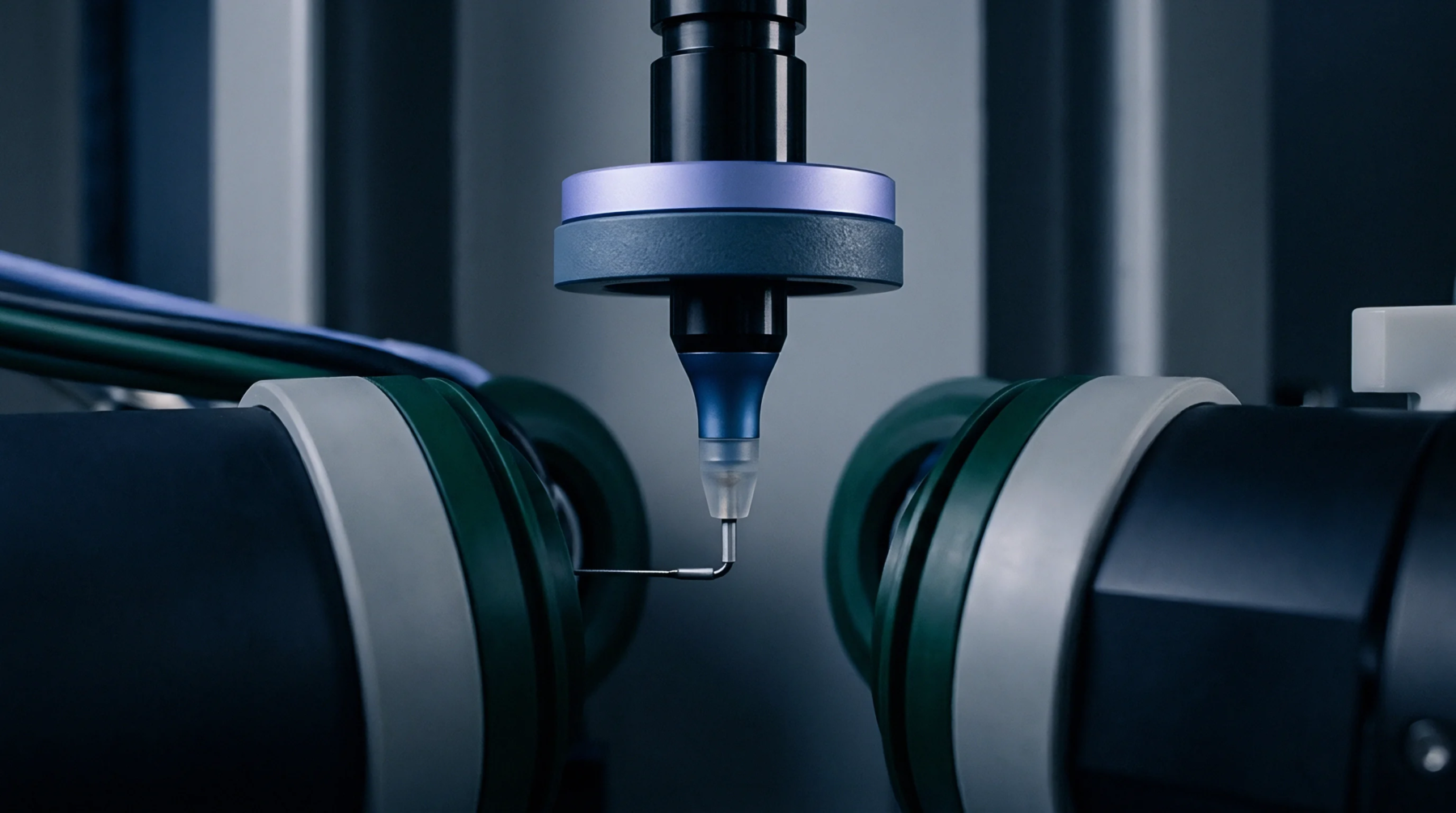
Residual organic peroxide breakdown drives post-moulding melt flow drift and antioxidant depletion in high-speed thin-wall polypropylene injection packaging.

Mitigate stoichiometric Karl Fischer interference in rPC by lowering oven extraction to 175 C and using buffered glycol-ether reagents.
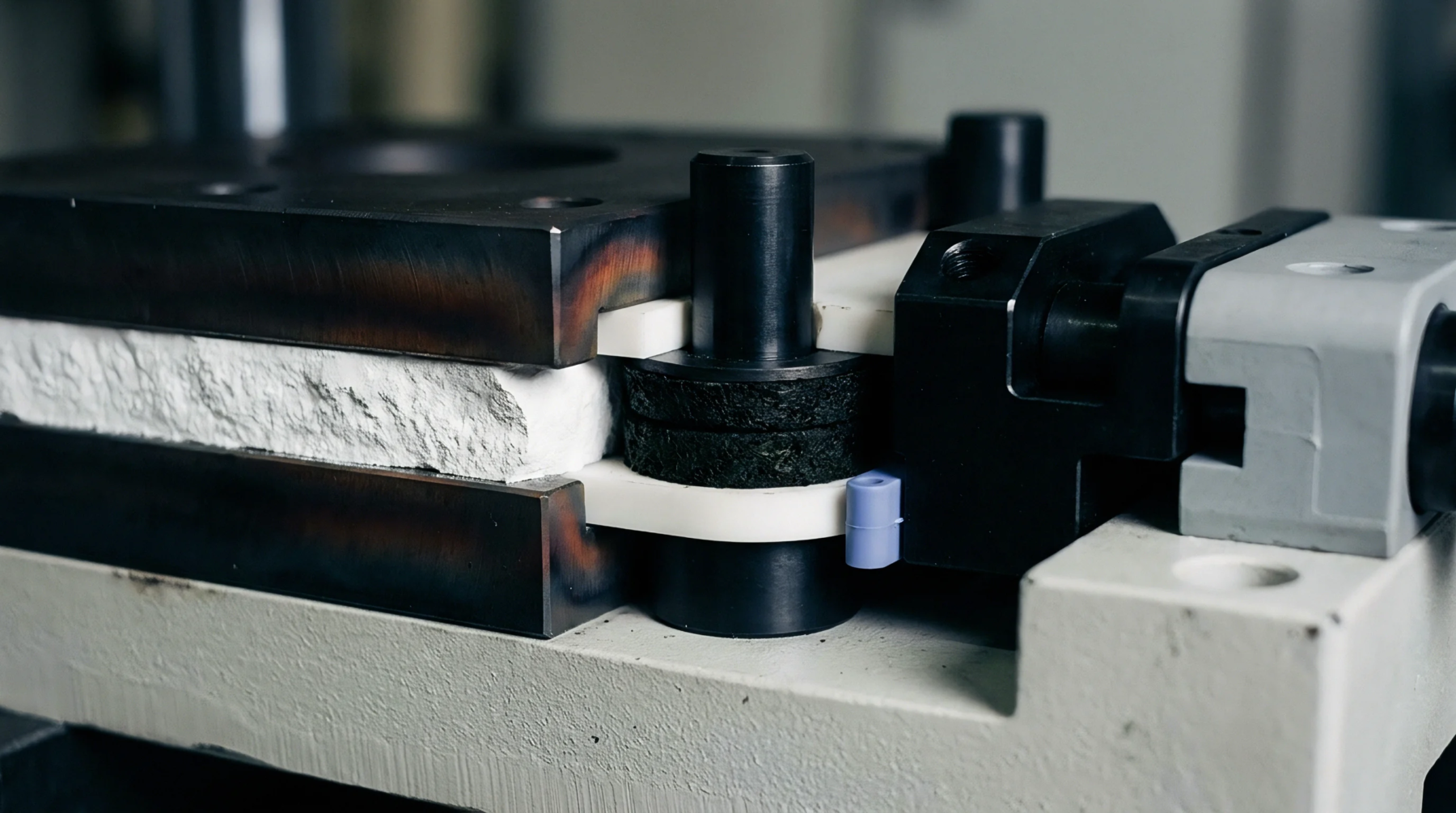
Dynamic frequency sweeps isolate polyolefin molecular weight distribution and branching where melt index fails, fixing processability and reject thresholds.

Detecting subtle virgin polypropylene contamination requires dual-load melt flow indexing and extended thermal dwell testing to expose shear and stability shifts.

Intrinsic viscosity loss in PET processing is determined by measuring dilute solution flow time or capillary melt viscosity to quantify polymer chain cleavage.

LC-MS/MS screening of cyclic ester oligomers in PET packaging ensures NIAS compliance and protects food contact declarations from border enforcement rejections.

Coupling Arrhenius volatile generation kinetics with dual-exponential sensor adsorption models corrects background current drift in polymer enclosures.

Optimize rPET desiccant drying at 160-170°C with -45°C dew point dry air to maintain moisture under 30 ppm and prevent intrinsic viscosity drop.

Oxidative induction testing at 200 °C verifies post-consumer polyethylene stabilizer retention to prevent field embrittlement and control restabilization costs.

Deriving valid PET non-target screening thresholds requires adjusting the 10 ppb toxicological limit by an empirical mass spectrometry response uncertainty factor.

Controlling thermal and hydrolytic degradation in polyhydroxyalkanoates requires drying under 200 ppm water, active vacuum devolatilization, and targeted carboxyl scavenging.
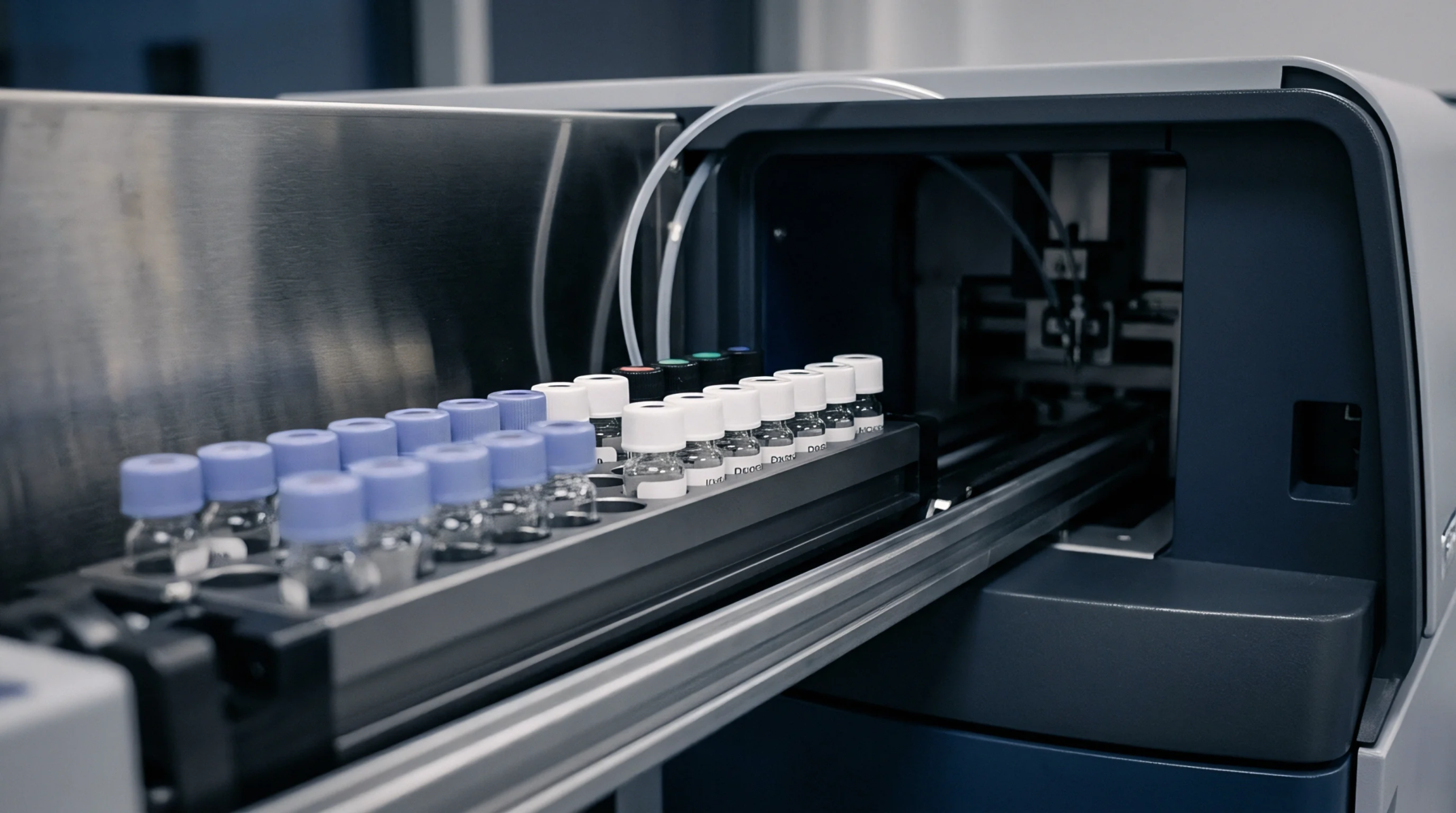
Solid-phase transesterification releases stoichiometric reaction water during vaporization coulometry, creating analytical bias that requires linear baseline deconvolution.

Dynamic rheological frequency sweeps detect ultra-high molecular weight tails in bimodal polyolefins where standard melt flow rates fail.
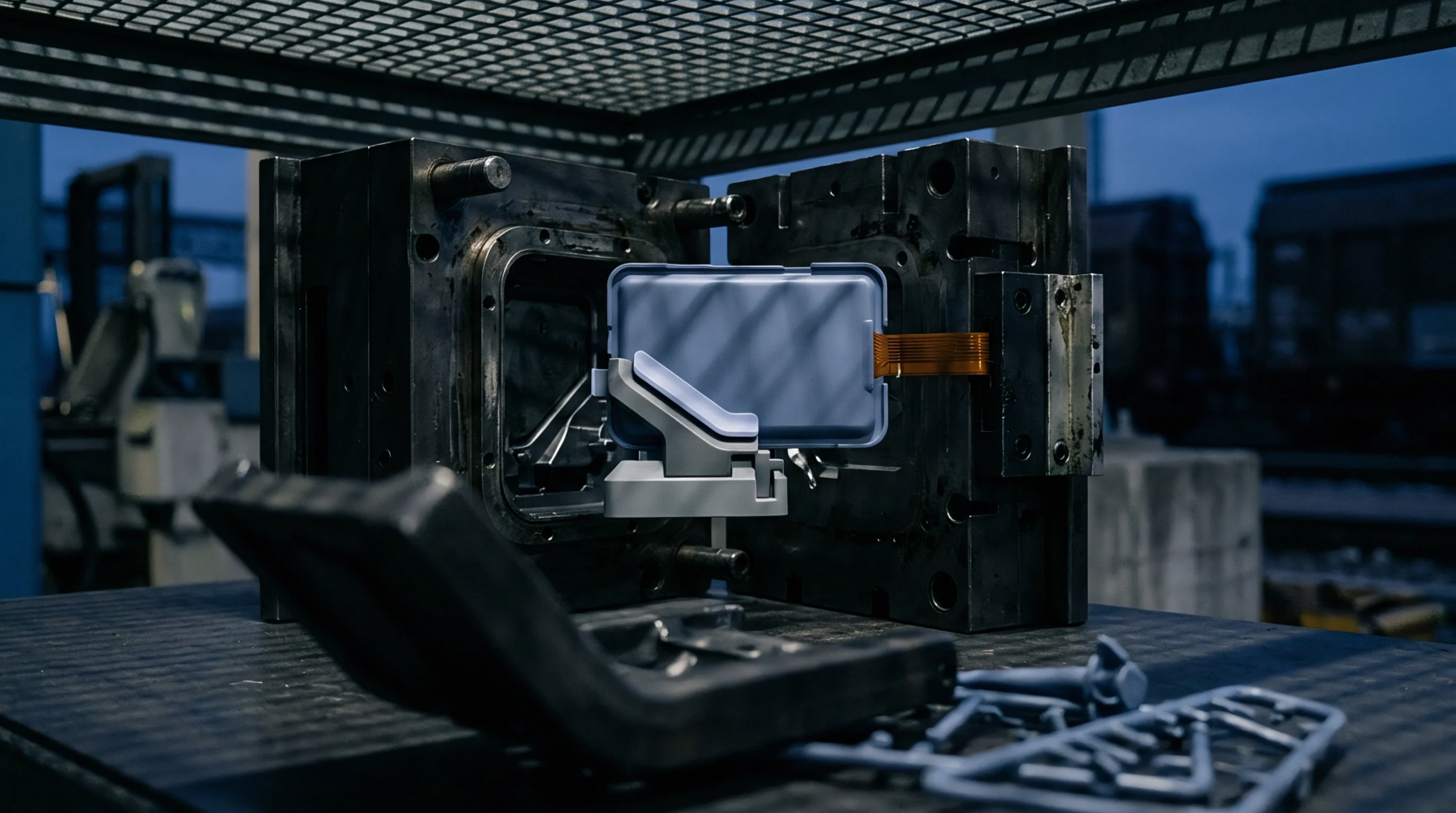
Mathematical integration models decouple physical moisture from thermal ester cleavage off-gas water to ensure accurate resin quality control.
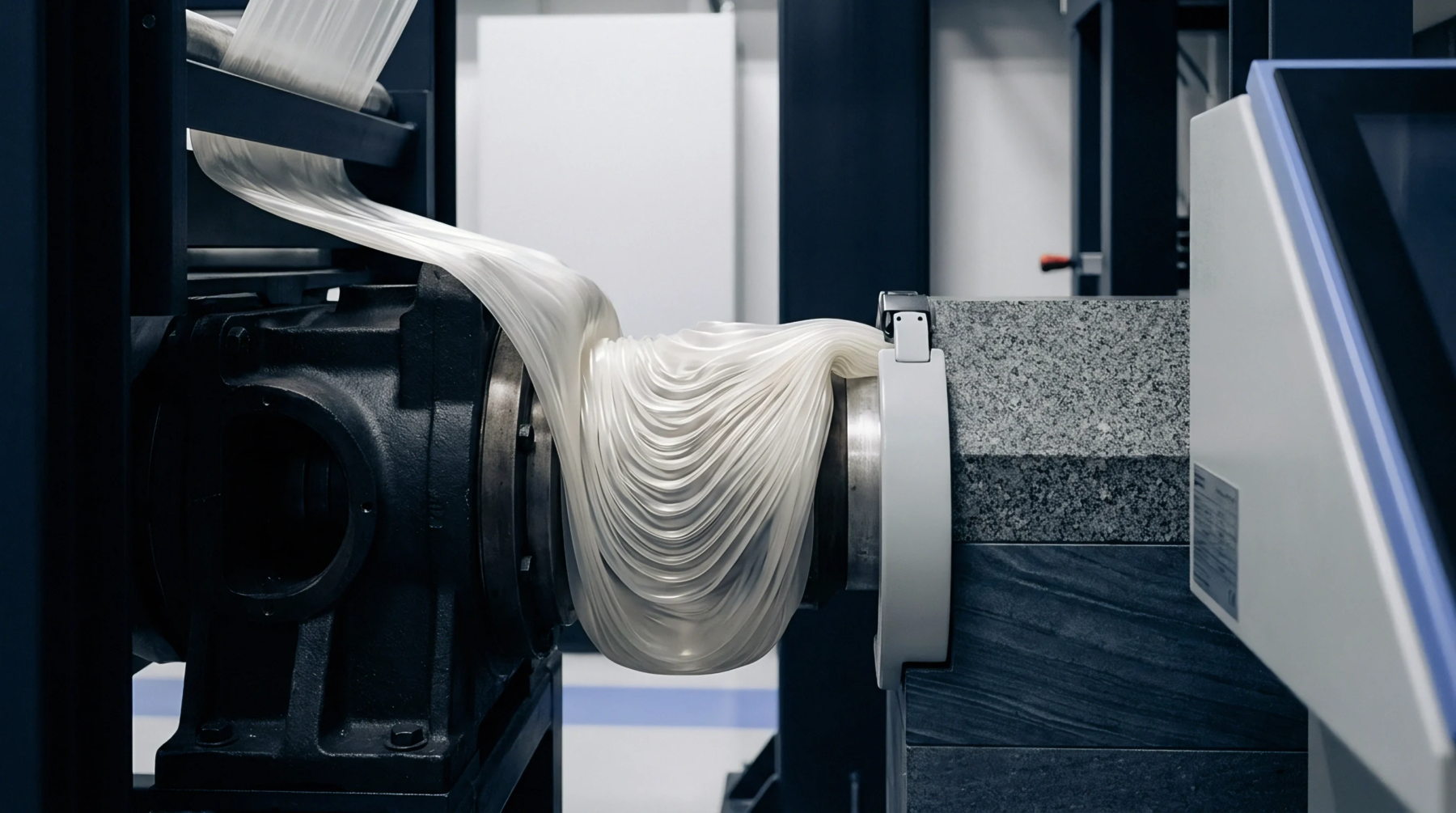
Wireless cavity pressure telemetry enables real time closed loop screw stroke compensation to hold part weight and dimensions against melt viscosity drift.
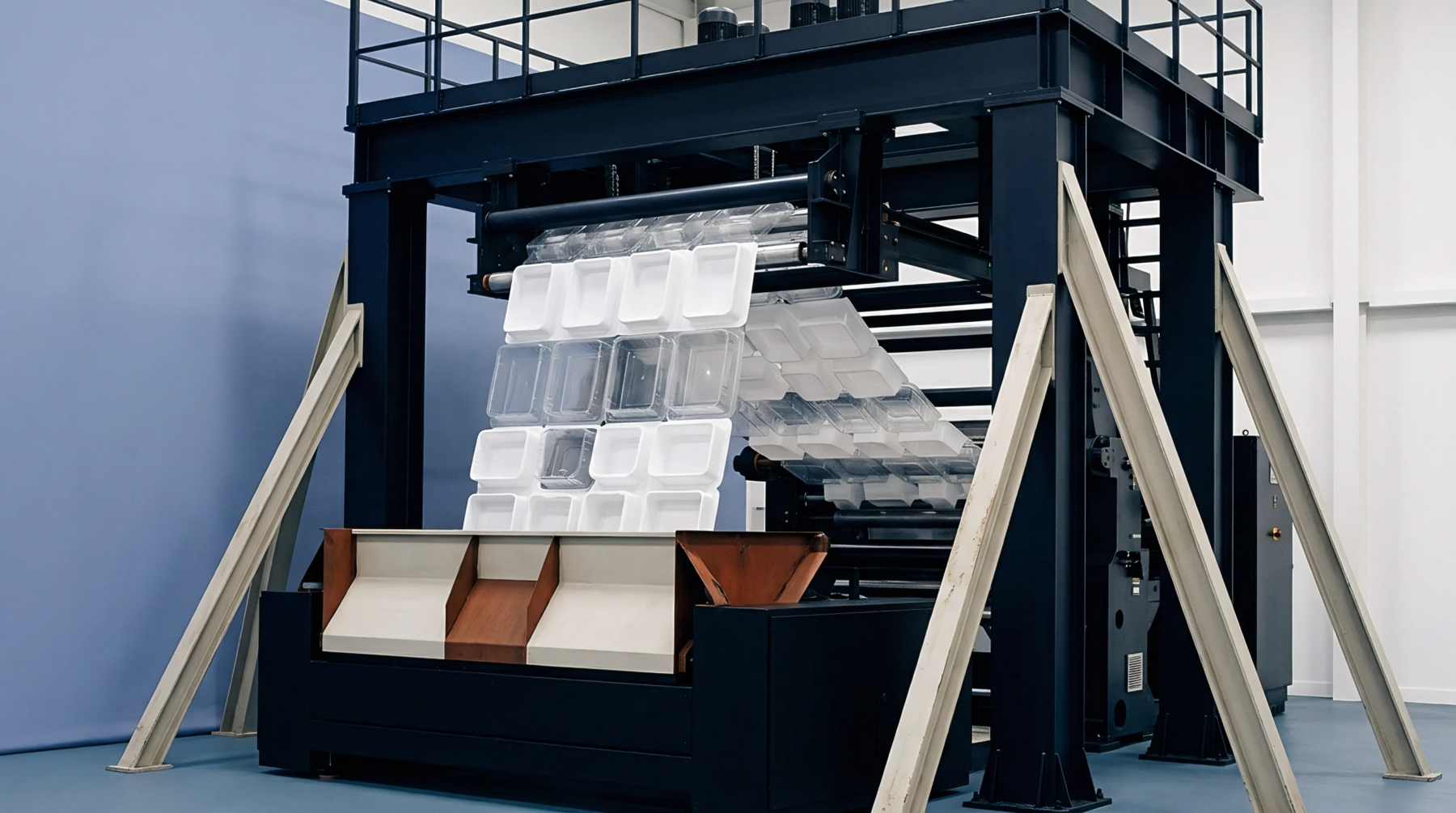
Food contact declarations for custom molded plastics require finished part migration testing to cover processing degradation and additive changes beyond raw resin certificates.
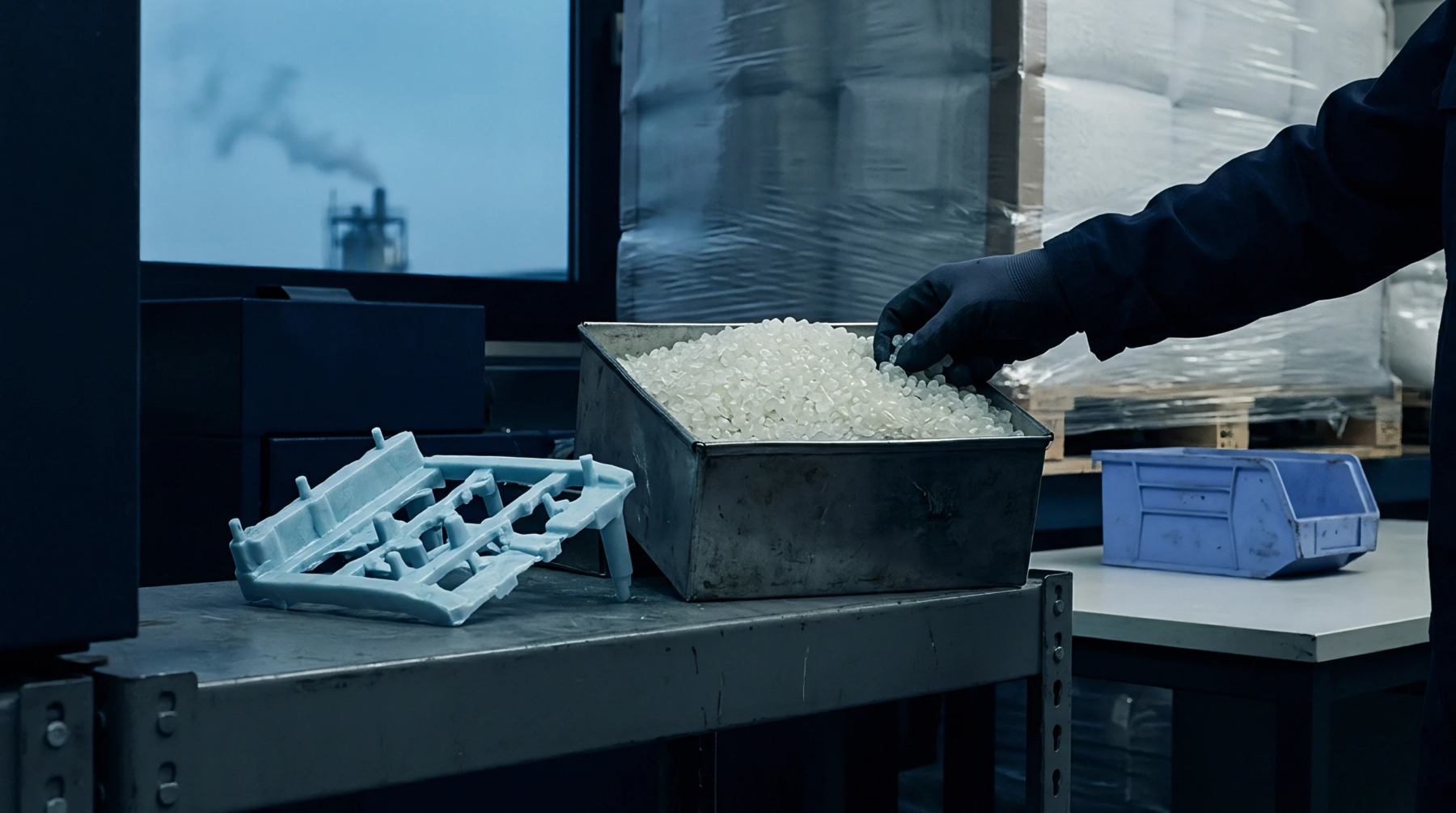
House blends sold under branded grade names alter molecular weight distribution and melt rheology, requiring lot-level shear, thermal, and impact testing.
Thermal breakdown of aromatic polyurethane packaging adhesives during heat sealing and retort generates primary aromatic amines requiring LC-MS/MS verification under EU food contact rules.
Expertise is a utility, not a secret. sentiention™ publishes its working knowledge as open reference: intelligence layer covering the materials it sources, the markets it enters, and the reference that serves both.