
Detecting Virgin Polypropylene Contamination through Standard Melt Flow Testing
Detecting subtle virgin polypropylene contamination requires dual-load melt flow indexing and extended thermal dwell testing to expose shear and stability shifts.
Detecting subtle virgin polypropylene contamination requires dual-load melt flow indexing and extended thermal dwell testing to expose shear and stability shifts.
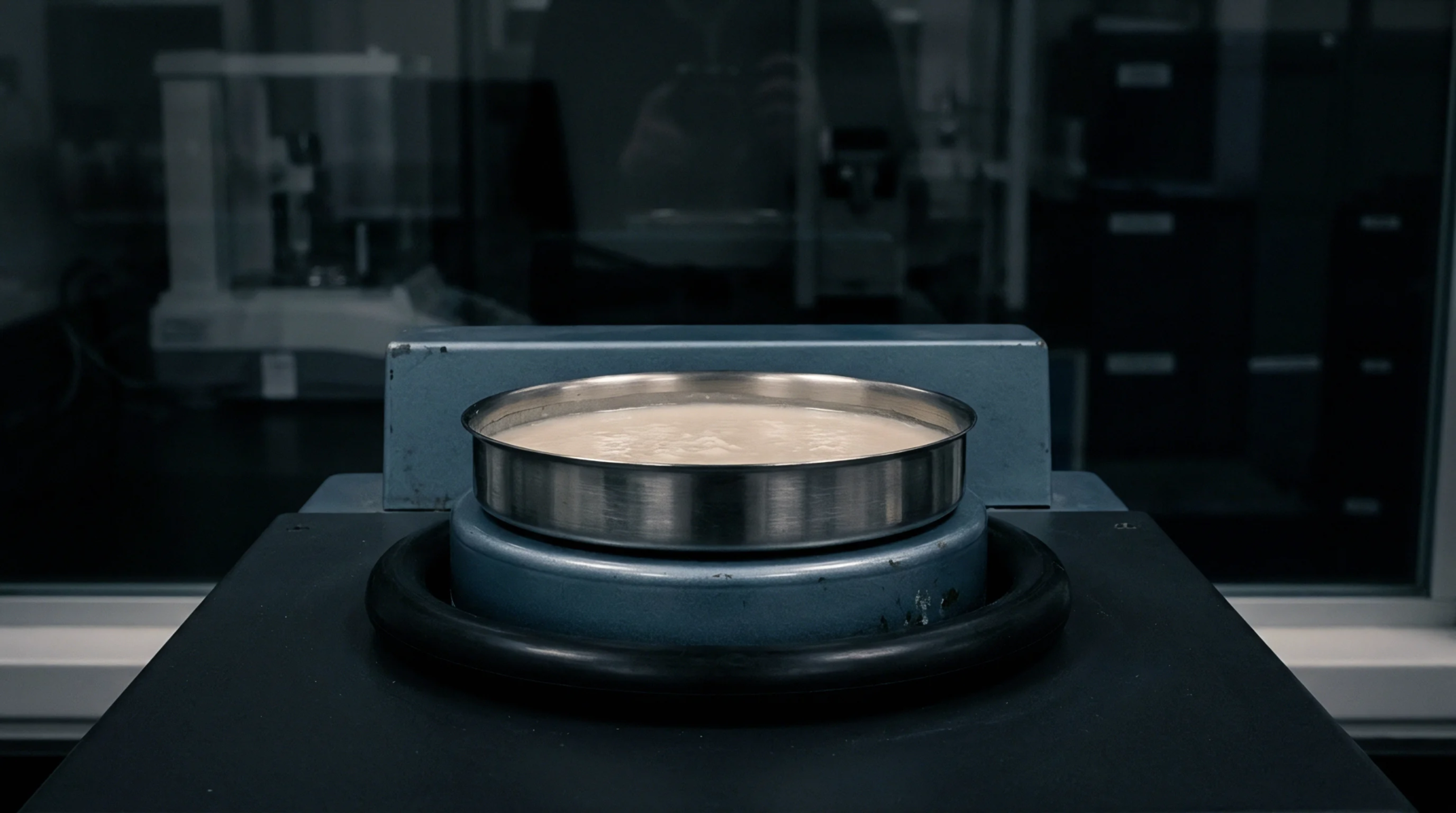
Dynamic low-frequency rheometry identifies thermal degradation in recycled polyolefins that single-point melt flow tests miss entirely.

Incoming resin qualification mandates physical sampling, melt rheology auditing, and CoA validation to prevent off-spec polymer from entering production.

Post-consumer HDPE sourcing relies on batch melt testing, DSC thermal screening, and mass balance audits to prevent factory scrap and field failure.

Verifying recycled HDPE in multicavity tools requires capillary rheometry beyond standard melt index to map shear thinning and prevent cavity filling imbalance.

Detecting post-industrial additions relies on combining differential scanning calorimetry, high-shear viscosity sweeps, and oxidative induction testing on arrival.

Verify bulk plastic packaging against pre-production certificates using lot-specific AQL dock sampling, ATR-FTIR screening, and full DoC dossier traceability.

Tracking melt flow changes and oxidation time prevents part failure from degraded recycled polyolefin resins.
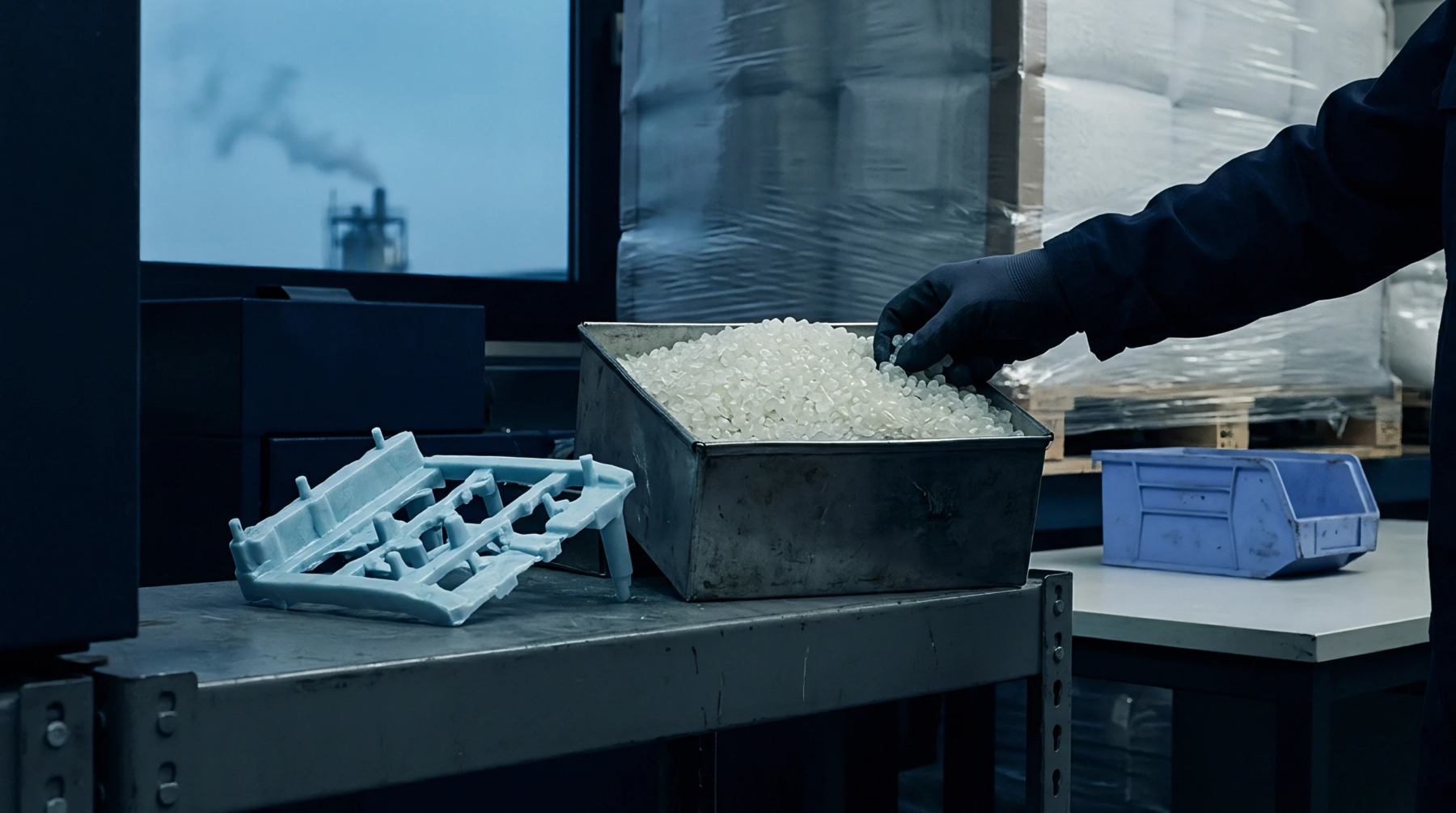
House blends sold under branded grade names alter molecular weight distribution and melt rheology, requiring lot-level shear, thermal, and impact testing.

Contract and spot naphtha spreads undermine fixed thirty-day resin quotes, requiring indexation formulas and dock MFR testing to prevent margin erosion.
Expertise is a utility, not a secret. sentiention™ publishes its working knowledge as open reference: intelligence layer covering the materials it sources, the markets it enters, and the reference that serves both.