
Incoming Polymer Batch Acceptance Testing and Melt Flow Verification
Melt flow testing at the receiving bay verifies molecular weight and prevents brittle part failure before resin contaminates production silos.
Melt flow testing at the receiving bay verifies molecular weight and prevents brittle part failure before resin contaminates production silos.

Arbitrating unabsorbed machine overhead losses from hydrolytic chain scission requires inline viscosity tracking, moisture logs, and clear quality contract addendums.
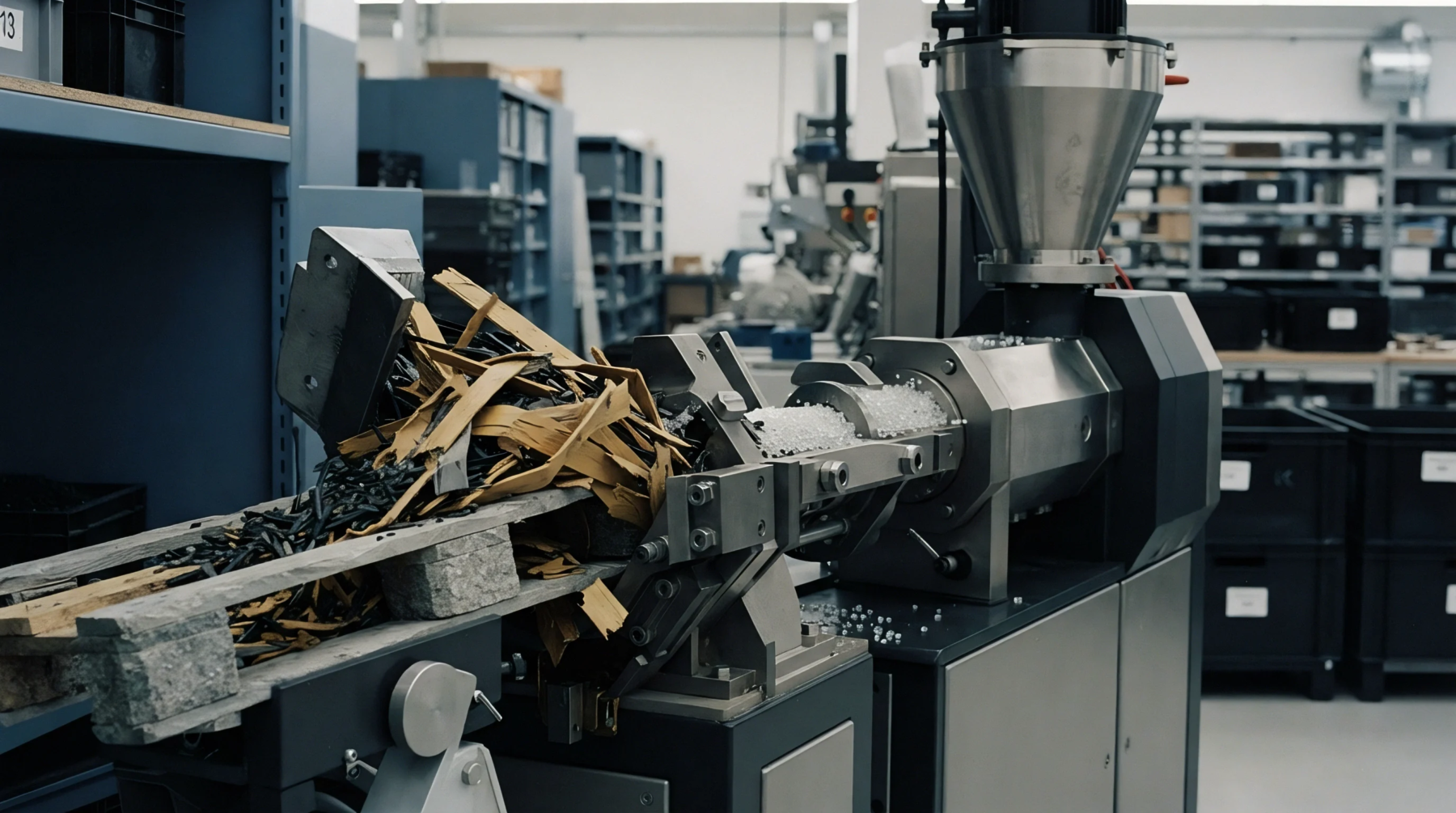
Processor contracts assign resin moisture liability by enforcing Karl Fischer dock verification, liquidated downtime rates, and direct debit offset terms.
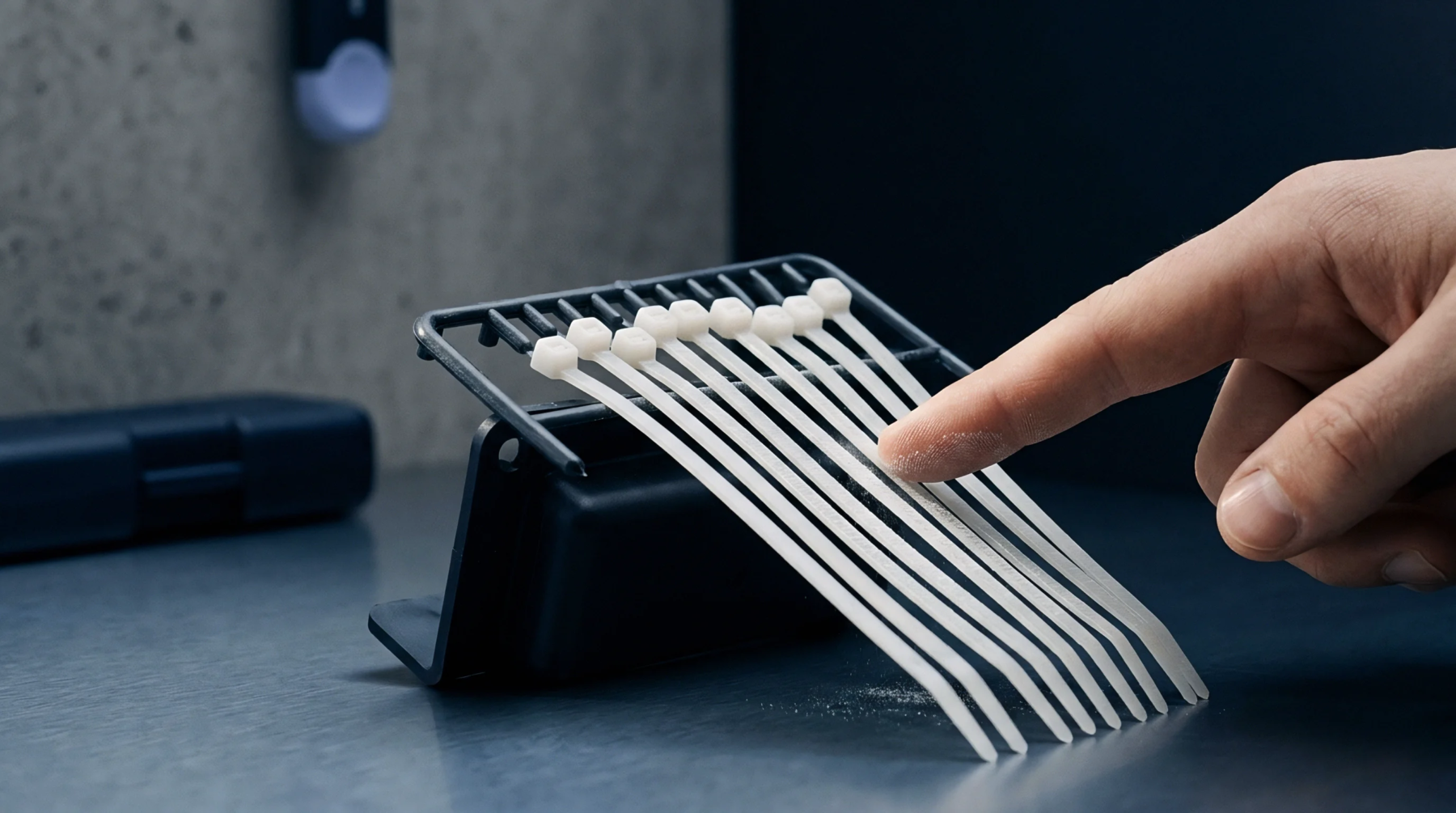
Unplanned moisture downtime costs combine press burden, purge compound, cavity cleaning, and scrapped resin into losses exceeding base machine rates fivefold.

Coulometric Karl Fischer oven extraction parameters between 160C and 220C isolate true polymer moisture while preventing additive pyrolysis and cell fouling.
Non-linear simulant swelling invalidates standard Fickian migration models at elevated temperatures, requiring direct vegetable oil testing over solvent screening.

Volatile desorption in recycled PET melt is governed by thermodynamic phase equilibria and diffusion limits, requiring deep vacuum and rapid surface renewal.
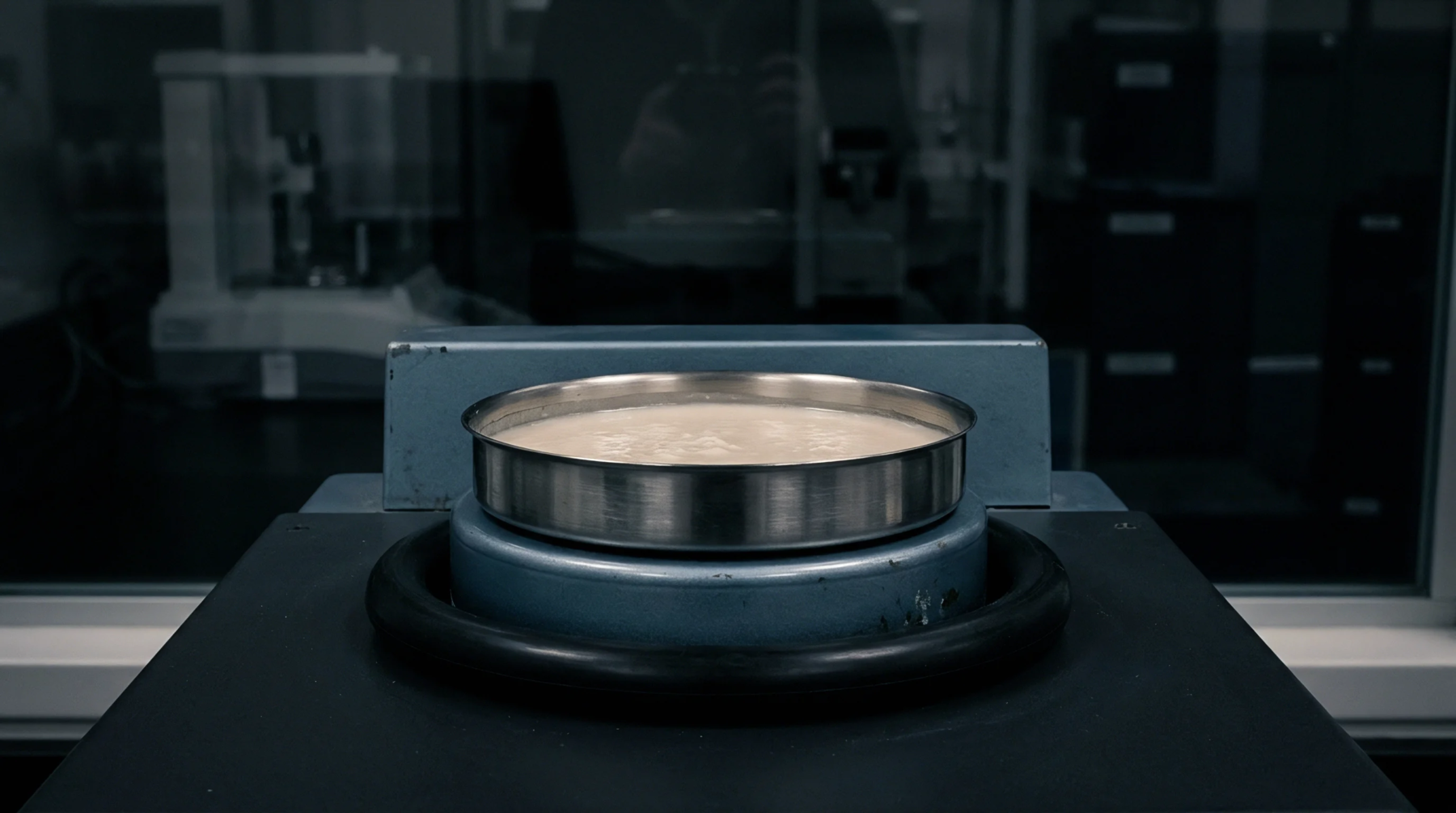
Polyhydroxyalkanoate processing demands strict moisture control below 200 ppm and residence times under three minutes to prevent cis-elimination chain scission.

Residual moisture above 50 ppm hydrolyzes rPET melt within seconds, dropping intrinsic viscosity and causing brittle part failure that exceeds drying power costs.
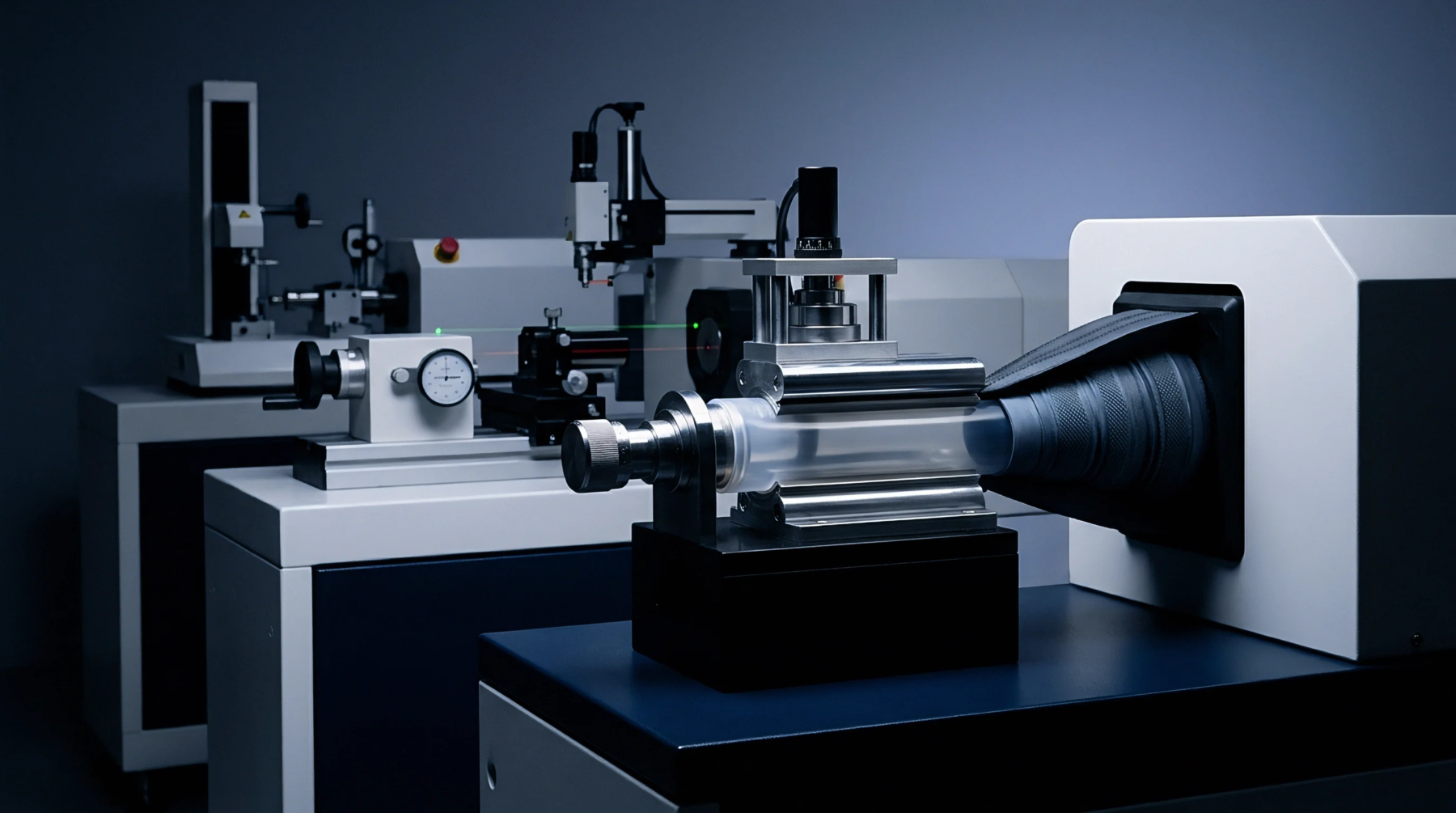
Stabilizing post-consumer flake requires baseline infrared oxidation metrology paired with balanced phenolic-phosphite packages to prevent melt chain scission.

Intrinsic viscosity loss in reprocessed PET flake is quantified by dilute solution viscometry using ASTM D4603 to prevent structural failure in preforms.
Hydrolytic degradation thresholds require drying virgin polyesters below 0.02 percent and polyamides below 0.10 percent water before melt processing.

Chemical contaminants in rPET create acetal side-reactions and iodine reduction artifacts that distort Karl Fischer coulometric water measurements.

Coulometric thermal desorption isolates bound water from organic volatiles in rPET flake, enabling precise incoming quality control and preventing hydrolytic degradation.
Expertise is a utility, not a secret. sentiention™ publishes its working knowledge as open reference: intelligence layer covering the materials it sources, the markets it enters, and the reference that serves both.