
Basic Technical Criteria for High Flow Polypropylene Homopolymer Selection
Select high flow polypropylene homopolymers by balancing melt flow rate against impact loss, verifying narrow molecular weight distribution and peroxide residues.
Select high flow polypropylene homopolymers by balancing melt flow rate against impact loss, verifying narrow molecular weight distribution and peroxide residues.

Polypropylene impact copolymers sacrifice flexural modulus to gain sub-zero toughness through dispersed ethylene-propylene rubber domains in an isotactic matrix.

Dynamic tool heating lowers thermal contact resistance to fill micrograin textures, but requires balanced cooling symmetry to prevent severe part distortion.

Solid-state ester transesterification reaches absolute thermodynamic limits when glycol partial pressure matches local chemical potential in amorphous channels.

Determining masterbatch letdown ratios for recycled polyethylene requires MFR matching, antioxidant depletion testing, and gravimetric dosing adjustments.
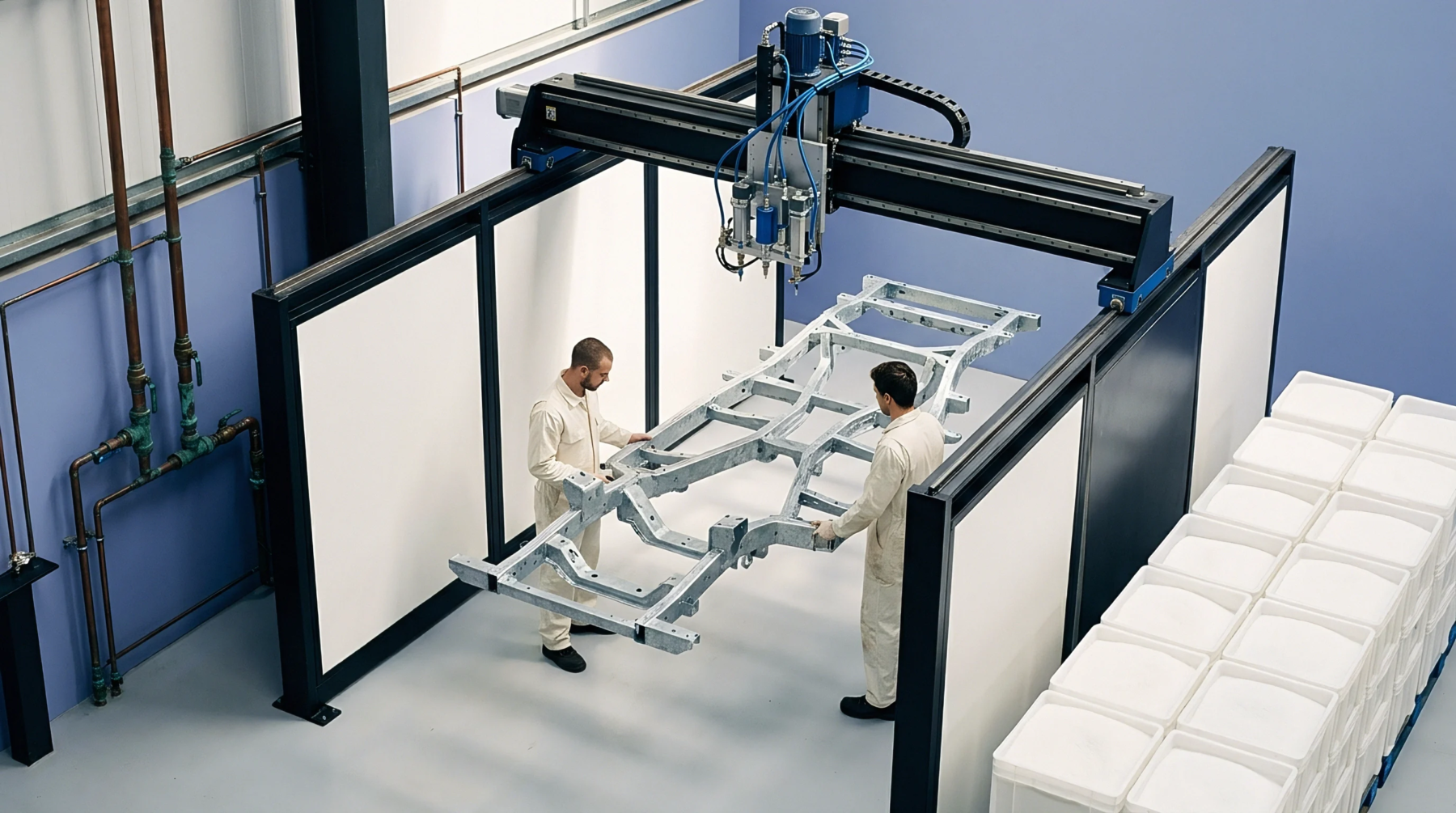
Resolving jurisdictional divergence in additive carrier definitions requires harmonizing HS code classifications, melt flow rates, and chemical registration limits.

Optimize wall transitions and gate freeze timing to control volumetric shrinkage, preventing skin collapse over thick thermal cores in non-uniform thermoplastic parts.
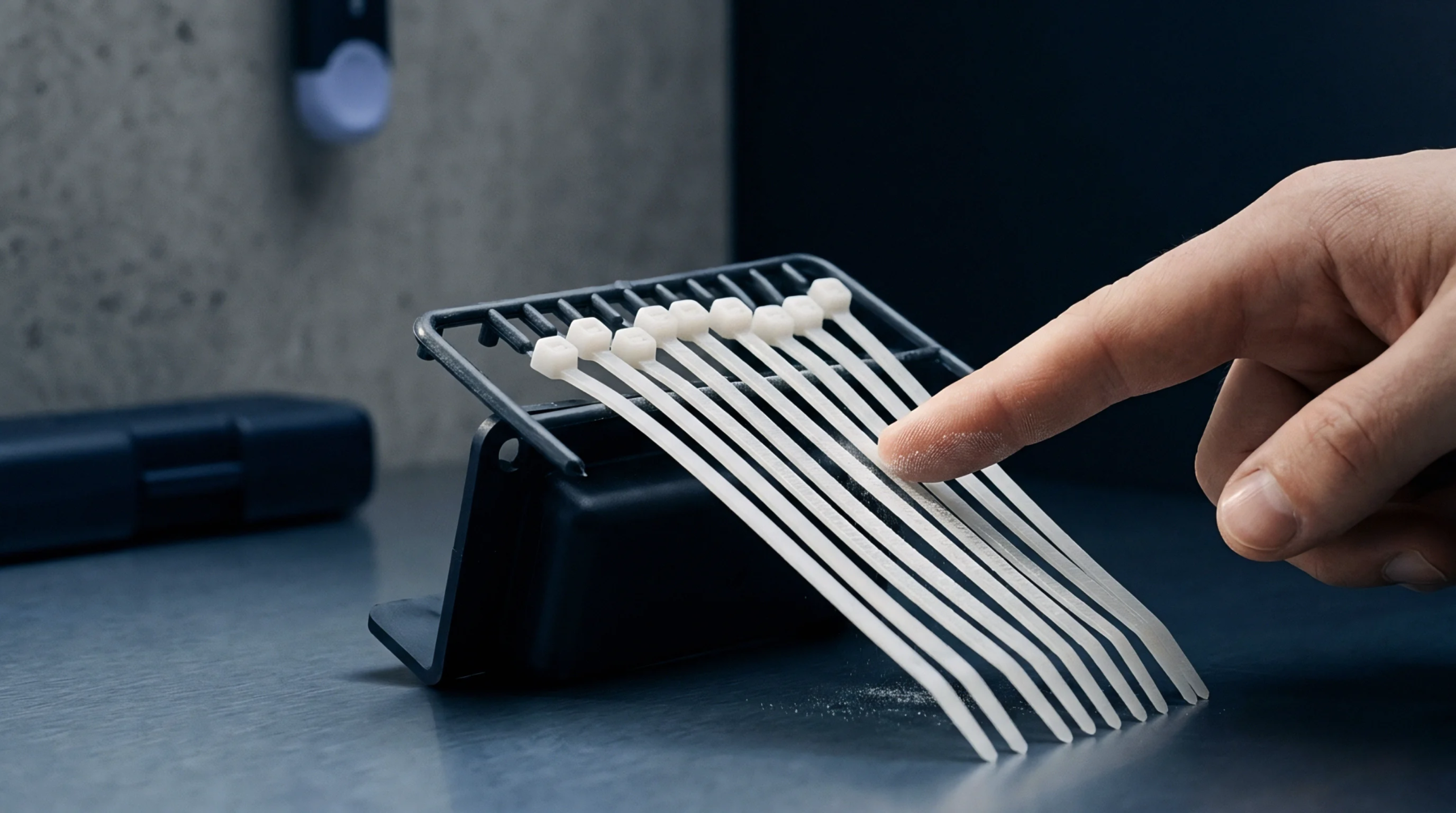
Sourcing thin-wall PP homopolymer demands qualifying melt flow rates above 60 g/10 min while auditing peroxide residues to protect mechanical impact.
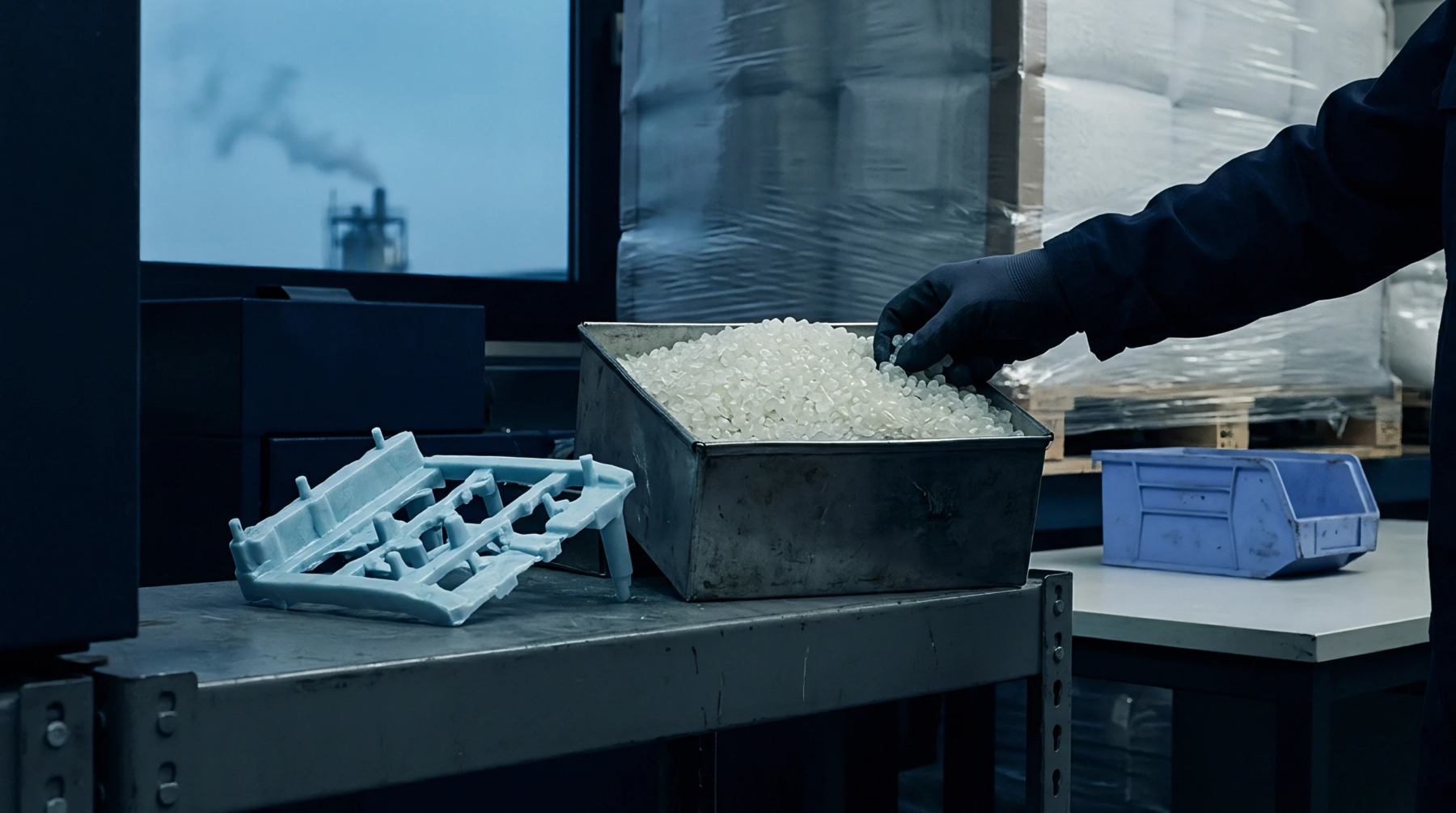
House blends sold under branded grade names alter molecular weight distribution and melt rheology, requiring lot-level shear, thermal, and impact testing.
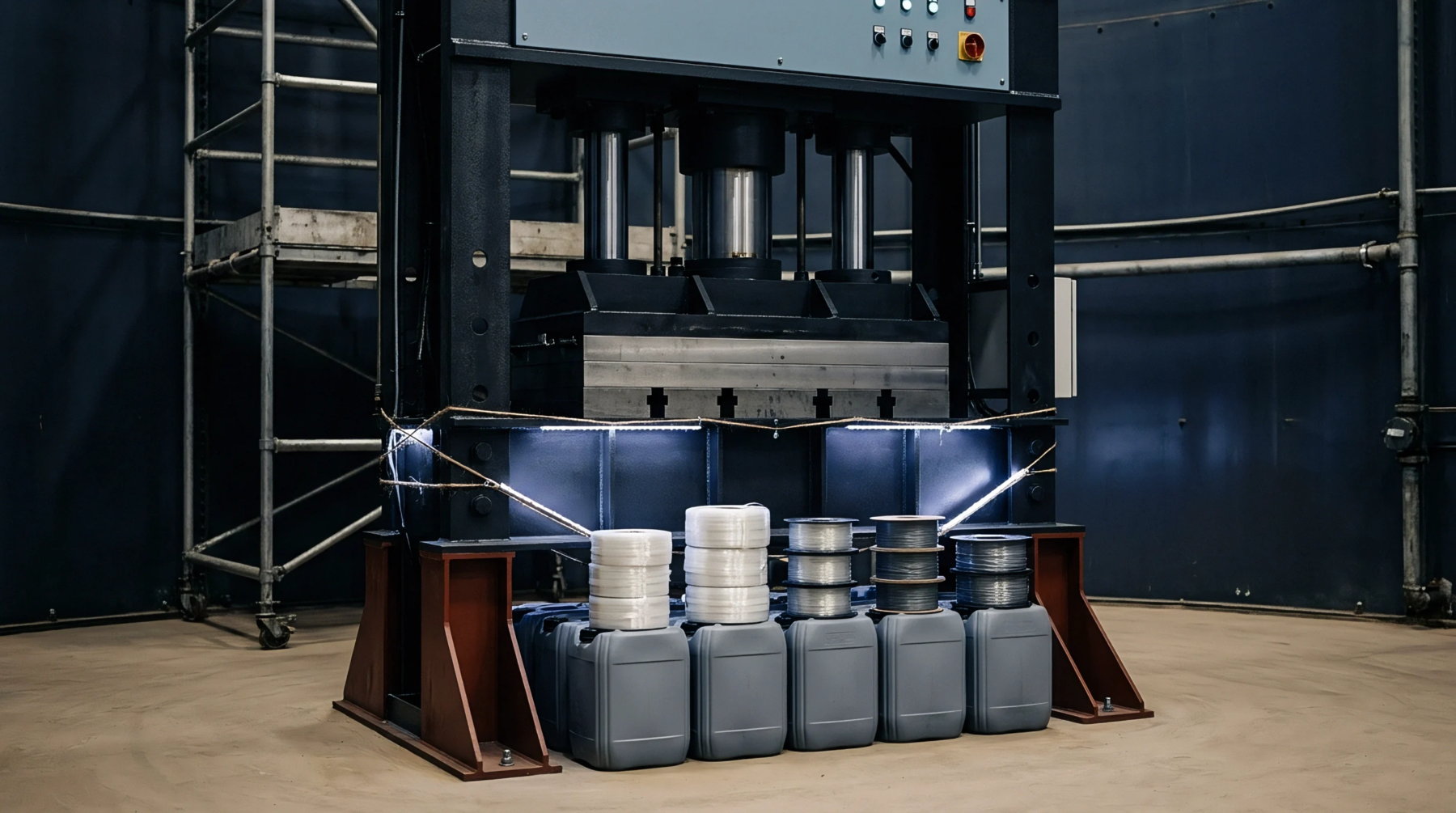
Polymer grade selection fixes mechanical properties, tool shrinkage, cycle time, compliance limits, and final landed part cost across production runs.
Expertise is a utility, not a secret. sentiention™ publishes its working knowledge as open reference: intelligence layer covering the materials it sources, the markets it enters, and the reference that serves both.