
Analytical Metrology and Restabilization Procedures for Post-Consumer Flake
Stabilizing post-consumer flake requires baseline infrared oxidation metrology paired with balanced phenolic-phosphite packages to prevent melt chain scission.
Stabilizing post-consumer flake requires baseline infrared oxidation metrology paired with balanced phenolic-phosphite packages to prevent melt chain scission.

Thermal and oxidative degradation alters polyolefin flake viscosity and residual stability, demanding MFR, OIT, and Carbonyl Index verification before processing.

Visbroken polypropylene risks organoleptic contamination and thermal degradation; verify residual peroxide, NIAS limits, and OIT before food contact use.
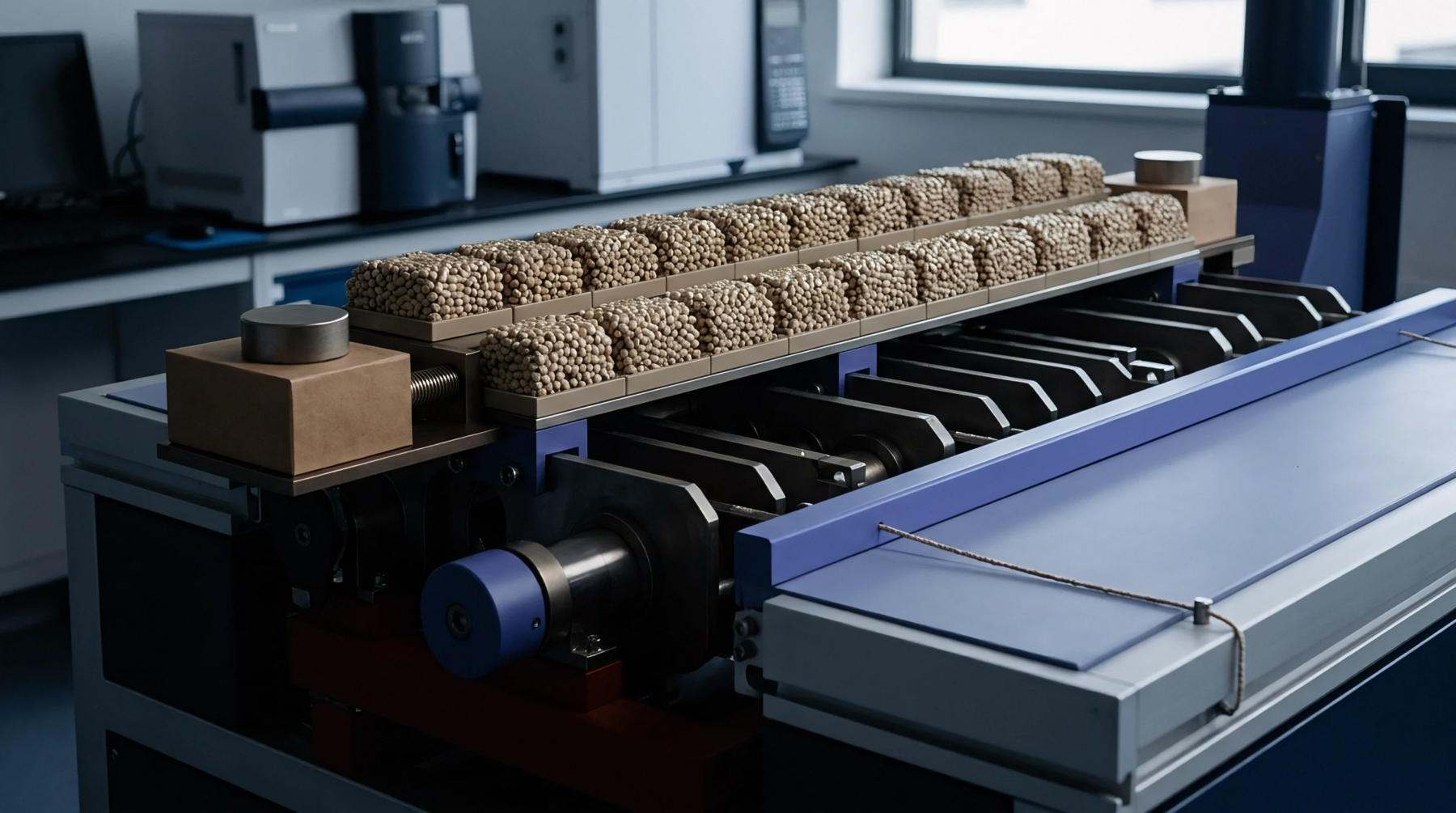
Infrared spectroscopy identifies contaminant chemistries while differential scanning calorimetry quantifies polymer blend fractions and thermal degradation state.

Determining masterbatch letdown ratios for recycled polyethylene requires MFR matching, antioxidant depletion testing, and gravimetric dosing adjustments.

Polyolefin recyclate quality verification relies on multi-temperature melt flow testing, oxidation induction time, and continuous screen filtration tracking.
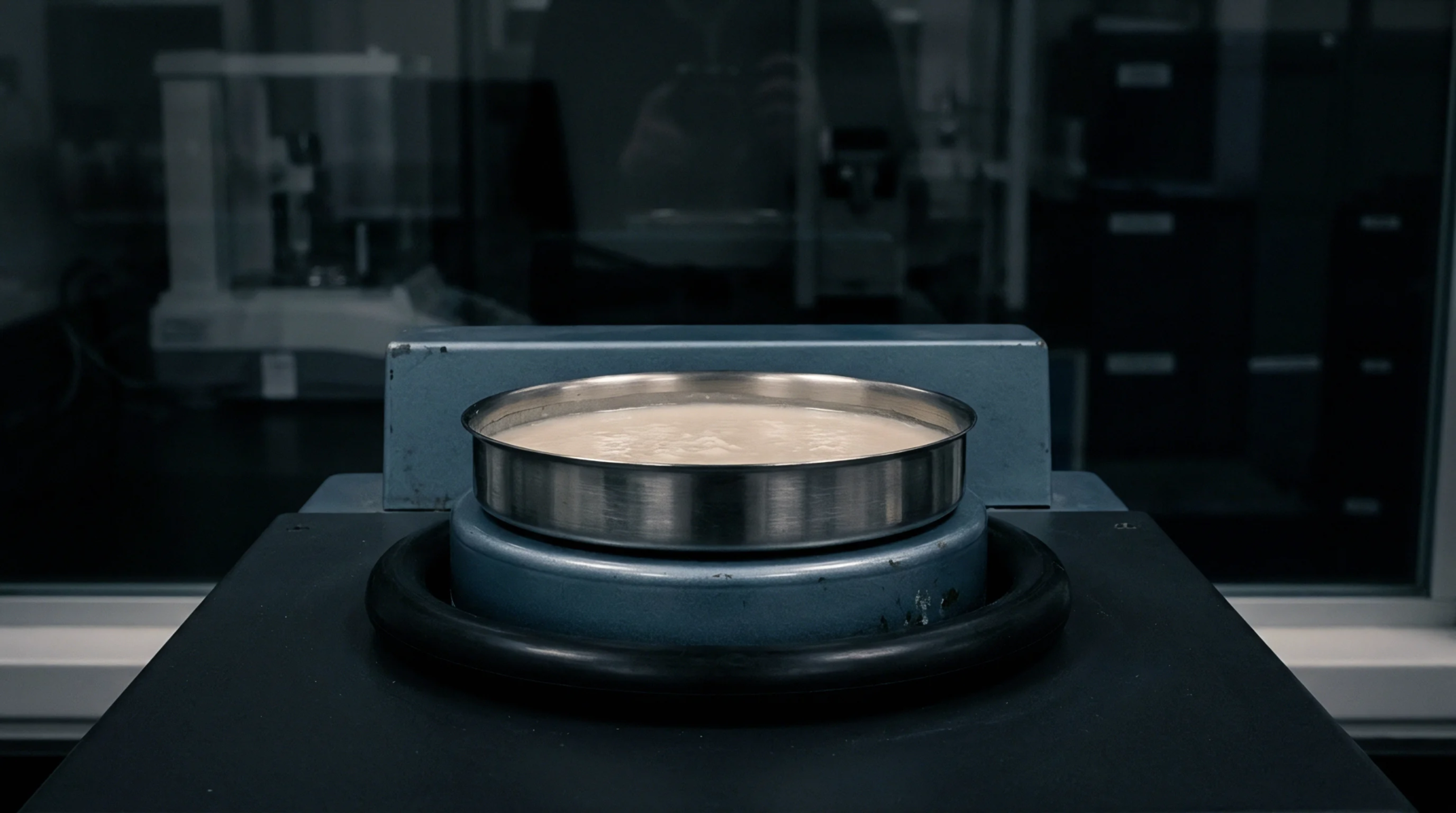
Dynamic low-frequency rheometry identifies thermal degradation in recycled polyolefins that single-point melt flow tests miss entirely.

Undeclared regrind in virgin polymer collapses oxidation stability and broadens viscosity bands, increasing landed cost per good part despite initial pellet discounts.

Undisclosed recycled content invalidates virgin resin warranties when analytical testing proves melt flow or thermal deviation beyond contractual tolerance.

Incoming resin qualification mandates physical sampling, melt rheology auditing, and CoA validation to prevent off-spec polymer from entering production.

Verifying imported mass balance polyolefins demands yield-adjusted attribution ledgers and chemical contaminant screening to validate chain of custody claims.

Zero-shear viscosity drops exponentially before MFR shifts, providing an early indicator of antioxidant depletion in recycled polypropylene.

Polyolefin degradation evaluation requires coupling multi-load melt flow testing and OIT analysis to quantify chain scission and restabilize flake lots.

End of waste validation for secondary polyolefin compounding requires batch migration testing and accredited technical dossiers to convert scrap into compliant resin.

Exemption from plastic packaging taxes requires EN 15343 chain-of-custody dossiers and mass balance ledgers backing physical PCR fractions above statutory thresholds.
Accurate quantification of recycled polyolefins requires combining DSC thermal integration, high-temperature GPC, ICP-MS trace metals, and melt rheology sweeps.

Verify bulk plastic packaging against pre-production certificates using lot-specific AQL dock sampling, ATR-FTIR screening, and full DoC dossier traceability.
Undisclosed post-industrial polymer additions breach express resin specifications when melt stability and impact properties diverge from prime baselines.

Tracking melt flow changes and oxidation time prevents part failure from degraded recycled polyolefin resins.

Custom masterbatch circumvention risks are identified through thermogravimetric analysis, density profiling, and tariff essential-character verification.

Quantification of non-intentionally added substances in recycled polyolefins requires structural class calibration to overcome mass spectrometry response variances.
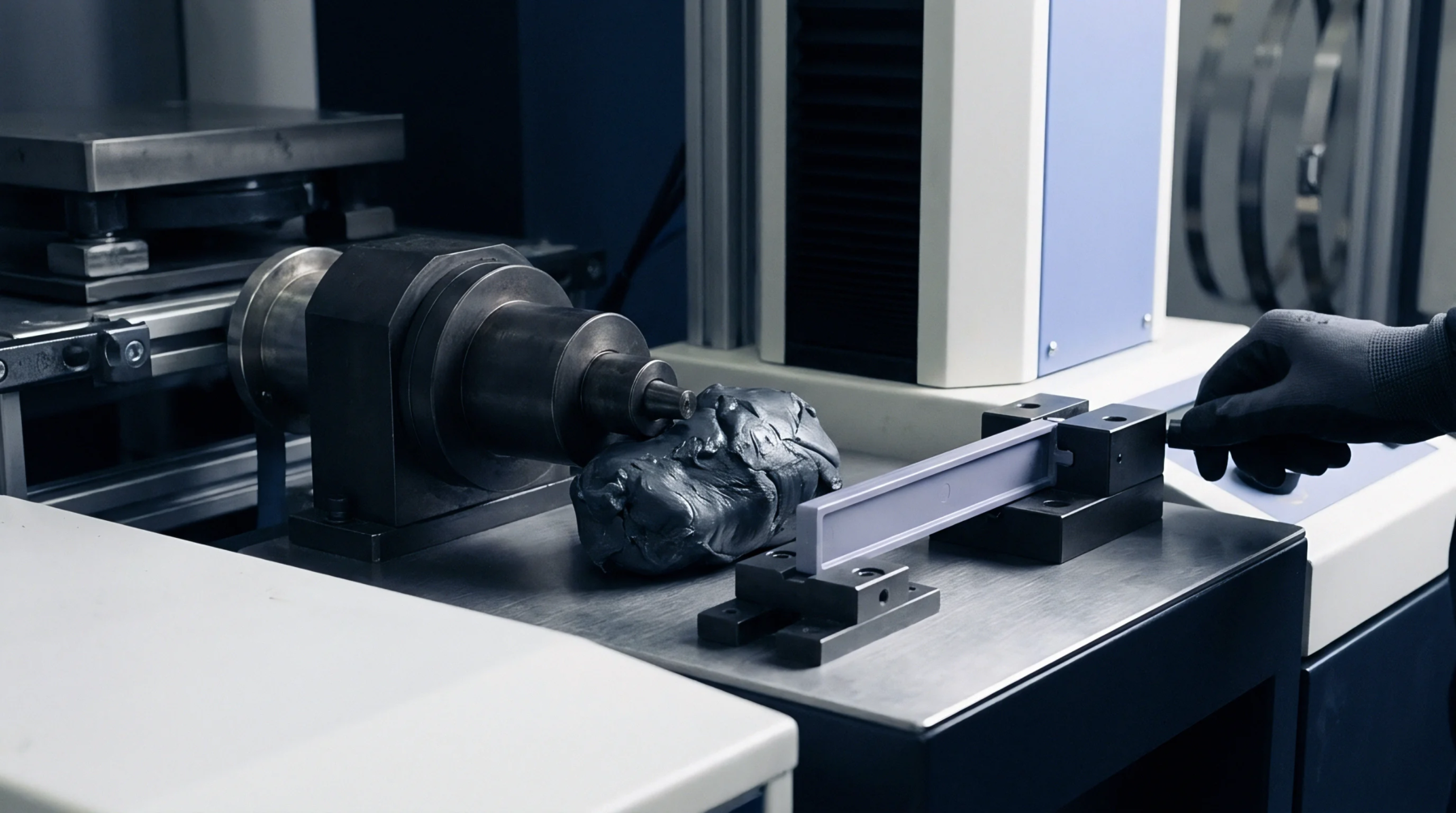
Post-consumer PP and PE compound performance is bounded by thermo-oxidative chain scission and phase separation requiring exact MFR and OIT intake limits.
Expertise is a utility, not a secret. sentiention™ publishes its working knowledge as open reference: intelligence layer covering the materials it sources, the markets it enters, and the reference that serves both.