Meaning
A broad category of recycled resins includes high density and linear low density plastics that have been used by consumers and then collected for reprocessing. Post consumer polyethylene is the main component of many recycling programs, as it represents a large portion of the plastic found in household waste. This material is sorted by color and density before being turned back into pellets for manufacturing.
Resource Recovery
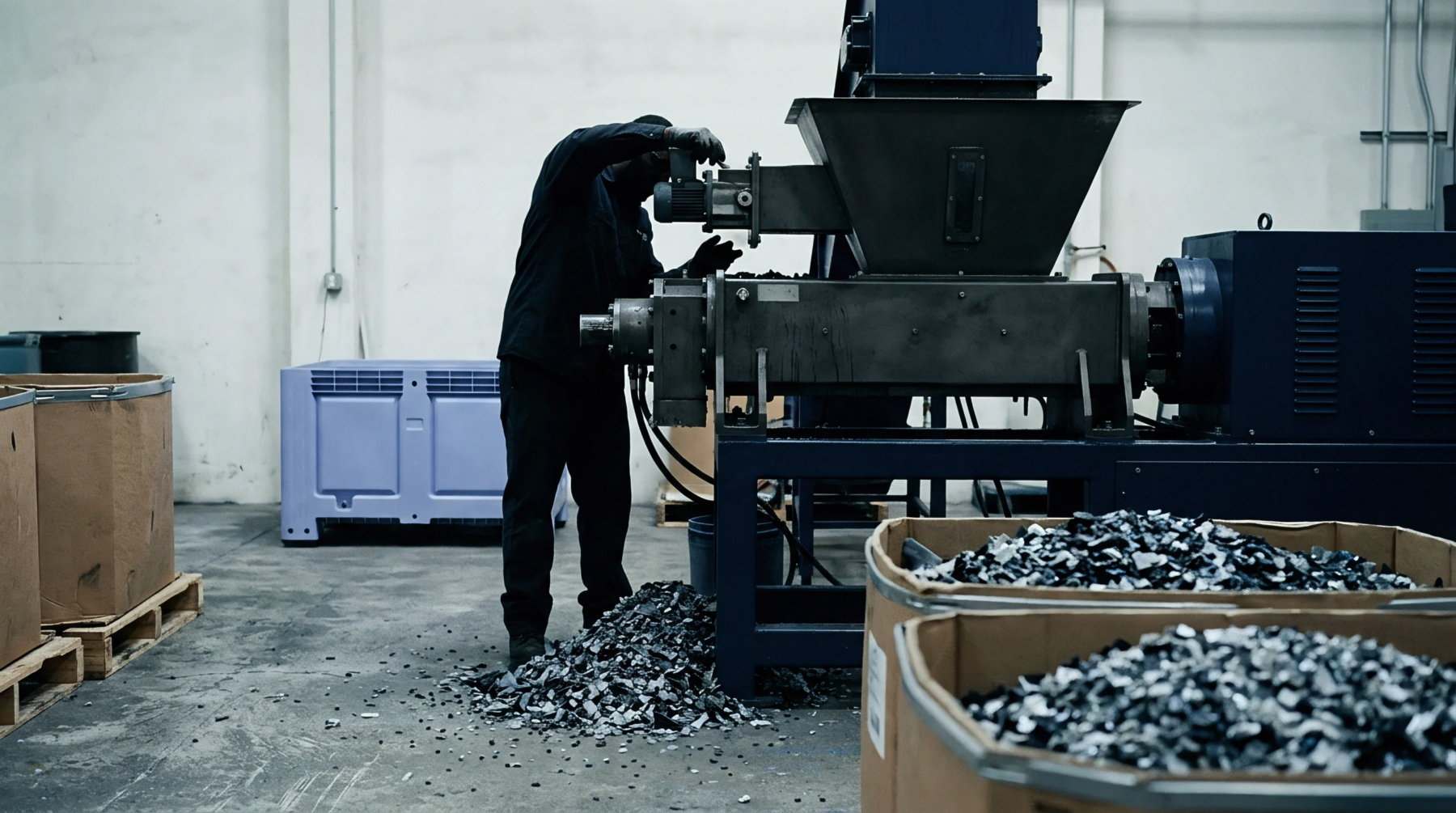
Turning old packaging into new products saves energy and reduces the need for oil based feedstocks. Post consumer polyethylene can be used to make everything from plastic lumber and garden furniture to new bottles and crates. The process of recycling these materials involves grinding, washing, separating and extruding the plastic to remove contaminants and restore its utility.
Technical Challenge
Variability in the source material makes it difficult to maintain consistent properties across different batches. Post consumer polyethylene often contains a mix of different grades, which can lead to variations in the melt flow index and the mechanical strength of the resin. Moulders must be skilled at adjusting their processes to handle these fluctuations while still producing high quality parts.
Market Demand
Increasing pressure from consumers and regulators is driving the use of recycled content in everyday products. Post consumer polyethylene is now a valuable commodity, and its price is often linked to the cost of virgin resin and the availability of high quality scrap. As the technology for cleaning and stabilizing these resins improves, they are being used in more demanding applications that were once reserved for virgin plastic.
The transition to a more circular model for plastic use depends on the ability of recyclers to produce a consistent and reliable stream of material that can compete with new resin in both price and performance.