Meaning
International test standards establish the procedures for determining the thermal properties of polymers using differential scanning calorimetry. Testing under the ISO 11357 standard measures transition temperatures and enthalpy changes associated with melting, crystallization, and the glass transition. This information helps molders optimize process temperatures and predict the behavior of resins during cooling.
Thermal Property
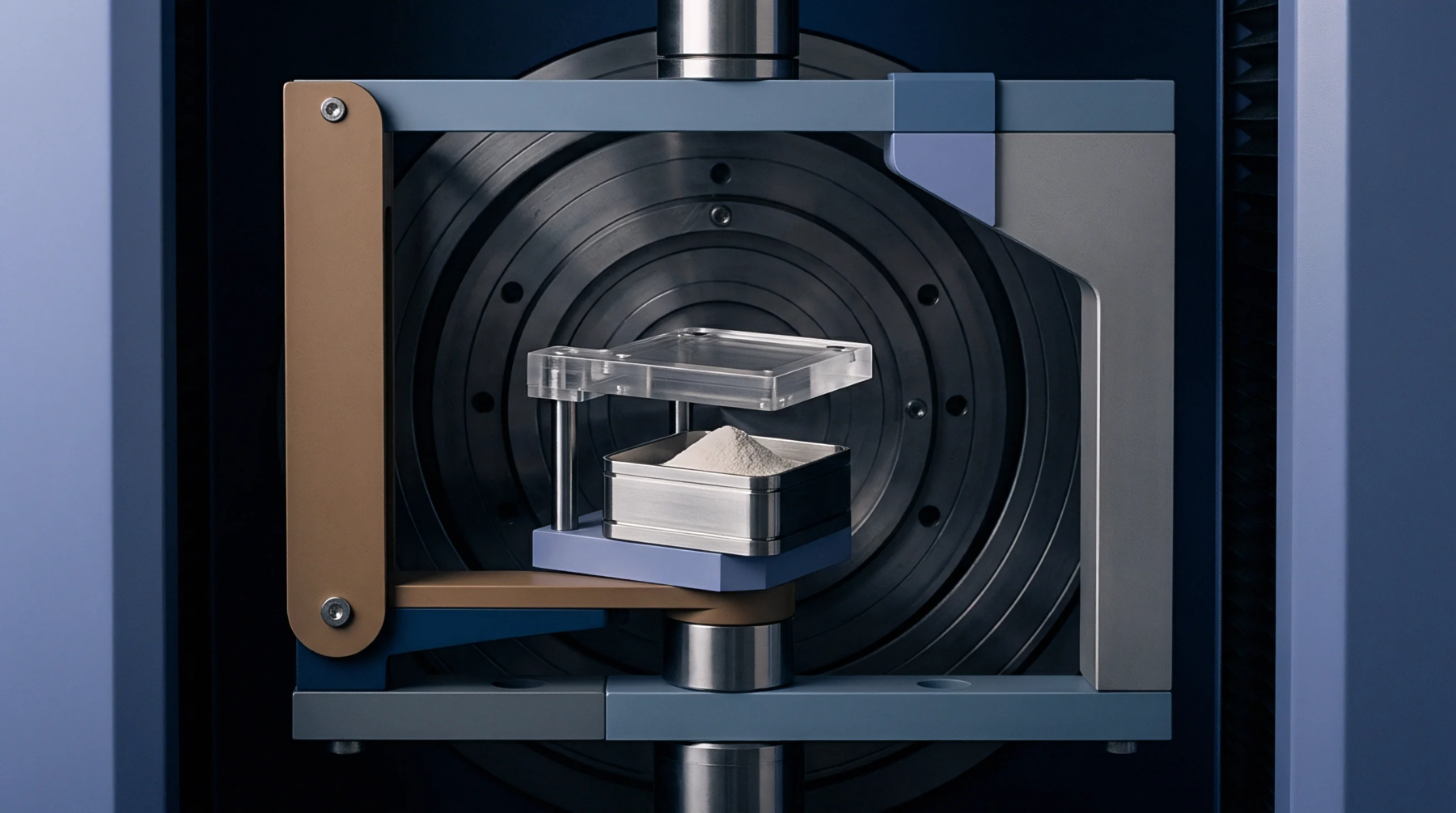
The test runs by heating and cooling a specimen and a reference material at a controlled rate while measuring the heat flow difference between them. This heat flow indicates whether the sample is undergoing an endothermic process, like melting, or an exothermic process, like crystallization. The resulting thermogram displays transition points including the glass transition temperature, crystallization temperature, and melting point.
Crystallinity Calculation
Integrating the area under the melting peak yields the enthalpy of fusion, which represents the heat required to melt the polymer crystals. Comparing this value to the enthalpy of a one hundred percent crystalline reference polymer yields the crystallinity percentage of the sample. This value is critical because crystallinity determines the mechanical strength, chemical resistance, and shrinkage of the molded part.
Molding Guideline
Thermal transitions dictate the processing window and cooling time in the mold. If the mold temperature is set too low, the polymer freezes before achieving its full crystallinity, leading to dimensional instability. Processors use these thermal transition points to set the barrel temperatures and cooling cycles that maximize part quality.