Meaning
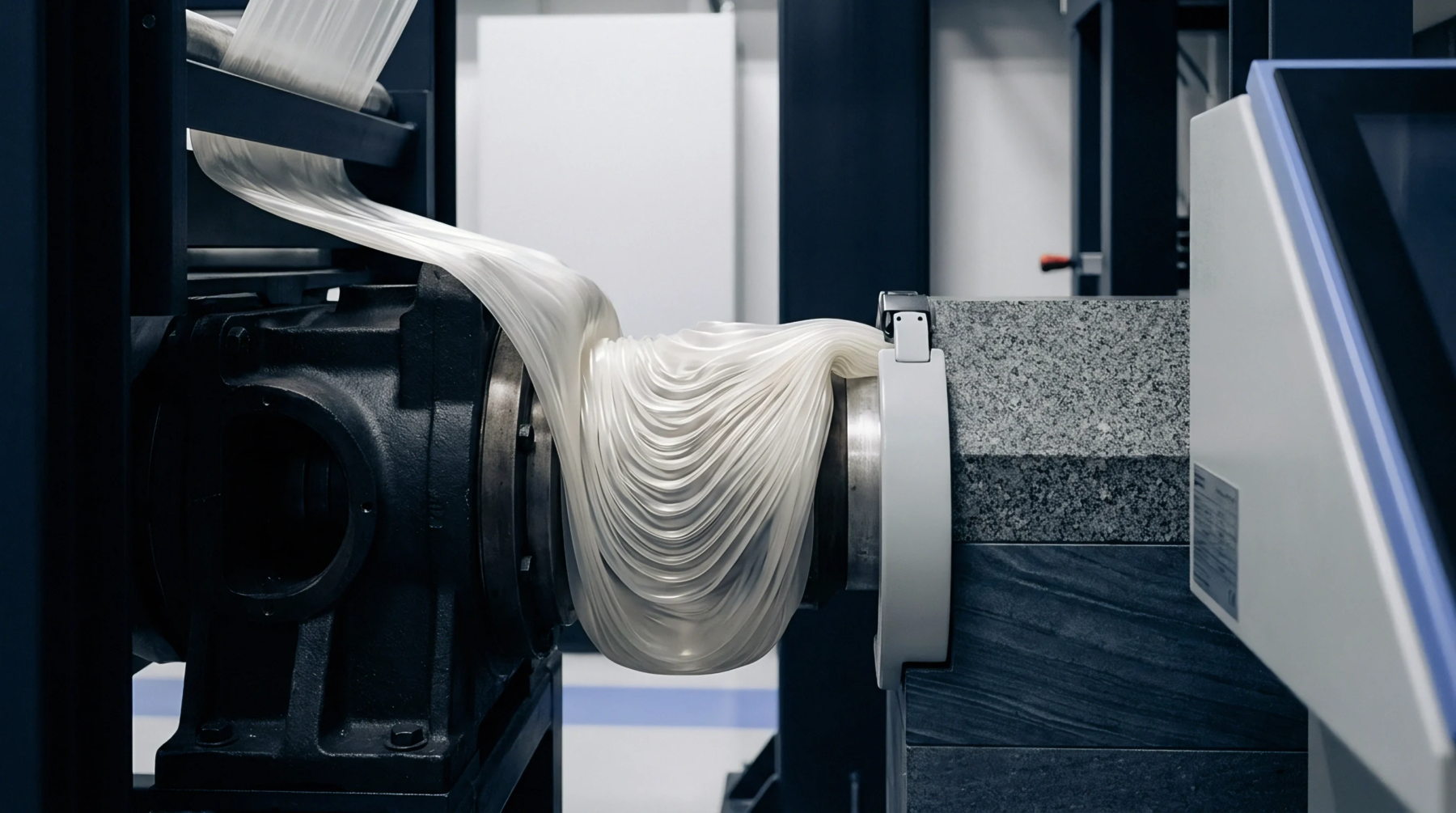
Wall slip defines a flow phenomenon occurring in polymer processing where the velocity of a molten material at the interface between the fluid and the conduit wall is non-zero. This condition arises when shear stress at the boundary exceeds the critical adhesion strength of the polymer chains against the tool surface. Once these chains detach, the fluid moves as a plug rather than through internal shear, which prevents the development of a standard parabolic velocity profile.
Processing Variable
Friction reduction between the melt and the metal surface characterizes this mechanism during extrusion or injection moulding. Wall slip diminishes the pressure drop across the die by lowering the resistance encountered by the bulk fluid. It reduces the mechanical energy required to push high viscosity materials through complex geometries.
Additives such as fluoropolymer processing aids modify the surface energy of the tool steel to promote this slippage. Excessive slippage often causes melt fracture or surface irregularities on the final part because the material undergoes sudden, uncontrolled acceleration at the exit point.
Tooling Impact
Surface roughness of the die geometry dictates the degree of adhesion present during the filling phase. Polished mould surfaces encourage uniform contact, whereas textured cavities alter the slip boundary layer. Tooling engineers adjust these finish specifications to manage how a specific resin grade interacts with the metal under high temperature conditions.
Proper control of this interaction prevents the formation of sharkskin defects on thin walled extruded products. Constant monitoring of injection pressure helps technicians detect unintended variations in slip behavior throughout long production cycles.
Economic Consequence
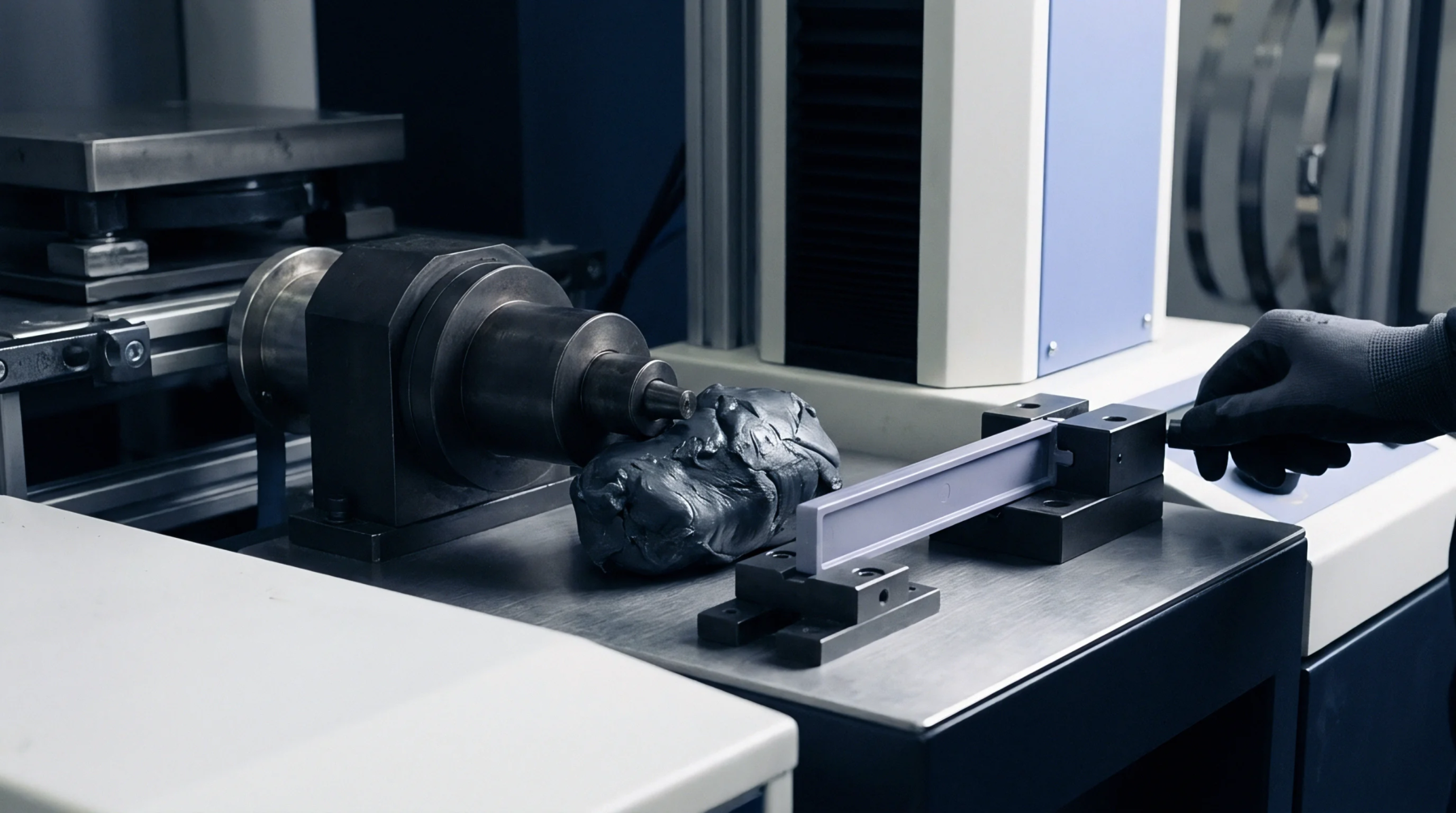
Yield loss remains the primary risk when the shear rate at the wall remains unstable across repeated cycles. Regrind percentages influence the slip properties of a batch, as contaminants often alter the surface interaction with the die steel compared to virgin resin. Moulders quantify this property through steady state pressure measurements to ensure the actual flow matches the simulated prediction.
Consistent slip behavior allows for faster cycle times by enabling the use of higher injection velocities without exceeding the pressure limits of the machine. Stable wall slip correlates directly to the dimensional accuracy of moulded components.