Slip and Antiblock Additives Migrating into a Sealed Film
Excess primary amide migration depresses hot tack and seal peel strength; control with secondary amides or non-migrating siloxanes verified via ATR-FTIR.
Diffusion
Polyolefin resins transport low-molecular-weight organic additives through amorphous pathways over time. Primary amides like erucamide and oleamide migrate in solid blown or cast polyethylene films due to their low solubility in the semi-crystalline matrix at room temperature. At twenty-three degrees Celsius, erucamide’s solubility limit in linear low-density polyethylene sits between two hundred and three hundred parts per million.
Yet extrusion formulations routinely incorporate five hundred to fifteen hundred parts per million of slip additives to drive the kinetic coefficient of friction below 0.20. This concentration gradient forces fatty amide molecules through the amorphous space between crystalline lamellae toward the film surface.
Above the polymer glass transition temperature, Fickian kinetics control how fast these non-polar additives move through rubbery amorphous regions. The rate depends on temperature, matrix density, short-chain branching frequency, and molecular weight. Erucamide ~ with a twenty-two-carbon monounsaturated backbone and a molecular weight of 337.58 grams per mole ~ migrates far slower than oleamide, an eighteen-carbon chain weighing 281.48 grams per mole.
Because oleamide diffuses faster in low-density polyethylene under ambient conditions, it reduces friction within six to twelve hours post-extrusion. Erucamide takes forty-eight to ninety-six hours to form an equilibrium surface layer, but its slower migration offers better long-term thermal stability and avoids premature depletion during roll storage or converting.
Erucamide migration velocity in 0.918 g/cm³ LLDPE doubles for every eight-degree Celsius rise in ambient storage temperature between fifteen and thirty-five degrees.
Polymer morphology dictates the spatial pathways available to migrating additives. High-density polyethylene features fractional crystallinity over sixty percent, forming dense lamellae that act as impassable barriers that force molecules through tortuous amorphous channels. Metallocene-catalyzed linear low-density polyethylenes, by contrast, have narrower molecular weight distributions and more uniform short-chain branching than legacy Ziegler-Natta resins.
This uniformity produces smaller crystallites and greater amorphous free volume at equivalent densities, allowing a 0.918 grams per cubic centimeter metallocene LLDPE to diffuse additives faster than conventional LLDPE of identical density. Storage temperature amplifies the effect by increasing chain segment mobility in amorphous regions.
Once masterbatch dosing surpasses matrix solubility, additives move toward any accessible interface. In multi-layer barrier coextrusions, slip molecules migrate inward toward tie layers and ethylene vinyl alcohol cores just as readily as they move toward the outer film skin. Internal migration into non-polyolefin core layers robs the seal surface of slip functionality while fouling reactive tie-layer interfaces with non-polar species.
Blown film rolls stored above thirty degrees Celsius reach surface COF equilibrium within seventy-two hours, but suffer accelerated internal migration that compromises interlaminar bond strength in downstream adhesive laminates.
| Resin Matrix Type | Density (g/cm³) | Melt Flow Rate (g/10min, 190°C/2.16kg) | Additive Species | Diffusion Coefficient at 23°C (cm²/s) | Activation Energy (kJ/mol) |
|---|---|---|---|---|---|
| LDPE Homopolymer | 0.922 | 2.0 | Oleamide (C18:1) | 4.2 × 10⁻¹⁰ | 78.5 |
| Ziegler-Natta C6-LLDPE | 0.920 | 1.0 | Erucamide (C22:1) | 1.8 × 10⁻¹⁰ | 86.2 |
| Metallocene C8-LLDPE | 0.916 | 1.2 | Erucamide (C22:1) | 2.9 × 10⁻¹⁰ | 81.0 |
| HDPE Copolymer | 0.955 | 0.8 | Erucamide (C22:1) | 3.5 × 10⁻¹¹ | 102.4 |
| PP Random Copolymer | 0.900 | 7.0 (at 230°C) | Erucamide (C22:1) | 8.1 × 10⁻¹¹ | 94.0 |
Film thickness and winding tension also determine where mobile additives accumulate. Converter webs above one hundred micrometers hold considerably more total additive mass per unit surface area in their bulk reservoir than thin twenty-micrometer films, maintaining surface concentrations over long storage periods even if outer layers undergo oxidative breakdown or mechanical wear. High winding tension clamps adjacent layers together in master rolls, restricting blooming on the inner face while driving additive transfer across to the bare backing layer.
When rolls are wound too tight, this pressure forces migration across the interface, turning a single-sided slip formulation into two-sided surface contamination.
Inorganic antiblock particulates operate on an entirely different mechanism. Synthetic amorphous silica, diatomaceous earth, talc, and cross-linked polymethylmethacrylate spheres stay fixed at their initial extruded coordinates rather than migrating through the polyolefin lattice. Antiblock action relies on particles protruding above the cooling polymer skin at the bubble line or chill roll, forming microscopic asperities that shrink the contact area between adjacent layers to prevent vacuum-induced blocking.
Even so, inorganic particles disturb local stress fields and free volume in surrounding chains, opening preferential channels for migrating amides.
Bloom
When fatty acid amides reach the surface, they undergo a phase transformation into crystalline networks. Upon exiting the bulk amorphous phase, dissolved molecules reach a boundary where local concentration exceeds solubility limits, self-assembling into oriented crystalline domains. Polar amide groups orient toward the high-energy atmospheric interface or hydrogen-bond with adjacent amides, while hydrophobic hydrocarbon tails project outward or lie flat against the polyolefin substrate.
Unmodified linear low-density polyethylene shows a wetting tension of roughly thirty-one dynes per centimeter, but amide crystallization over the outer layer depresses surface energy to twenty-five dynes per centimeter or lower within ninety-six hours.
Surface accumulation kinetics govern the drop in kinetic friction. Freshly extruded film tests above 0.60 COF because bare polyolefin surfaces contact each other directly. As fatty amides collect at the surface, kinetic friction falls logarithmically to a baseline plateau.
With a seven hundred and fifty parts per million erucamide loading in a metallocene LLDPE sealant layer, kinetic COF drops from 0.65 to 0.15 once surface density reaches five to eight milligrams per square meter. Dosing beyond this point provides no additional friction reduction; excess amide simply accumulates in loose micro-crystalline plates, adding optical haze and forming powdery deposits on guide rollers and sealing jaws.
In high-density polyethylene blends, additive accumulation continues across fifteen-day shelf trials. Heavy surface loadings of slip additives compromise secondary converting operations. Corona discharge applied prior to printing or lamination oxidizes surface chains, adding hydroxyl, carbonyl, and carboxyl groups.
Surface amides react preferentially with these high-energy species, consuming atmospheric ozone and nitrogen radicals generated during treatment. The resulting oxidized fatty amides form weak, low-molecular-weight polar fragments on the surface, causing inks and laminating adhesives to attach to this fragile boundary layer instead of the bulk polymer and leading to ink flaking or delamination during pouch conversion.
Inorganic antiblocks create independent surface topography effects that interact with migrating amides. Particle size, shape, and surface area determine performance. Synthetic amorphous silica averaging three to five micrometers in diameter offers high efficiency per unit mass thanks to its spherical shape and tight size distribution.
Natural diatomaceous earth brings cost benefits, but its irregular crystalline particles accelerate wear on extrusion dies and slitters. Talc has a platy structure that lies flat along the film plane during orientation, requiring higher loadings to match the surface roughness of spherical silica. Over-loading antiblocks degrades clarity ~ pushing internal haze past three percent ~ and creates surface peaks that abrade adjacent barrier coatings.
- Pouch Seal Delamination Accumulation of crystalline fatty amides at the interface reduces interlayer adhesion below commercial standards, leading to heat seal failure under package load.
- Hot Tack Suppression Bloomed surface amides delay polymer chain interdiffusion during impulse heat sealing, narrowing the operational seal window on automated packaging lines.
- Optical Haze Elevation Agglomerated inorganic antiblock particles and amide micro-crystals scatter light, raising total film haze above clear packaging limits.
- Adhesive Lamination Decay Weak boundary layers of bloomed fatty amides prevent solventless polyurethane adhesives from wetting out fully, reducing bond strength after room-temperature cure.
The interaction between inorganic antiblocks and migrating amides creates a complex, evolving surface structure. Protruding particles act as nucleation points where migrating erucamide crystallizes; FTIR spectroscopy confirms higher amide concentrations around silica protrusions than on flat polymer areas. This localized concentration alters contact behavior as the film slides.
High normal forces during web guiding press antiblock particles into opposing surfaces, shearing soft amide crystals and smearing organic material across the interface. Balancing antiblock loading against slip levels avoids roll blocking during storage without causing excessive smearing during high-speed conversion.
| Additive Formulation | Initial COF (1 Hour) | COF at 24 Hours | COF at 96 Hours (Equilibrium) | Surface Amide Mass (mg/m²) | Optical Haze (%) |
|---|---|---|---|---|---|
| Unfilled Resin Baseline | 0.72 | 0.70 | 0.71 | 0.0 | 0.6 |
| 500 ppm Oleamide + 2500 ppm Silica | 0.38 | 0.18 | 0.16 | 4.2 | 1.8 |
| 750 ppm Erucamide + 2500 ppm Silica | 0.55 | 0.28 | 0.14 | 6.8 | 1.9 |
| 1500 ppm Erucamide + 2500 ppm Silica | 0.52 | 0.22 | 0.13 | 14.5 | 3.8 |
| 750 ppm Erucamide + 4000 ppm Talc | 0.58 | 0.31 | 0.18 | 6.2 | 4.2 |
Temperature swings during transport disrupt bloomed surface structures. When film rolls encounter transit temperatures above forty degrees Celsius, erucamide solubility in the amorphous phase rises, causing crystalline surface amides to re-dissolve into the bulk polymer. Once the shipment cools to ambient conditions at the converter, local supersaturation triggers rapid secondary blooming.
This uncontrolled re-crystallization grows large, irregular dendritic crystals rather than the uniform plate networks formed during steady storage. The resulting uneven surface causes erratic friction across the web width, leading to web tracking wander, bag length variation, and jaw sticking. Storing masterbatch resin in cooler bays delays additive saturation until film webs pass through downstream converting steps.


Interface
Heat sealing multi-layer flexible structures uses thermal energy driven across contact interfaces to melt opposing polymer chains. Building a structural seal relies on three steps: intimate surface contact under clamp pressure, interdiffusion of molten chain segments across the boundary, and recrystallization as the joint cools. Additives present at the surface interfere with this sequence.
Migrated erucamide creates a barrier between opposing sealant faces; before chains can interdiffuse, incoming heat must melt that additive layer and force the low-viscosity fluid out of the seal zone. Displacing that fluid requires adequate dwell time and pressure.
When Is Additive Blooming Critical to Package Seal Failure?
Uncontrolled erucamide migration into the seal layer weakens hot tack initiation on high-speed vertical form-fill-seal lines. Hot tack strength measures what mechanical load a joint can take immediately after the seal jaws open, while the resin is still semi-molten. On vertical lines running dry solids or liquids, the bottom seal absorbs the impact of falling product within fifty milliseconds of jaw release.
Excess surface amides melt into a thin liquid layer at sealing temperatures of one hundred to one hundred and thirty degrees Celsius. This liquid acts as an interfacial lubricant, lowering resistance to chain pull-out before entanglements can set. Hot tack fails early.
Low hot tack can cause widespread seal separation during vertical liquid filling. At line speeds above one hundred units per minute, dwell times drop below two hundred milliseconds. In that short window, heat transfer into the sealant fails to fully clear surface amides from the interface, leaving low-molecular-weight additive trapped inside the fused seam.
As the polyolefin cools and crystallizes, these trapped molecules separate into microscopic domain inclusions that serve as stress concentrators and micro-voids, depressing ultimate room-temperature peel strength tested under ASTM F88.
- Mount the contaminated film sample in the heated jaw test rig, keeping sealant-to-sealant faces properly aligned.
- Set the seal bar ten degrees Celsius above the published heat seal initiation temperature of the base resin.
- Apply 0.35 Newtons per square millimeter pneumatic pressure for a dwell time of 0.20 seconds.
- Engage the automated tensile grip to load the semi-molten joint 100 milliseconds after jaw opening.
- Record peak hot tack force in Newtons per 15 millimeter width and generate the displacement curve to inspect for slip-layer separation.
Inorganic antiblock particles introduce physical barrier effects that compound amide contamination. Unlike fatty amides, synthetic silica and talc do not melt at sealing temperatures. When sealant faces press together, protruding particles prevent full contact between polymer matrices, trapping microscopic air pockets around large agglomerates.
These voids reduce the effective polymer cross-section available for chain interdiffusion. Heavy antiblock loadings above three thousand parts per million elevate local melt stress and narrow the operating window, raising the heat seal initiation temperature by five to twelve degrees Celsius.
Compliance under ASTM F1921 specifies that hot tack strength across contaminated sealant webs remains above 1.5 N/15mm at peak sealing temperature to prevent pouch seam separation.
Matrix composition dictates how severely additive migration degrades seal performance. Metallocene ethylene-octene copolymers have broader melting ranges and lower peak melting points than standard Ziegler-Natta LLDPEs. They initiate chain interdiffusion at lower energy inputs, allowing polymer chains to displace surface amide film during short seal cycles.
High-density polyethylene and polypropylene sealant layers, by contrast, exhibit higher melt viscosities and sharp melting transitions. In PP random copolymer sealant layers, erucamide migration causes steep drops in ultimate seal strength because polypropylene chains have a low self-diffusion coefficient near their melting point. Amide crystallization accelerates.
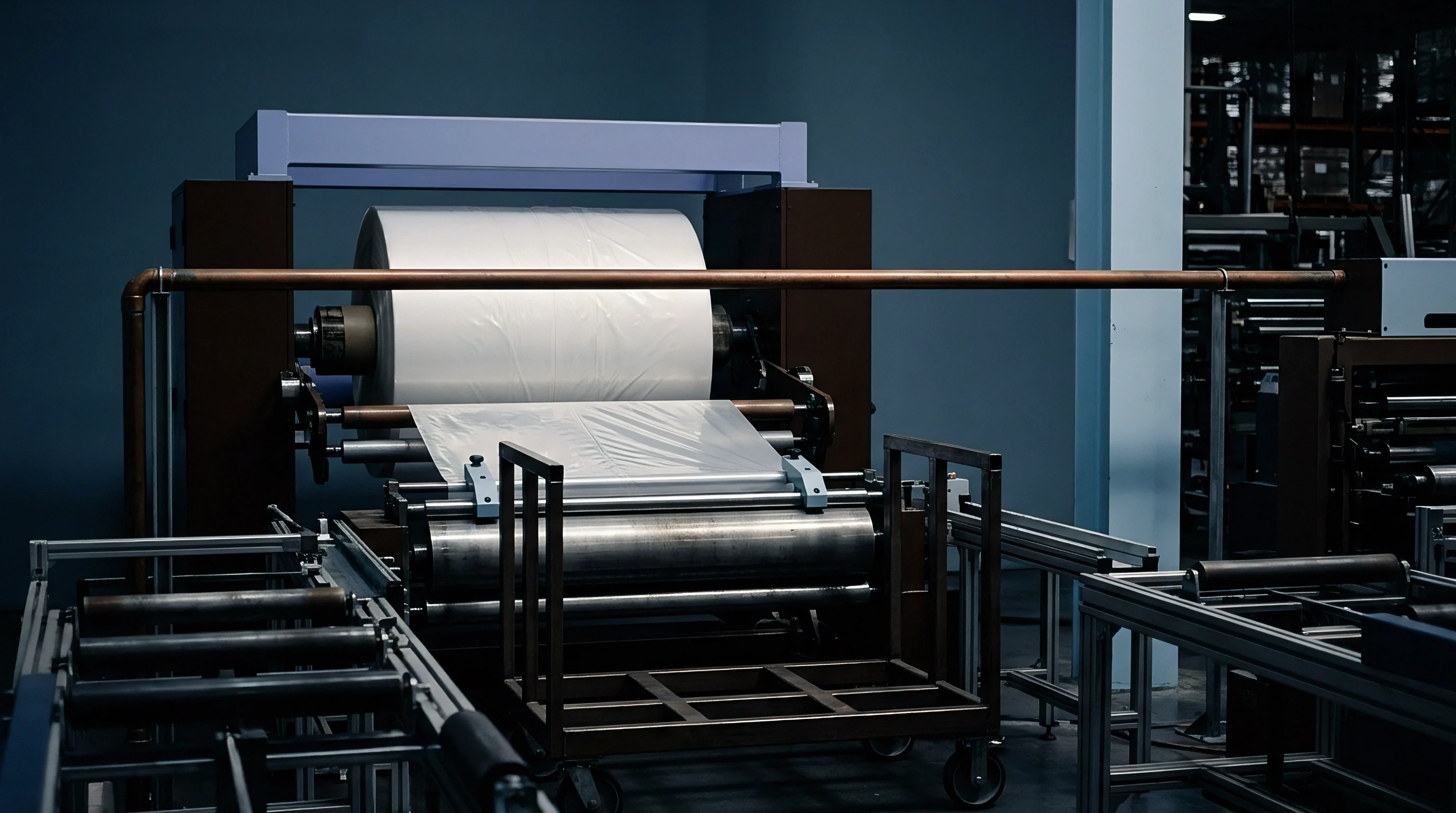
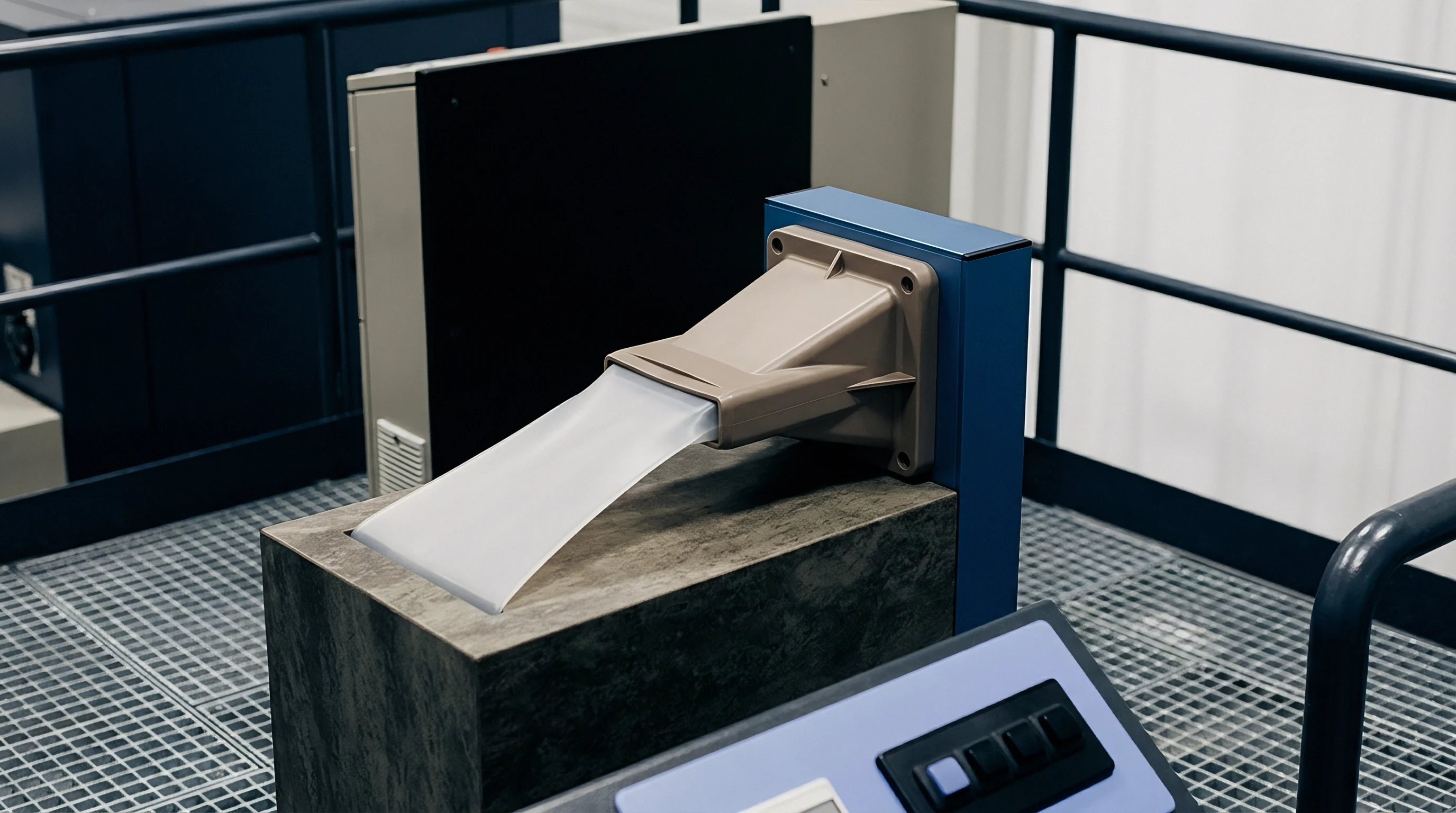
Film coextrusion design provides structural ways to control surface contamination. Loading slip and antiblock masterbatches only into outer non-sealing skin layers relies on controlled migration to lubricate surfaces. But if core layers contain low-density polyethylene with open amorphous networks, additives diffuse back through the core and accumulate in the seal layer during roll storage.
Building five-layer or seven-layer structures with high-density polyethylene or polyamorphous barrier sub-layers blocks this cross-layer migration, isolating the sealant face from excess additives in adjacent zones.
Seal
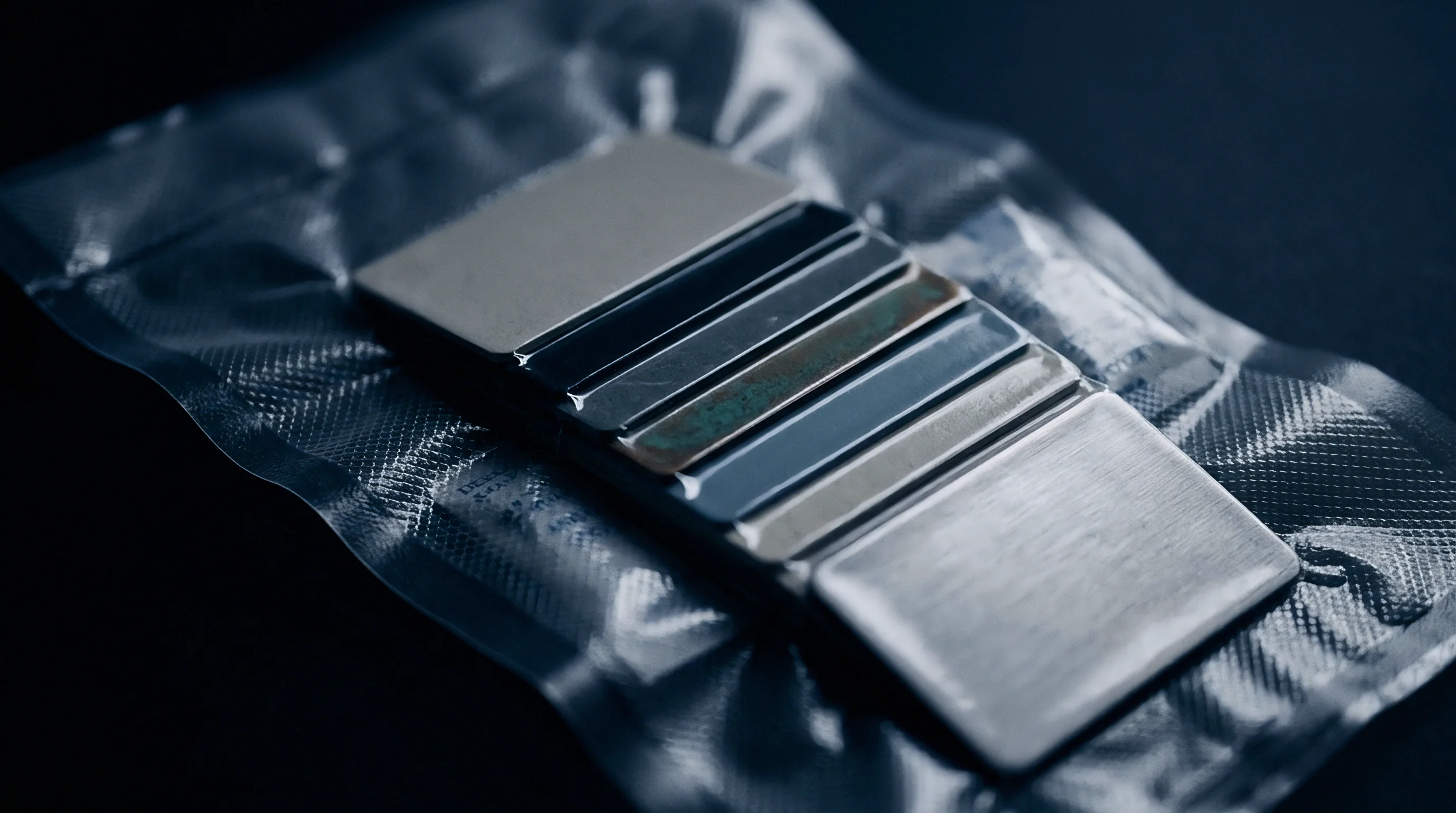
Evaluating seal integrity requires mechanical tensile testing on fused specimens. ASTM F88 serves as the baseline standard for short-term and aged seal strength, measuring peak force per unit width needed to pull a joint apart. When migrating slip amides contaminate the interface, force-extension curves on universal testing frames change noticeably.
Clean polyolefin seals yield plastically and show broad elongation plateaus before failing in tension. Contaminated seals exhibit brittle, erratic peel behavior with sharp force drops at low extension. A micro-crystalline erucamide layer at the bond line shifts failure from structural film tear to clean interfacial separation.
Standardized Testing and Failure Diagnostics
Standardized separation methods govern laboratory testing of fused joints. ASTM F1921 covers automated hot tack, measuring force retention milliseconds after heat jaw opening. Protocols require strict environmental control: twenty-three degrees Celsius and fifty percent relative humidity, with samples conditioned for at least twenty-four hours before sample prep.
Testing rolls at intervals post-extrusion maps hot tack decay against blooming rate. Data gathered at two hours reflects baseline polymer performance, while follow-up tests at twenty-four, ninety-six, and one hundred and sixty-eight hours track how rapidly hot tack strength degrades as surface additive mass builds up.
Incoming quality inspection verifies attenuated total reflectance peak heights against reference spectra. Surface energy measurements offer a fast screen for migration severity: dyne pens and contact angle goniometers catch drops in surface energy components caused by bloomed amides. Clean LLDPE film registers a deionized water contact angle of ninety-four to ninety-eight degrees.
As erucamide accumulates, polar head groups boost surface polarity, dropping the static water contact angle to seventy-eight to eighty-two degrees. Contact angle measurements and drop shape analysis spot these changes well before seal strength losses show up on packaging lines.
Polymer webs containing high secondary amide concentrations require extended heat seal dwell times to displace surface contamination before melt fusion occurs.
Spectroscopy identifies chemical species directly at failing seal interfaces. Attenuated Total Reflectance Fourier-Transform Infrared (ATR-FTIR) spectroscopy, using a diamond or zinc selenide crystal, probes infrared absorption in the top 0.5 to 2.0 micrometers of the surface. Primary amides show a distinct carbonyl stretch at 1640 cm⁻¹ (Amide I band) and an N-H bend at 1560 cm⁻¹ (Amide II band).
Normalizing the 1640 cm⁻¹ peak against the stable polyethylene C-H bend at 1463 cm⁻¹ produces a quantitative surface amide index. Values above 0.45 correlate with a thirty percent or greater loss in ASTM F88 peel strength.
| Aging Duration at 23°C (Hours) | ATR-FTIR Amide Index (1640/1463 cm⁻¹) | Water Contact Angle (Degrees) | ASTM F1921 Hot Tack Force at 120°C (N/15mm) | ASTM F88 Peel Strength at 130°C (N/15mm) | Observed Failure Mode |
|---|---|---|---|---|---|
| 2 (Immediate) | 0.08 | 96.2 | 2.85 | 38.5 | Film Tear / Ductile Failure |
| 24 | 0.22 | 88.5 | 2.40 | 36.2 | Film Elongation / Tear |
| 72 | 0.41 | 82.1 | 1.75 | 28.4 | Mixed Interfacial Peel |
| 168 (7 Days) | 0.58 | 79.4 | 1.10 | 21.0 | Clean Interfacial Separation |
| 336 (14 Days) | 0.62 | 78.8 | 0.95 | 18.5 | Brittle Boundary Delamination |
Microscopic inspection of fractured joints reveals inorganic antiblock distribution patterns. Scanning Electron Microscopy (SEM) with Energy-Dispersive X-ray Spectroscopy (EDS) maps elemental silicon across peeled seal faces. High silicon signals inside un-fused zones confirm that agglomerated antiblock particles prevented resin coalescence.
Elemental mapping separates failures caused by organic slip migration (strong carbon and nitrogen signals, low silicon) from those driven by inorganic antiblocks (strong silicon and oxygen signals), helping narrow the root cause during troubleshooting.
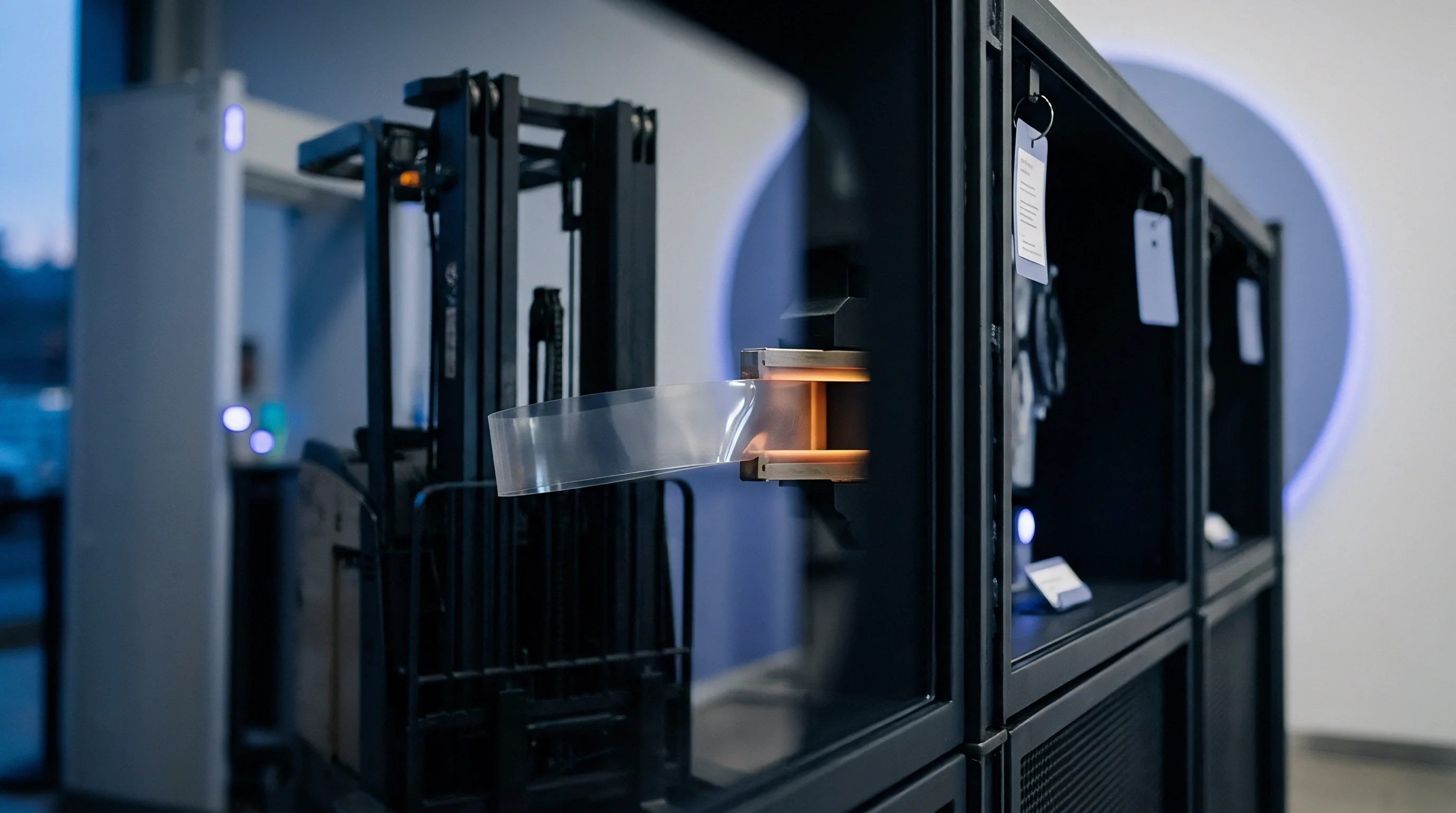
Accelerated aging protocols mimic extended storage in the supply chain. Holding sealed samples at forty degrees Celsius and seventy-five percent relative humidity for fourteen days drives mobile additives to near-maximum surface equilibrium. Re-testing seal strength and hot tack after exposure shows whether a film formulation will endure warehouse storage intact.
Formulations retaining an ASTM F88 strength above twenty-five Newtons per fifteen millimeters after thermal aging pass converter standards. Writing twenty-one-day post-aging ASTM F88 minimums into supply contracts shifts financial liability for contamination back to the film extruder.

Allowance
Converter purchasing specifications set explicit additive limits, masterbatch tolerances, and non-migrating alternatives. Procurement teams specifying polyolefins for demanding flexible packaging cannot rely on standard supplier data sheets, which usually report single COF values measured twenty-four hours after extrusion under lab conditions. That snapshot hides the temperature-sensitive migration of primary amides.
Procurement specs should enforce tight dosing limits, capping masterbatch let-down within plus or minus fifty parts per million of target. Concentration drift across an extrusion shift translates directly to inconsistent seal performance on downstream packaging equipment.
Resin Dosing Strategy and Masterbatch Control
Preventing package failures starts with precise let-down control at the extruder hopper. Metering masterbatch directly at the film line gives operators flexibility to adjust additive ratios on the fly. Fully compounded resins undergo multiple heat cycles during compounding and film extrusion, accumulating oxidative degradation and free radicals that interact unpredictably with amides.
Dosing concentrated masterbatch directly into virgin polymer pellets limits thermal history. Gravimetric feeders with continuous loss-in-weight feedback hold dosing within 0.1 percent, eliminating concentration spikes that lead to heavy localized blooming and seal decay.
Advanced formulations replace migrating primary amides with alternative slip chemistries. Secondary amides like stearyl erucamide and erucyl erucamide have higher molecular weights, between 590 and 648 grams per mole. These larger molecules possess lower diffusion rates and higher matrix solubility than erucamide, so they migrate gradually, providing steady friction control without creating thick crystalline layers that ruin hot tack.
Ultra-high molecular weight polyorganosiloxanes (silicone polymers) deliver non-migrating slip. Silicone chains entangle within the polyolefin matrix, remaining locked in place through the thickness of the film while presenting surface siloxane groups that lower friction.
- High Molecular Weight Polyorganosiloxanes Siloxane networks anchored within the polymer matrix reduce COF permanently without affecting heat seal initiation or lamination bond strength.
- Secondary Amide Derivatives Stearyl erucamide and erucyl erucamide offer slow, controlled migration due to their higher molecular weight, preserving hot tack over longer storage periods.
- Cross-linked PMMA Spheres Spherical PMMA micro-beads provide uniform antiblock spacing with better clarity and less equipment wear than natural silica.
- Functionalized Metallocene Copolymers Low-density metallocene resins tuned for higher amorphous volume fractions increase chain mobility, cutting required slip additive loading by twenty-five percent.
Financial risk goes far beyond scrap resin costs. If a line produces two hundred thousand defective barrier pouches from erucamide-contaminated film, losses encompass laminating adhesive, aluminum foil, inks, line downtime, and waste disposal. Raw resin accounts for less than twenty-five percent of a finished pouch laminate’s value.
Purchasing contracts should tie additive compliance to the value of the fully converted web, establishing clear resin supplier liability when unannounced masterbatch changes cause seal failures.
Yield loss models need to include the expense of incoming quality audits. Converter QA programs rely on routine FTIR screening and contact angle checks on incoming roll lots before releasing material to printing or lamination. Installing automated ATR-FTIR test stations adds equipment depreciation and labor overhead, but catching off-spec film at receiving costs a fraction of discovering seal failures on a customer’s packaging line.
Spotting additive drift on raw rolls saves thousands of dollars per shift.
Balancing additive selection against total packaging cost involves clear economic trade-offs. Non-migrating silicone slip additives cost three to five times more per kilogram than standard erucamide masterbatches based on active ingredient content. But because silicone does not migrate into the seal interface or degrade surface energy over time, converters can cut scrap on high-speed form-fill-seal lines from three percent to under 0.2 percent.
Savings from avoided scrap, fewer warranty claims, and faster line speeds easily offset the higher raw material price. Engineers continue to debate whether hyper-branched polymeric slip additives can completely replace fatty amides in complex barrier films without slowing converting operations.