Meaning
Premature brittle failure in a plastic part results from the combined action of internal or external tensile stress and contact with a specific chemical agent. Stress-induced degradation occurs when a polymer is exposed to a surface-active medium that accelerates the formation of cracks. Environmental stress cracking is one of the most common causes of field failure in thermoplastic components.
It does not involve a chemical reaction that breaks the molecular chains but rather a physical process that reduces the energy required for crazing. The boundary of the condition is the critical stress level below which the agent has no effect. This phenomenon governs the material selection for fuel tanks, medical devices and household containers.
It is distinct from chemical attack where the resin is dissolved.
Chemical Interaction
Molecules of the cracking agent penetrate the surface of the plastic and increase the mobility of the polymer chains. Environmental stress cracking typically involves fluids such as detergents, oils, lubricants or solvents. These substances act as lubricants at the molecular level, making it easier for the chains to pull apart under tension.
The agent does not need to be a strong solvent to cause damage. Even a small amount of a specific surfactant can trigger the failure of a highly stressed part. Polyethylene and polycarbonate are particularly susceptible to this type of failure.
Designers must test the compatibility of the resin with every fluid it might encounter during its service life.
Failure Mechanism
Failure usually begins at a point of high stress concentration and propagates slowly through the material. Environmental stress cracking starts with the formation of tiny voids or crazes. These crazes are held together by fibrils of polymer that eventually snap as the stress continues.
The result is a clean, brittle break that shows very little deformation or necking. This makes the failure difficult to predict because the part may appear perfectly fine until it suddenly snaps. Internal stresses from the moulding process, such as those caused by high packing pressure or rapid cooling, often contribute to the problem.
Reducing the gate size or changing the cooling rate can help to minimize these residual stresses. The fracture surface often shows a smooth initiation zone followed by a more rugged growth area. Microscopic examination can reveal the presence of the agent within the crack tips.
Material Resistance
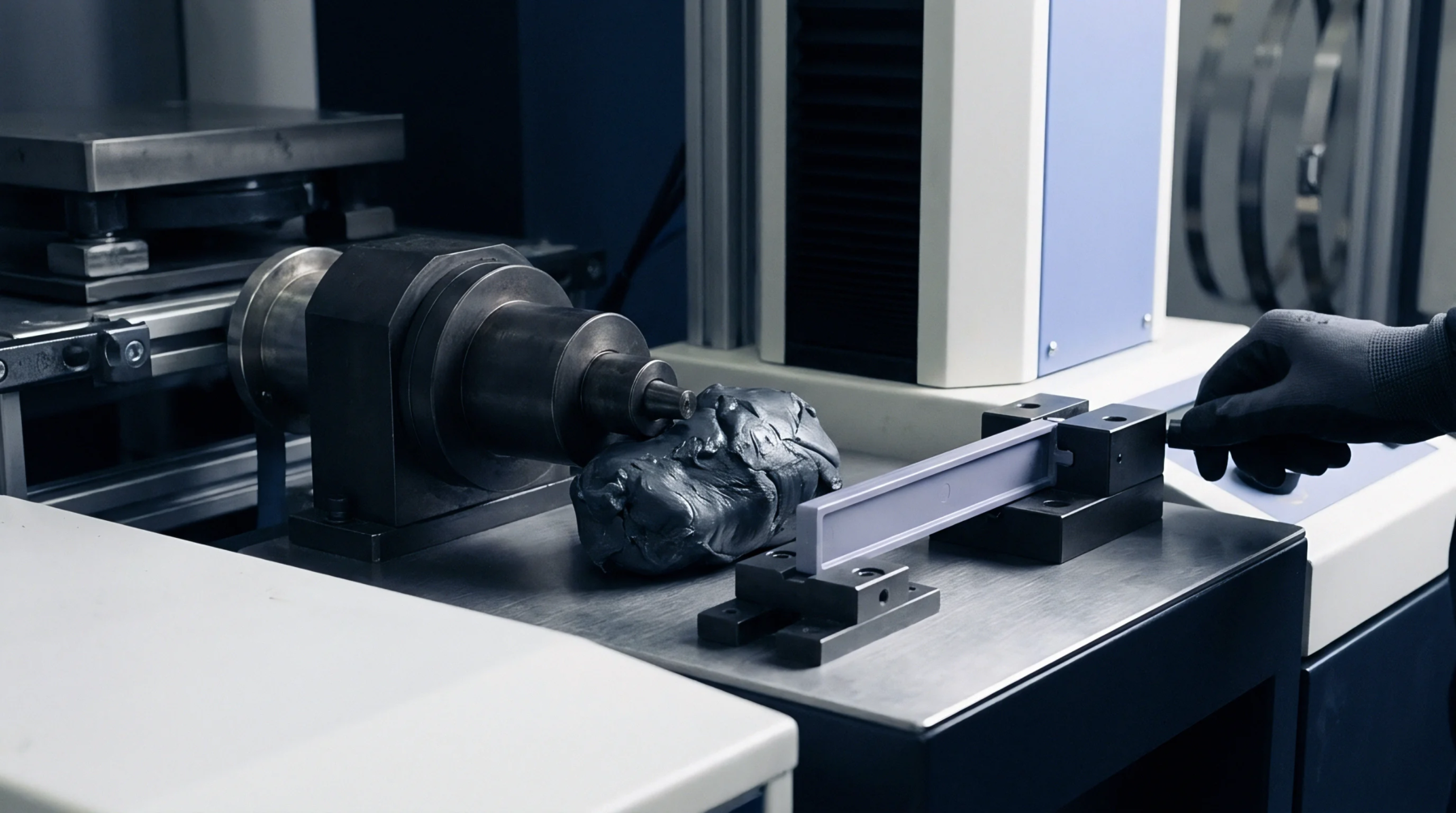
Resins are rated for their ability to withstand this phenomenon using standardized tests like the bent strip or the constant tensile load test. Environmental stress cracking resistance is often a function of the molecular weight and the crystallinity of the polymer. Higher molecular weight resins generally perform better because they have more tie molecules that hold the crystal structures together.
Virgin materials usually offer better resistance than regrind because the chains are longer and more resilient. Adding impact modifiers can also improve the performance of some grades. Engineers use these test results to set the safety margins for the part design.
The choice of the correct material ensures a long and reliable product life.