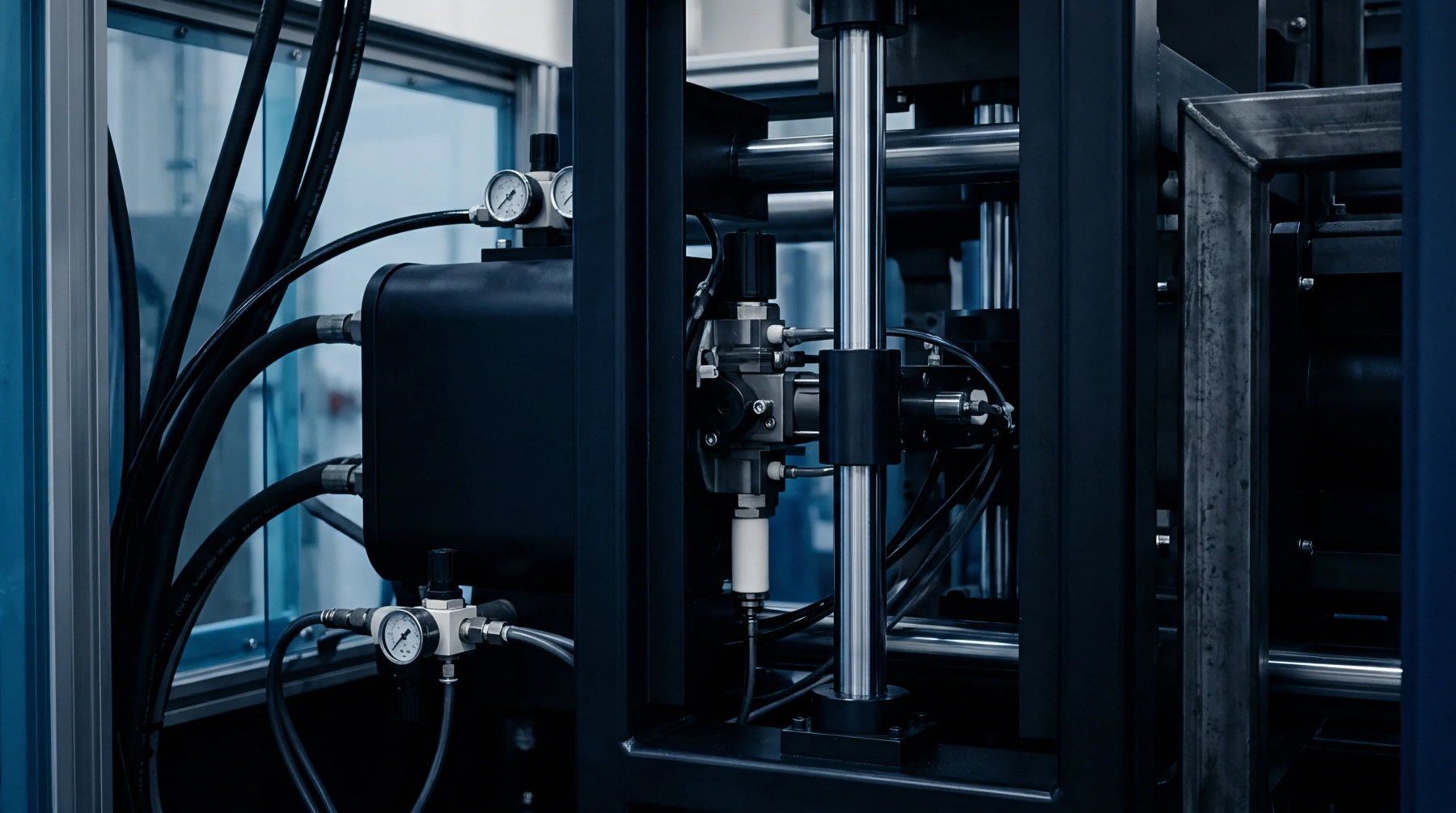
Managing Dynamic Core Deflection under High Cavity Packing Pressure Gradients
Core deflection control requires symmetric melt arrival, high-modulus tool inserts, precision taper locking, and real-time cavity pressure monitoring.
Core deflection control requires symmetric melt arrival, high-modulus tool inserts, precision taper locking, and real-time cavity pressure monitoring.
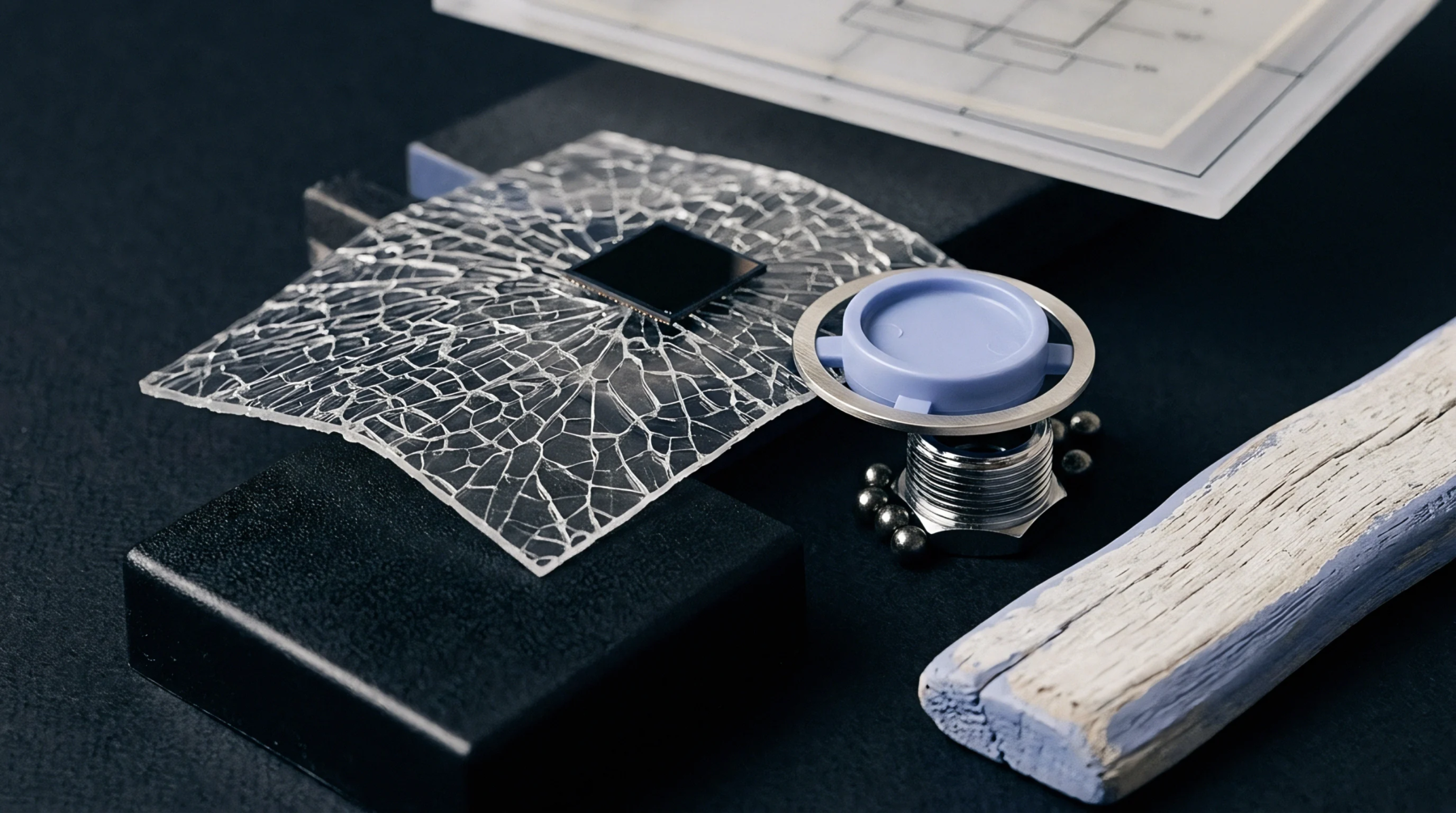
Tolerance grade allocations require matching polymer shrink variance and parting line mechanics to DIN 16742 standard capability limits early.
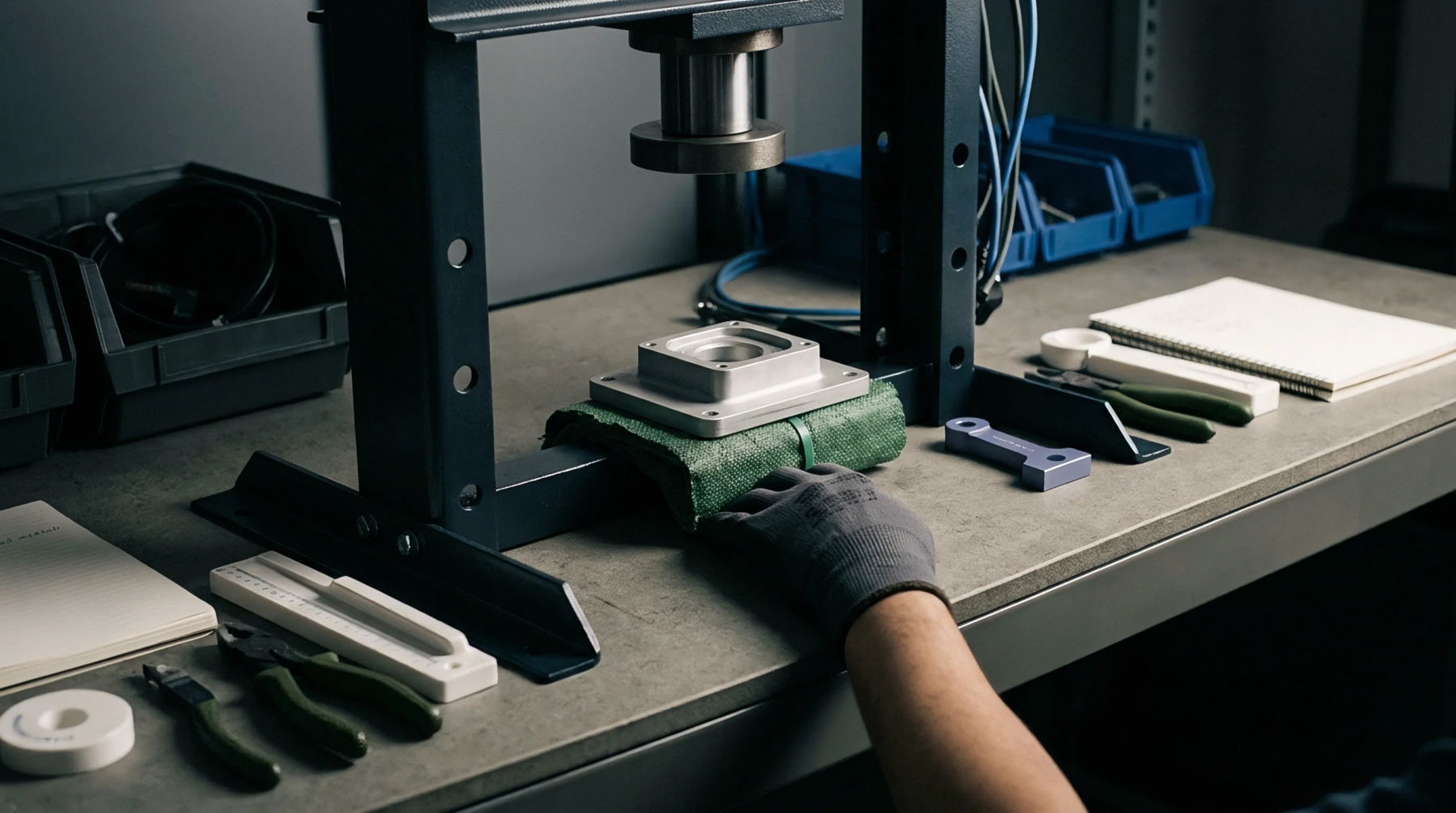
Predicting parting line wear and deflection requires balancing support pillar layouts, steel hardness, and thermal expansion gaps against resin flash limits.
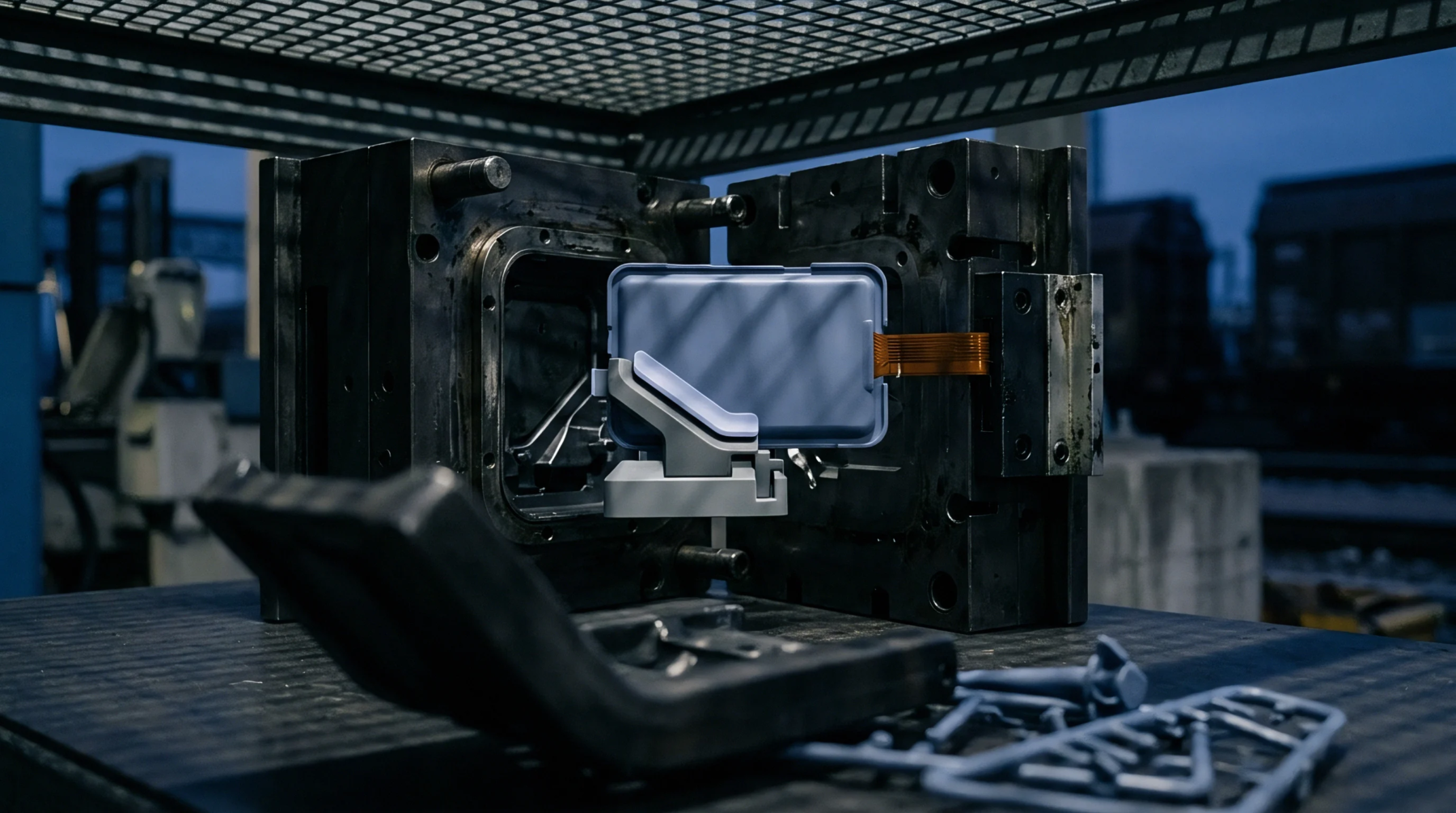
Inter-cavity thermal drift in high-cavitation steel tooling shifts part dimensions; turbulent coolant flow and conductive inserts eliminate temperature spreads.

Calculate multi-cavity dimension drift by subtracting thermal steel plate expansion profiles from localized polymer shrinkage values across operating temperature zones.
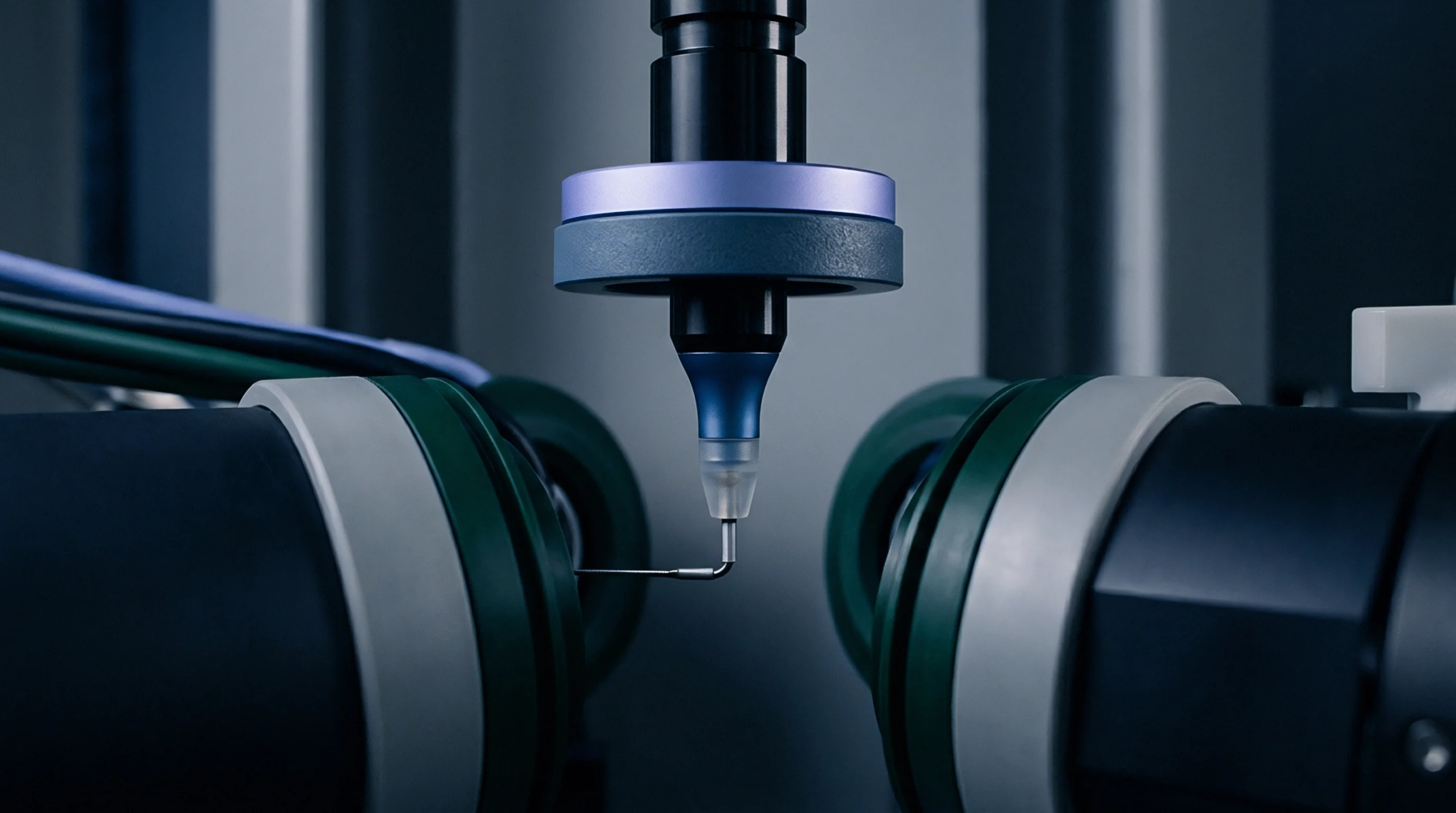
Sub-micron micro molding tooling requires preloaded rolling alignment, rigid pocket seating, and tight thermal regulation to hold sub-five-micrometer part tolerances.
Dynamic cavity pressure curve integration over hold time governs volumetric polymer density and predicts final part dimensions before tool ejection occurs.

Real-time mold cavity pressure telemetry triggers automated mechanical part rejection, ensuring sub-gram defective melt profiles never enter production inventory.

Pricing secondary tooling during initial contract negotiation locks steel costs and machining rates before primary tool wear destroys commercial leverage.
Expertise is a utility, not a secret. sentiention™ publishes its working knowledge as open reference: intelligence layer covering the materials it sources, the markets it enters, and the reference that serves both.