Meaning
Standardized finish grades define the level of surface roughness on tool steel through a numbered scale used by spark erosion machines. Utilizing a vdi 3400 texture allows part designers to specify exact visual finishes ranging from nearly polished to heavy pebble grains. This protocol governs the communication between the customer who wants a certain look and the toolmaker who must prepare the cavity.
It indicates the approximate depth of the craters left by the edm process and provides a clear match for aesthetic validation. Each step in the scale roughly doubles the roughness value, giving a reliable way to scale up the texture. Moulders use these codes to ensure consistency between parts built in different locations or by different vendors.
Visual Consistency
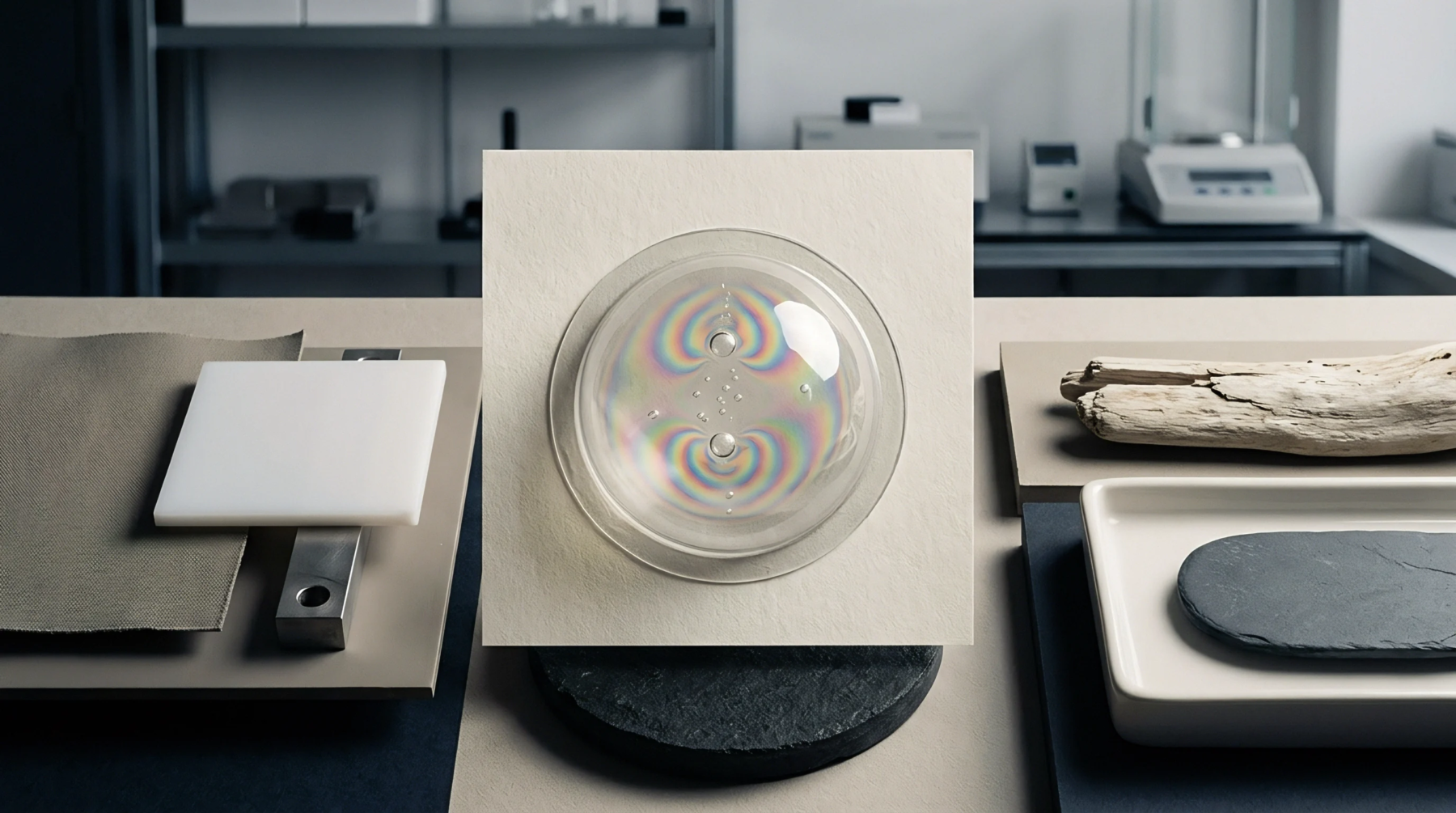
Aesthetic repeats across a range of different items in a product family require a common language for surface finishing. The vdi 3400 texture scale provides the exact numerical reference needed for these tasks. Without this grid, terms like matte or rough are too subjective for high level quality control.
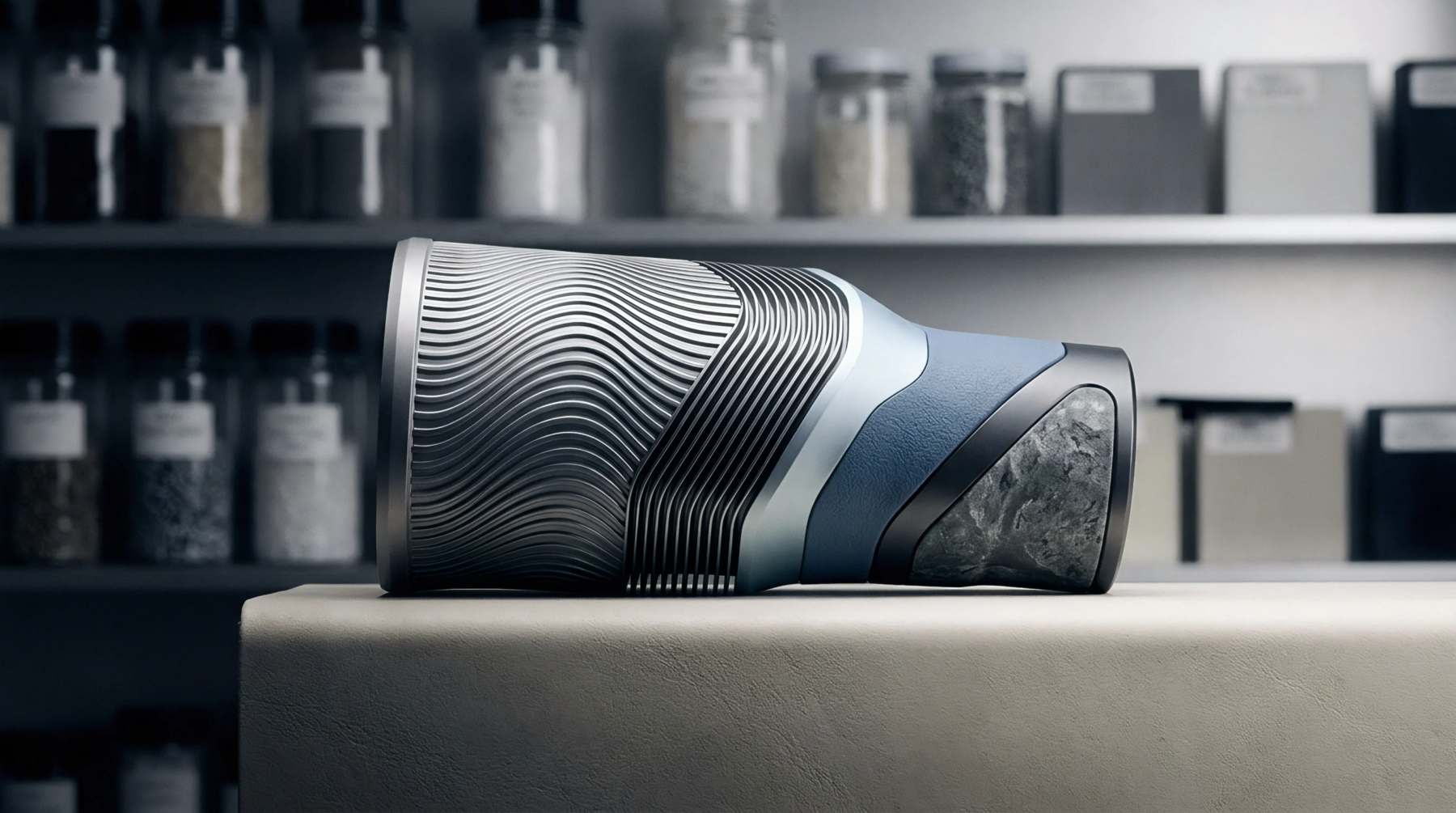
Designers select a specific vdi level to hide fingerprints, prevent glare or improve the grip of a handle. The target code remains fixed throughout the lifecycle of the product, from the pilot tool to the mass production cavity. Matching the samples from the machine manual ensures the end result is precisely as envisioned during the design phase.
This standardization removes the risk of shipping parts that look different to the approved gold standard.
Mould Release
Drag marks occur when the texture is deep and the draft angle is too small for the specific surface roughness. The vdi 3400 texture defines how much micro mechanical interlocking will happen between the plastic and the steel. Higher numbers designate rougher surfaces that require significantly more taper on the vertical walls to allow for clean ejection.
If a moulder chooses a deep grain without checking the tool geometry, the parts will stick and eventually crack during the push sequence. Experts review the proposed texture codes to verify that the ejection system can handle the increased friction. Coating the steel can help, but the fundamental limit is the interaction between the polymer and the etched scale.
Proper planning prevents expensive tool modifications after the first trial runs.
Finish Matching
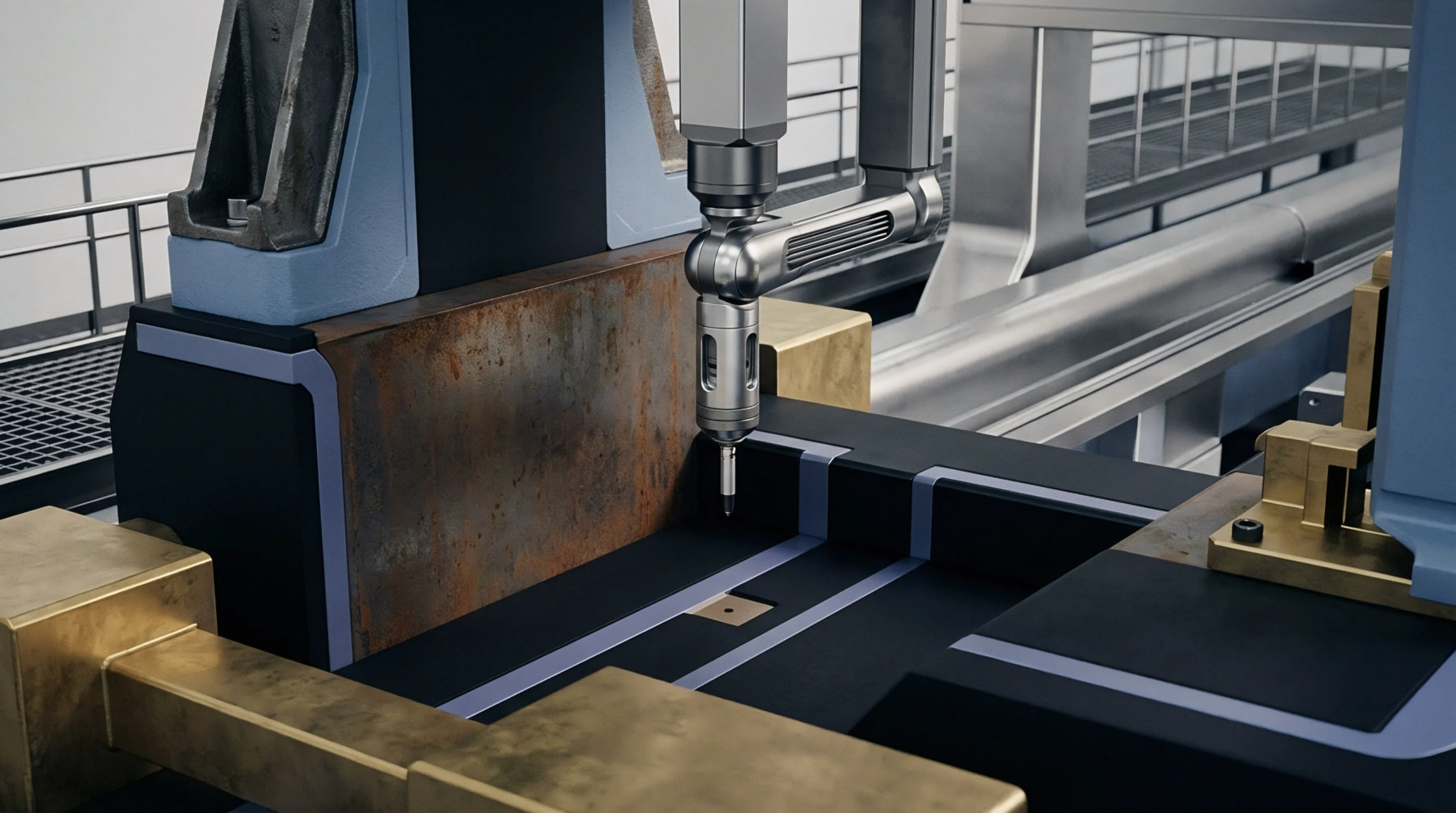
Repair work on damaged tool surfaces depends on matching the existing grain without creating a visible witness mark. The vdi 3400 texture allows the maintenance technician to set the edm machine to the same parameters used during the original build. Because the spark settings generate the specific finish depth, following the code provides a near perfect overlap with the surrounding area.
This consistency is vital for maintaining high end finishes on large automotive dashboards or console panels. Software in modern edm units includes these predefined scales to make the job of the operator more precise. By using these standard references, factories reduce the time spent on manual blending of steel imperfections.
Successful finishing requires this disciplined approach to every repair event.