
ISO 25178 Volumetric Parameters for Tool Steel Wear Assessment
ISO 25178 volumetric parameters quantify tool steel loss by tracking core volume decay and valley expansion to trigger steel maintenance before parts flash.
ISO 25178 volumetric parameters quantify tool steel loss by tracking core volume decay and valley expansion to trigger steel maintenance before parts flash.
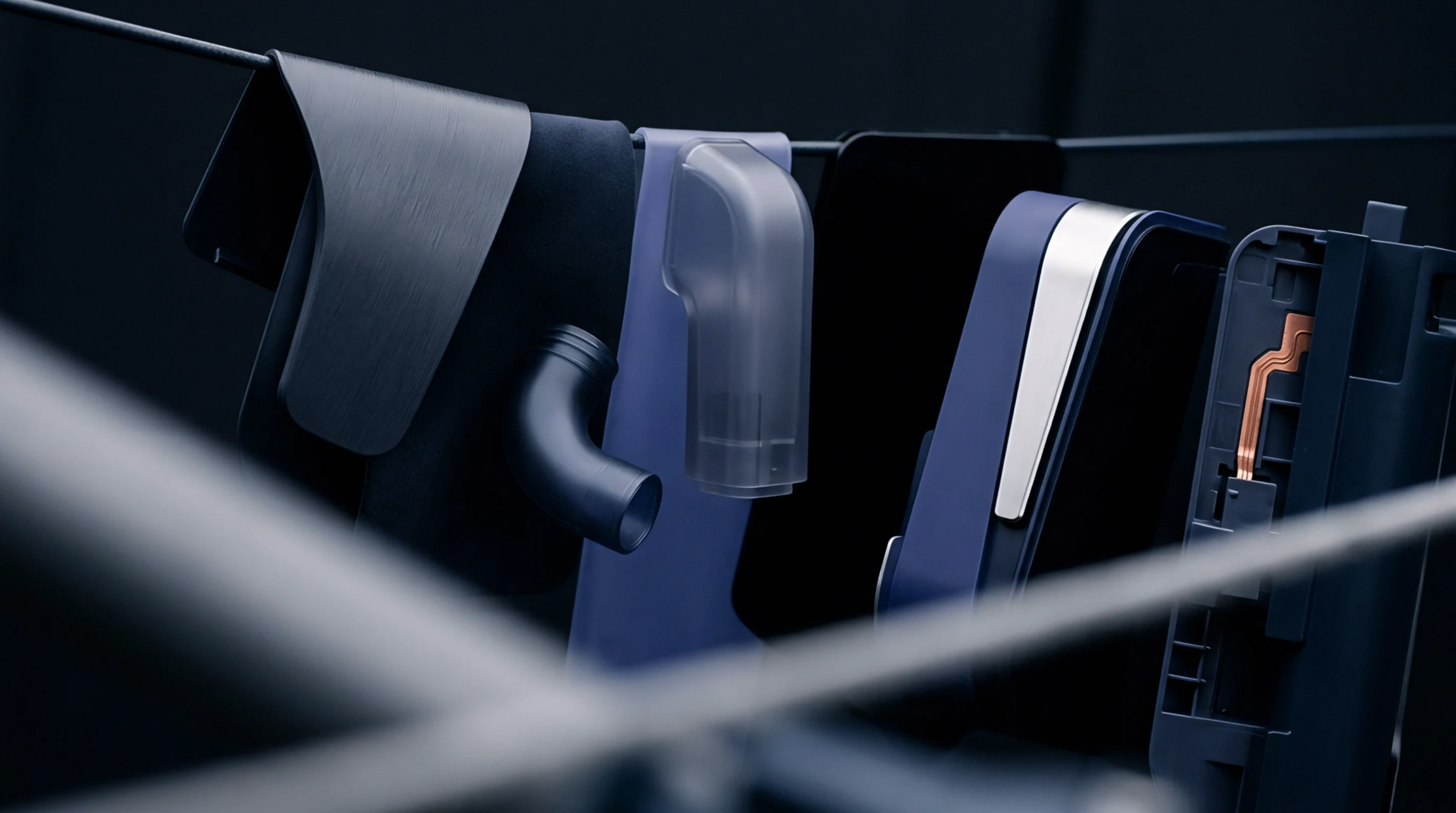
Micro-gap thermal resistance escalates ten-fold upon gate freeze, requiring pressure-coupled models to prevent severe cycle-time and dimensional under-prediction.

Subordinating plant-level secured credit requires physical engraving, dual perfection across both jurisdictions, and explicit non-accession waivers.

Cross-border tooling retention requires registered bailment deeds, permanent plate engraving, and immediate emergency replevin filings before liens attach.

Mitigate volatile part demand by selecting lower cavitation modular tools across standard press tonnages to avoid idle capital and startup scrap penalties.

Coupled thermo-mechanical plate deformation dictates parting breathing and cavity flash, requiring pre-loaded support columns and strict deflection limits.
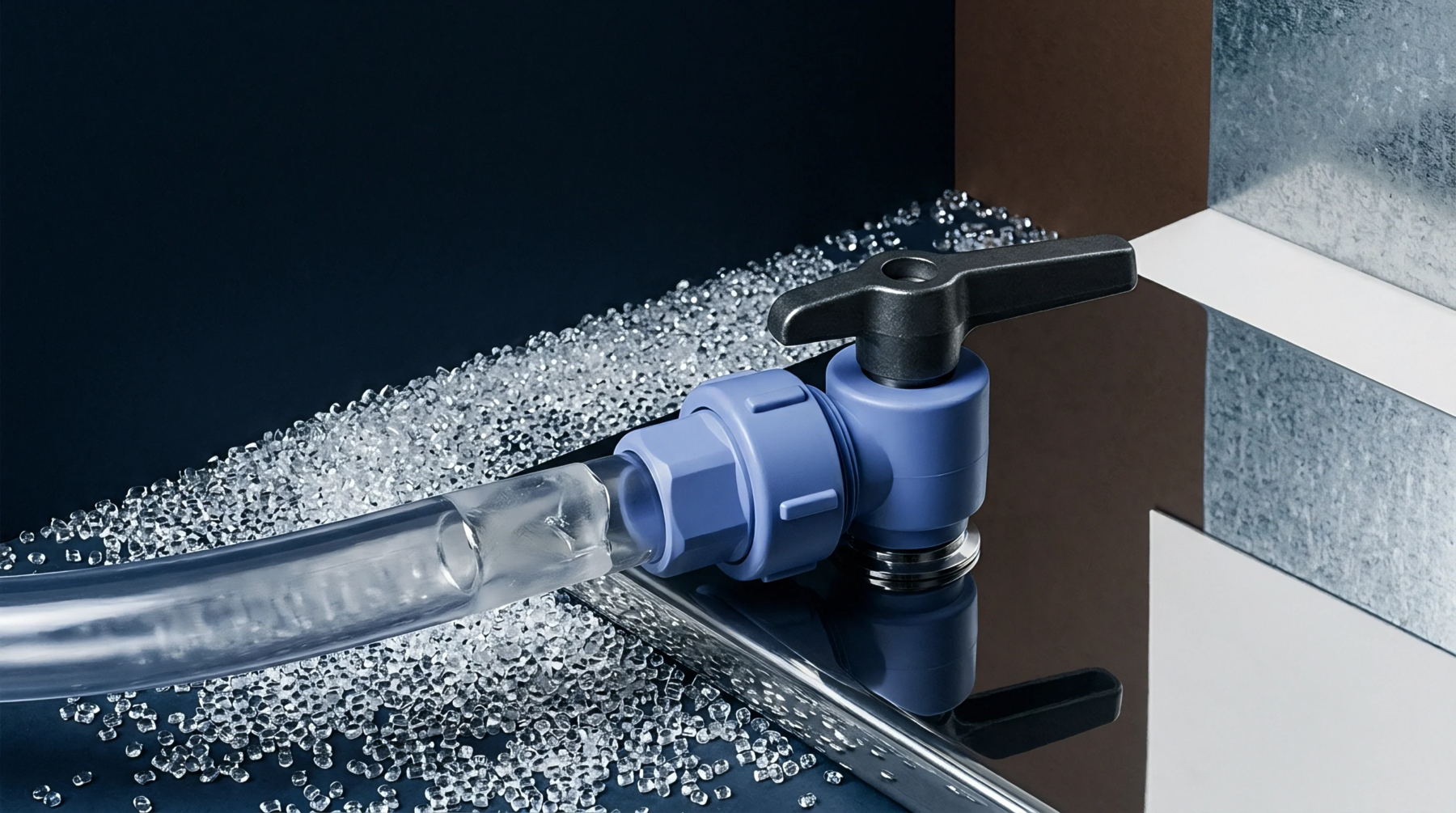
Dynamic micro-gap formation drops interfacial heat transfer from 2800 to 240 W/(m²·K), adding unbudgeted cycle seconds unless checked by cavity pressure control.

High-energy synchrotron diffraction maps subsurface residual tensile stress migration to prevent premature cavity fatigue failure in high-temperature production tooling.
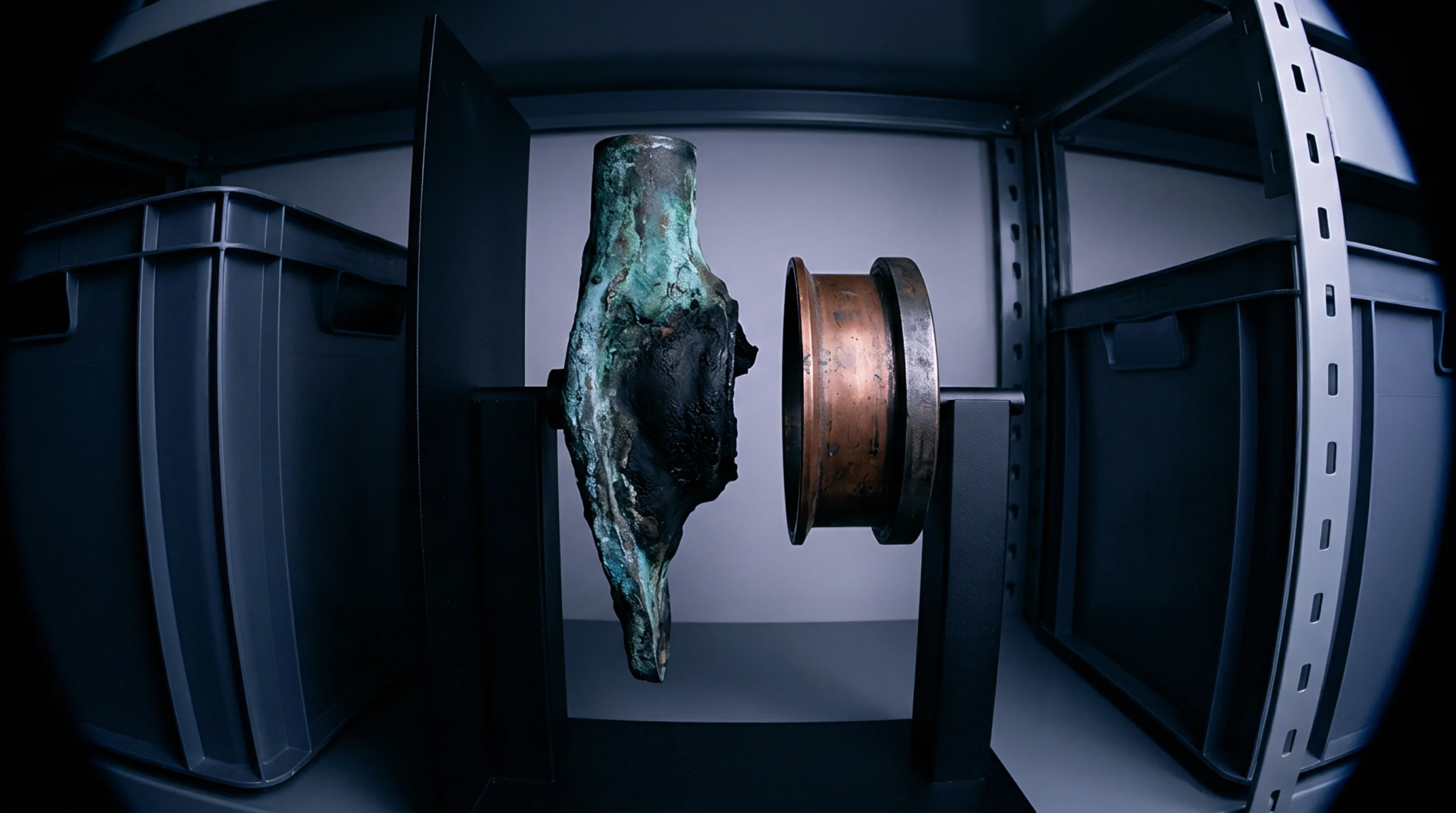
Post-weld heat treatment at 550°C for two hours per inch relieves 85% of peak residual stresses, preventing mandrel cracking and parting line flash.

Slide running clearance must absorb net thermal growth between carrier and bolster steel, calculated via length, expansion coefficients, and operating delta.

Perfection of cross-border offsite tooling requires local statutory registry filings, bilingual plates, bailment contracts, and customs documentation.

Volumetric areal parameters predict gate wear before profile roughness detects steel loss, preventing tool failure in glass-filled polymer injection molding.
Pricing secondary tooling during initial contract negotiation locks steel costs and machining rates before primary tool wear destroys commercial leverage.
Expertise is a utility, not a secret. sentiention™ publishes its working knowledge as open reference: intelligence layer covering the materials it sources, the markets it enters, and the reference that serves both.