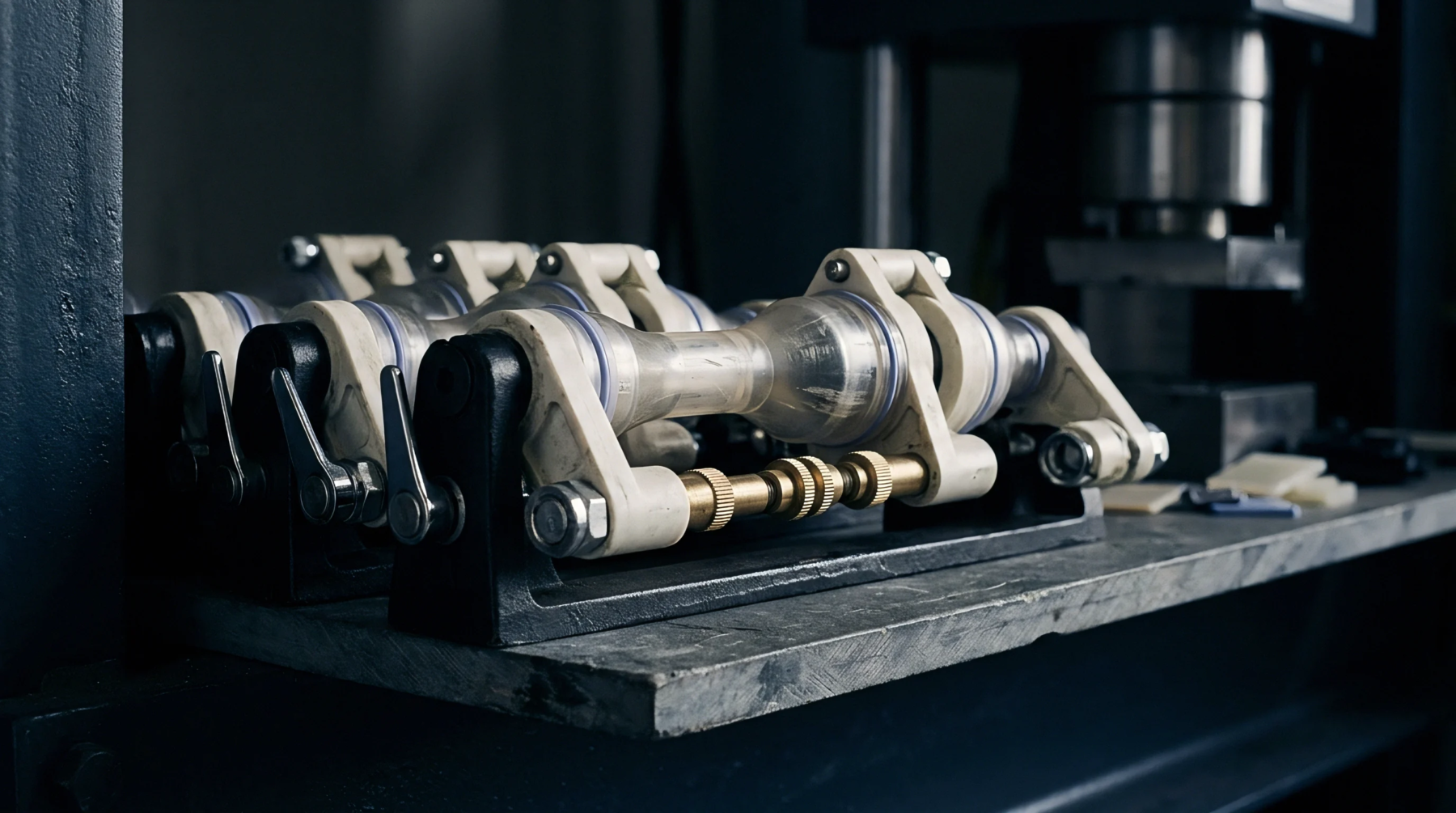
Micro Injection Molding Alignment Systems and Tooling Tolerances
Sub-micron micro-molding requires center-line interlocks, powder-metallurgy steel, and rigid thermal control to eliminate parting line shift and flash.
Sub-micron micro-molding requires center-line interlocks, powder-metallurgy steel, and rigid thermal control to eliminate parting line shift and flash.

Real-time viscosity adaptive control adjusts injection velocity profiles shot-by-shot using in-cavity pressure feedback to eliminate scrap across high cavitation micro tools.
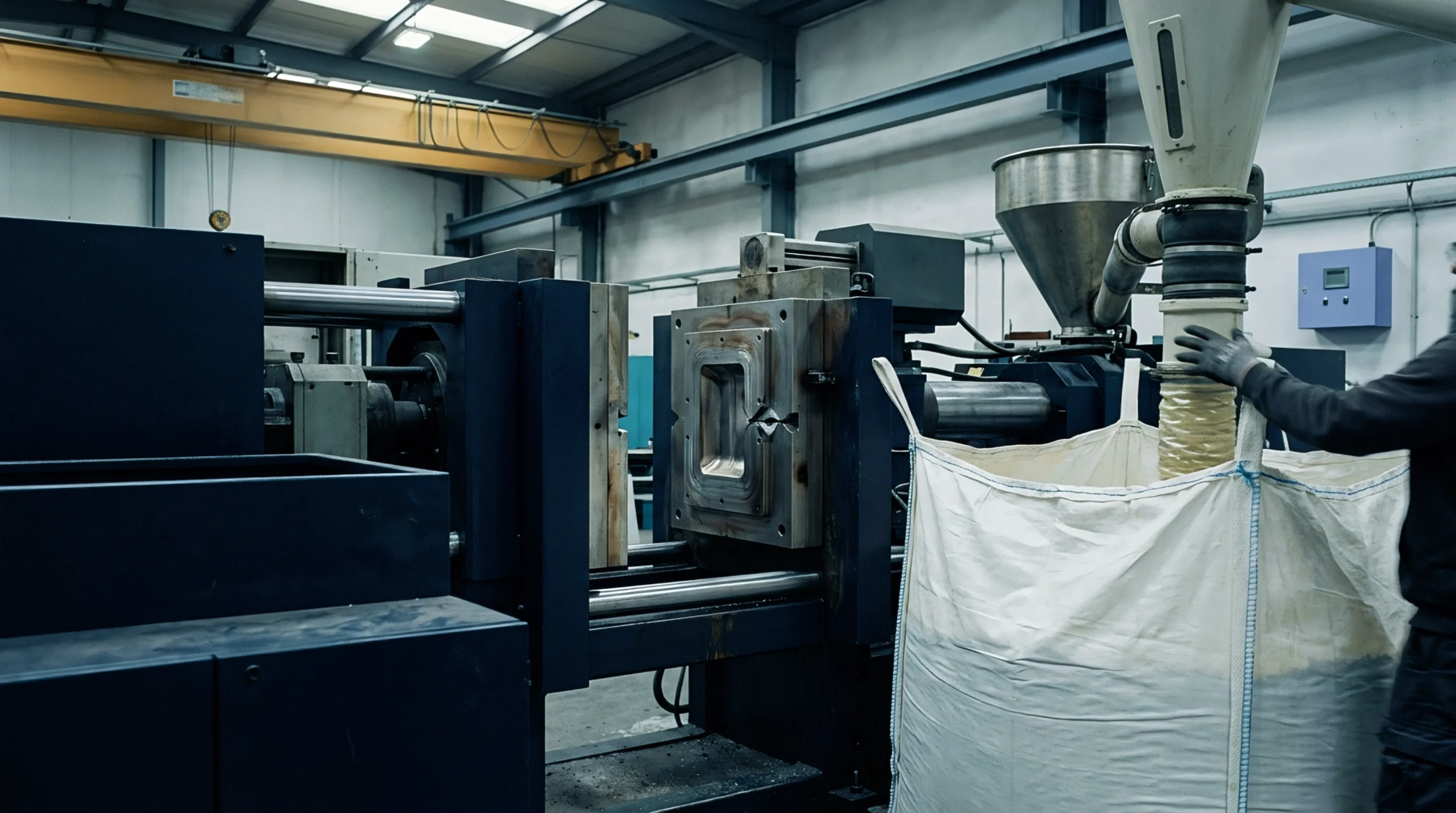
Inline viscosity monitoring uses nozzle pressure and injection velocity to dynamically calculate melt resistance and stabilize shot-to-shot quality.

Addressing high order Ogden instability requires multi-axial testing and polyconvexity constraints during parameter fitting to prevent solver divergence.

Coupled thermo-mechanical plate deformation dictates parting breathing and cavity flash, requiring pre-loaded support columns and strict deflection limits.
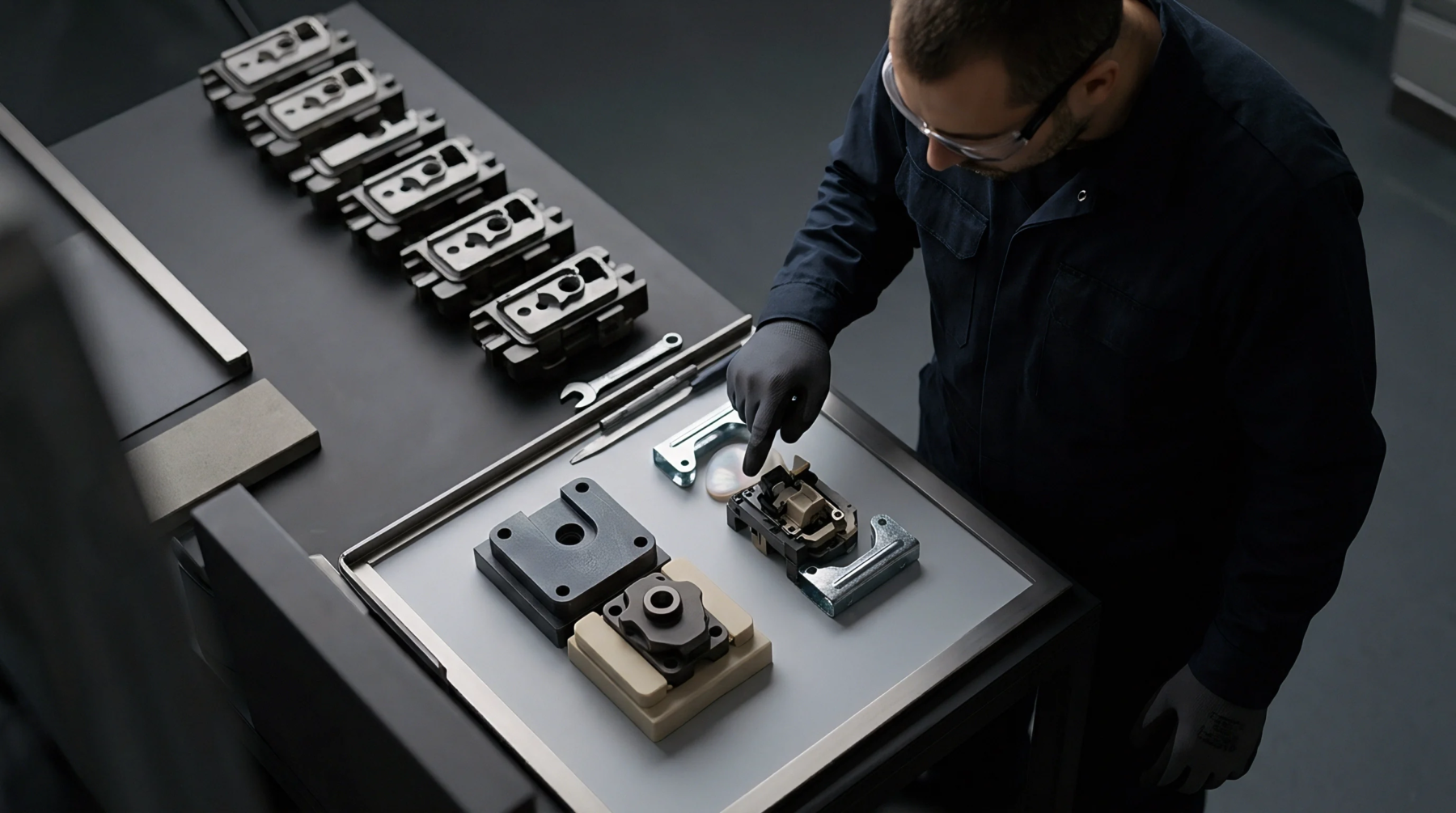
Predicting warpage in semicrystalline inserts requires coupling transient thermal FEA with crystallization kinetics to balance core-cavity heat flux.
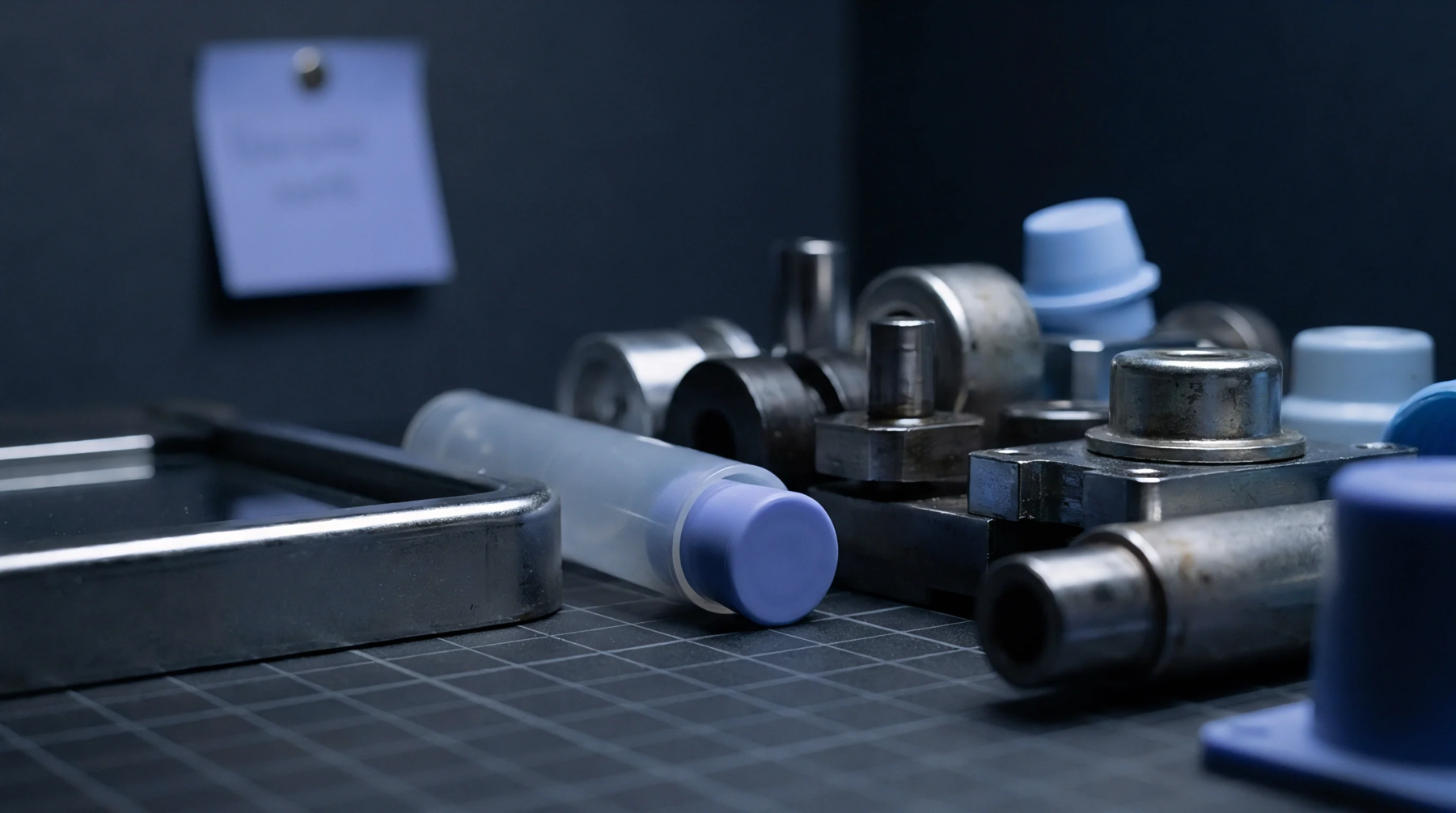
Determining mold core thermal expansion gradients requires measuring temperature deltas from melt face to cooling lines to offset axial steel growth.
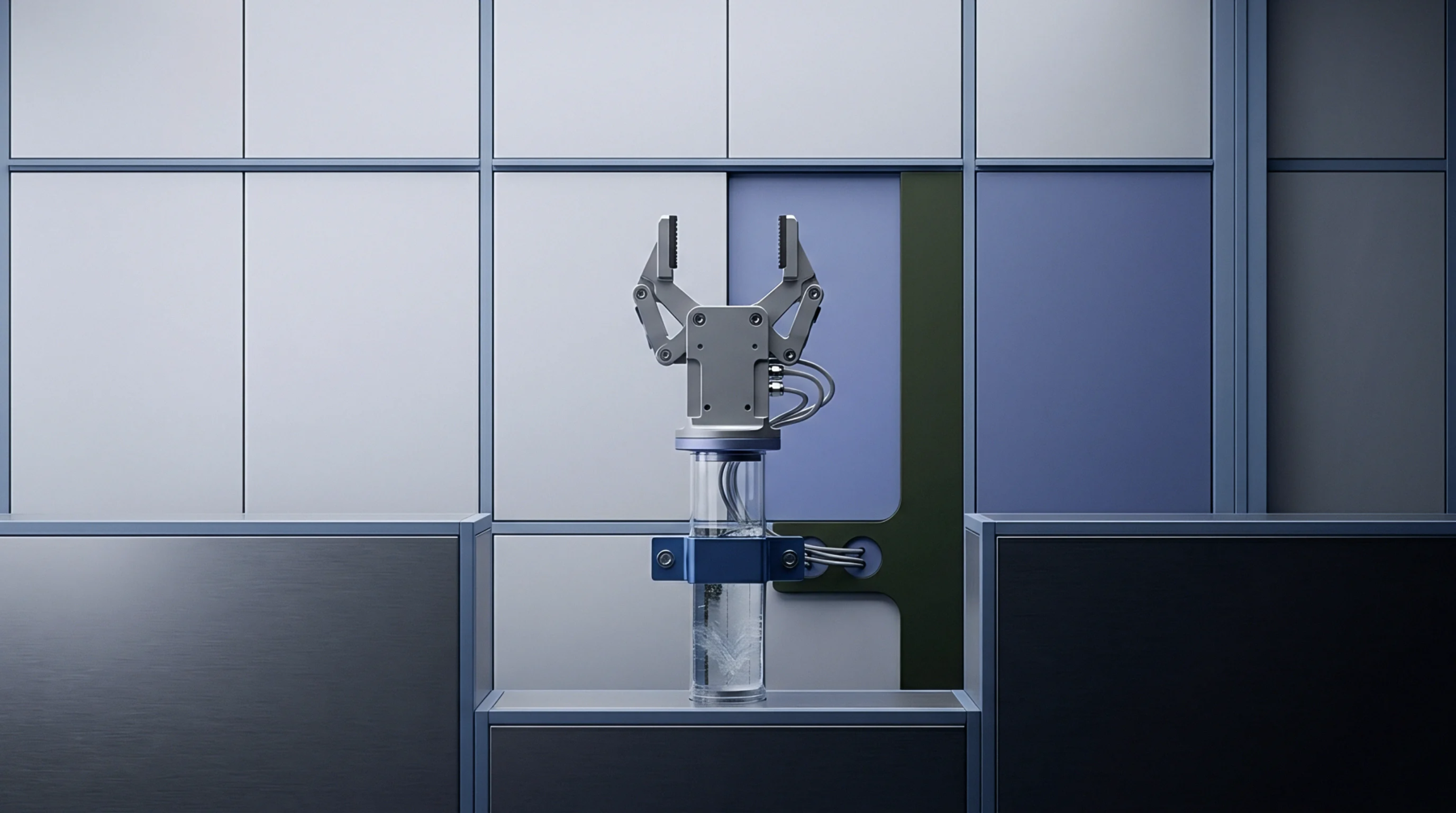
Sub-millimetre telemetry cavity accuracy requires compensating for steel expansion and polymer dielectric drift via real-time press-side calibration.
Decoupled molding isolates fill velocity from hold pressure to neutralize resin viscosity variations and hold precision tolerances across volume runs.
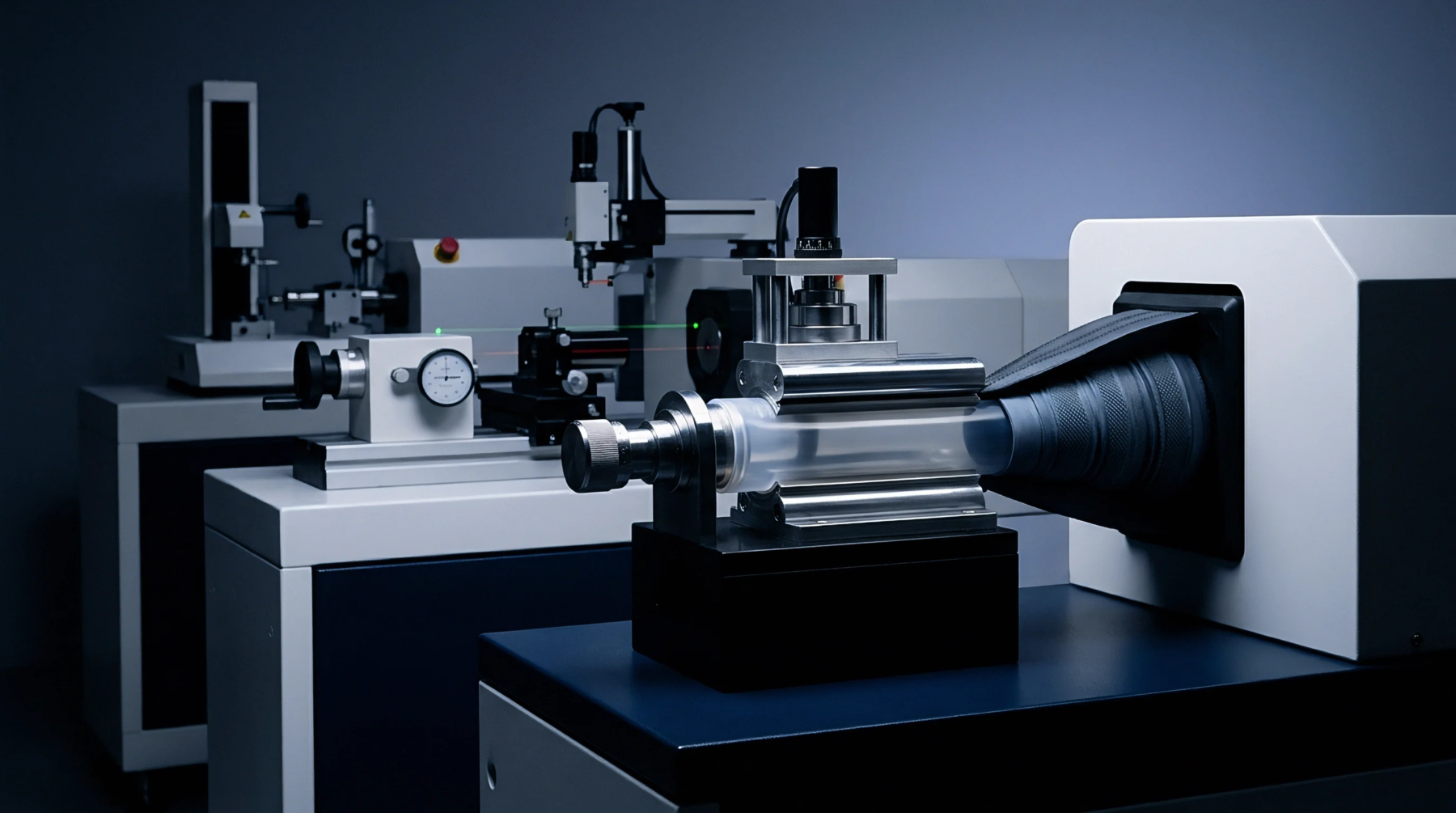
Controlled steel modifications require process window locking, metal-safe geometry audits, and metallurgical stress relief before qualified production release.
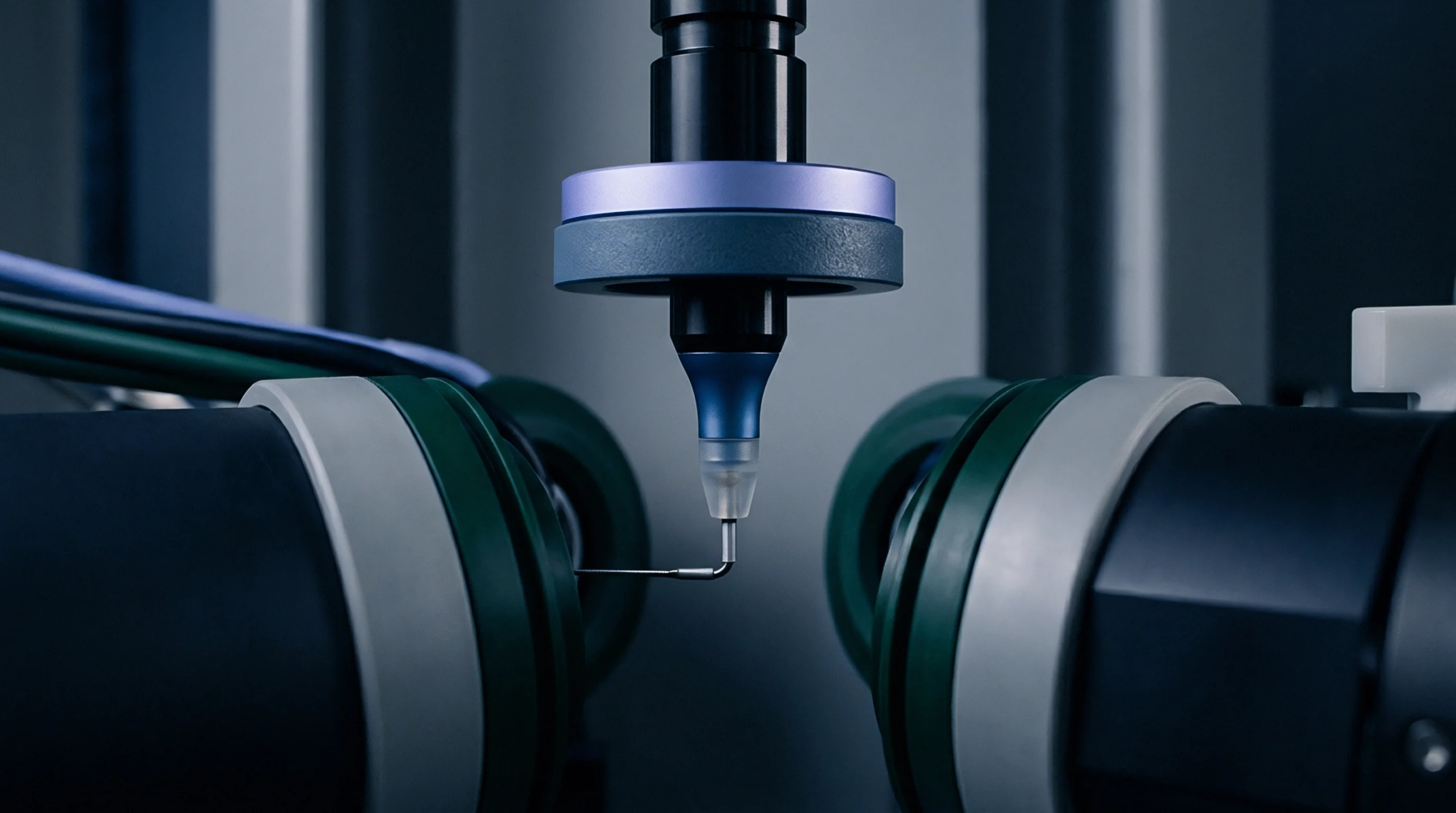
Sub-micron micro molding tooling requires preloaded rolling alignment, rigid pocket seating, and tight thermal regulation to hold sub-five-micrometer part tolerances.
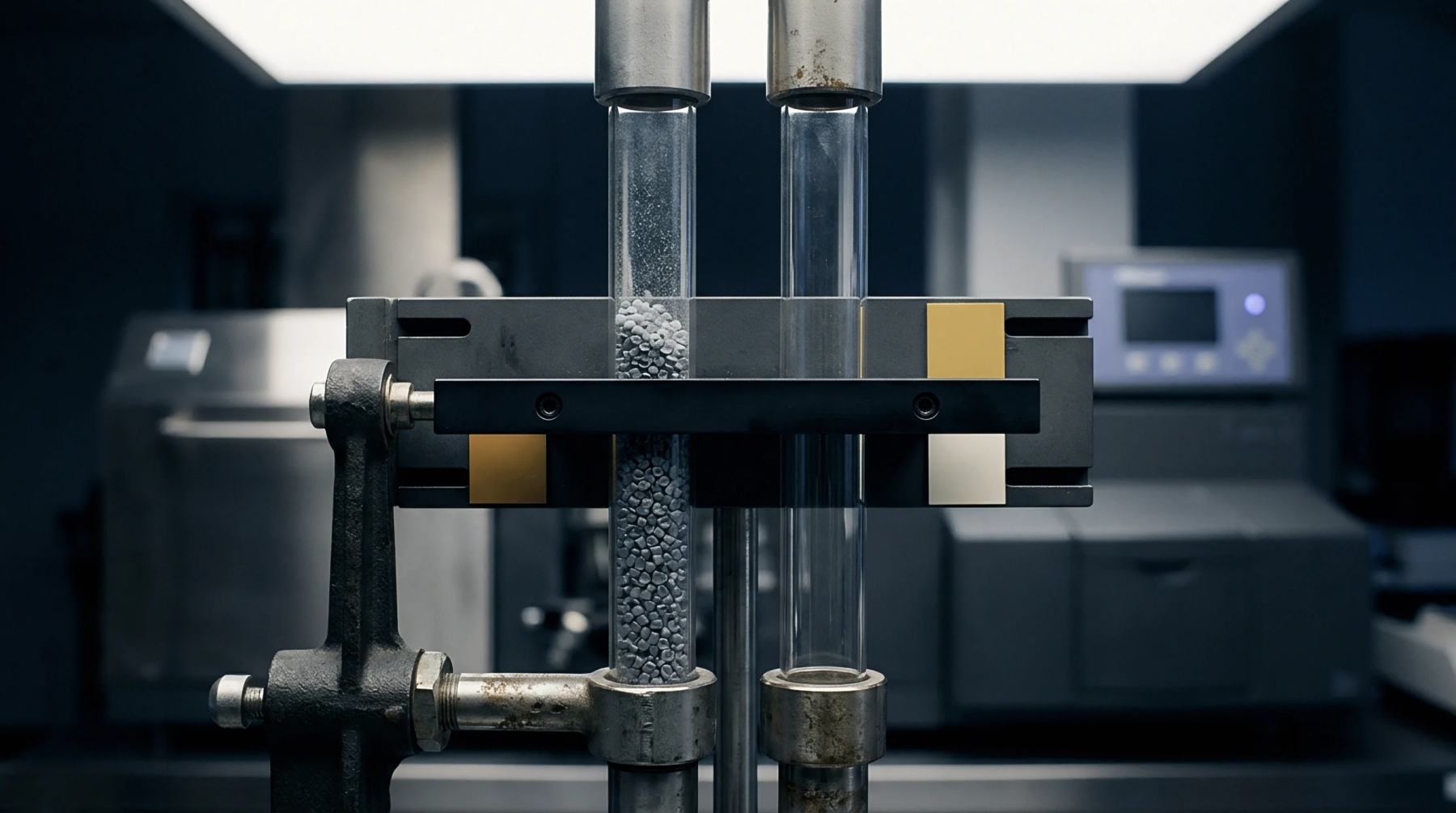
Predict boss torque retention by coupling anisotropic fiber orientation mapping with Prony series viscoelastic shift factors under thermal exposure.
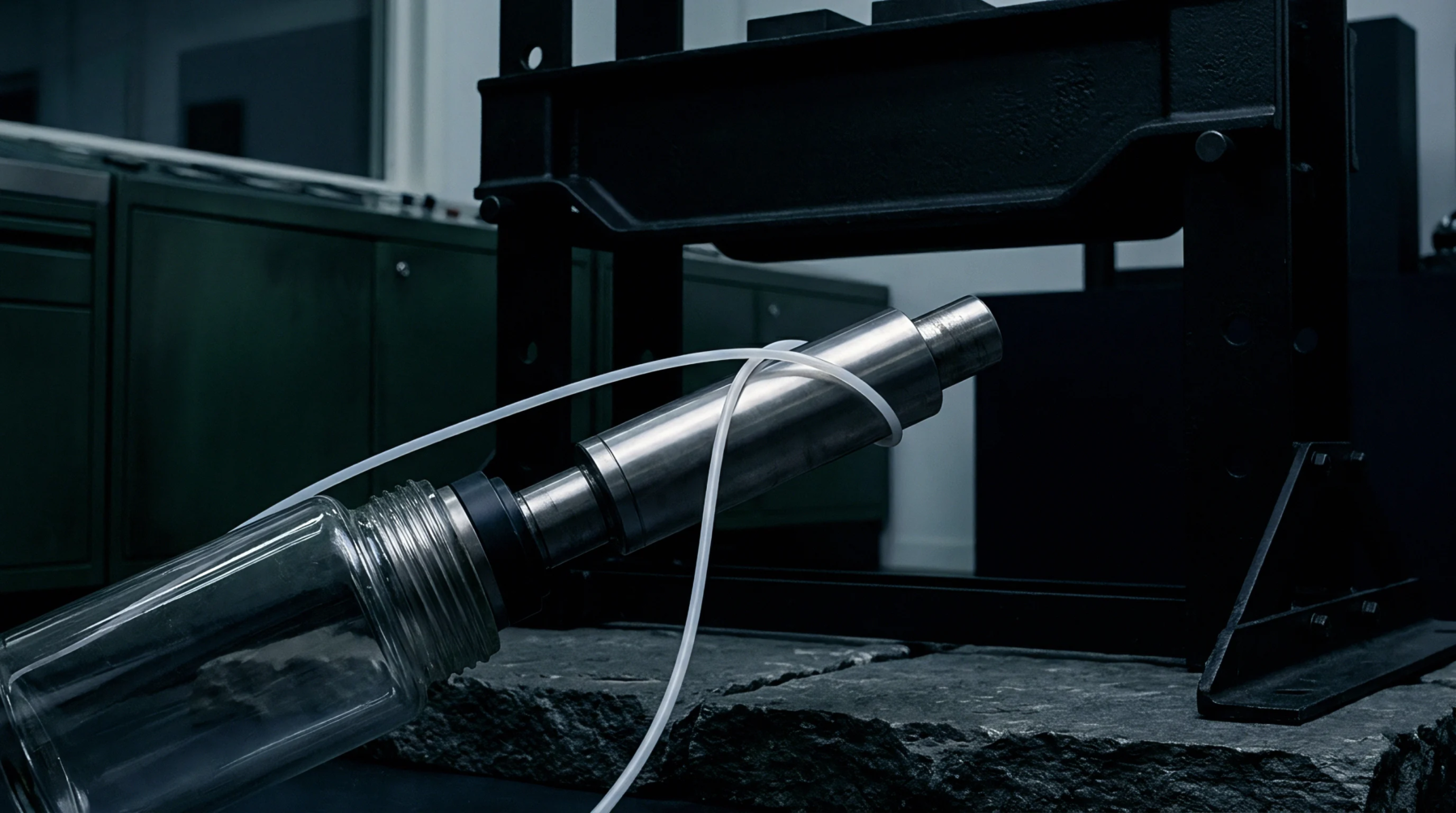
Real-time closed-loop cavity pressure telemetry stabilizes part weight and cuts cycle times by dynamically controlling switchover and valve timing.
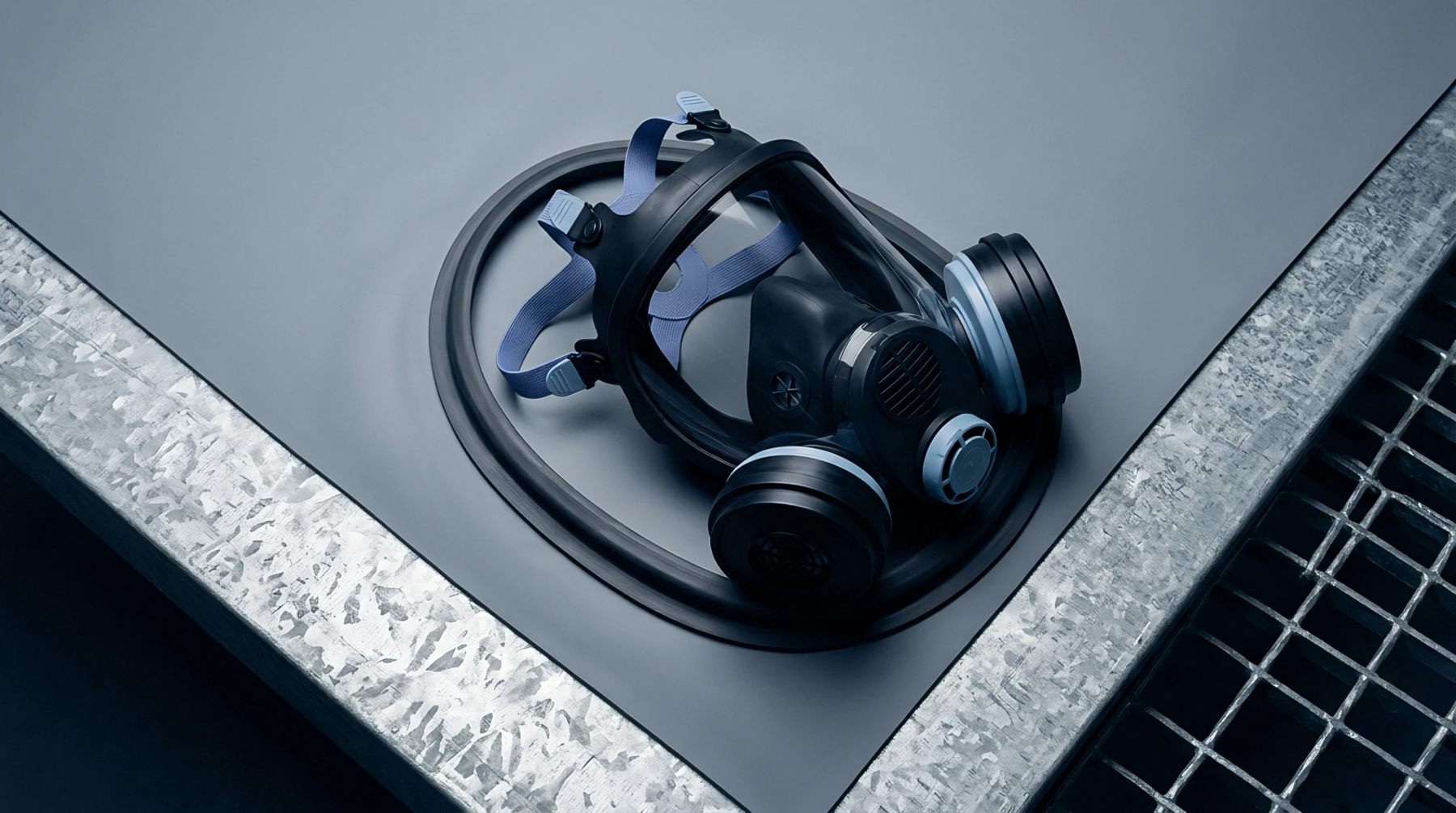
Matching part geometry to the correct plastic manufacturing process early prevents costly tooling modifications and ensures dimensional stability under production.
Expertise is a utility, not a secret. sentiention™ publishes its working knowledge as open reference: intelligence layer covering the materials it sources, the markets it enters, and the reference that serves both.